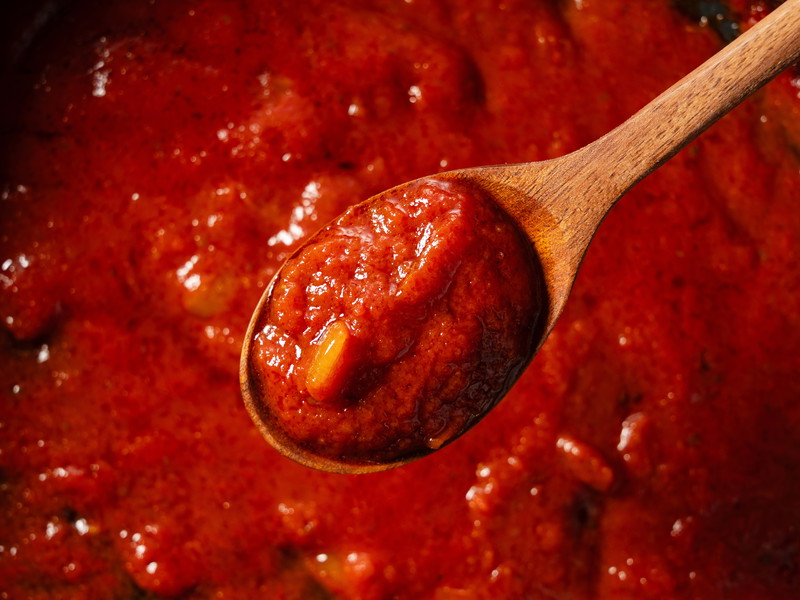
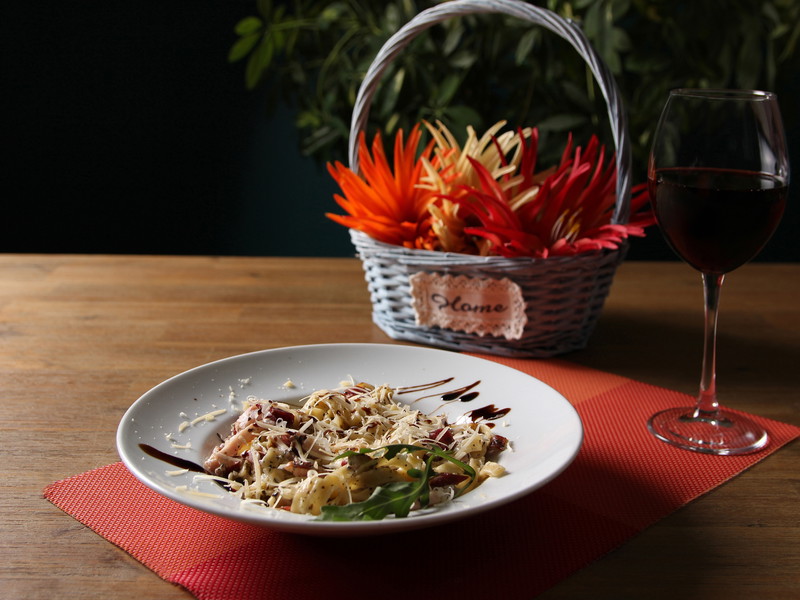
What would the culinary world be without Italian cuisine? Hard to imagine—and certainly far less flavorful. One ingredient that’s indispensable? Tomato sauce. If you’re willing to experiment a little, you can elevate it effortlessly with a splash of balsamic vinegar.
Why balsamic vinegar in particular? Unlike other tarter vinegars, balsamic vinegar matures over time, developing its dark color and signature balance of sweetness and acidity. While it’s most commonly used in salad dressings, it’s far more versatile. Reduced, it pairs beautifully with strawberries—and in tomato sauce, its sweet-tangy depth enhances both homemade and store-bought versions alike.
Timing and quantity vary
How much balsamic vinegar to use ultimately depends on personal taste, but as a general rule, one to two tablespoons per two cups of sauce is enough. If you prefer a subtle effect, start with less and adjust gradually. Just as important as the amount is the timing.
Added early to simmer together with the sauce, balsamic blends gently with the other ingredients, creating a milder, more rounded flavor. Added at the end, it stands out more and adds a more pronounced acidity. It can be incorporated in various way—simmered together with the tomatoes, used to deglaze the pan for more complex sauces, or stirred in while reheating.
Making tomatoes shine
Adding balsamic vinegar, isn’t the only trick for enhancing tomato sauce. A pinch of sugar can help balance the tomatoes’ natural acidity and bring out their sweetness. The key word here is pinch—too much will overpower the sauce.
Another surprisingly effective addition is a small piece of dark chocolate. Though it may come as a surprise, chocolate adds subtle depth and a slightly bitter note that rounds off the taste. As it melts into the sauce, it blends seamlessly with the other ingredients. Here, too, restraint is essential: The goal is gentle complexity, not a dominant chocolate flavor.