Cooking Social Media Style: Time-Saving Tips for the Kitchen
Falstaff explores the viral cooking hacks rending on social media.
Sparkling water for fluffier eggs, oil in pasta water or meat that has been cooked for hours. Falstaff takes a closer look at kitchen tips that don’t actually work.
Every generation has its tried-and-true kitchen advice—tips that promise foolproof results with minimal effort. Practical, simple, effective. At least in theory. But take a closer look at some of these long-trusted tricks and you’ll find that not all of them stand up to scrutiny. Falstaff revisits a few enduring culinary myths that deserve a second look.
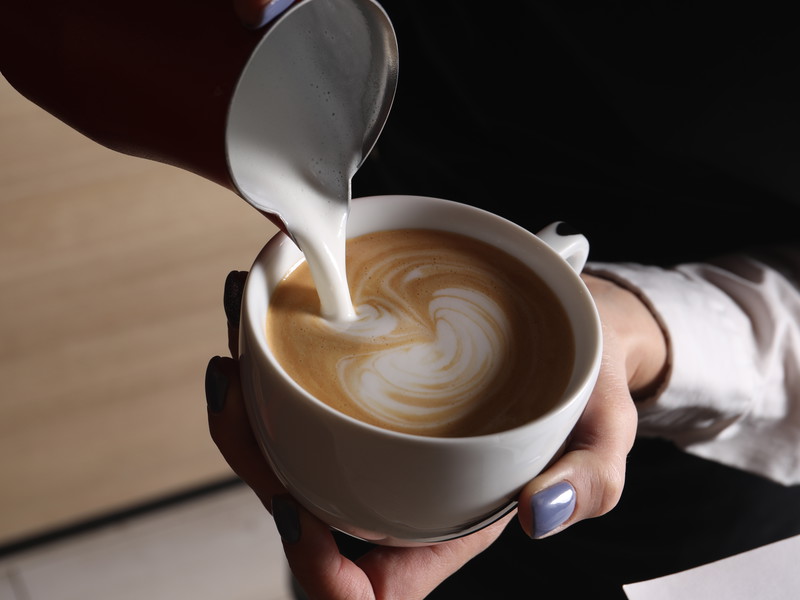
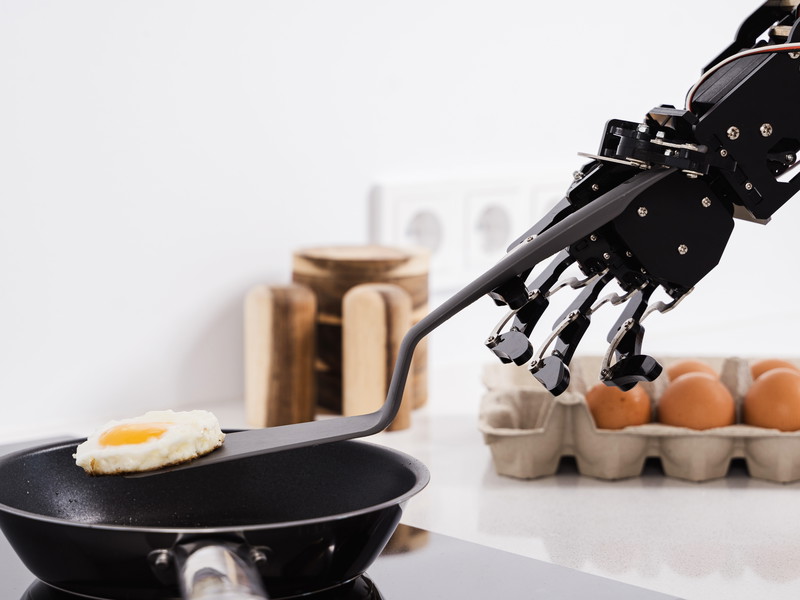
A splash of sparkling water is said to make scrambled eggs fluffier and pancake batter lighter—a trick passed down for decades. The logic: Carbonation creates airiness. In practice, however, the effect is negligible.
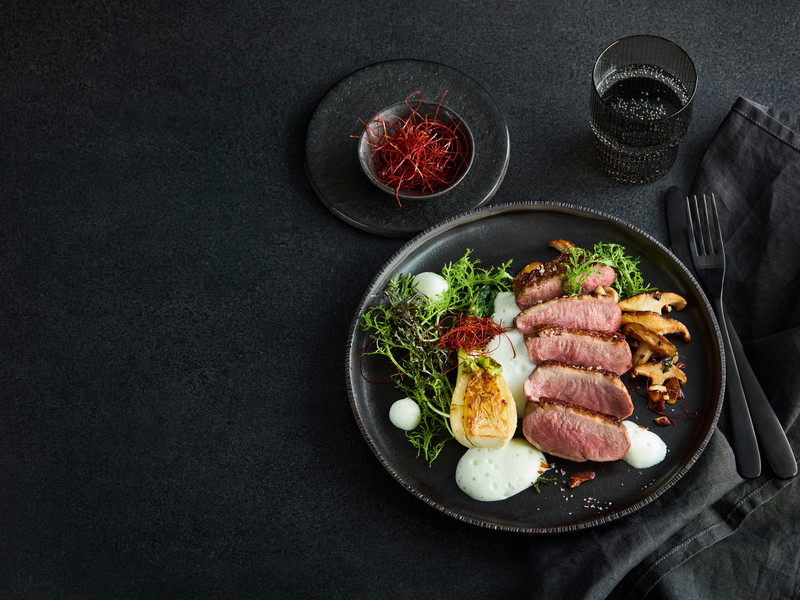
To gauge a steak’s doneness, start your steak as you normally would—bringing it to room temperature first is always a good idea. Once it has a nice sear and seems close to done, you can gently press it with your finger. The amount of resistance you feel gives a rough indication of doneness. Think of it like comparing the feel of the fleshy pad at the base of your thumb: soft for rare, slightly firmer for medium-rare, firmer still for medium, and quite firm for well-done. It’s a simple, hands-on method to check your steak without cutting into it.
It’s a neat party trick, and even celebrity chefs like Gordon Ramsay have demonstrated it. But in reality, hands vary. So does meat. Thickness, cut, fat content, and heat all influence doneness. While the palm test may offer a rough guideline, it’s far from precise. If accuracy matters, a meat thermometer remains the gold standard.
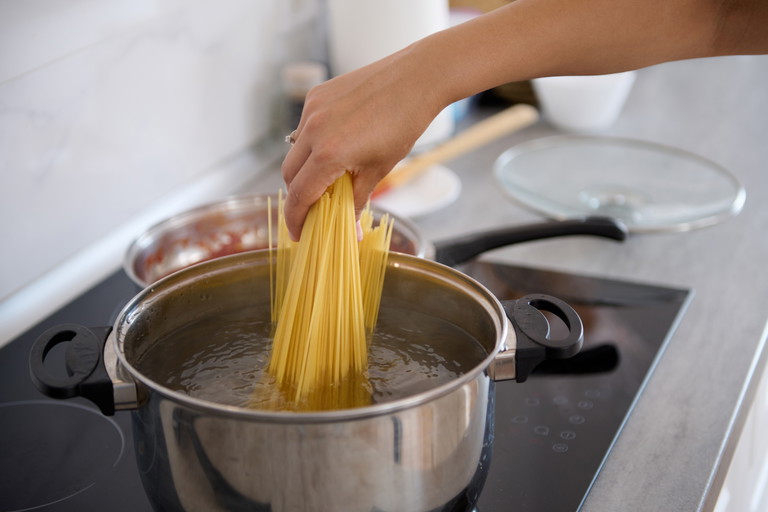
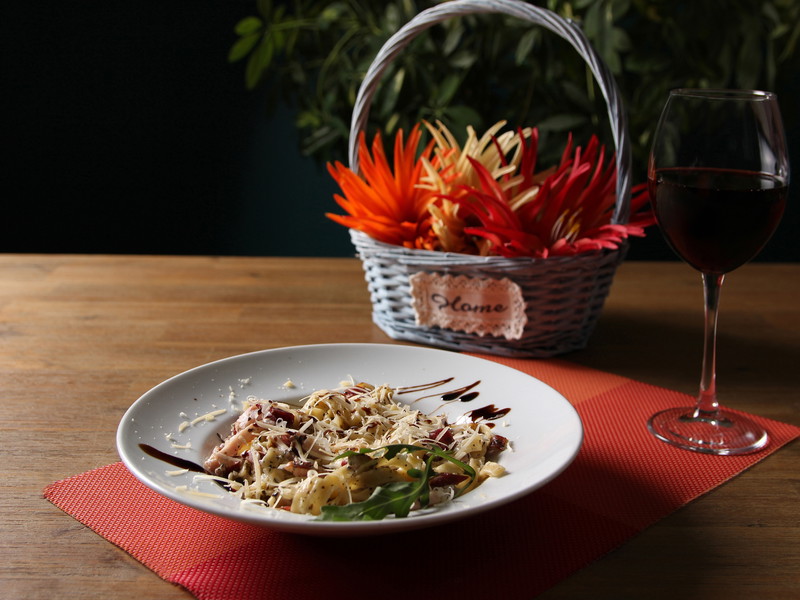
Few dishes are as simple—and as opinion-dividing—as pasta. One of the most persistent beliefs is that adding oil to the pasta water prevents sticking. In truth, oil floats on the surface and never properly coats the pasta while it cooks.
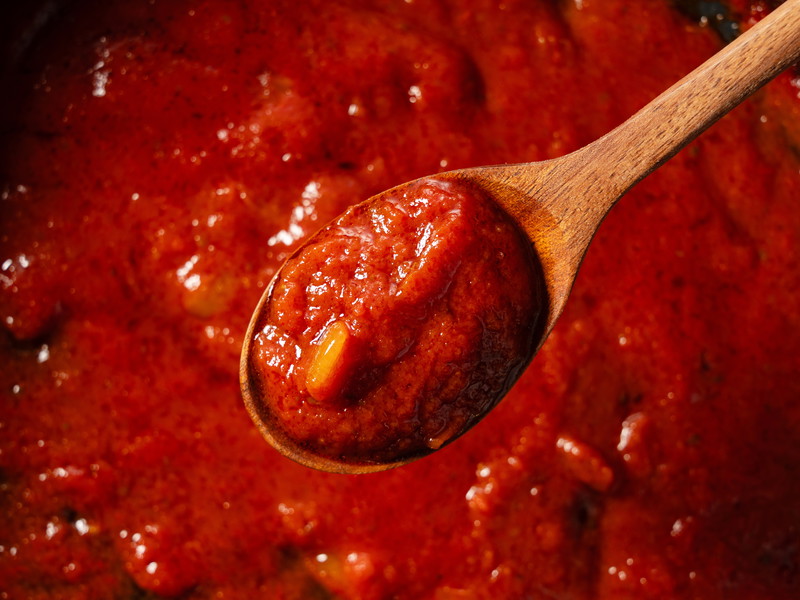
Worse still, once drained, the oil can cling to the noodles, creating a slick surface that actually prevents sauce from adhering properly. The real key to perfect pasta? Plenty of salted water, proper stirring in the first minute of cooking, and timing.