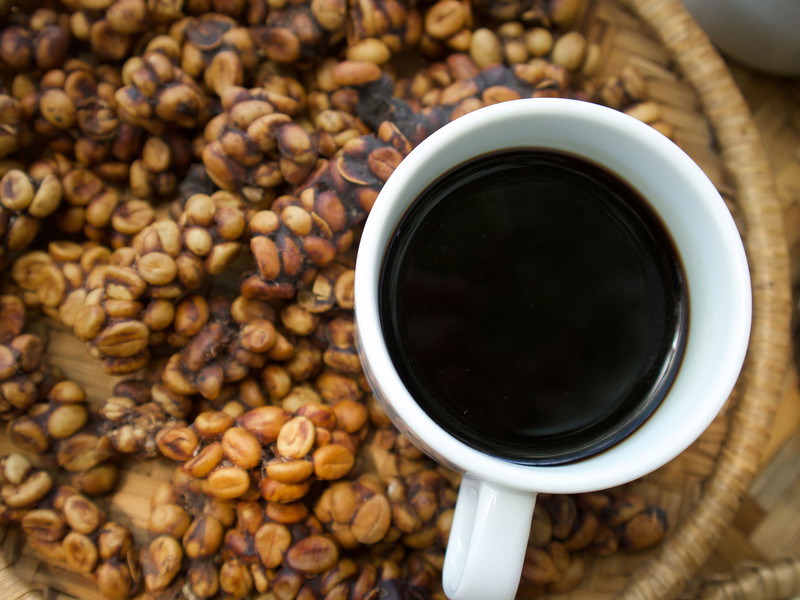
Indonesian Kopi Luwak coffee has long been celebrated for its distinctive flavor – and its rather extraordinary origin. Before roasting, the coffee beans first pass through the digestive tract of the palm civet, a process believed to impart their singular taste. According to The Guardian, a new study may finally explain this unique flavor profile. Scientists now believe that the unroasted beans emerging from the cats' digestive tract possess a different fat content than those picked directly from the tree – a subtle but crucial distinction.
Fermentation in the Gut
“We believe that fermentation within the civet cats' gut alters the flavor profile,” explains Palatty Allesh Sinu, co-author of the study published by the Central University of Kerala. “The enzymes and microbiome at work during this natural fermentation process differ significantly from those involved in manual processing,” he adds.
With these findings, the researchers hope to shed new light on the complex flavour spectrum of coffee. “Fats and oils are vital components of aroma and taste,” Sinu notes.
The perfect roast
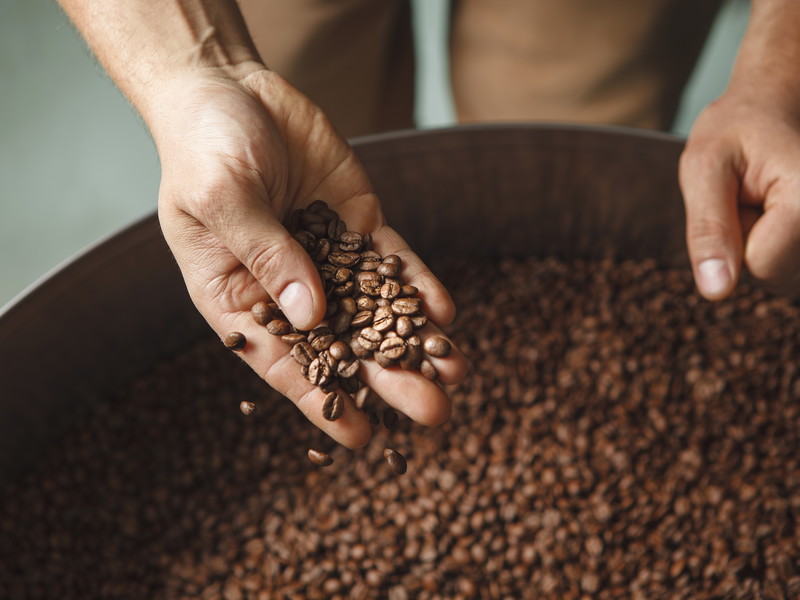
The researchers also point out that there are other factors that can influence the taste: "The flavor develops mainly through roasting and the chemical changes that occur through that process," says Ramit Mitra, who was also involved in the study. However, further research is needed to confirm the extent to which the flavor profile is altered by the roasting process itself.
Animal welfare activists have expressed concerns about keeping civets in captivity for years, as some of them are kept in conditions comparable to battery cages. This has not affected Kopi Luwak's popularity though: thanks to its rarity and labor-intensive production, half a kilogram of these beans cost around €150.