Named after the town of Tokaj, it is the most famous and traditional wine-growing region in Hungary and enjoys a legendary reputation. It was here that the first wine was produced from noble rot grapes, long before the first selections on the Rhine or in Sauternes. And this wine did not develop purely by chance, but was the result of methodical work by Chaplain Szepsy in the vineyards of the Rákóczi family in 1650.
After that, Tokaj became a legend, and it was also said to have healing properties. At the turn of the 19th and 20th centuries, Tokaj was still sold in pharmacies.
In 1949 communism destroyed almost everything. The wineries were nationalised, and the excellent steep slopes were abandoned in favour of easy-to-grow flat sites. It was not until the removal of the "Iron Curtain" in the 1990s that new life was breathed into the region.
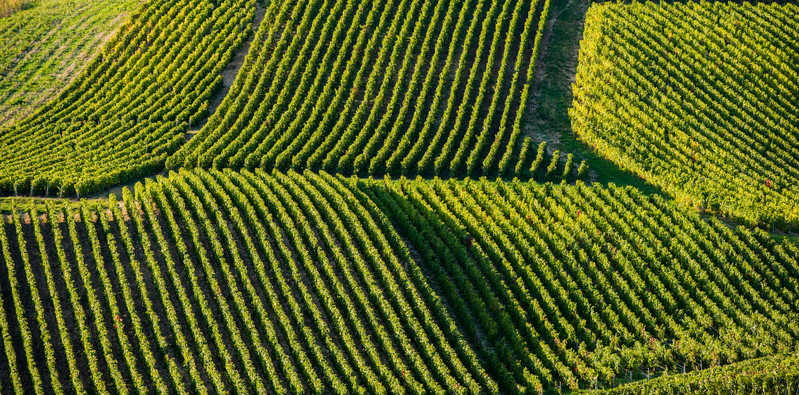
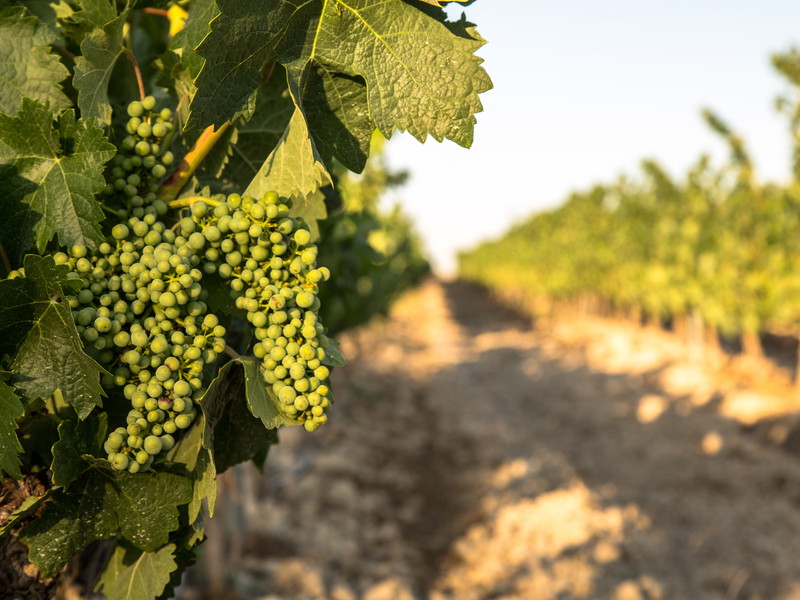
With the help of privatisation and investment, the region is now heading for a new flowering. The conditions in Tokaj are ideal for the production of noble sweet wines. Two rivers provide moisture enough to produce the necessary early mists. The vines are planted on volcanic soils, with the thin-skinned Furmint variety accounting for the largest share (70 percent). Thin skins provide the best conditions for infestation with the noble mold Botrytis cinerea. About 20 to 25 percent of the vineyard area is devoted to Hárslevelü, the rest to the Muscat à Petits Grains variety. The method of production is also unique.
The noble rot grapes are made into a kind of paste and then added to a dry furmint base wine. A second fermentation takes place in which the sugars are extracted and the wine gains its beguiling sweetness. Careful measurement is required for the ratio of noble rot grapes to wine to small barrel.
The most delicious essence of noble rot is obtained from the run off. Here, even a droplet can provide a tremendous explosion of flavour. Because of their sweetness, the best Tokajs can be stored for 50 years or more.