Skip to content

Bratislava Filled with the Aroma of Specialty Coffee

Coffee
Slovakia
event

Coffee, craftsmanship, flavor experiments, workshops, music, and people who came to discover new forms of modern gastronomy. This year's coffee festival at Refinery Gallery confirmed that Bratislava can be a place where the local scene meets a broader European dimension.

Text by Ivana Sladkovská

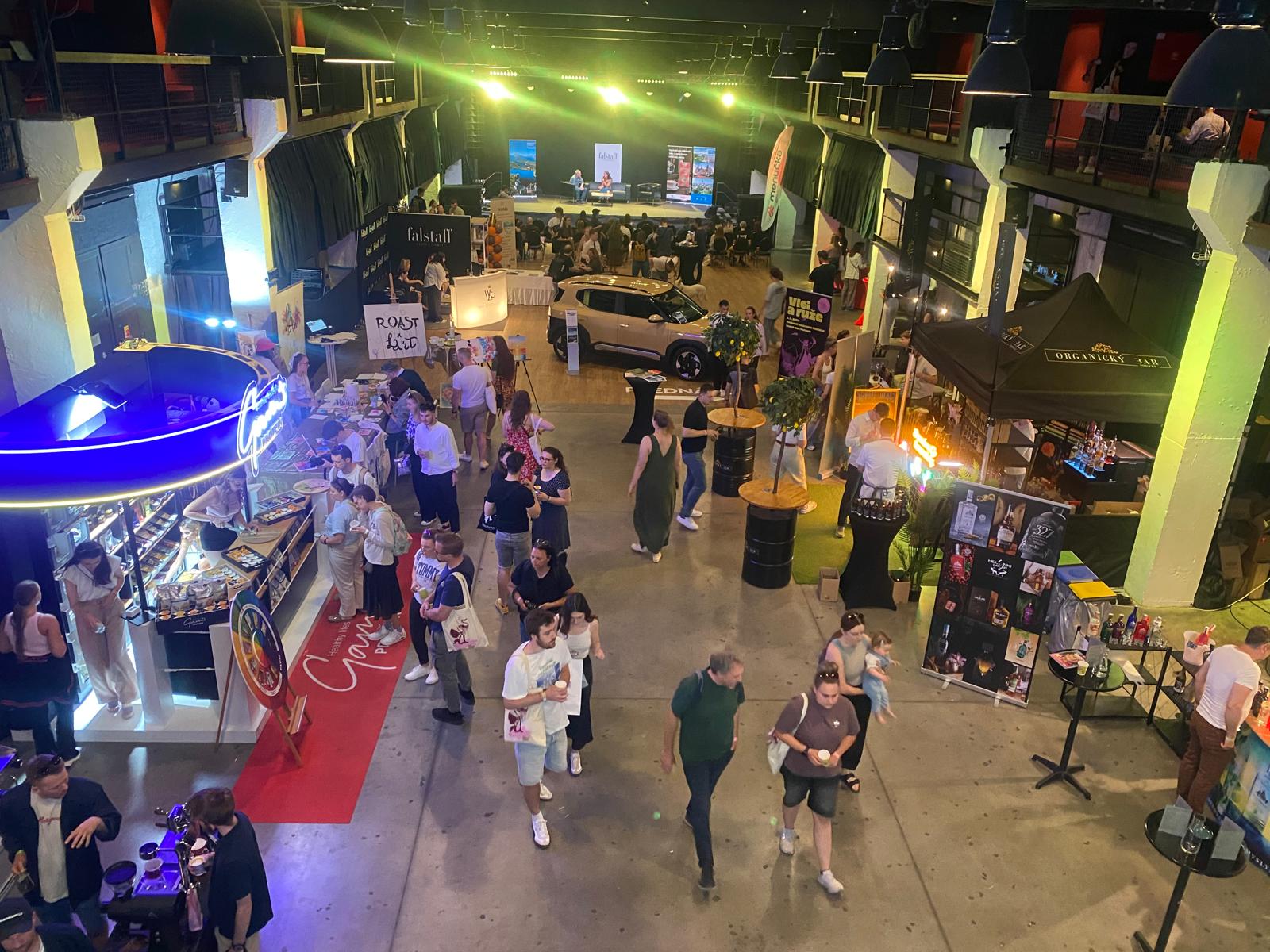
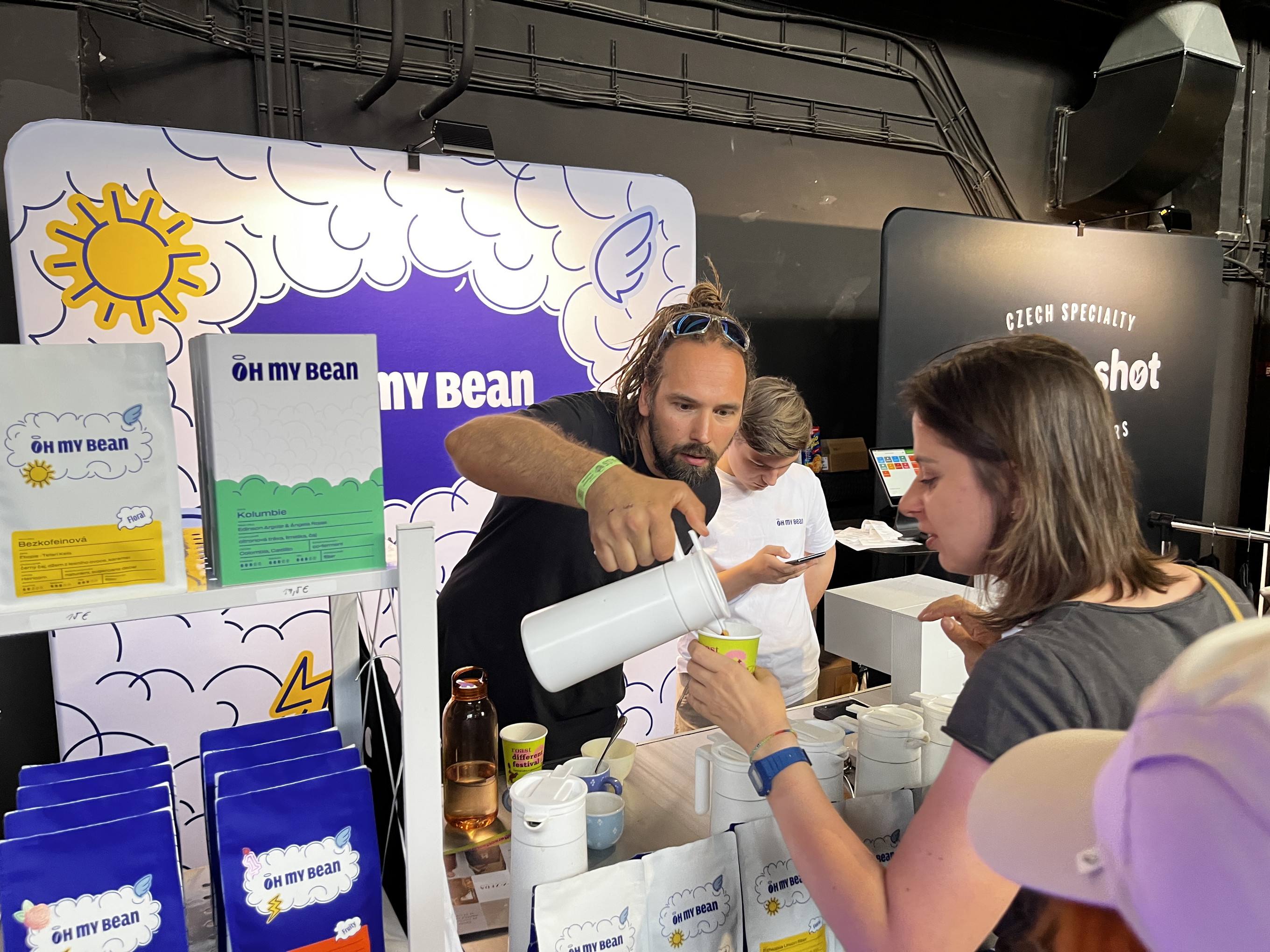
Over the past weekend, Bratislava's Refinery Gallery transformed into a vibrant space full of aromas, flavors, and encounters. The festival, which is already considered one of the most prominent events of its kind in Central Europe, attracted thousands of visitors and once again demonstrated that specialty coffee is gaining an increasingly strong audience in Slovakia.

The weather favored the festival, the atmosphere was relaxed, and the visitors' interest proved that coffee is no longer just an everyday drink to wake up with. It is a topic that connects gastronomy, design, travel, technology, craftsmanship, and lifestyle.

Thousands of Visitors and a Strong International Reach

Roasters, baristas, experts, content creators, brands, and enthusiasts gathered in Bratislava to taste coffees from various countries of origin and explore the trends currently shaping the world of specialty coffee.

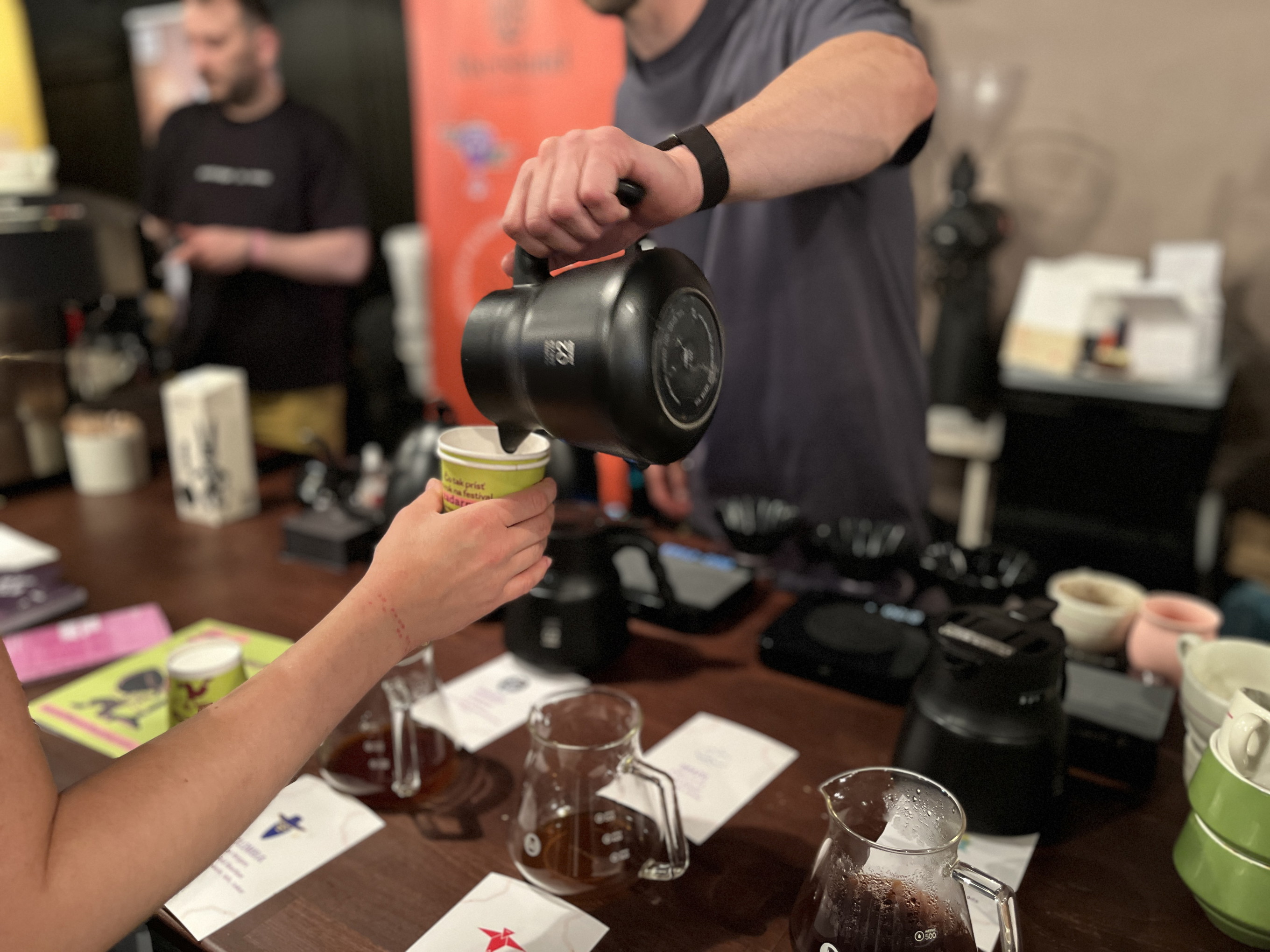
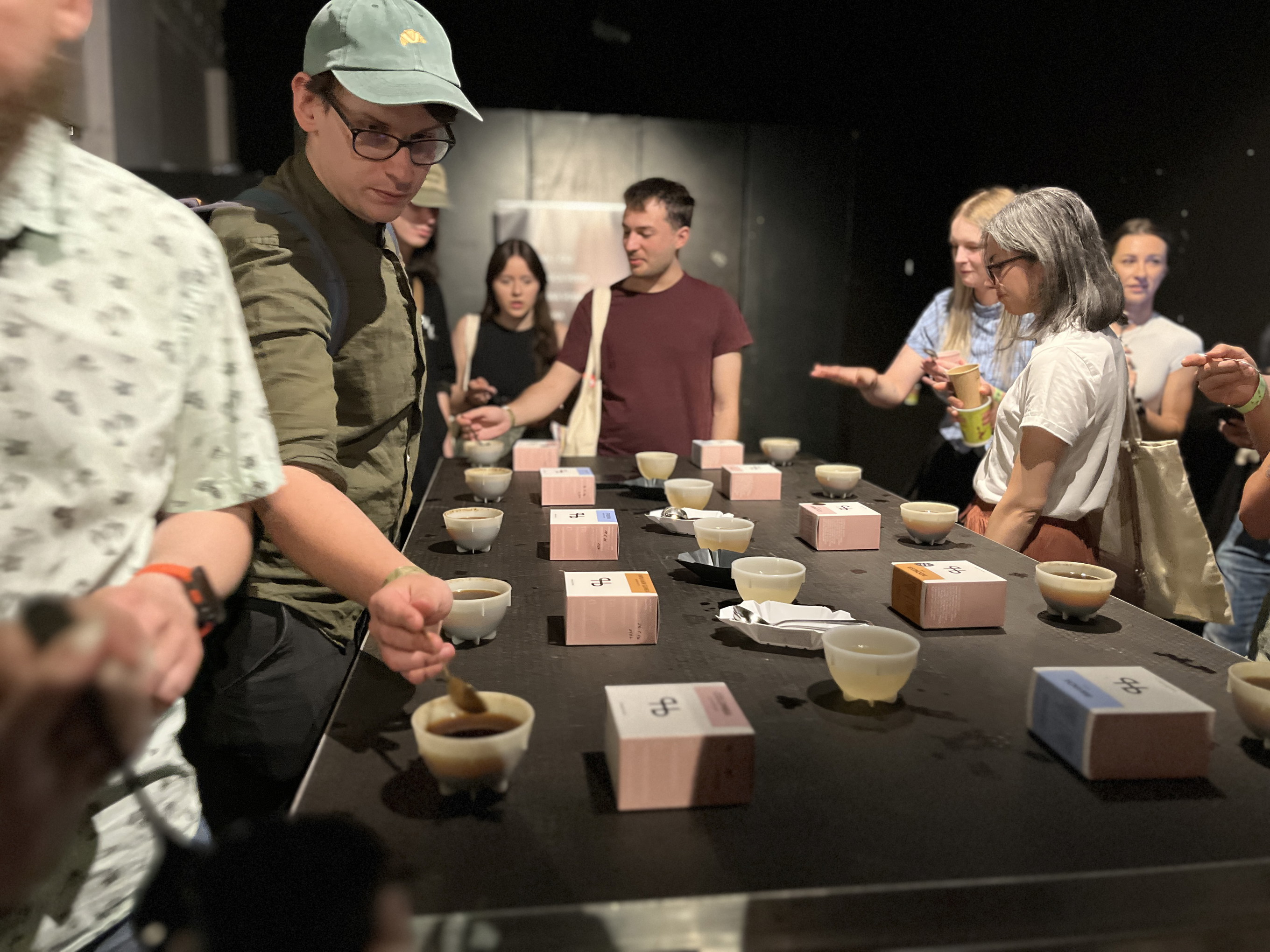
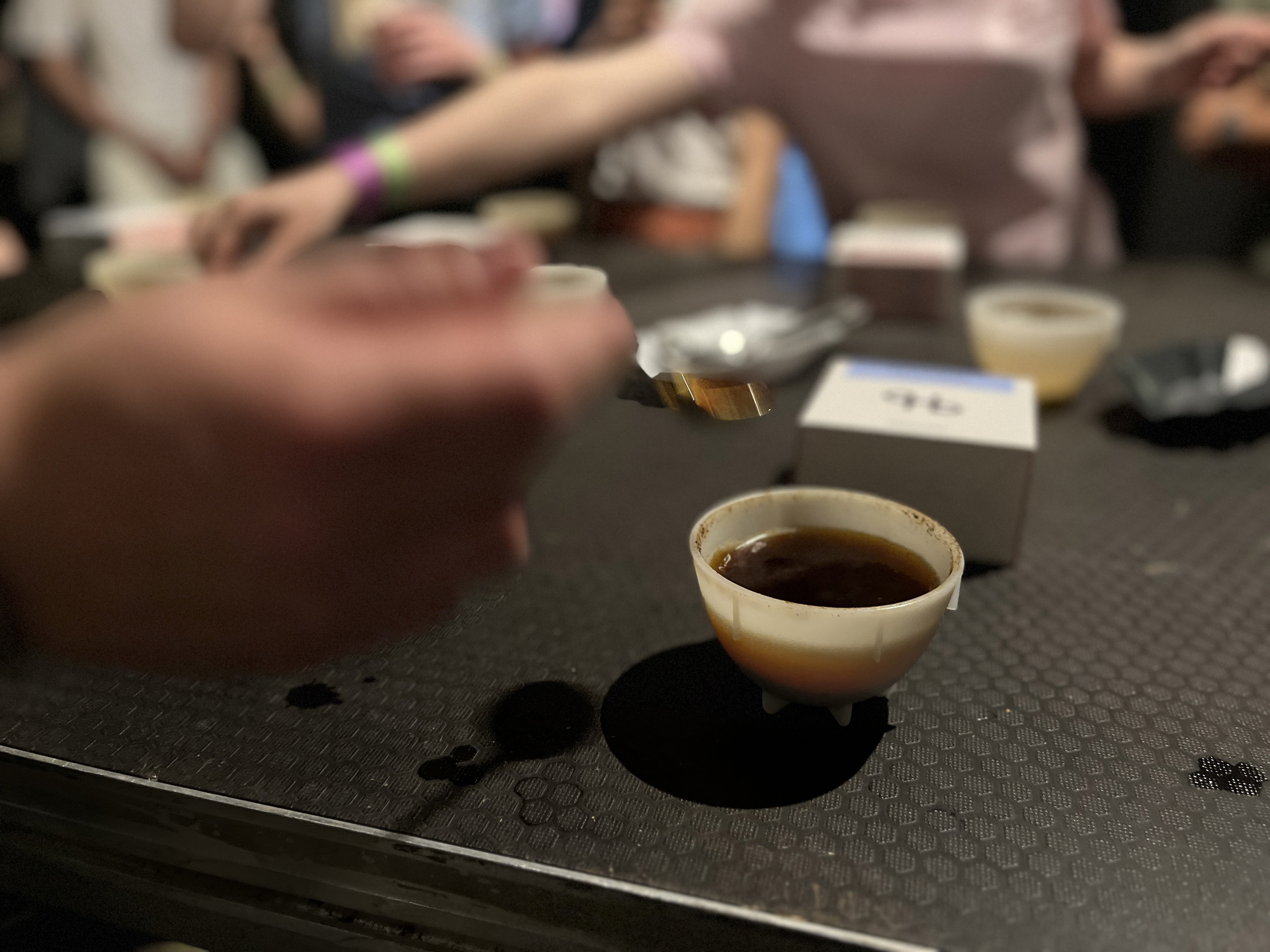
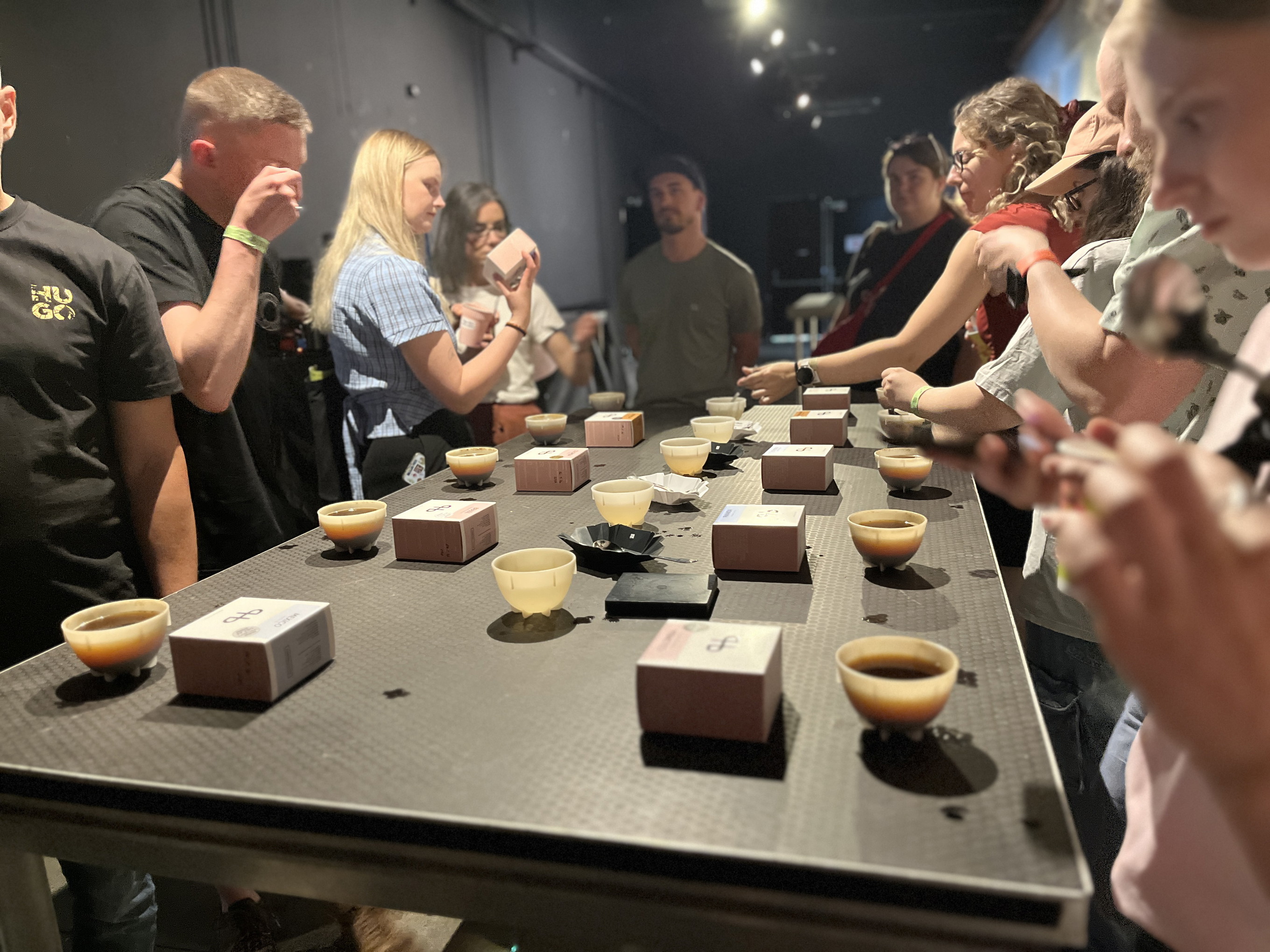
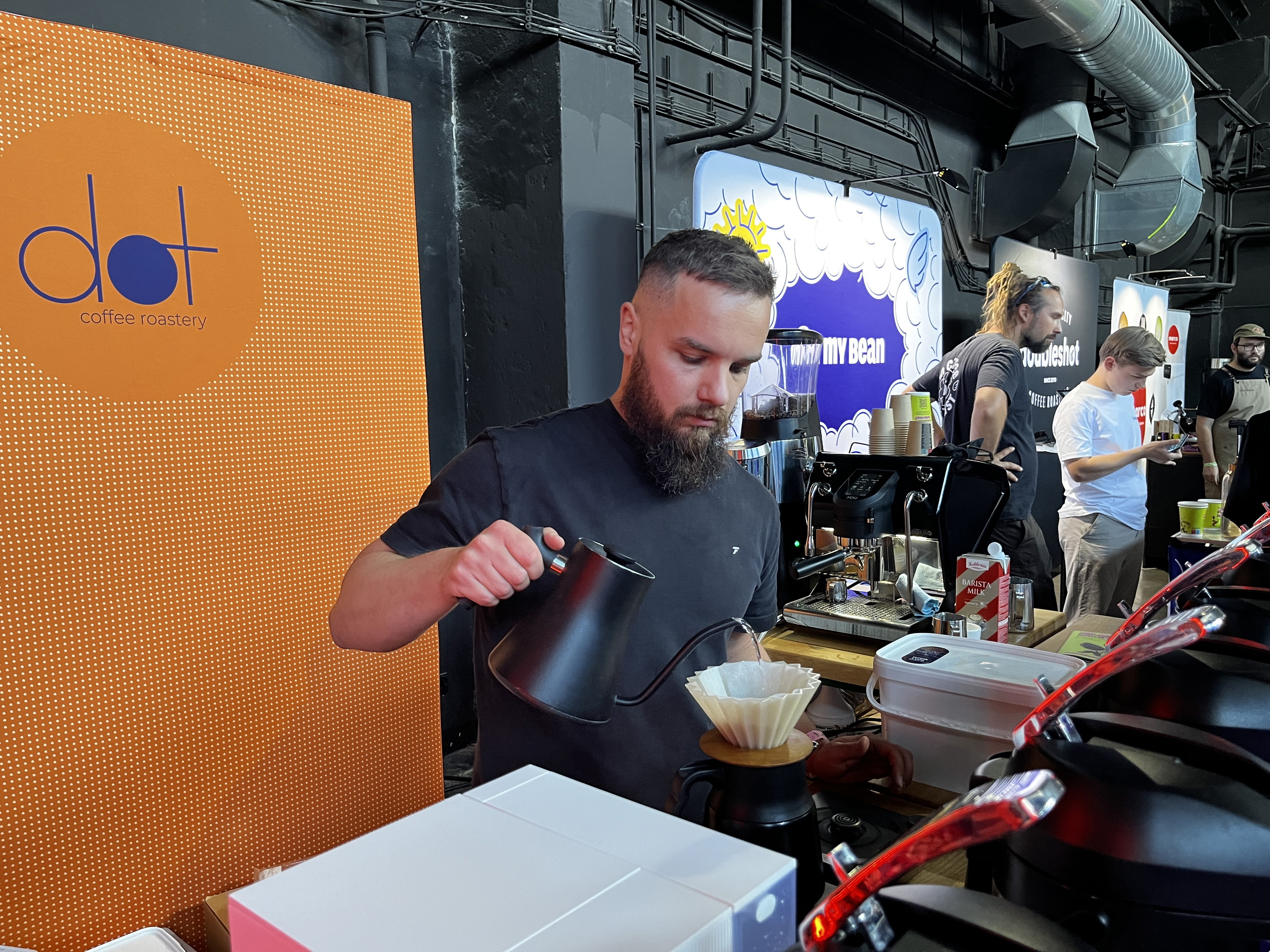
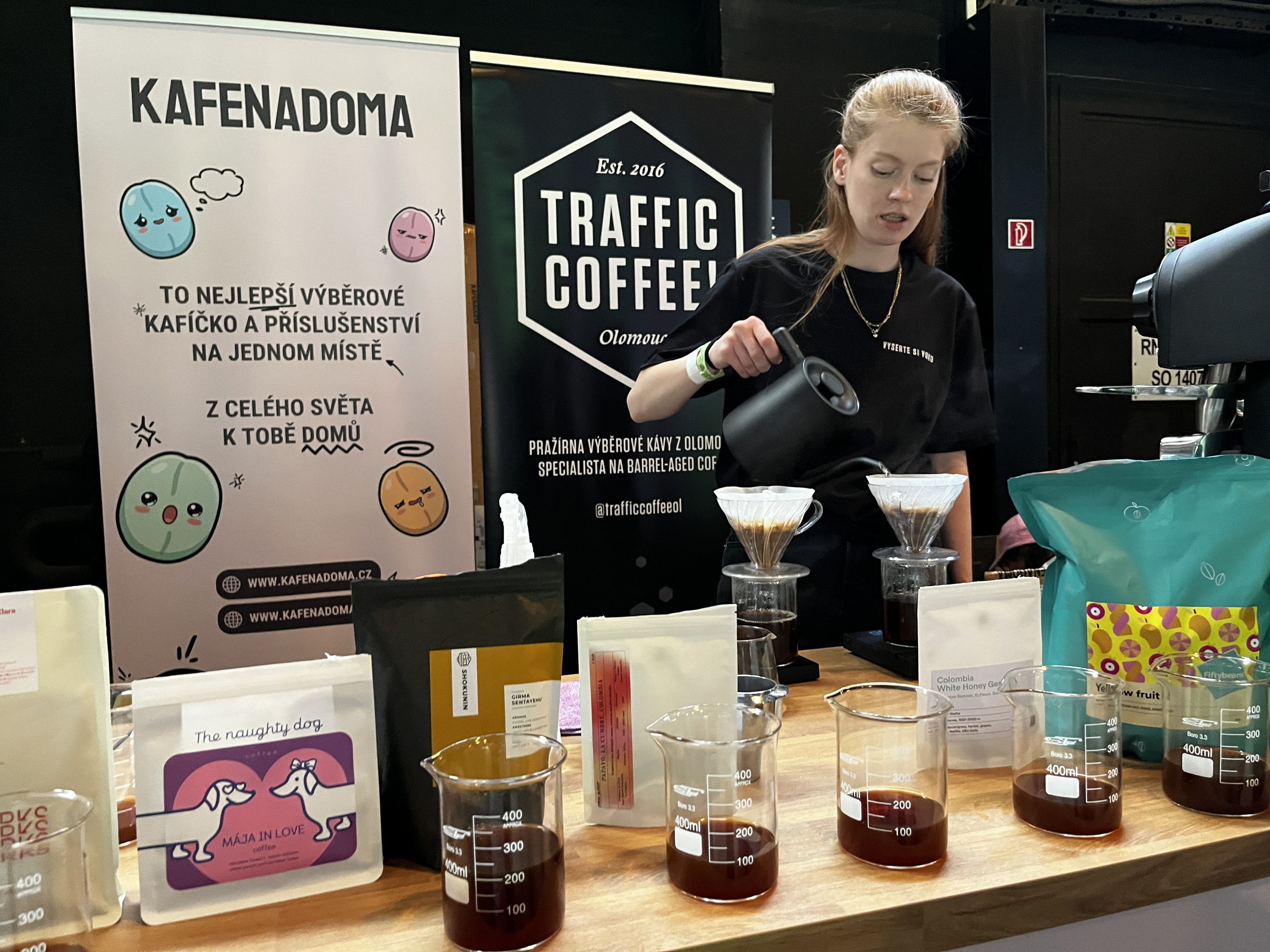
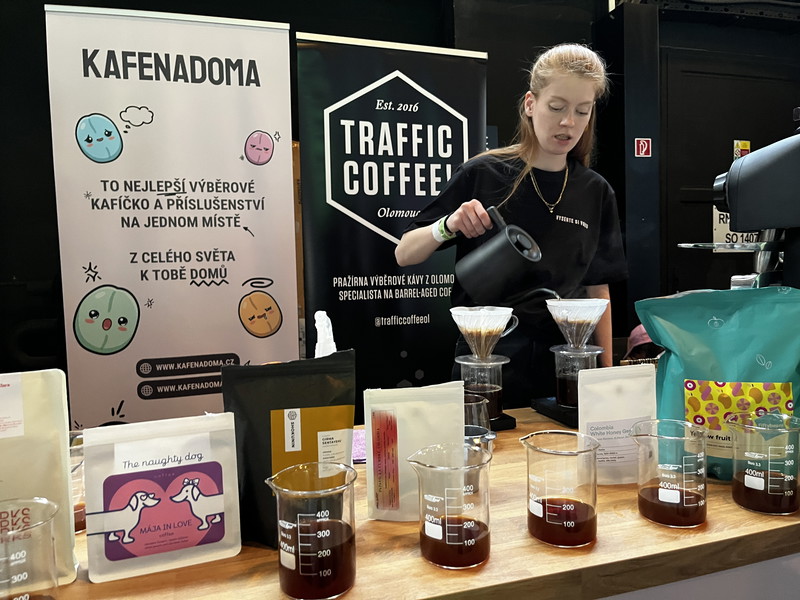
Throughout the festival, visitors had the opportunity to taste dozens of coffee varieties—from more familiar specialty profiles to less traditional origins and processing methods. Cups featured coffees with fruity, chocolatey, fermented, and floral notes, and many guests had the chance to try products they would rarely encounter in an ordinary café. Exhibitors included primarily roasters from Slovakia, but also from the Czech Republic, Poland, and Hungary.

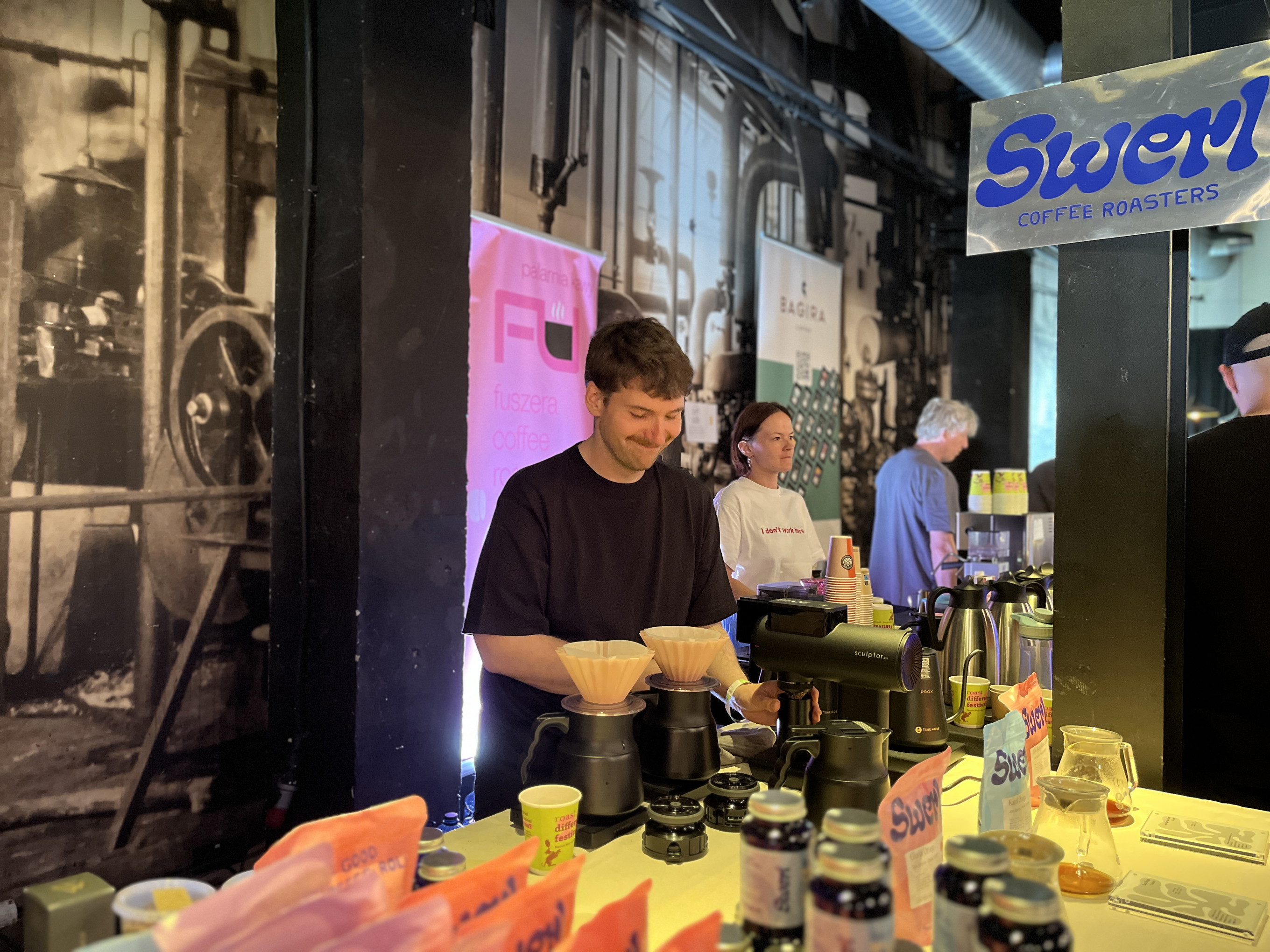
One of the exhibitors who traveled from a great distance was the Swedish roastery Swerl. “We started in 2019 with a coffee bus, a beautiful Mercedes, where we sold coffee from local roasters—Koppi, Drop, and Morgon. In 2022, we bought our own roasting machine. Throughout the year, we built relationships with producers and learned how to roast coffee,” says Swerl co-founder Beatriz, a Portuguese native who originally worked as a sommelier. Her business partner Daniel previously worked as an aircraft technician. Together, they bring a completely unique perspective on the technologies and flavors of the coffee world.

Beatriz, who lives in Sweden—a country with a very strong coffee culture—claims that things are even better in Slovakia.

“It is wonderful to be here in Slovakia and see the coffee scene. From what I have understood today through conversations with many people, the local coffee scene is actually very good. There is much greater interest here and many more cafés.

In Sweden and throughout the Nordic countries, we have many excellent roasters, but at least in Sweden, specialty coffee is still not entirely mainstream. Only a small number of places offer it, and the market remains fairly commercial,” she concluded.

Coffee as an Experience, Not Just a Beverage

The festival program demonstrated just how broadly coffee can be approached today. Visitors could participate in cuppings, expert lectures, practical workshops, and discussions about hospitality, gastronomy, design, trends in beverage culture, and building a café business.

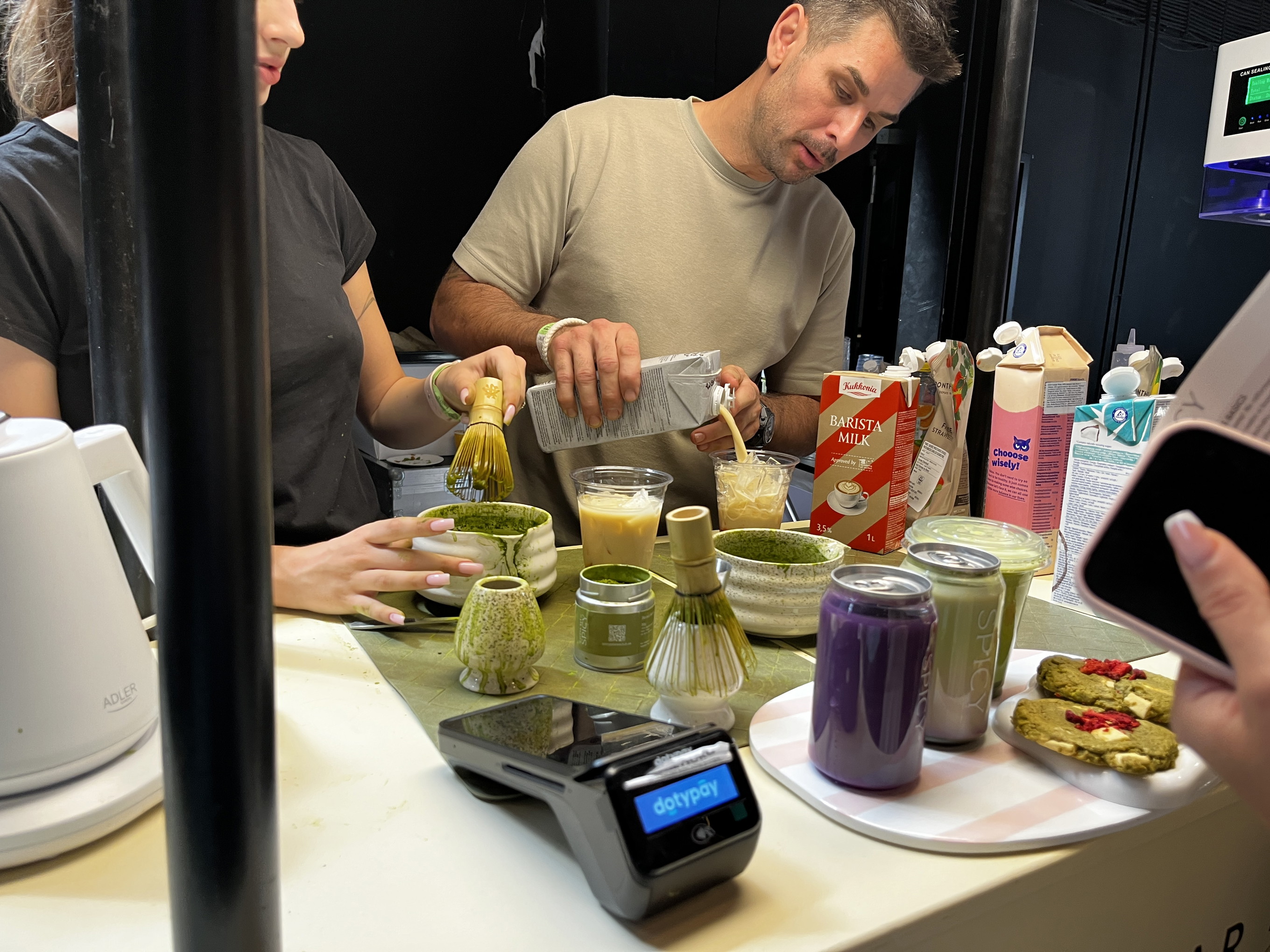
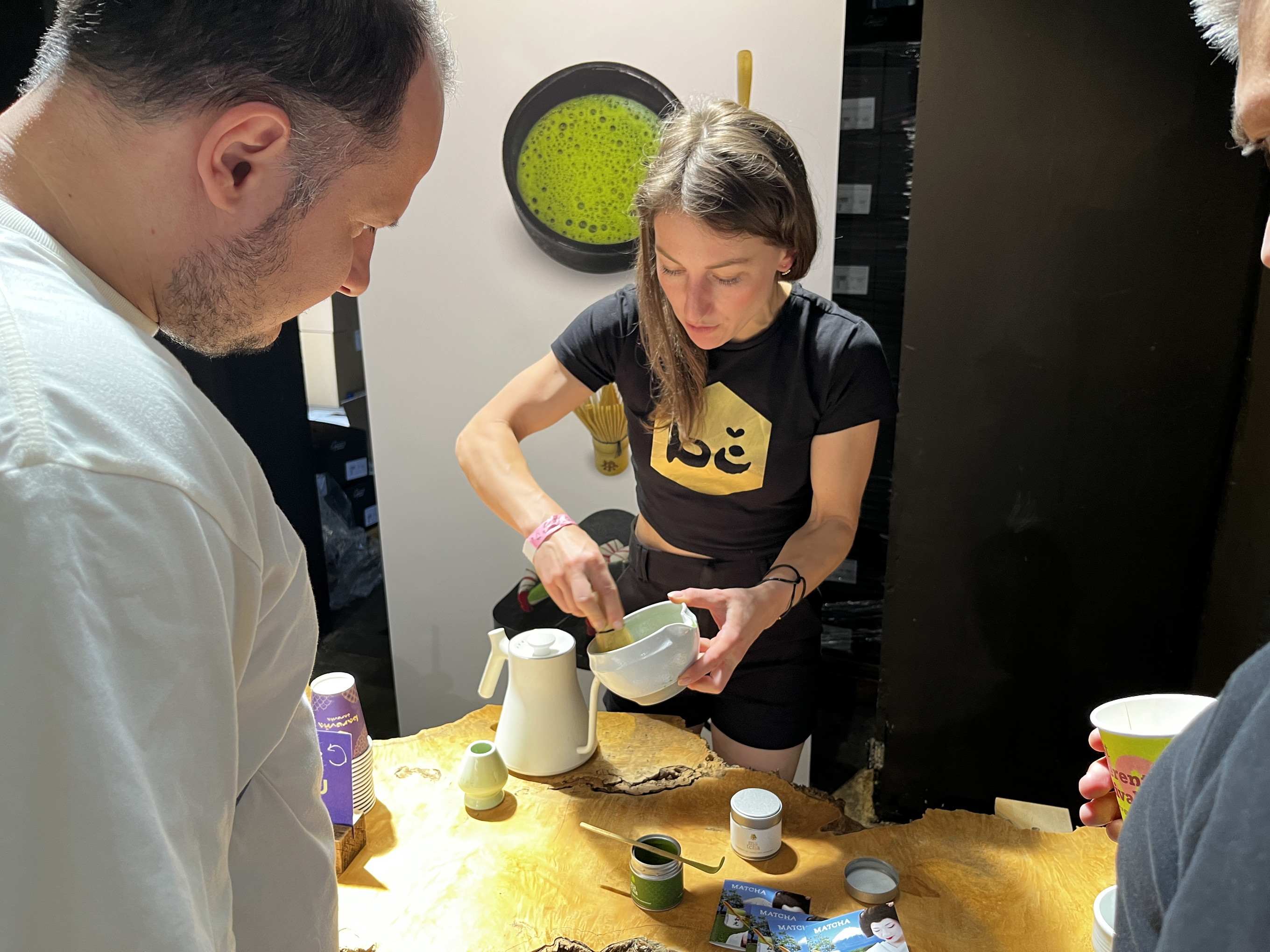
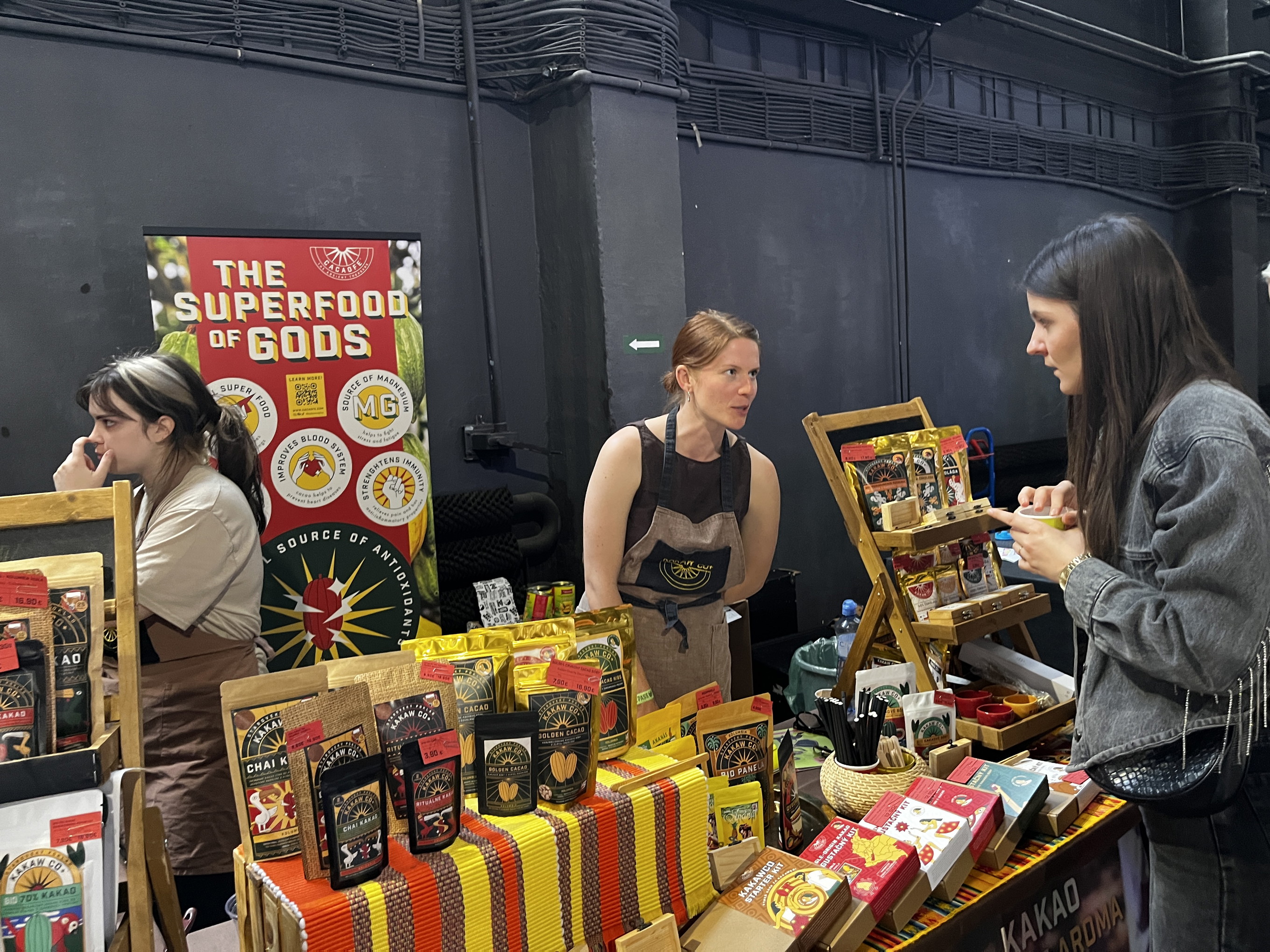
Among the major topics were transparency of coffee origin, cooperation with farmers, modern brewing methods, sensory analysis, grinding, specialty coffee capsules, matcha, cocoa, kombucha, and coffee cocktails. The festival therefore went far beyond the traditional view of espresso and filter coffee, showcasing a wider world of flavors that naturally fits into contemporary gastronomy.

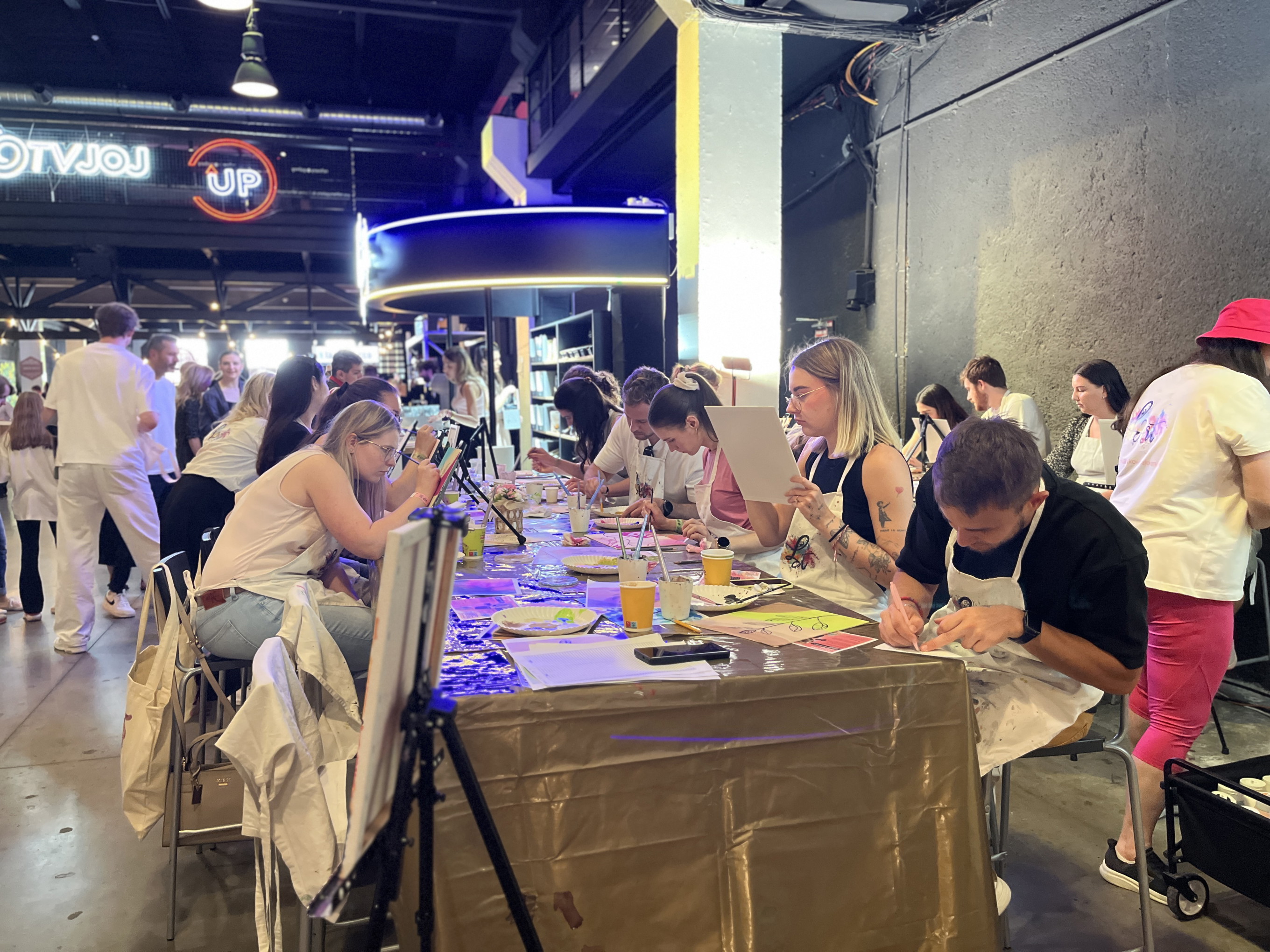
There was also significant interest in workshops where visitors could try hands-on coffee preparation, discover flavor differences, work with aromas, and explore unconventional products. Coffee appeared not only in cups but also as part of creative workshops, mixology, and discussions about hospitality.

Baristas and roasters shared their expertise with Falstaff. Monika Matúšová, barista and PR manager at the Zlaté Zrnko roastery, explains that it is no longer true that Arabica is inherently better than Robusta.

“The question of whether Arabica or a blend with Robusta is better no longer has a clear answer. The coffee world is changing very dynamically, and quality depends more on origin, processing, and roasting than on the coffee species itself.

There are significant differences even among Arabicas, and perceptions of Robusta are evolving as well. While it was once viewed mainly as a cheaper component in blends, more and more attention is now being paid to so-called fine Robusta. This refers to high-quality Robusta that is carefully cultivated, sorted, and processed, and which can offer very interesting flavor potential.

This is also related to climate change. Arabica is more demanding to cultivate, whereas Robusta may represent a more resilient alternative in the future. Its flavor will never be exactly the same as Arabica, but when properly processed it can achieve very high quality. Therefore, the question today is no longer whether Arabica or Robusta is better, but rather how well a specific coffee has been grown, processed, and roasted.”

Falstaff Was There Too

The festival was also a place where people from gastronomy, the lifestyle sector, and premium brands naturally came together. For this reason, Falstaff was also present, as it has long followed quality gastronomy, new flavors, and dining culture in a broader context.

For the Falstaff audience, this type of event is a natural environment: it is not only about tasting coffee but about the entire world surrounding it. The origin of the raw material, craftsmanship, atmosphere, service, design, community, and the ability to transform an everyday ritual into an exceptional experience.

This year's festival showed that Slovak consumers are ready to explore bolder flavors and products. Visitors were not afraid to experiment, ask questions, compare, and seek out differences between individual coffees, brewing methods, and beverage trends.

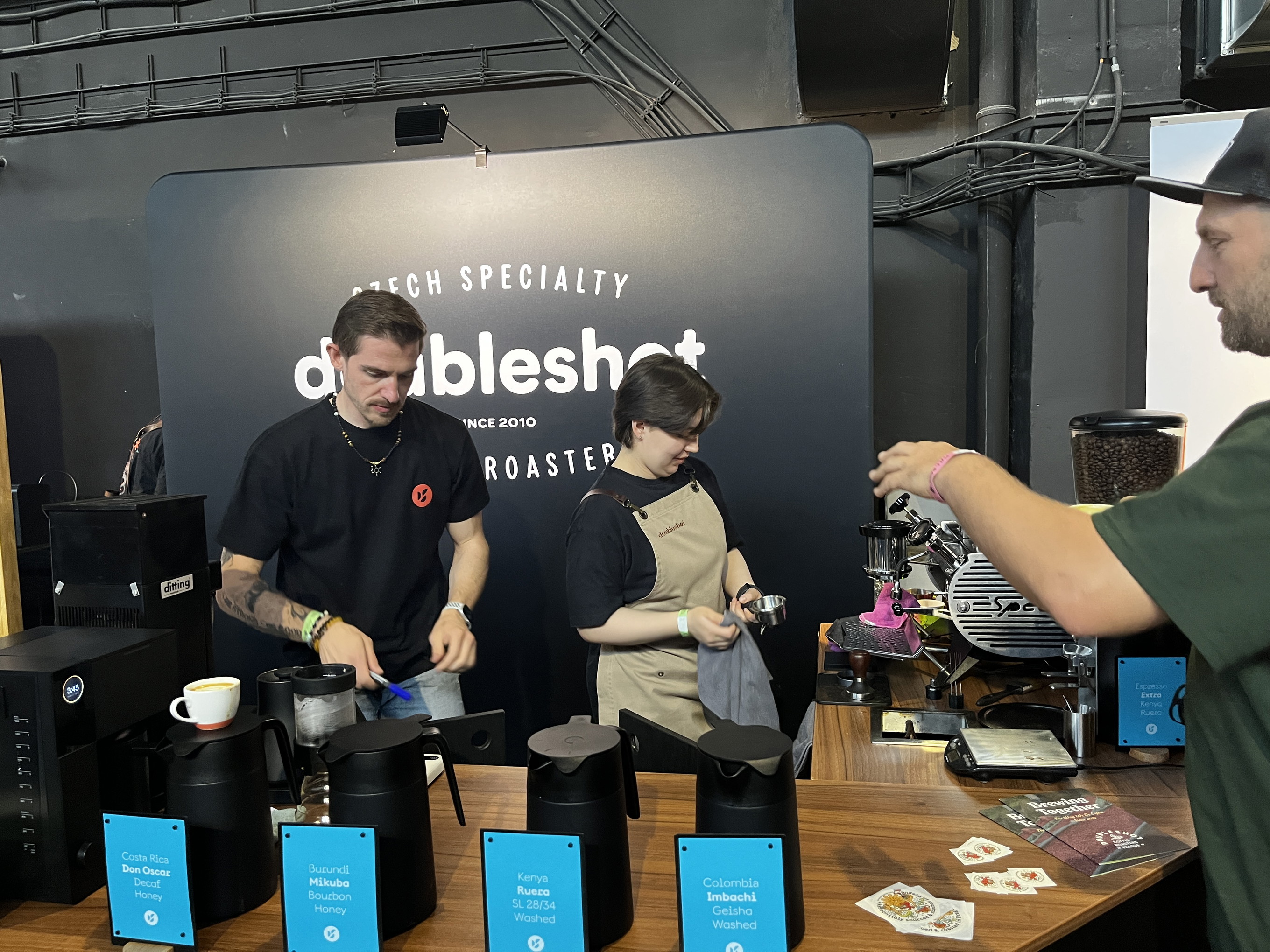
“I believe that one of the current hits—not only in the Czech Republic and Slovakia, but also in other countries—is iced coffee drinks, such as Nitro coffee, espresso tonic, and various iced milk-based coffee beverages,” says coffee expert Lukáš Podbehlý from the Czech roastery Doubleshot.

Bratislava as a Hub of Modern Coffee Culture

One of the festival’s main messages was that Bratislava has the potential to become an important point on the European coffee map. Mário Adamčík, organizer of the festival and publisher of Roast Different magazine, emphasizes the ambition to create a platform that connects industry professionals with the general public and helps the city strengthen its position among Europe’s capitals of modern gastronomy.

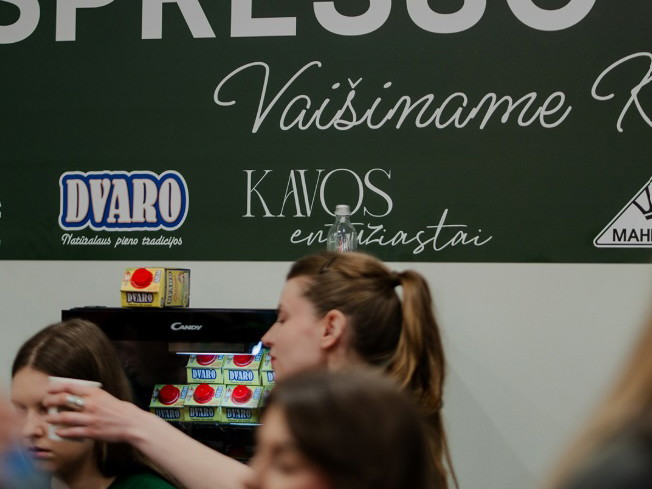
The festival fulfilled this ambition not only through attendance but also through its atmosphere. Throughout the weekend, Refinery Gallery was alive with conversations, tastings, music, educational programs, and spontaneous encounters. The venue connected professionals with people who simply came to enjoy great coffee and a pleasant day.

From Coffee to a Broader Lifestyle

This year’s program also confirmed that the festival has long since expanded beyond the boundaries of a traditional coffee event. In addition to coffee, it focused on non-alcoholic beverages, premium spirits, cocoa, matcha, kombucha, hospitality, health, art, and music.

For this reason, the festival has decided to operate under a new name from 2026 onward: Roast Different Festival. The name change aims to unite the successful festival concept with the Roast Different magazine under a single brand with European ambitions.

A Festival That Did Not End with the Last Cup

What resonated most strongly at the festival was not only the quality of the coffee but the overall feeling. A relaxed atmosphere, crowded spaces, curious visitors, conversations at booths, and a shared desire to discover. During the weekend, Bratislava demonstrated that its coffee culture not only has an audience but also the energy to continue growing.

The Editors
Find out more
1 / 12