Cream Cheese with Eggs for Dessert
Since the Middle Ages, cream cheese made from milk and eggs has been a delicacy in the Swedish region of Bohuslän. Initially served as a side dish, it is now enjoyed as a traditional dessert. However, its preparation has always been shrouded in mystery.
In many cultures cream cheese is well known and it is a product that is easy to make yourself. Milk is heated together with a sour ingredient such as sour milk, lemon, or vinegar, and then left for a few hours to allow the excess liquid, the whey, to drain off. In Bohuslän (Swedish West Coast), eggs have been added as an additional ingredient, giving it the name äggost (egg cheese). It is traditionally served at parties and annual gatherings and has been documented since the 16th century.
Its preparation has always been shrouded in mystery. In Bohuslän, there are many different recipes with different variations in ingredients and measurements. It is said that there are more variations of egg cheese than there are families from Bohuslän. Regardless of the recipe, preparation requires precision and perseverance for the best results. The milk should be full-fat and as unprocessed as possible. In the past, when milk was collected directly from the farm, it was widely believed that the evening milking yielded the best batch. The cows’ milk was richest then, producing an especially creamy, luscious egg cheese. Nowadays, most people add cream to achieve the same result. The quality of the eggs is also described as crucial. They should be fresh and preferably newly laid if possible. How many eggs to use depends on the occasion for which the egg cheese is to be served. The more eggs and the fattier the milk is, the finer the party, but two to three eggs per litre of milk is the rule of thumb.
Once the ingredients have been heated, an acidic ingredient is needed to curdle the liquid and form curds as needed for cream cheese. Some people use vinegar, while others use sour milk in the form of sour cream or yoghurt. The most important thing is not to rush the heating process while stirring, and to ensure that the heat does not exceed the boiling point. Too rapid coagulation makes the end result lumpy and dry, while too short a process makes the egg cheese too loose. It is at this stage that precision and perseverance are important. Some people think that a microwave oven makes it easier, but experienced egg cheese makers disagree. A microwave oven can make it difficult to control the process, the heat can be uneven and it can be difficult to know exactly when it is time to remove the mixture from the heat. On the other hand, you don't have to worry about burnt cheese stuck to the bottom of the pan.
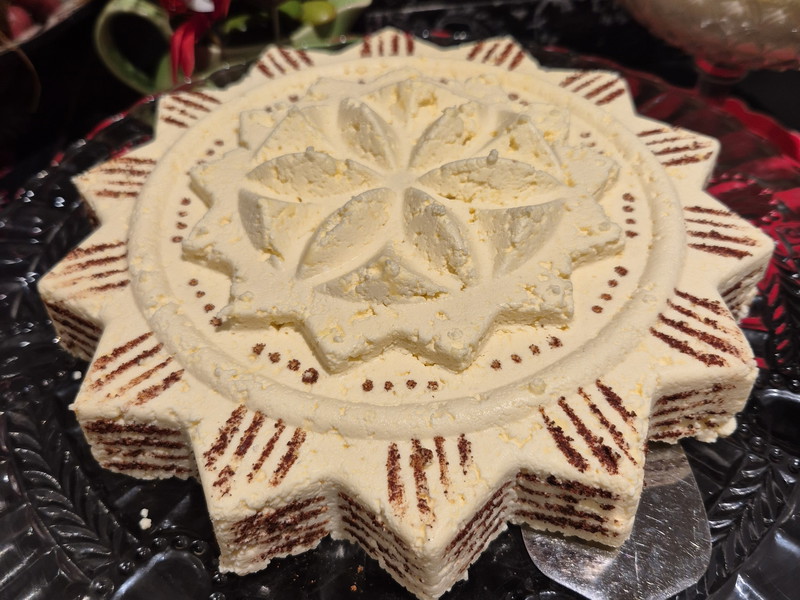
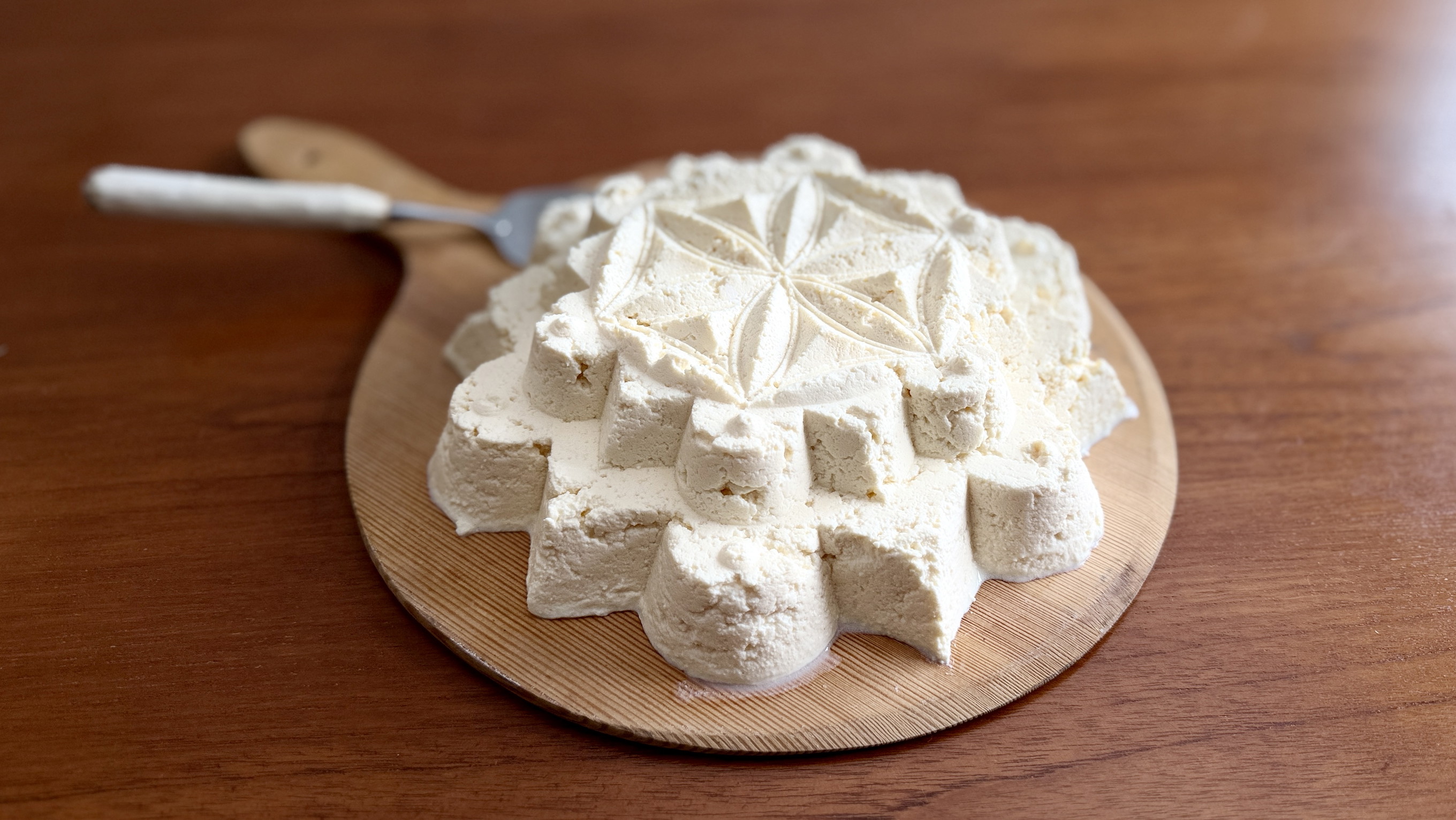
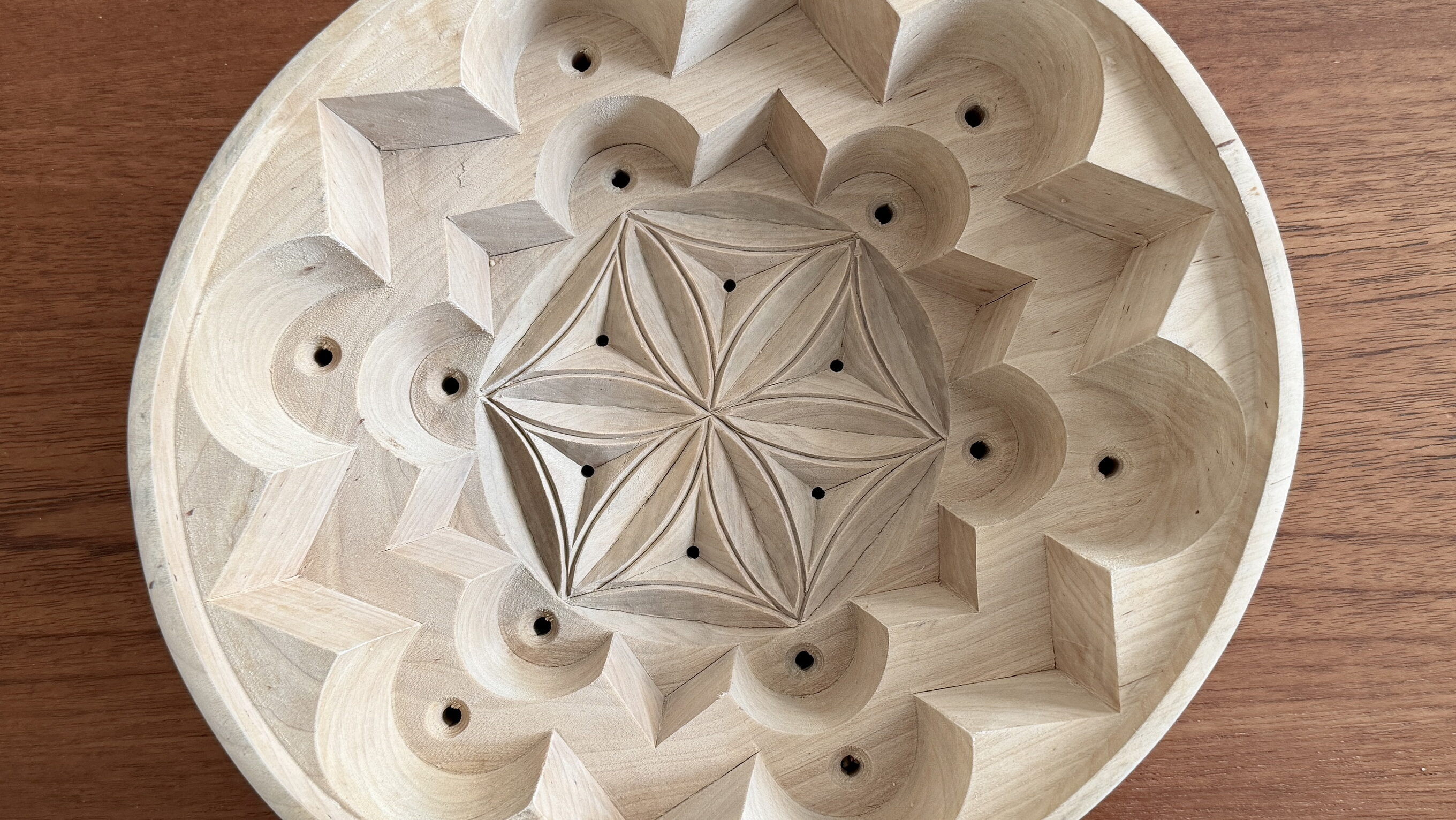
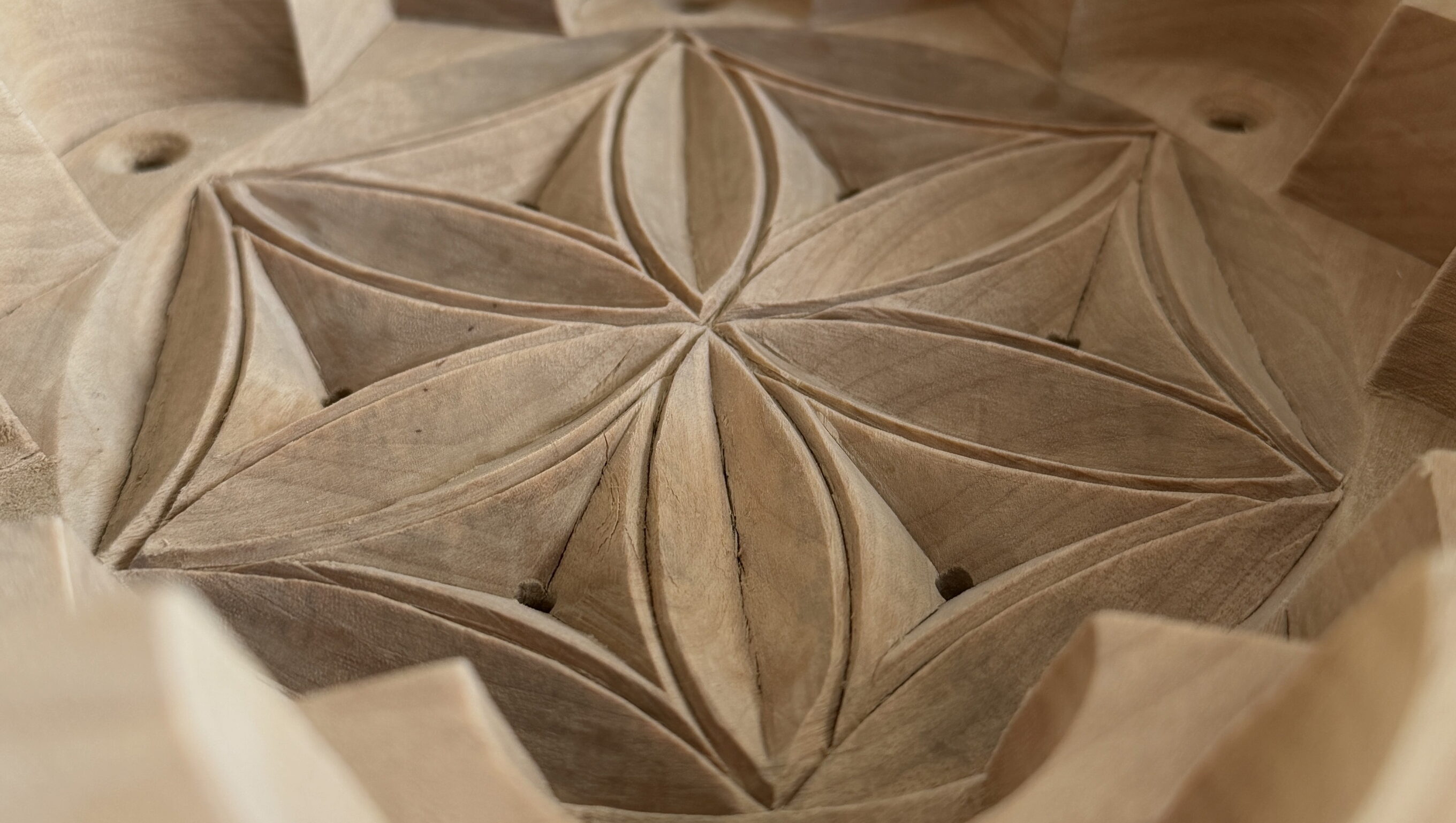
Once the curds have coagulated and rested for a while, it is time to separate them from the whey. Traditionally, a star-shaped wooden mould with holes is used to allow the whey to drain off, but metal and plastic moulds are now also common. If you do not have a traditional egg cheese mould, a colander or a strainer will work just as well, although the aesthetic aspect is lost.
When the cheese curds are transferred to the mould, sweetener is added if desired. Today, it is most common to layer the curds with cane sugar, but this is a relatively new invention. It was not until the end of the 19th century, when healthy, salty baths on the west coast of Sweden began to attract summer visitors, that egg cheese was turned into a dessert. Before that, it was mainly a side dish served with herring, fried pork, and potatoes. With a hint of condescension, Bohuslän locals used to dismiss sweetened egg cheese with jam as something reserved for the summer crowd.
In recent years, interest in egg cheese has increased significantly. Discussion groups on social media have exploded in membership, and since 2023, egg cheese has had a place on UNESCO's list of living cultural heritage. This year, “Egg Cheese Day” was also established, to be celebrated on the last Saturday in March. Traditionally, egg cheese has played a particularly prominent role in the spring, when egg production gets into full swing after the Swedish winter darkness. In the past, it was therefore a status symbol that showed that you had plenty of food on the farm, whereas today it is more a sign that you have a connection to Bohuslän. However, no geographical connection is required to successfully prepare this creamy dessert. On the contrary, it may allow for more flexibility and creativity, which can lead to modern variations. It may also be worth reintroducing it as a protein-rich accompaniment to potatoes.
And, don't forget to use the whey after cooking the egg cheese. It has traditionally been used for baking bread, and it is said that the bread becomes both moister and keeps longer. It is also possible to boil down the whey to a light brown ’mesost’ to use as a spread. This requires a few hours of boiling, but it provides an opportunity to make use of the contents.

Aunt Emma's äggost (egg cheese) recipe:
Ingredients:
- 6 liters of whole milk (not highly pasteurized)
- 15 eggs (fresh)
- 300 ml whipped cream (40%)
- 2 tbsp vinegar spirit (24%)
- 3-4 tsp granulated sugar
Instructions:
- Mix all ingredients at room temperature except for the eggs, which are whisked in a bowl with a hand whisk. Then mix everything together in a large saucepan.
- Take a coffee cup of the mixture and add two tablespoons of vinegar to the cup. Make sure it “curdles”. Then mix the coffee cup into the saucepan.
- Place the saucepan on the stove at the highest heat. Note: Stir the bottom with a wooden spoon constantly, and watch carefully when the cheese curds “flock”. If it curdles, immediately remove the saucepan from the heat and put a lid on it.
- Let it rest for 10-12 minutes and scoop the curd into the egg cheese mold (or a strainer) with a slotted spoon. Layer with granulated sugar to taste.
- Leave the egg cheese in the refrigerator for 24 hours.
- Turn the mold upside down and serve with jam, preferably raspberry, blackberry, or blueberry.
- If you are using a wooden mold, soak it in cold water for several hours/overnight before making your egg cheese.