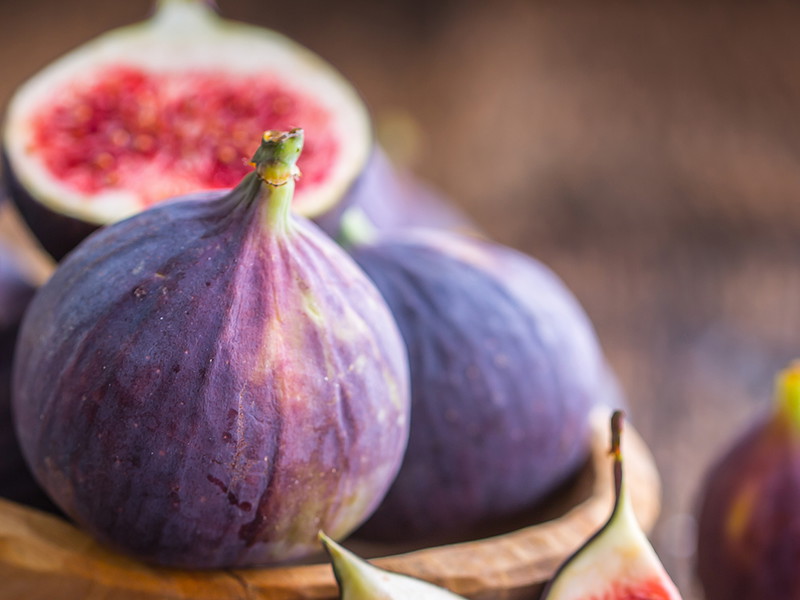
What can figs really do? The fact is that they are a real powerhouse of nutrients and have played an important role in the diets of various cultures for thousands of years. Figs contain an abundance of fibre, making them an excellent choice for healthy digestion, and they also contain high amounts of potassium, which helps maintain healthy blood pressure.
The antioxidant effects of figs are equally impressive: they contain polyphenols, flavonoids and anthocyanins that neutralise harmful free radicals, helping to prevent chronic diseases. They are also rich in B vitamins, which are essential for a variety of bodily functions, including energy metabolism and brain function.
Figs are also a good source of calcium, which is important for bone health, and the omega-3 and omega-6 fatty acids found in figs are essential for brain and heart health. There is also the prebiotics they contain which can support the growth of healthy gut bacteria, in turn promoting overall health.
Taste and tradition in the kitchen
In the kitchen, figs are versatile and used in many traditional dishes. They are an important ingredient in Mediterranean cuisine, where they are often used in salads, as part of antipasti, or in desserts. They can be used raw, dried, or cooked, and go well with cheese, nuts and honey.
Figs have a long history in the kitchen and were an important part of the diet in the Mediterranean region in ancient times. The ancient Greeks used figs in their cooking, and also valued them for their medicinal properties, and in Roman cuisine, figs were often used in desserts and as part of main dishes.
In the Middle East, figs have been an important part of the cuisine for thousands of years and are often dried and then used in dishes, while in India, figs are used in many traditional sweet dishes and in curries. In modern cuisine, figs are also used in sophisticated dishes and are often combined with ingredients such as gorgonzola, prosciutto, or dark chocolate.
When is the season for figs?
Figs are generally ready for harvest twice a year. The first harvest, also known as the breba harvest, usually takes place in late spring or early summer, while the main harvest takes place in late summer to early autumn. In Europe, the main season for figs is around August to October, but it can vary depending on the country and climate. In the more southern parts of Europe, such as Italy or Spain, the season often starts a little earlier than in the more northern countries.