Berries Grown in Northern Light
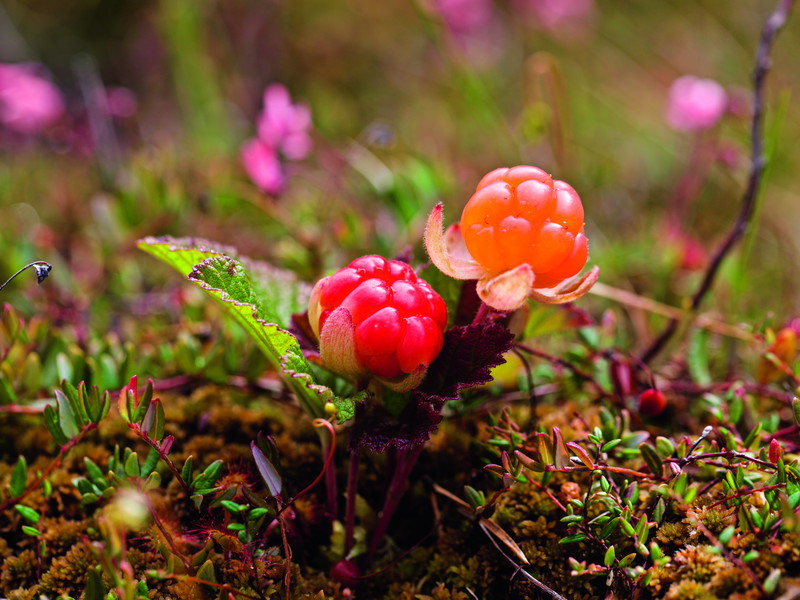
In the far north, long summer daylight grants berries a deep, intense flavor. Forests and meadows offer small, concentrated blueberries; bright, tart lingonberries; golden cloudberries; astringent sloes; and sea buckthorn with its bright, citrus-like acidity. Rarer still is the Arctic bramble, with quiet notes of wild strawberry, raspberry, blackberry, cinnamon–and a faint hint of gingerbread.
Herbs of the Highlands
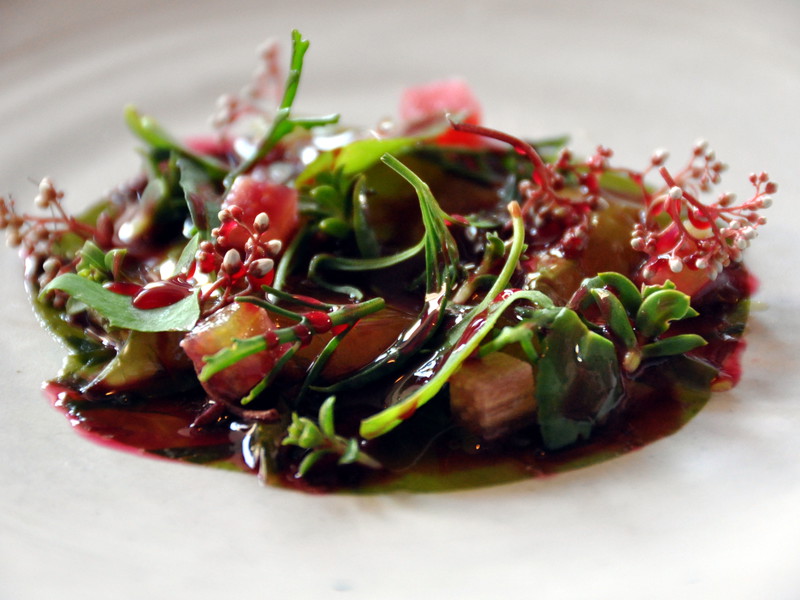
The Nordic mountain landscape has a modest but distinctive plant life, and certain wild herbs play a quiet, meaningful role in northern cooking. Meadowsweet brings a gentle vanilla-and-almond scent; mountain sorrel adds clean, green acidity; angelica carries light tones of anise, fennel, and celery; and edible lichens appear in traditional preparations across the region.
Game of the Open Lands
For centuries, Sámi communities–and other natives of the far north–hunted their food. Today, reindeer, moose, roe deer, grouse, hare, and occasionally bear appear on tables both in simple rural kitchens and in contemporary restaurants across the Arctic.
Reindeer–Humankind's Northern Companion
Reindeer have long provided food, clothing, shelter materials, and tools in Sámi culture. The meat is clear and clean in flavor, lightly nutty and herbal, with only a gentle game note. Because it is naturally lean, it benefits from careful cooking, often served rare and seasoned sparingly. Smoking brings out its essence rather than covering it. Reindeer heart prepared this way is tender and deeply colored. Suovas–lightly salted inner round smoked slowly in a traditional Sámi tent–is eaten sliced or used in straightforward, hearty stews.
Tjälknöl–a Nice Mistake
This chilled roast came about when a home cook forgot a frozen piece of meat in the oven overnight–a pleasant mistake. The next morning it was placed in brine, and a new style of cold cut emerged. It is served thinly sliced and cold, often with potato salad or gratin.
The Flavor of Trees
Forest flavors have a natural place in northern cooking. Baltic herring and freshwater fish may be smoked over spruce or pine needles, and birch sap is reduced into syrup or used in breads, cordials, sparkling drinks, bitters, aquavit, and cocktails.
Curious Northern Fish
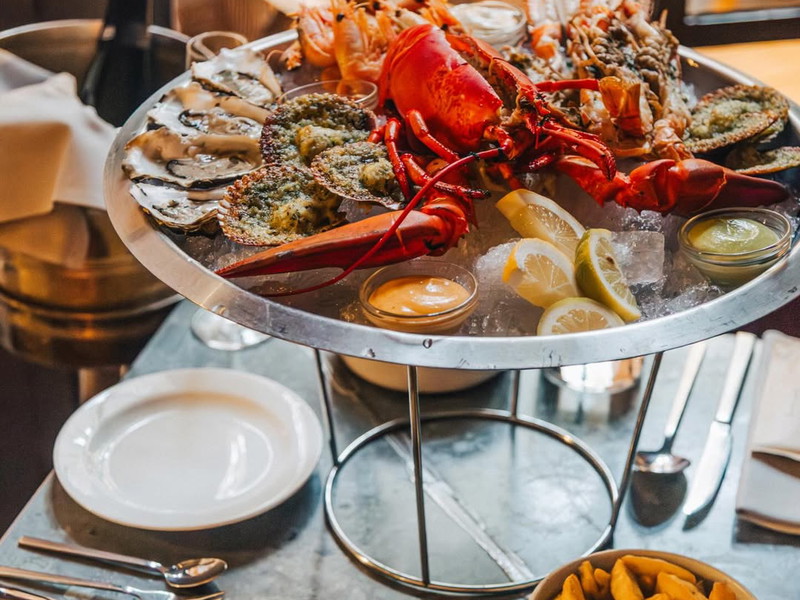
Northern waters offer classic seafood: gravlax and other cured fish; fermented surströmming and rakfisk; and whole dried or smoked fish such as pike, perch, and whitefish–a particular point of quiet pride.