Skip to content
© Picture provided

How New Nordic Changed the World: Two Decades of a Culinary Revolution

Nordics
Restaurant
Fine Dining

The New Nordic Food Manifesto called for a return to local roots—and ended up inspiring a global rethink of food culture. Some twenty years later, its call for seasonality and regional identity is now standard. Yet it continues to spark both creativity and debate.

It’s been just over 20 years since the launch of the New Nordic Food Manifesto—a values-driven ten-point document that, in hindsight, would transform not just the region’s restaurant scene but global gastronomy itself. The idea was spearheaded by Danish chef and food entrepreneur Claus Meyer, and signed by eleven prominent industry leaders, including Denmark’s René Redzepi, Eyvind Hellstrøm from Norway, Mathias Dahlgren from Sweden, and Finland’s Hans Välimäki. At its core, the manifesto called for a cuisine rooted in seasonality, sustainability, and regional identity. Principles that, as Falstaff Nordic’s Managing Director and Editor-in-Chief Tove Oskarsson Henckel explains, had always existed in some form. “The real stroke of genius was creating a manifesto at all, and uniting leading figures behind it. That kind of clarity is easy to communicate. The chefs who gathered around it were key to its success—especially René Redzepi, who became a charismatic, creative leader.” 

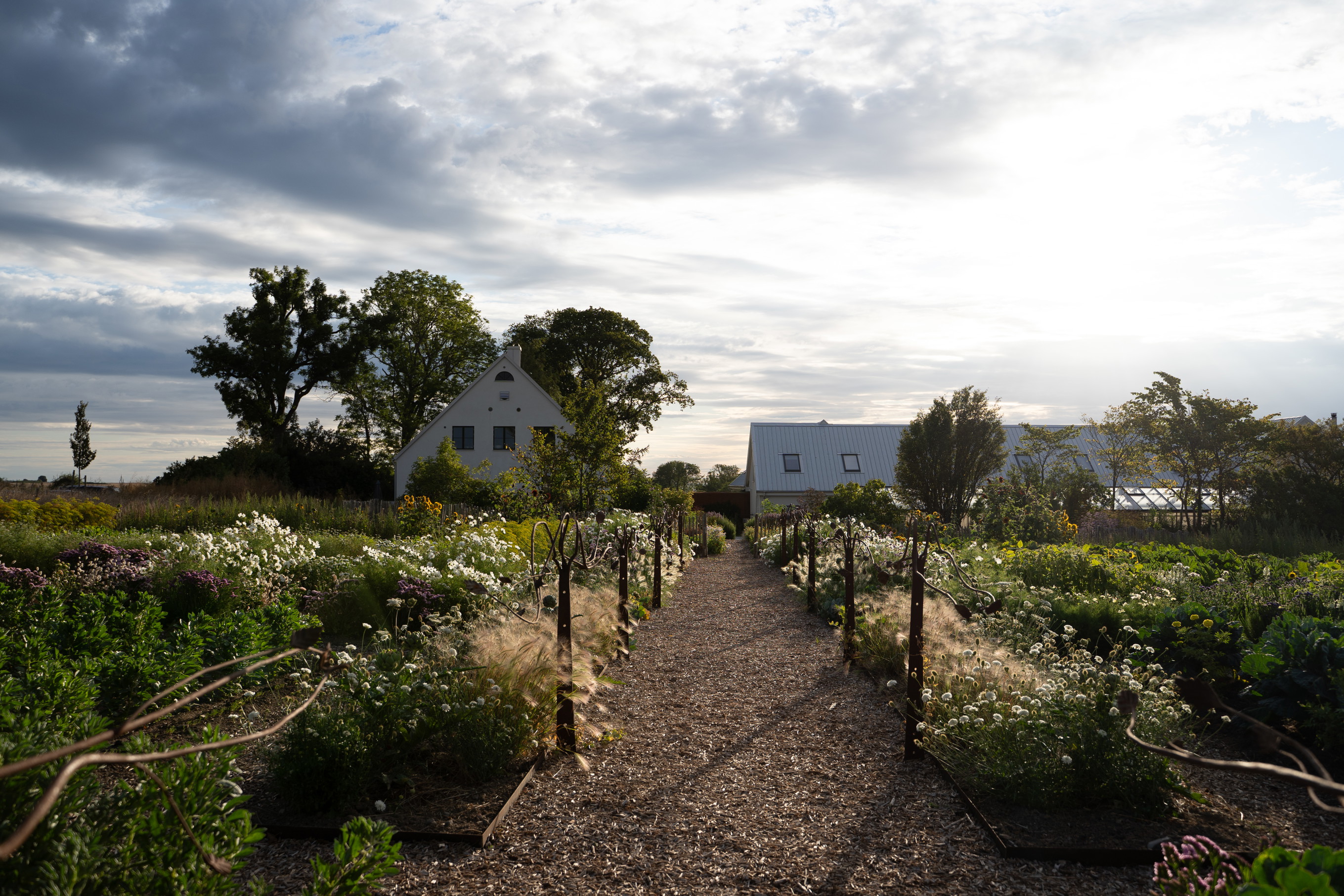
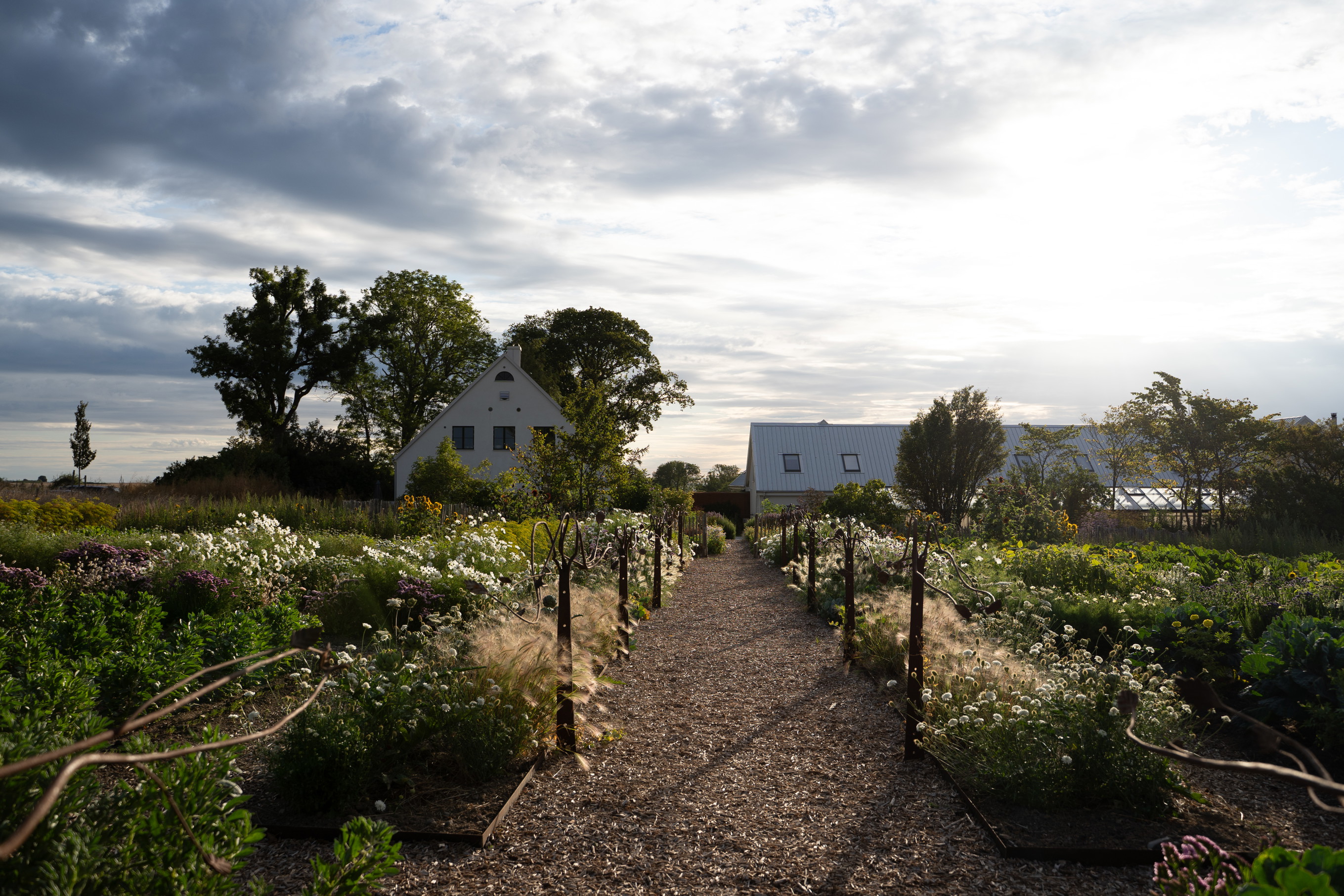
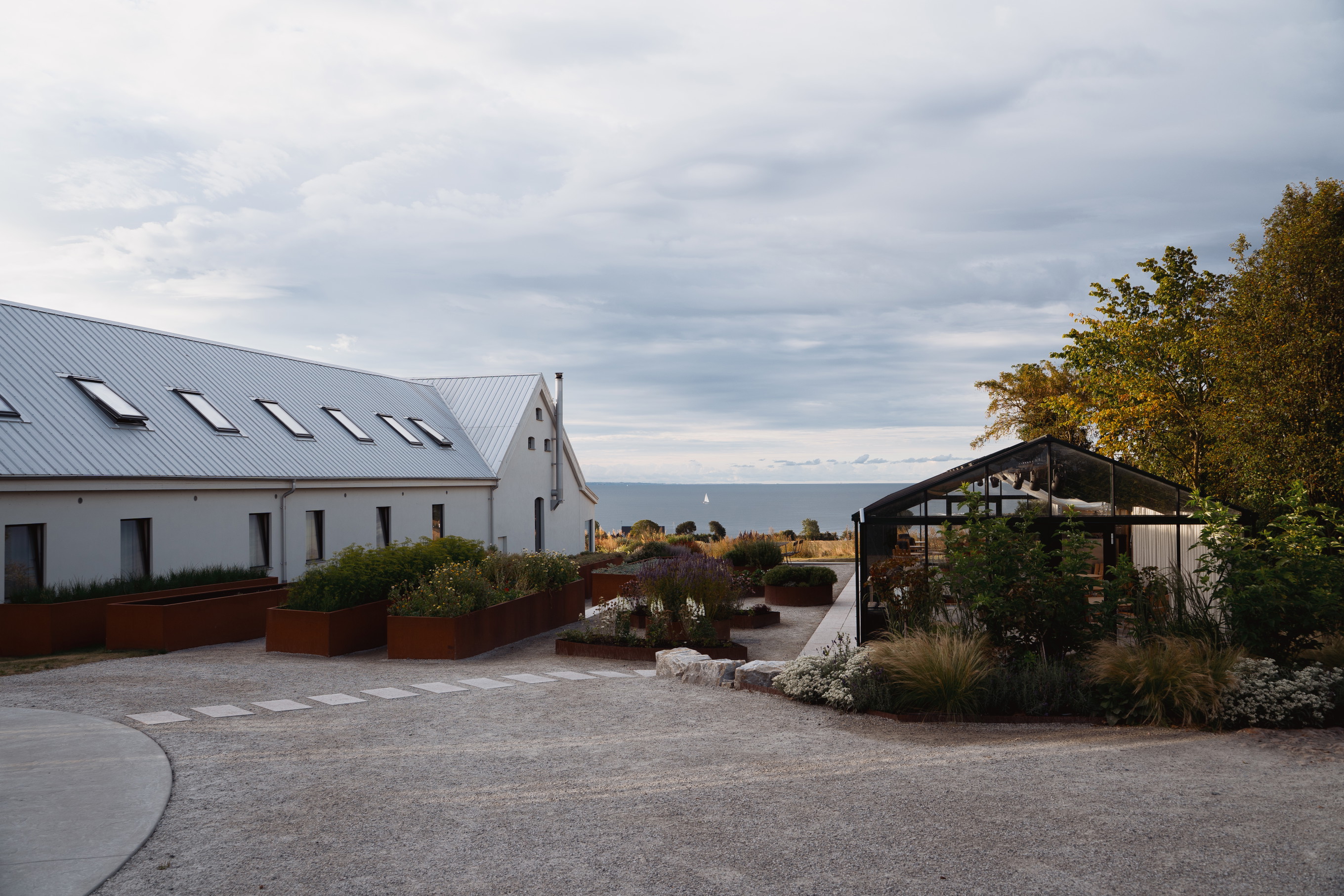
When the manifesto was unveiled in late 2004, Redzepi’s Noma in Copenhagen was barely a year old. What followed—the restaurant’s three Michelin stars and five consecutive years ranked No. 1 on The World’s 50 Best Restaurants list—catapulted the New Nordic vision onto the global stage. Swedish chef Daniel Berlin, founder of the two-starred VYN in Österlensoutheastern Sweden, recalls the excitement of discovering Noma’s seminal cookbook in 2010. “I’d trained in Swedish kitchens, where the traditions were rooted in French cuisine—working with whole animals, embracing the farm-to-table philosophy—but suddenly there was this new pride in our region. They spotlighted the wild, the seasonal, the ingredients we have up north. It was incredibly exciting.” 

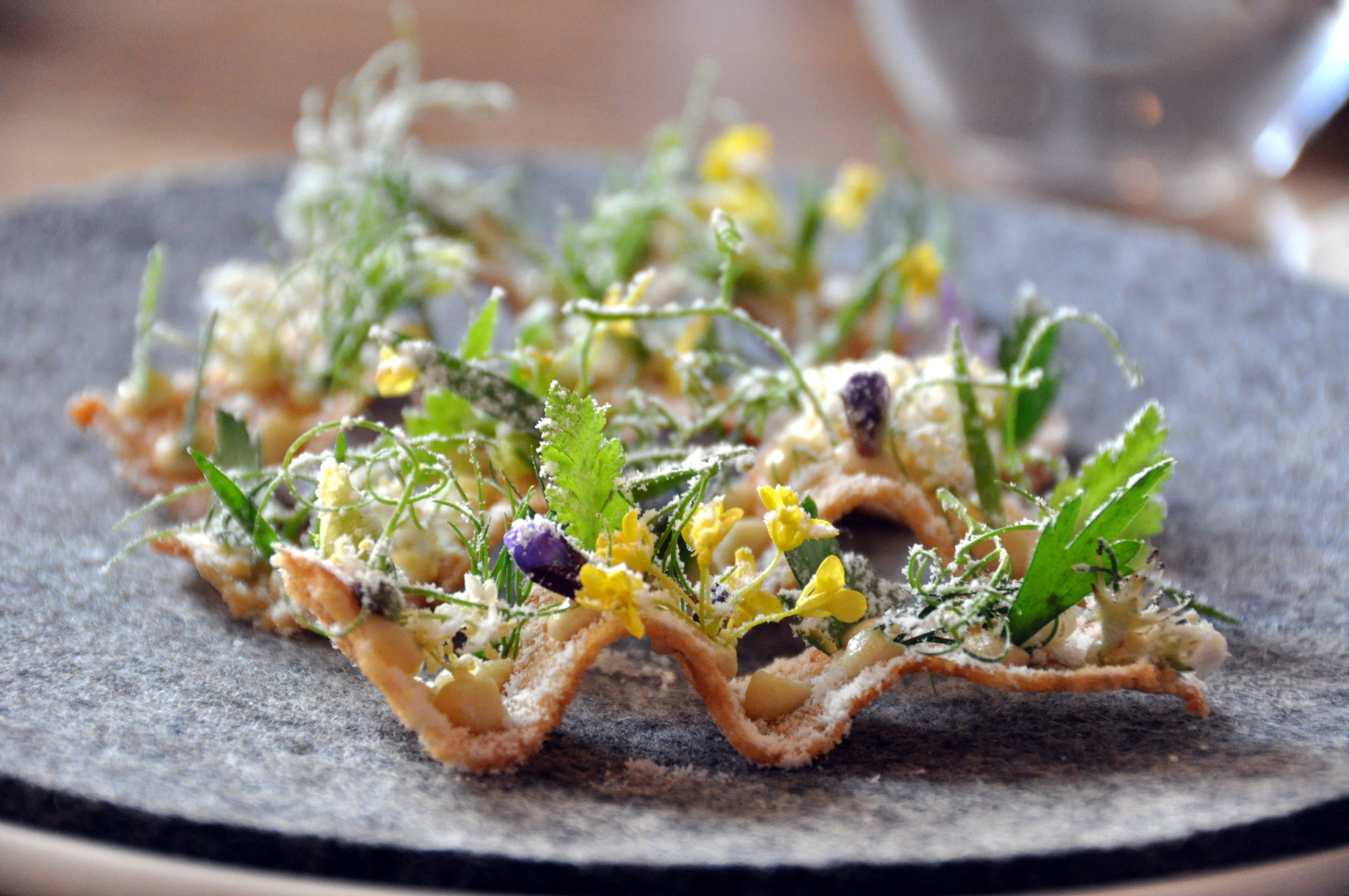
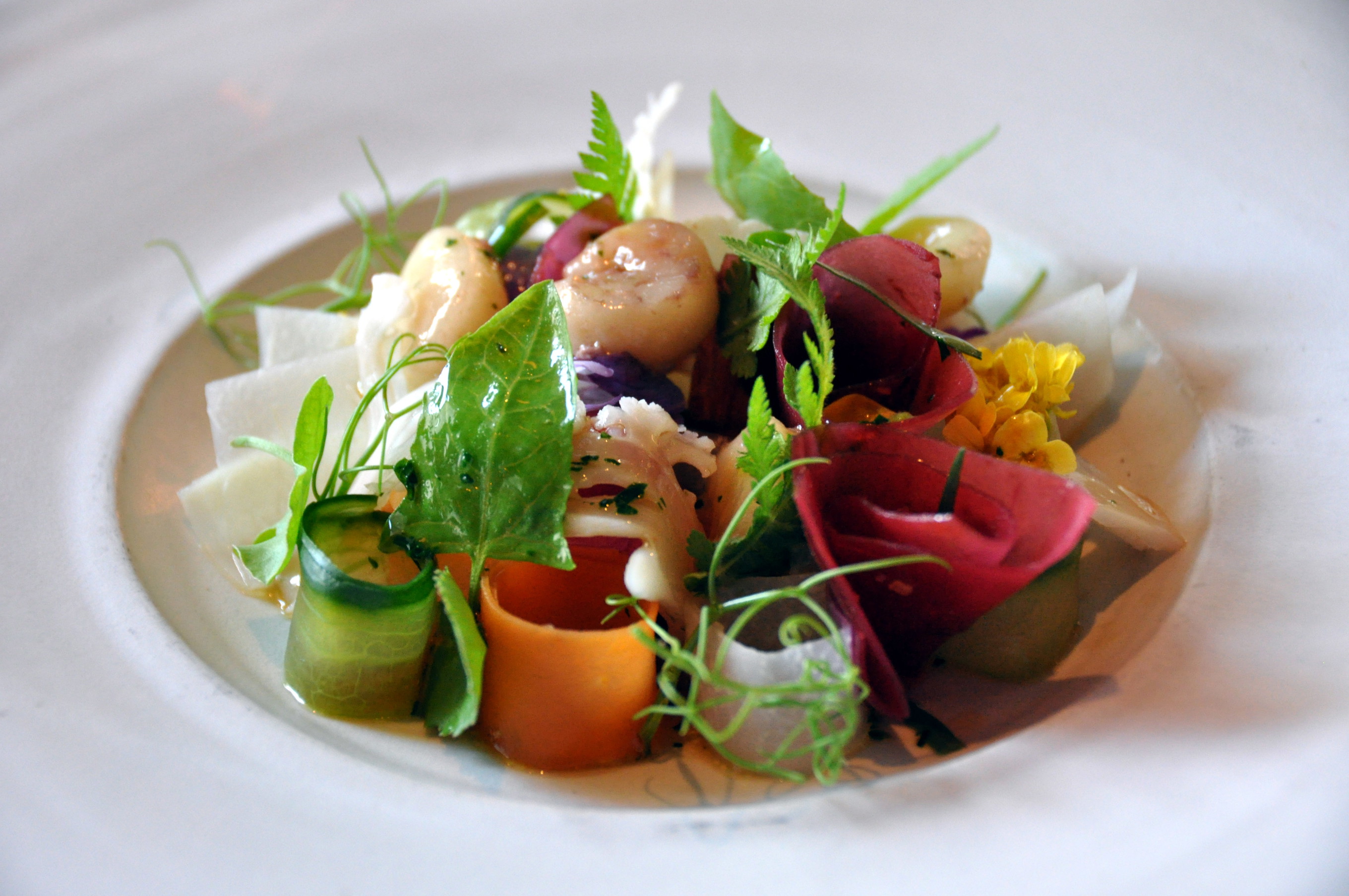
The manifesto, Berlin says, shifted the perspective for a generation of chefs. “It sparked a new way of thinking. Suddenly, we were experimenting with spruce tips, fried leaves, sweet woodruff—a whole new category of ingredients opened up. I started thinking outside the box. As a chef, it’s had a huge impact on me.” 

Renowned Swedish chef and TV personality Niklas Ekstedt—famous for his back-to-basics approach and mastery of fire at his one-starred, eponymous restaurant in Stockholm—describes a similar transformation. In the mid-2000s, Ekstedt’s culinary heroes were in Spain and Italy; his focus was on craftsmanship and energy in the kitchen. When he began cooking with fire, it was a reaction against the modern, clinical kitchen. He was searching for something more direct, more physical. “In retrospect, I see that what I was after—being close to the ingredient, respecting the seasons, keeping flavors simple—aligned perfectly with what the manifesto was about.” 

Across the Nordics, the movement inspired an extraordinary number of chefs and restaurants. Fäviken Magasinet under Magnus Nilsson became a global symbol of hyper-local, wild cooking deep in the Swedish countryside; other standouts like Geranium in Copenhagen, Dill in Reykjavík, and Credo in Trondheim helped carry the New Nordic torch. “The Nordics weren’t the first to reinvent their traditional cuisine—you saw similar developments in Spain with the New Basque cuisine led by Juan Mari Arzak. But I’m convinced that New Nordic, alongside molecular gastronomy, has shaped global cuisine more than anything else in modern times,” observes Tove Oskarsson Henckel. 

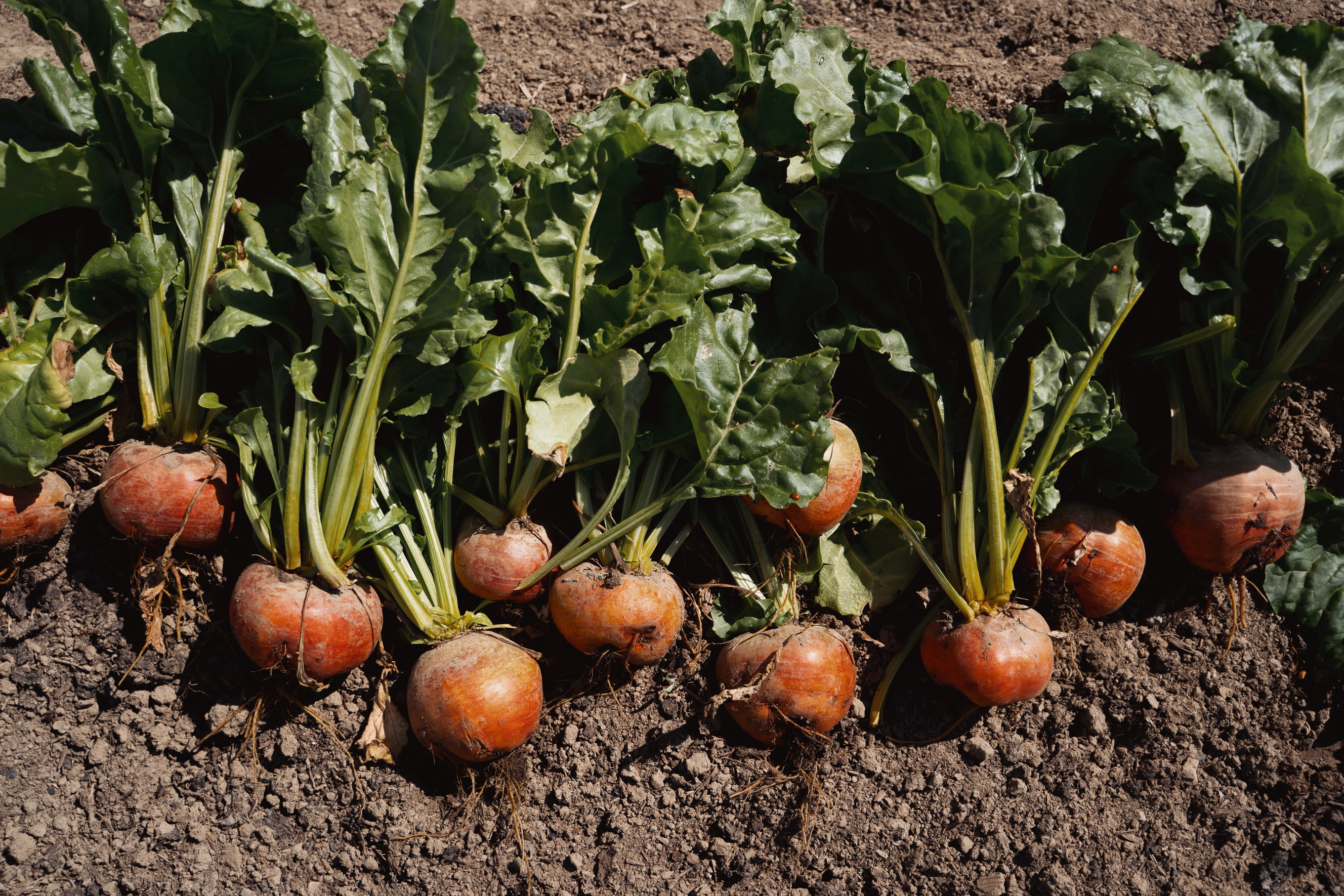
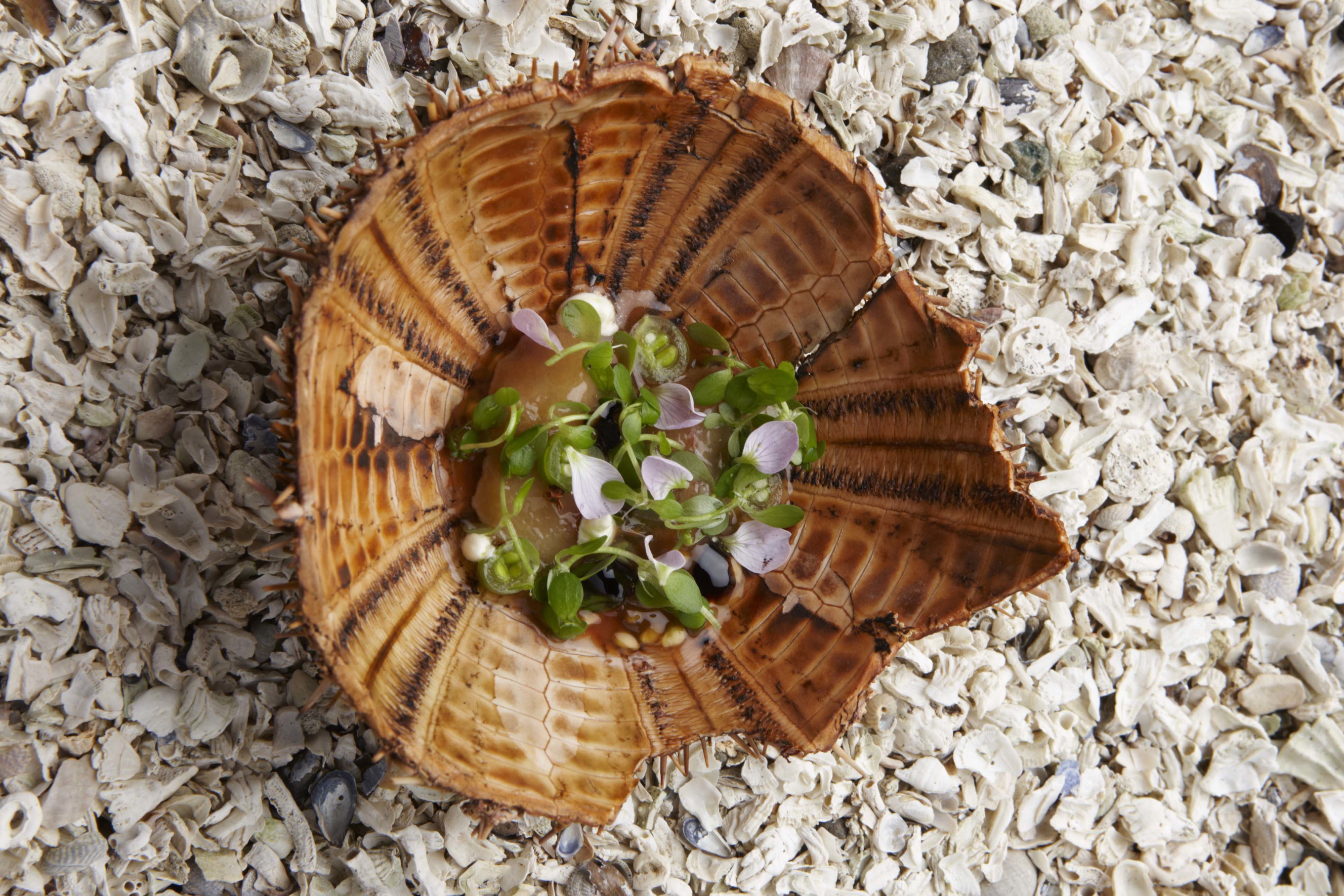
A defining legacy of the manifesto has been the embrace of local ingredients, taken perhaps to its most radical extreme at KOKS in the Faroe Islands. Here, chef Poul Andrias Ziska became renowned for working with whatever could be found just beyond the restaurant’s door. Once you stop viewing the whole world as your pantry, Daniel Berlin points out, “you have to think more carefully about what you cook with, and those boundaries can be a real asset. Sure, foie gras is delicious, but what’s growing and thriving right outside my door?” He adds that it’s now instinctive for chefs to ask, “What’s at its best right here, right now?. 

The impact of New Nordic also quickly moved beyond the Nordics. Restaurants from Nobelhart & Schmutzig in Berlin and Aska in New York to The Silver Birch in London and Inua in Tokyo have been shaped by its ethos. Cookbooks and cooking shows have spread its gospel worldwide. Naturally, such an influential movement has had its detractors. Critics have called it fussy and elitist, obsessed with obscure ingredients, tweezers, and conceptual plating. Even Niklas Ekstedt admits to feeling on the outside at first, seeing the manifesto as academic and full of metaphors he didn’t quite understand. Recently, writers like Monocle’s Petri Burtsoff and The Guardian’s Dan Hancox have questioned whether New Nordic has outlived its usefulness or even betrayed its own ideals. Much of what was radical twenty years ago has become standard practice, while formal fine dining has waned in popularity. A generational shift is underway: today’s young chefs have grown up seeing New Nordic as the default, not the exception. “They’re not abandoning the core ideas, but they want to work more freely. They’re searching for new pathsand that’s only natural,” says Tove Oskarsson Henckel. 

For Niklas Ekstedt, the movement’s greatest legacy is the confidence it instilled. No longer do chefs automatically look to France or Italy for inspiration; Nordic cuisine is regarded as independent and valuable. “It was a mental shift, and it’s still with us. We owe Claus Meyer a huge thank you, he really did something extraordinary for this region.” Yet, Ekstedt reflects, outside the Nordics (and even among international visitors), Nordic cuisine is often mistaken for a set of aesthetics such as wood and stone, everything fermented or smoked, “like Noma.” “That’s both charming and a little misleading, because it’s not about a style… it’s about a way of thinking. It’s about creating dishes that reflect the region you’re in.” 

This philosophy is why Daniel Berlin has never labelled his own cooking New Nordic. For him, it’s about working in harmony with the land and local producers. “I love it when the producers we partner with drop by with a basket of mushrooms, or the season’s first fallow deer hunted nearby.” Thus, the best interpretations of Nordic cuisine abroad aren’t imitations, but chefs championing their own region. As Niklas Ekstedt puts it, “these days, talking about ‘New Nordic’ almost seems redundant. It’s simply the way we cook now.” He believes the next chapter will be less about geography and more about identity. “Chefs confident in their roots, but curious about the world. Fire, simplicity, and ingredients will probably always be part of it, but in a more global context.” 

Tove Oskarsson Henckel sees the ongoing evolution of New Nordic cuisine as both natural and essential. Many current restaurant trends across the region can be traced back to the movement, she points out, but the boundaries between French, New Basque, New Nordic, and molecular gastronomy are becoming increasingly blurred as chefs drive the craft forward. “There’s so much creativity emergingI’m really impressed. The Nordic food scene is shining brighter than it has in a long time.” 


Linda Iliste
Author
Find out more
1 / 12