Skip to content
© Shutterstock

From Trattoria to Izakaya: why the pub concept works around the world

Restaurant News
Restaurant
Pub

Where do the French enjoy the good life? Where do Italians get together with their families? Where do the Japanese go after a hard day's work? The notion of a cozy local bar and restaurant has many names. Here are seven variations from around the world.

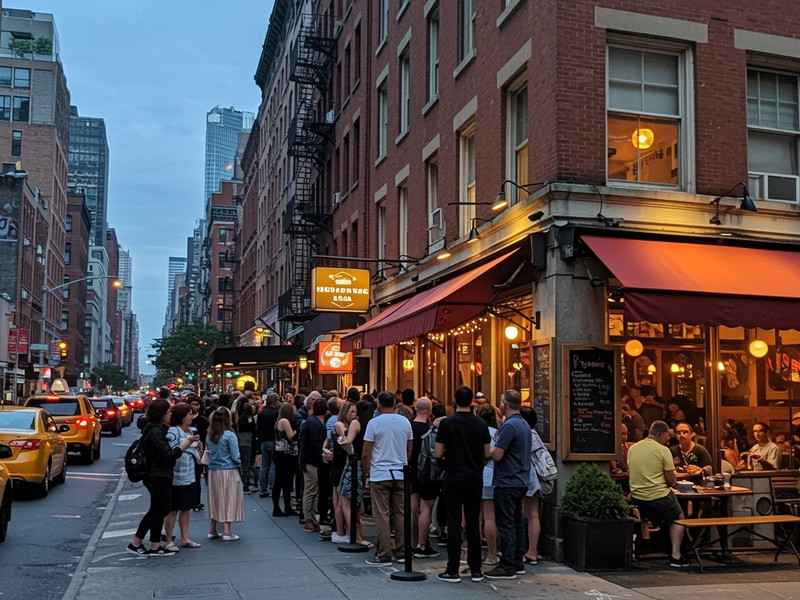
We all know and love it: our local tavern, inn, or pub. The notion of a home away from home that serves drinks and comfort food is near universal – and while the concept cannot always be translated perfectly to other countries and traditions, there are cross-cultural similarities: They are places for everyone, not elite establishments. The dishes are down-to-earth and comforting, and alcoholic drinks are often served. This is where the a culture's soul is revealed. People talk off the cuff, sometimes crudely. They discuss the latest rumors and rant about politics. And they celebrate life, both the big wins and the small triumphs. Whether in Greece, Mexico or Japan, the notion of a pub – or cantina, taverna, izakaya or bistro – promises more than just a hot meal and a good drink. It's all about socializing, exchanging ideas, banter, and simply having a good time in a relaxed atmosphere.

France's bistros – conviviality and good food at all hours

© Shutterstock

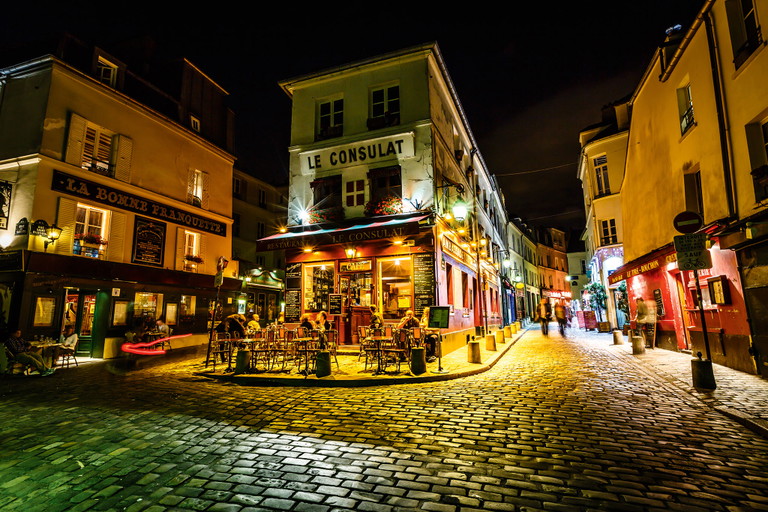
French bistro cuisine has changed international gastronomy, fused with other culinary styles and won countless awards over the years, moving from sidewalk cafés into swanky restaurants. But the essence of the bistro is simple: French classics like croissants and croques, quiche and onion soup, pot au feu and tartare de bœuf served in a relaxed atmosphere. Compared to the brasserie, which has its origins in beer taverns, the dishes on offer tend to be modest in number. Guests are welcome any time of day, as if it were a public living room, and enjoy the  privilege of "feeling at home and, at the same time, away from home, being both welcome and ignored", as the ethnologist Marc Augé put it in his love letter to the Parisian bistro.

The bistro is a "stage for everyday drama," that is performed by the patrons, with the owner or manager as the master of ceremonies. Stories are overheard here that inspire your own imagination. Above all, however, the bistro is a place that represents French savoir vivre like no other. Despite all the impositions of everyday life, you should never lose your sense of pleasure, style and aesthetics – or refuse a glass of chablis or champagne.


Italy's trattorias and osterias - The cradle of hospitality

© Shutterstock

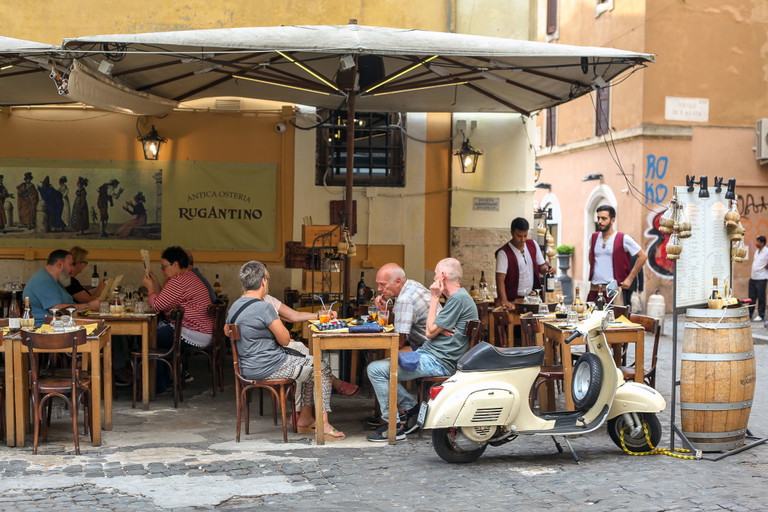
Rustic wooden tables, red and white checkered tablecloths, family photos on the wall and warm hosts who wish you "Buona Sera": this is how we imagine a typical Italian restaurant. In Italy, trattorias and osterias stand apart from the more conventional ristorante as generally family-run establishments with rustic charm and very reasonable prices. The recipe for success is simple: "For me, a family atmosphere and simple dishes are what make a trattoria," says Franca Cuneo from the trattoria "Cuneo 1905" in Hamburg, one of the oldest of its kind in Germany. What's key is the sense of togetherness. "It's a meeting place where you can eat, but you don't have to." In a trattoria, you usually get several courses: appetizer, pasta, secondi piatti, dessert. The osteria tends to serve á la carte, but the wine list is equally important. However, the two terms are often interchangable. And there's been a longstanding trend of creating high-end versions of these simple eateries offering top-tier cuisine (with prices to match), as seen in such gourmet temples as the "Osteria Francescana" in Modena. There is, of course, one rule you should always follow: if you really want a pizza, you should go to a pizzeria.


Japan's izakayas - unwind with sake and sinfully delicious snacks

© Shutterstock

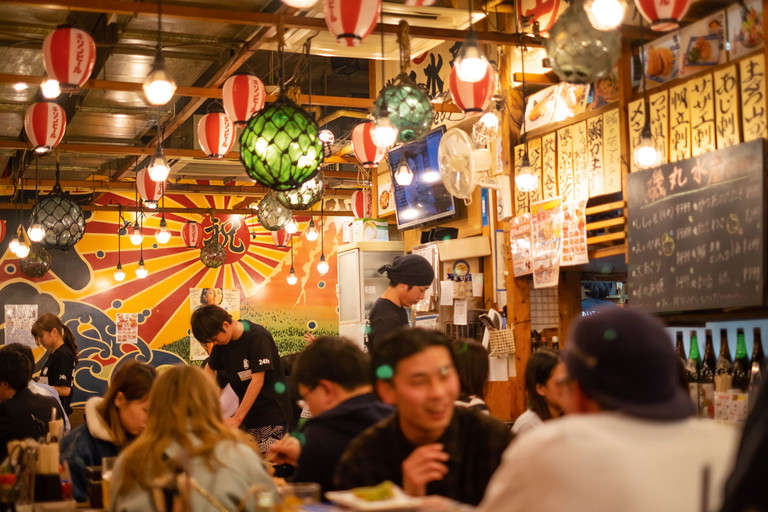
The izakaya is a Japanese institution where you can meet up with colleagues after work to enjoy a convivial meal and end the day with beer and sake. This promotes social cohesion – especially when the booze flows freely. Nomikai is the name given to such cheerful gatherings. However, it is not necessary to come as a group when visiting an izakaya. "There's often a single seat at the counter where you can have fun on your own," says Haruhiko Saeki, founder of Brickny Europe, which runs several Japanese restaurants in Düsseldorf. Start with a light sashimi or classic starters such as yakitori and tempura, followed by a rice or noodle dish such as ramen. The Japanese izakaya fits in perfectly with a society where most people place their job first. "Japanese people tend to work long hours, and the izakaya is an essential institution for recovering from exhaustion and recharging your batteries for the day ahead," explains Saeki. At least as long as you don't overindulge.


Poland's Milk Bars - The socialist snack bar

Bar Bambino.
© Antoni Wladyka
Bar Bambino.

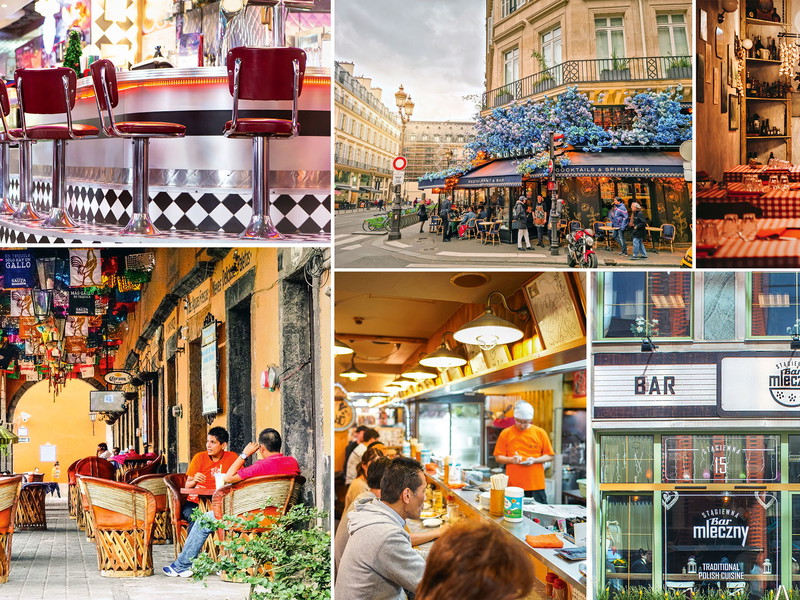
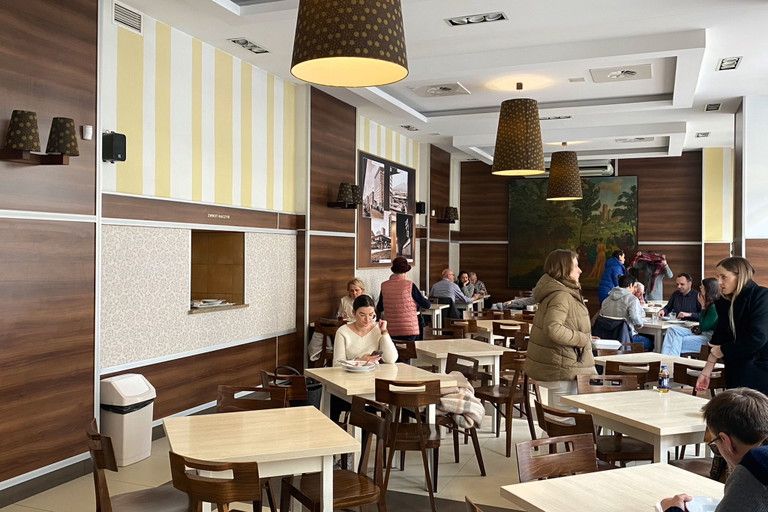
A traditional country inn in Poland is called a "karczma". But the truly icon of Polish food culture is the milk bar, or "bar mleczny". The menu is displayed on the wall above the cashier, you order and take your ticket to the next window, where simple local comfort food is served, such as beet soup (barszcz), stews, cabbage rolls, dumplings (pierogi) and sweet milk soup with noodles, a breakfast favorite. The first milk bar in Poland was opened in Warsaw in 1896. Its owner owned several cows and had to get his perishable merchandise to customers, so he sold dairy products. The concept caught on and others followed suit: The milk bar became the people's canteen and set up shop in schools and factories. For Warsaw expert Antoni Wladyka, it is the most democratic place in Poland. "The whole nation came together here," he says. "It looked like grandma's kitchen." The communist party then appropriated the milk bar as a socialist invention, because it fit their ideology: everyone is equal. But above all, equally poor.

With the collapse of the Eastern Bloc, the canteen for the masses plunged into crisis, with fast food restaurants like McDonald's springing up all over Poland. But nowadays, the milk bar is considered is a popular cultural asset and is experiencing a comeback. However, an authentic bar mleczny can be hard to find; often, only the name has survived, not the concept.


Greece's tavernas - free-flowing ouzo and tzatziki

© Shutterstock

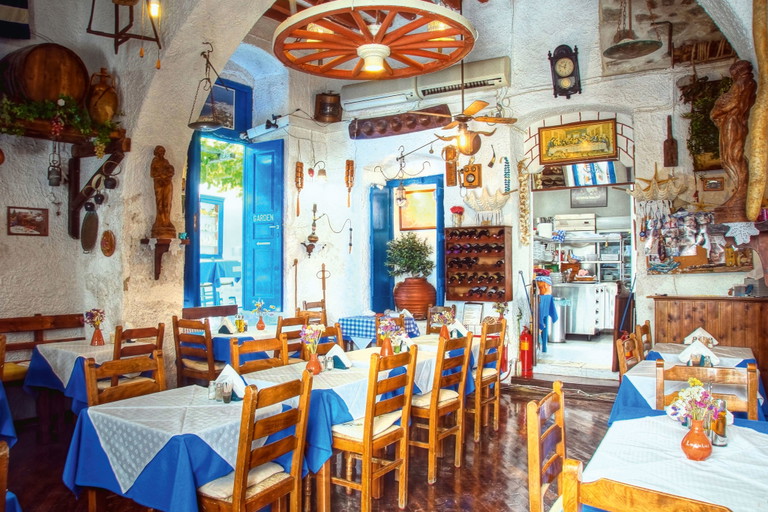
It is the same spectacle every time: The first ouzo goes down like water; the second also feels fine. One more on the house! The third hit at the latest might make the table a bit uneasy, but there seems to be no end in sight. The waiter's eyes radiate a joy that you simply can't ignore – even if it means a hangover. In the taverna, eating and drinking are two sides of the same coin. Hardly any other place feels so Greek, so hospitable and warm-hearted. Spanakopita and saganaki, dolmades and fasolada, souvlaki and octopus are served. The specialities are – of course – shared. So you sit together and chat until late into the night. A stop at a taverna is as much a part of a Greek vacation as the Acropolis is to Athens. But it's hard to imagine many cities abroad without these quaint, family-run businesses, whose names are often reminiscent of beloved Greek vacation spots. In bleak winters, you can close your eyes and dream of the Mediterranean, of a terrace in front of a whitewashed house with a view of the wine dark sea.


America's diners – roadside relief

© Shutterstock / Jon Chica

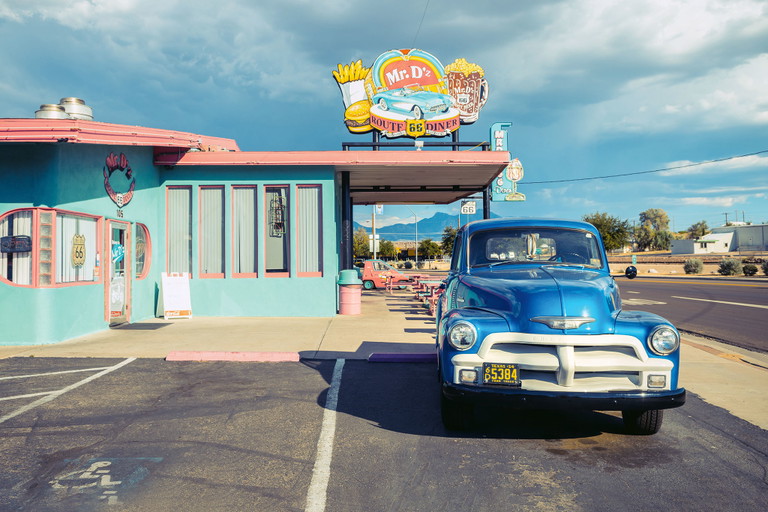
Americans don't like to walk – driving is a lifestyle, and is common even for the shortest distances. Therefore, diners are a symbol of the American way of life and part of the country's cultural inventory. Singer-songwriter Martin Sexton sang about it: "Diner my shiny shiny love, in the night you're all I'm thinking of." In the cult series "Twin Peaks", many scenes take place in the "Double R Diner", while the cultural cliché of teenagers sipping milkshakes in a booth has been part of the American collective subconscious since the 1950s.

The first diners, which emerged in the 19th century, were mobile food carts who catered to laborers. Over time, they became more permanent, with bar stools and seating areas under a steel shell, transforming into roadside restaurants for the whole family. Coffee and cake, burgers and sandwiches are available around the clock, usually served by a sassy waitress. The diner can exude a strange melancholy during the wee hours, as captured by Edward Hopper in his world-famous painting ,"Nighthawks" – a late-night sanctuary for the lonely and lost.


Mexico's cantinas – probably the world's best watering hole

© Shutterstock / Dennis MacDonald

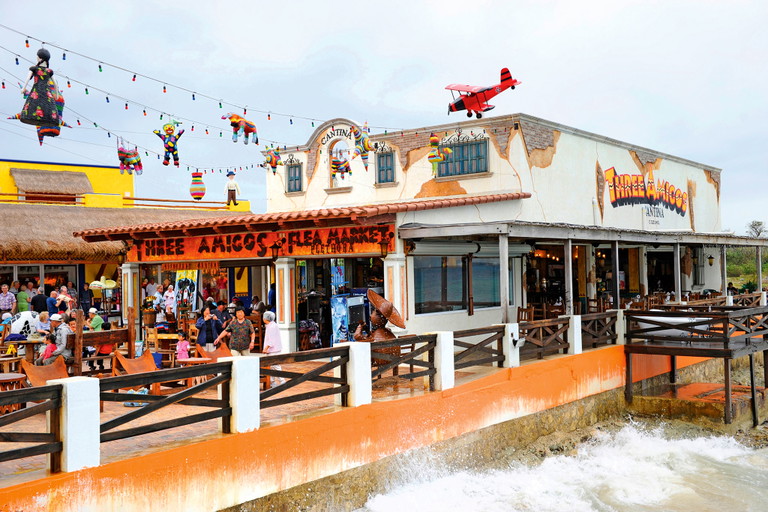
It's more of a bar than a pub, but it's a far cry from the generic, chic and polished ones you find in all major cities: Mexico's cantinas. They serve beer and tequila, plus botanas (appetizers). The resemblance to a wild west saloon is no coincidence: Business-minded Mexicans opened the first cantinas for thirsty gringo soldiers back in 1847, when the United States waged war against Mexico and occupied the capital. At the time, nobody could have forseen that these opportunistic establishments would become a cultural icon. For decades, the cantina remained a disreputable dive for semi-seedy characters and serious drinkers only. They're still around today, but today, women are also allowed. A legendary cantina in Mexico City is the "Salón Tenampa" on Plaza Garibaldi, where mariachi singers roam the historic city center.


Don't miss out!

Sign up now for our newsletter.

Philipp Laage
Author
Find out more
1 / 12