Skip to content

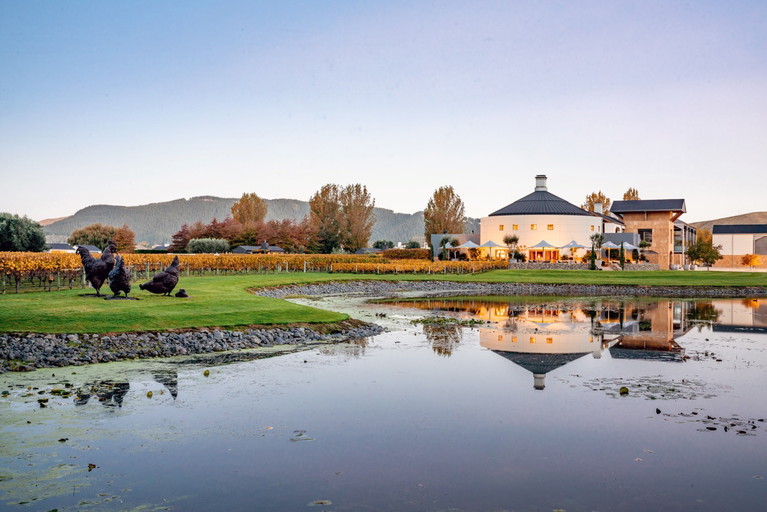
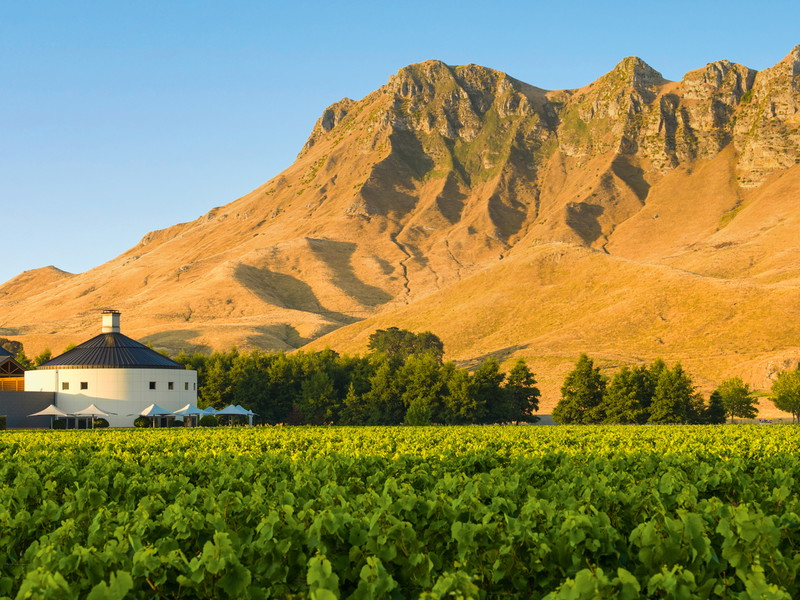
The Craggy Range vineyard, framed by the dramatic backdrop of Te Mata Peak.

The Craggy Range vineyard, framed by the dramatic backdrop of Te Mata Peak.
Photo provided

More than Sauvignon Blanc: New Zealand's new wine culture

Wine
New Zealand

Best known for Sauvignon Blanc from Marlborough, a new wine culture is gradually emerging in New Zealand, characterized by varieties such as Pinot Noir, Chardonnay or Syrah and a growing pride in Māori roots.

Sauvignon Blanc is a stroke of luck for New Zealand: Easy to understand, highly recognizable, globally marketable, it's a bestselling wine that delights the masses. Of the 361 million liters of wine that New Zealand produced in 2023, 78 percent was Sauvignon Blanc – mainly from Marlborough, where around 25,000 hectares are planted with the variety. That is a whopping 60 percent of the total vineyard area of the country.

The dominance of the variety is also reflected in its export share. New Zealand exports around 90 percent of its total wine production, and Sauvignon Blanc accounts for a good 85 percent of this. New Zealand equals Sauvignon Blanc? Based purely on the statistics, the answer is definitely yes! The success of the grape variety, which originates from the French Loire region, has shaped the country's international image to such an extent that most other facets of local viticulture have a hard time being recognized. A fate reminiscent of Peter Jackson – the New Zealand director who achieved worldwide fame with "The Lord of the Rings" and has been inextricably linked to Middle-earth ever since – despite a filmography that extends far beyond Tolkien.

Likewise, many New Zealand vintners are struggling to be recognized when presenting other grape varieties and styles. A pity, as the diversity of New Zealand wines today is greater than ever, both in terms of style and quality.

The adolescence of a wine country

While Sauvignon Blanc delights the masses, the country's top-rated wines according to international critics have long stemmed from other varieties. Pinot Noir, for instance, which has developed into the country's most exciting red grape variety over the last two decades. Regions such as Martinborough or Central Otago, the southernmost wine region in the world, have proven year after year how differentiated Pinot can be in New Zealand.

The style has changed considerably. "In the early years, a lot of it was fruit-driven, loud and meant to stand out," explains winemaker Blair Walter of the Felton Road winery in Bannockburn, Central Otago. However, as vines age and experience grows, so does the confidence in the terroir. Today, it is about earlier harvests, extracting less and minimizing interventions in the cellar. This development is not only stylistic, but also cultural, and is similar to what Nordic cuisine underwent over the past two decades, moving away from imitation and toward the development of an independent identity. Comparable to adolescence, it's the natural development of a wine country whose history is incredibly young.

Late bloomer 

New Zealand is the youngest of the New World's major wine regions, and although the first vines were planted in 1819, viticulture was commercially insignificant there for a long time. Agriculture was dominated by livestock farming and alcohol consumption was heavily regulated by law; in addition, New Zealanders – mostly of British descent – preferred beer and spirits to wine. The tables only turned when alcohol sales became less regulated at the end of the 1960s and New Zealand lost some of its vital export advantages for meat and dairy products following the UK's accession to the European Economic Community in 1973.

Many New Zealand farmers then sought new sources of income and converted pastures into vineyards. The young industry received an additional boost from investments by Australian and American companies. From 1960 to 1980, New Zealand's wine production rose from four million to 50 million liters. The international breakthrough followed in the mid-1980s, triggered by the aforementioned Sauvignon Blanc from Marlborough. Within a few years, the grape variety became iconic. At that time, there was no trace of Felton Road, for example, which produced its first wines in 1997 – never mind newer players in Central Otago such as Paul Pujol from Prophet's Rock, Kahiwi or Moko Hills. These are all producers whose wines stand out because they strive for terroir expression, elegance and freshness.

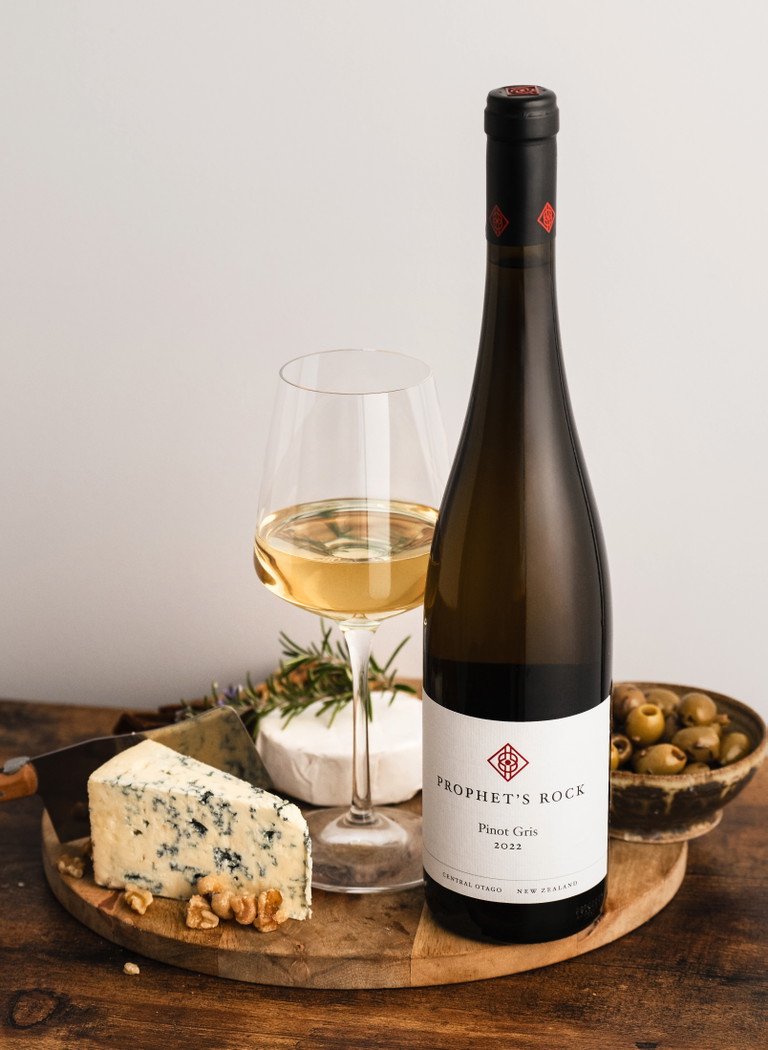
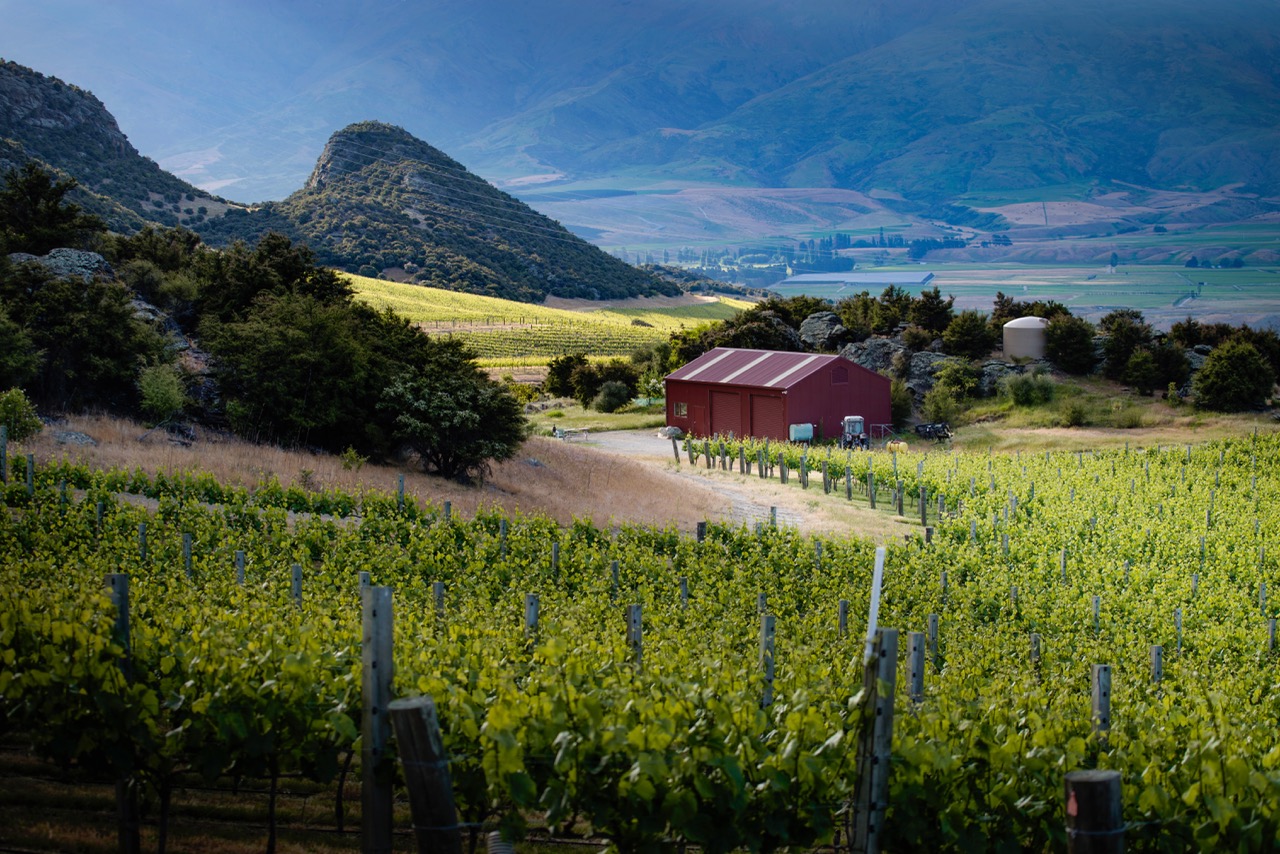
Paul Pujol's Prophet’s Rock is representative of the modern style cultivated in Central Otago.
pic provided
Paul Pujol's Prophet’s Rock is representative of the modern style cultivated in Central Otago.

More than terroir

New Zealand's viticulture is now on the rise, and much faster than anywhere else in the world – especially in Europe. This may be due to the fact that the country's wine-growing history is still young, but is also thanks to the large proportion of New Zealanders who are immigrants starting a new life. A step that requires flexibility and seems to have become part of the national DNA. Paul Pujol sums up this flexibility in their viticulture: "We don't have rigid regulations like in many European appellations. This gives us a certain responsibility – but also the opportunity to create truly original, local wines."

Tūrangawaewae is a key term that has become increasingly popular in recent years and describes a noticeable cultural shift. More and more producers are engaging with indigenous Māori culture, integrating traditional values into their wines and contributing to the revival of local wisdom. Tūrangawaewae, which literally translates as "a place to stand", describes a concept that is similar to the French term terroir, but has deeper spiritual and cultural dimensions.

It's about home, roots, ancestral connections and not just cultivating the land, but preserving it. A holistic concept that could not be more relevant in times of climate change and a rapidly changing world and is emblematic of the growing importance of Māori culture in shaping an independent, future-oriented New Zealand wine culture.

Wines with roots

Te Reo Māori, the language of the indigenous people of New Zealand, is also experiencing a nationwide comeback, with a million New Zealanders expected to speak Māori by 2040. This back-to-the-roots attitude is reflected in viticulture – for instance in indigenous names for wineries like the Te Kano Estate, which is also located in Central Otago and was founded in 2015. "Te Kano" means "the seed" in Māori. Inspired by the cooler styles of French Chablis, the estate planted ten hectares of Chardonnay in the Northburn vineyard some time ago. It's one of several Chardonnays produced by winemaker Dave Sutton in Central Otago and Waitaki, the youngest of New Zealand's wine regions.

Te Kano's growth show that this variety also has immense potential when made with precision. As can be seen in the Hawke's Bay region on New Zealand's North Island, where the Te Mata winery , among others, has been producing the legendary Elston Chardonnay since 1984. Tony Bish, a producer who has dedicated himself entirely to the variety, also works here. The grapes of the "King of Chardonnay", as Bish is also known, come from various sites in Hawke's Bay and reflect the character of the region in many ways. A special feature is the ageing in wine eggs, partly made of wood and partly of concrete, which gives his Chardonnays a special texture and additional complexity. In addition to Chardonnay, Hawke's Bay is also home to an increasing number of outstanding Syrahs, for example from Craggy Range or Bilancia.

Diversity as an opportunity

The signs point to change. While Sauvignon Blanc continues to dominate export statistics, more and more producers are showing New Zealand is more than just a one-trick-pony. The challenge now lies in communicating this diversity internationally. Because as long as wine aficionados automatically think of Marlborough when they hear "New Zealand", Pinot Noir from Central Otago or Chardonnay from Hawke's Bay will remain well-kept secrets for connoisseurs.

Perhaps it is precisely this contrast between commercial success and creative new beginnings that makes New Zealand's viticulture so fascinating. The question is not whether New Zealand can outgrow Sauvignon Blanc – but when the world will be ready to discover it.

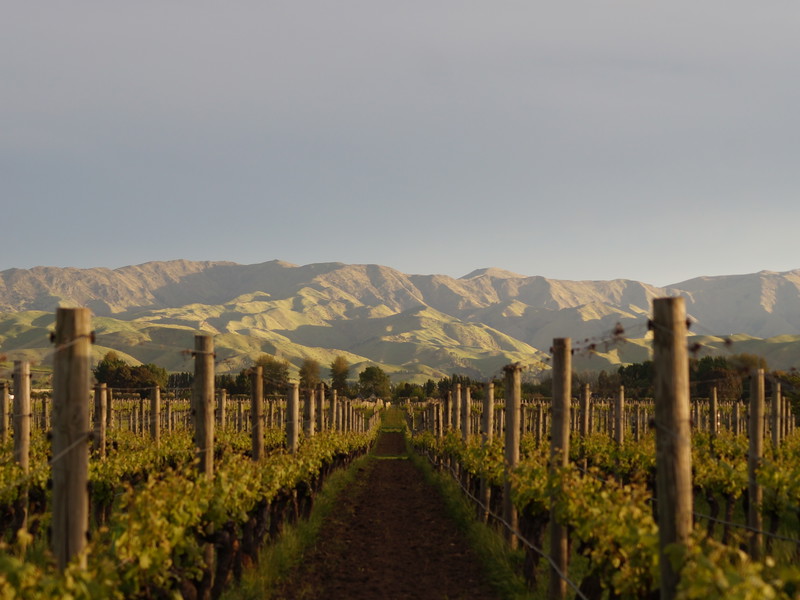
Craggy Range was the first winery in New Zealand that consistently focused on single-terroir wines, greatly influencing the region of Aotearoa.
pic provided
Craggy Range was the first winery in New Zealand that consistently focused on single-terroir wines, greatly influencing the region of Aotearoa.

Dominik Vombach
Dominik Vombach
Chefredaktion Schweiz
Find out more
1 / 12