

These are the most unusual delicacies in the world
Caution: Not for the faint-hearted! These culinary specialities from all over the world are so extraordinary that they require both a sense of adventure and strong nerves.
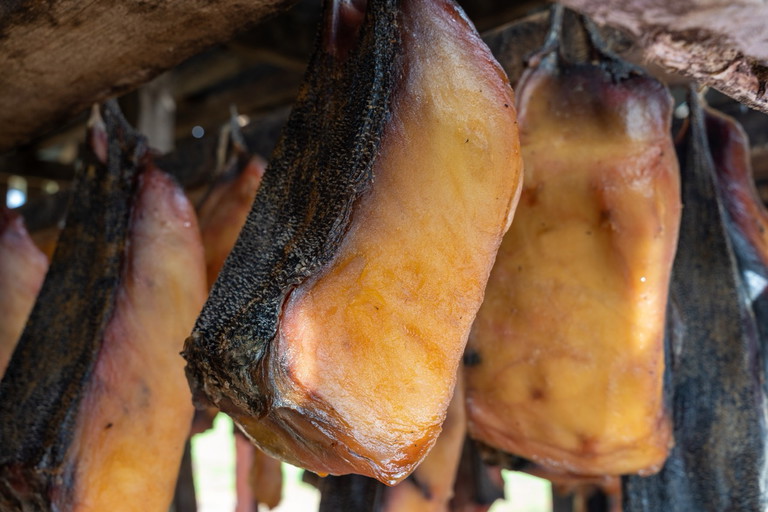
Hákarl (Iceland)
Hákarl, fermented shark, is a traditional Icelandic dish that has its origins in the need to preserve food. The Greenland shark is first fermented for several months and then dried. The taste is intense and is reminiscent of a mixture of very strong cheese and ammonia. For many Icelanders, Hákarl is a symbol of their resilience and their unique culture. This delicacy is often accompanied by Brennivín, an Icelandic schnapps that softens the strong flavour.
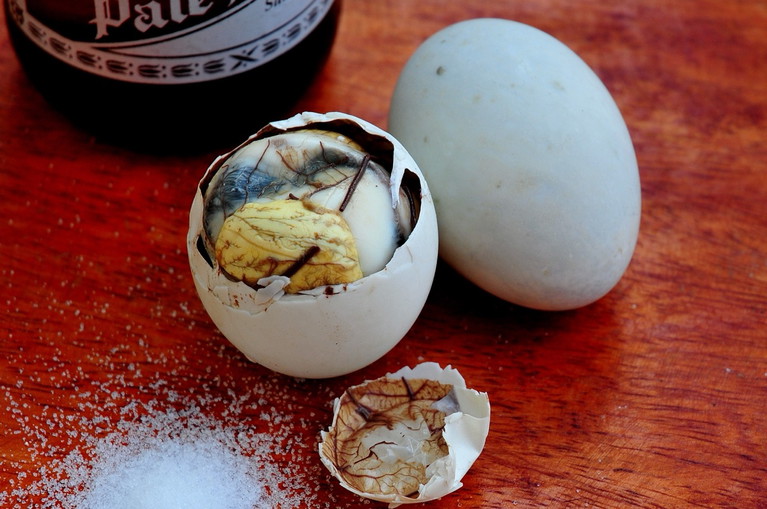
Balut (Philippines)
Balut, a fertilised duck egg that is cooked and eaten straight from the shell, offers an extraordinary textural experience. The firm yolk and developing embryo take some getting used to, but in the Philippines balut is a popular snack, rich in protein and energy. Seasoned with salt and vinegar, balut is often sold at street markets and is particularly popular at night-time celebrations. The first bite may take some effort, but balut fans swear by its nutritional value and special taste.
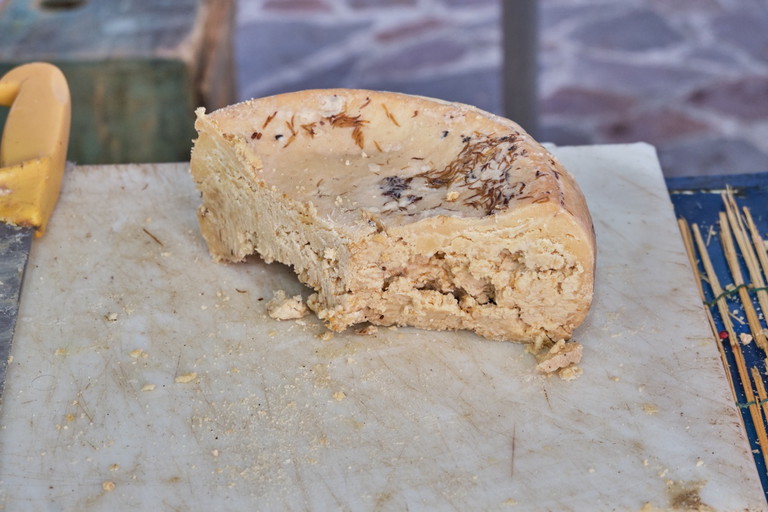
Casu Marzu (Italy)
Casu Marzu, a Sardinian sheep's milk cheese, is softened by the digestive process of cheese fly larvae. The larvae ferment the cheese and give it a soft, almost liquid texture. Despite its controversial reputation, casu marzu is prized as a special delicacy in Sardinia. The taste is intense and spicy, often with a slightly burning aftertaste. Traditionally, this cheese is enjoyed with Sardinian bread and a strong red wine.
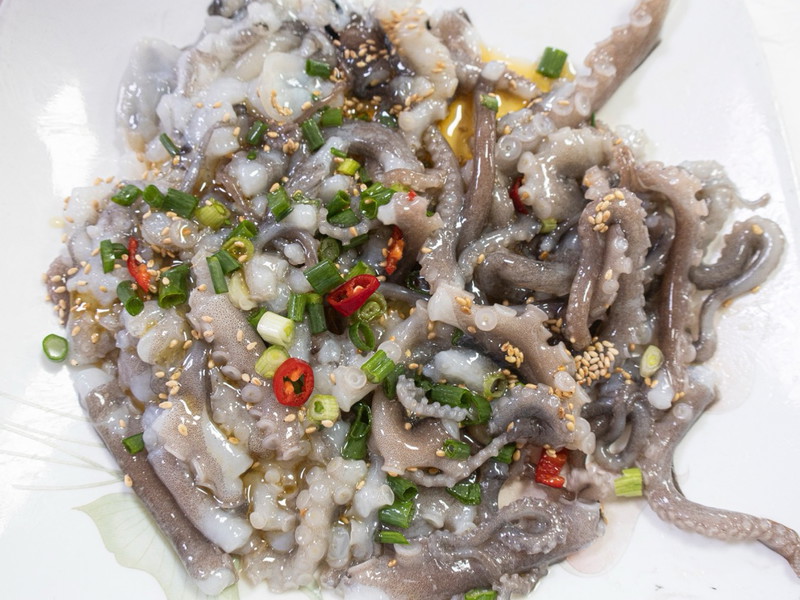
Sannakji (South Korea)
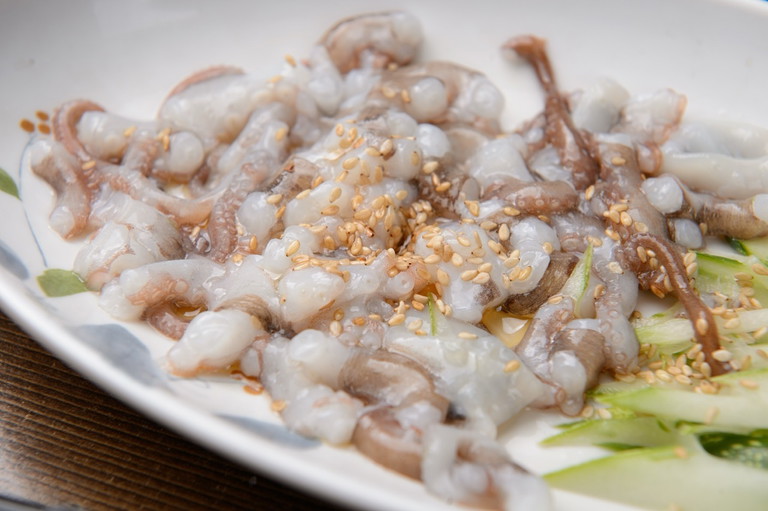
Sannakji consists of raw, live octopus, which is cut into small pieces and served immediately. The tentacles still move when eaten, which offers a special eating experience. This vibrant delicacy is often served with sesame oil and sesame seeds, which gives it a nutty note. The feeling of the writhing tentacles in the mouth is a highlight of the culinary adventure for many.
Durian (Southeast Asia)
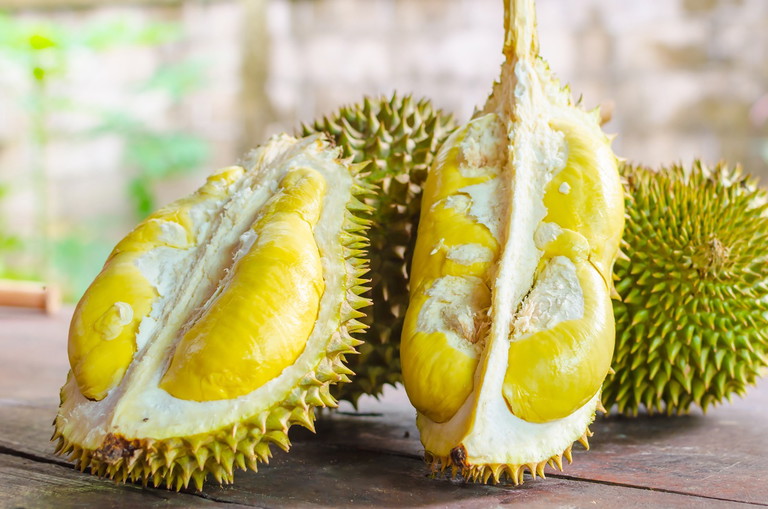
Durian, also known as the king of fruits, is notorious for its intense odour, which is often compared to rotten onions or sewage. But the taste of the pulp is a completely different story - sweet, creamy and a real treat for many. In many Southeast Asian countries, durian is a prized delicacy that is used in numerous desserts and dishes. Despite the unpleasant smell in public transport and hotels, which often prohibit its consumption, lovers swear by the incomparable taste and health benefits of this extraordinary fruit.
Surströmming (Sweden)
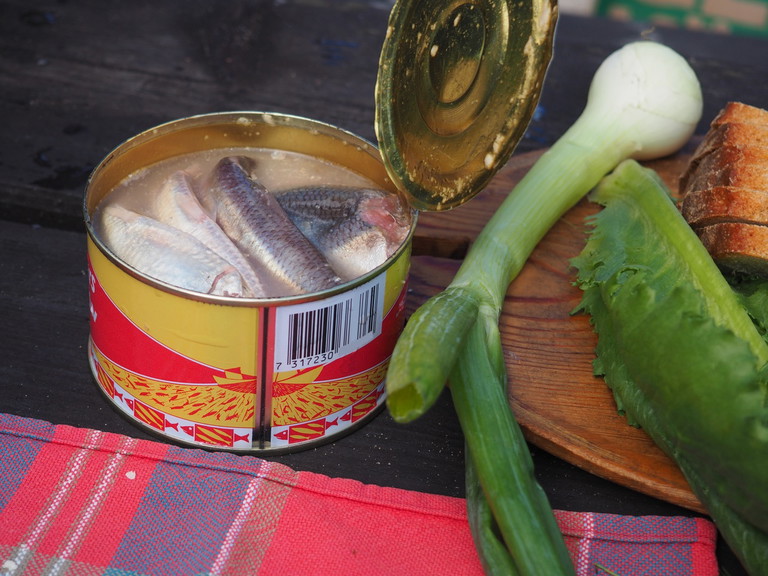
Surströmming, fermented herring, is a Swedish dish known for its extremely strong smell. Often described as one of the most foul-smelling foods in the world, surströmming is traditionally served with crispbread, potatoes and onions. Despite the off-putting smell, this delicacy has a loyal following. For many Swedes, the salty and sour taste is an important part of their culinary tradition.
Escamoles (Mexico)
Escamoles, also known as insect caviar, are the larvae of the black mercenary ant and are considered a delicacy in Mexico. With a nutty, buttery texture, they are often served in tacos or omelettes. Escamoles are particularly popular in upmarket restaurants and offer a unique taste experience. Their crunchy bite and rich, nutty flavour make them a favourite among gourmets.
Fugu (Japan)
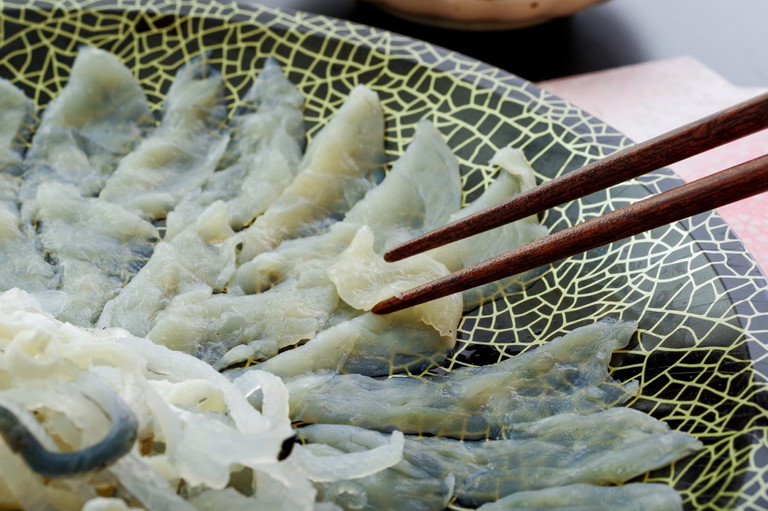
Fugu, the pufferfish whose organs contain deadly tetrodotoxin, is a much sought-after delicacy in Japan. Only specially trained chefs are allowed to prepare fugu to ensure that no poisonous parts are served. The thrill and exclusivity make Fugu a special experience. The taste of the fish is mild and light, and it is often served in thin slices as sashimi.
Huitlacoche (Mexico)
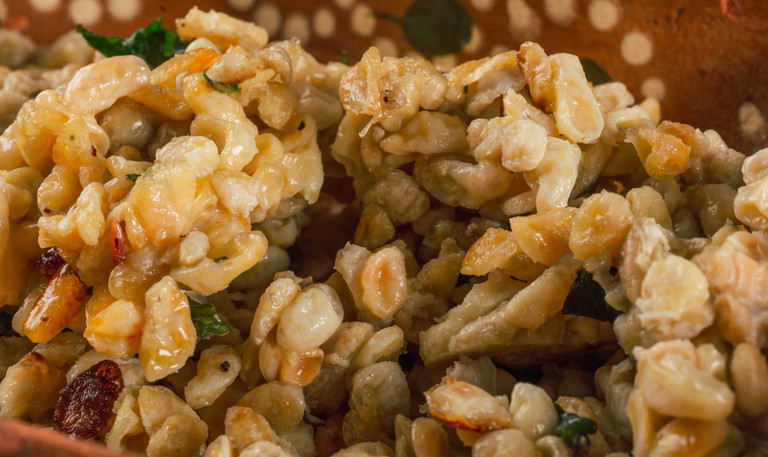
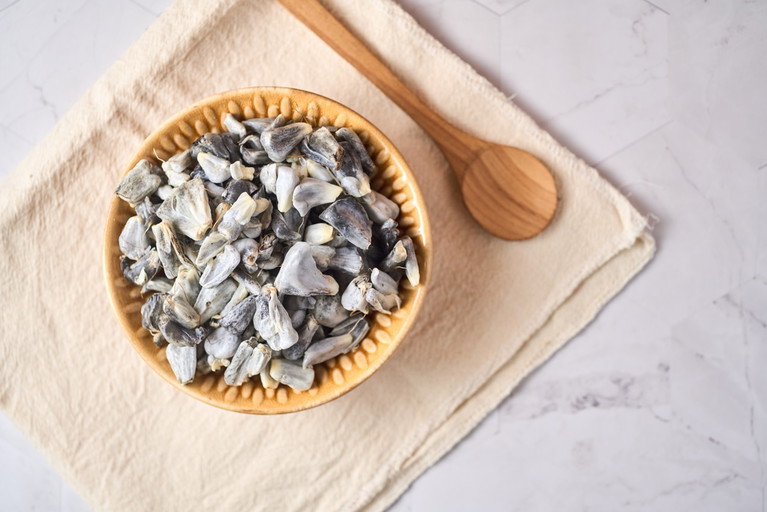
Huitlacoche, also known as corn truffle, is a fungus that infects corn and makes it black and spongy. In Mexico, huitlacoche is prized as a delicacy and is used in tacos, quesadillas and soups. Its earthy, smoky flavour makes it a popular ingredient in Mexican cuisine. Huitlacoche is often considered a kind of gourmet ingredient and can be found in many upmarket restaurants.
Shiokara (Japan)
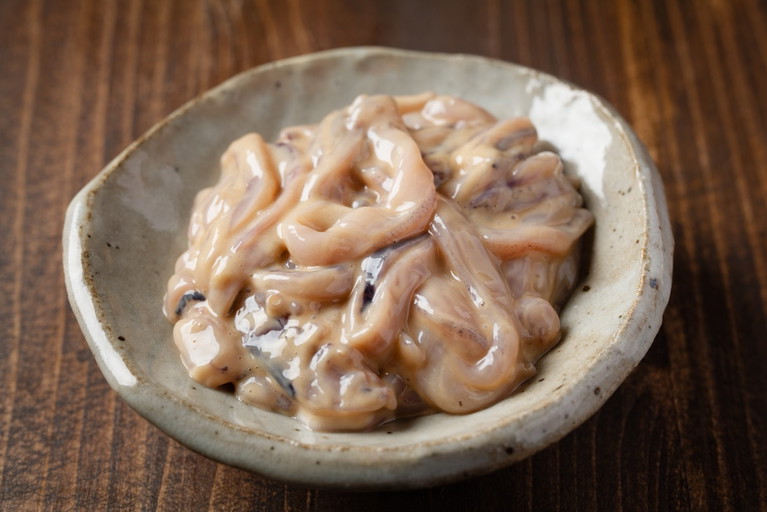
Shiokara is a Japanese delicacy consisting of fermented offal from seafood, often squid. It is fermented with a mixture of salt and malt rice and has an intense, salty taste. Shiokara is often enjoyed as a small snack or accompaniment to alcoholic drinks and is known for its strong, distinctive flavour.