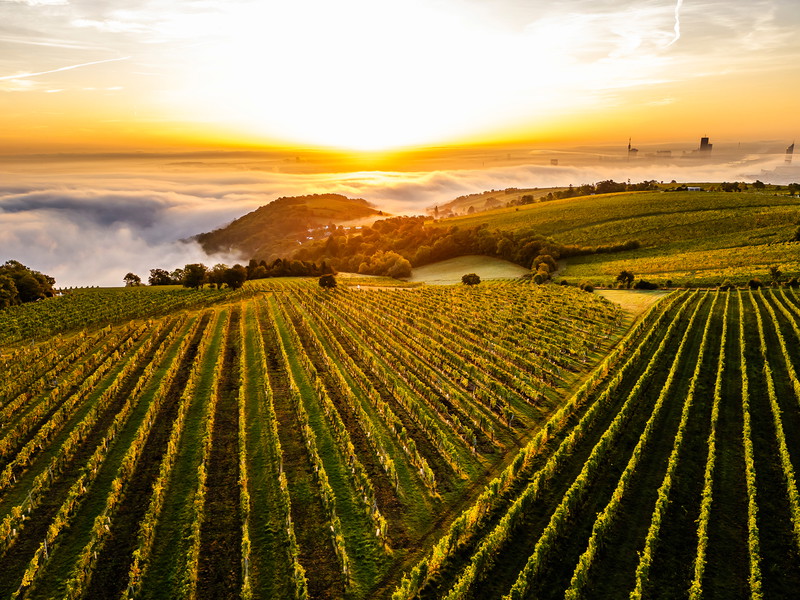
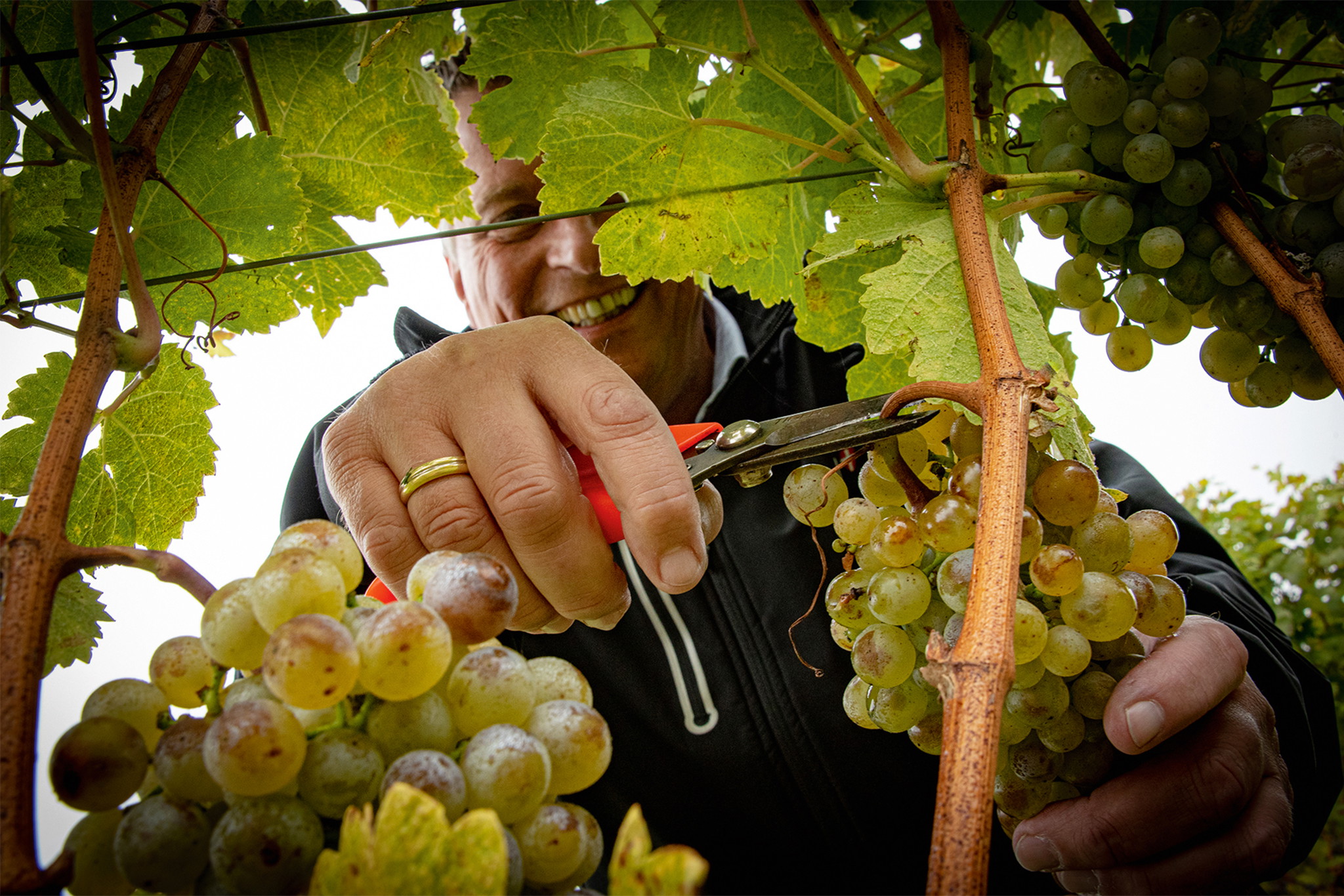
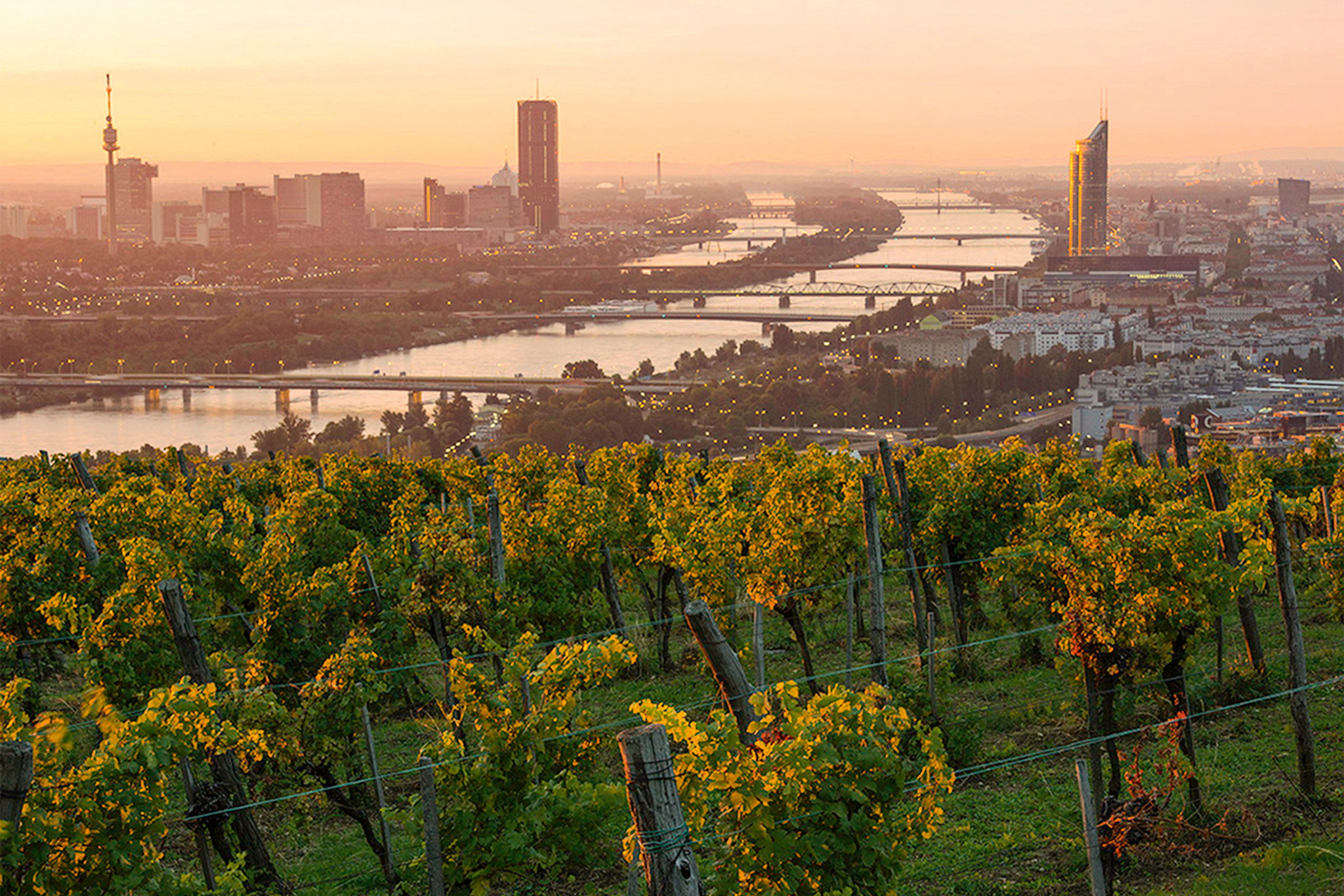
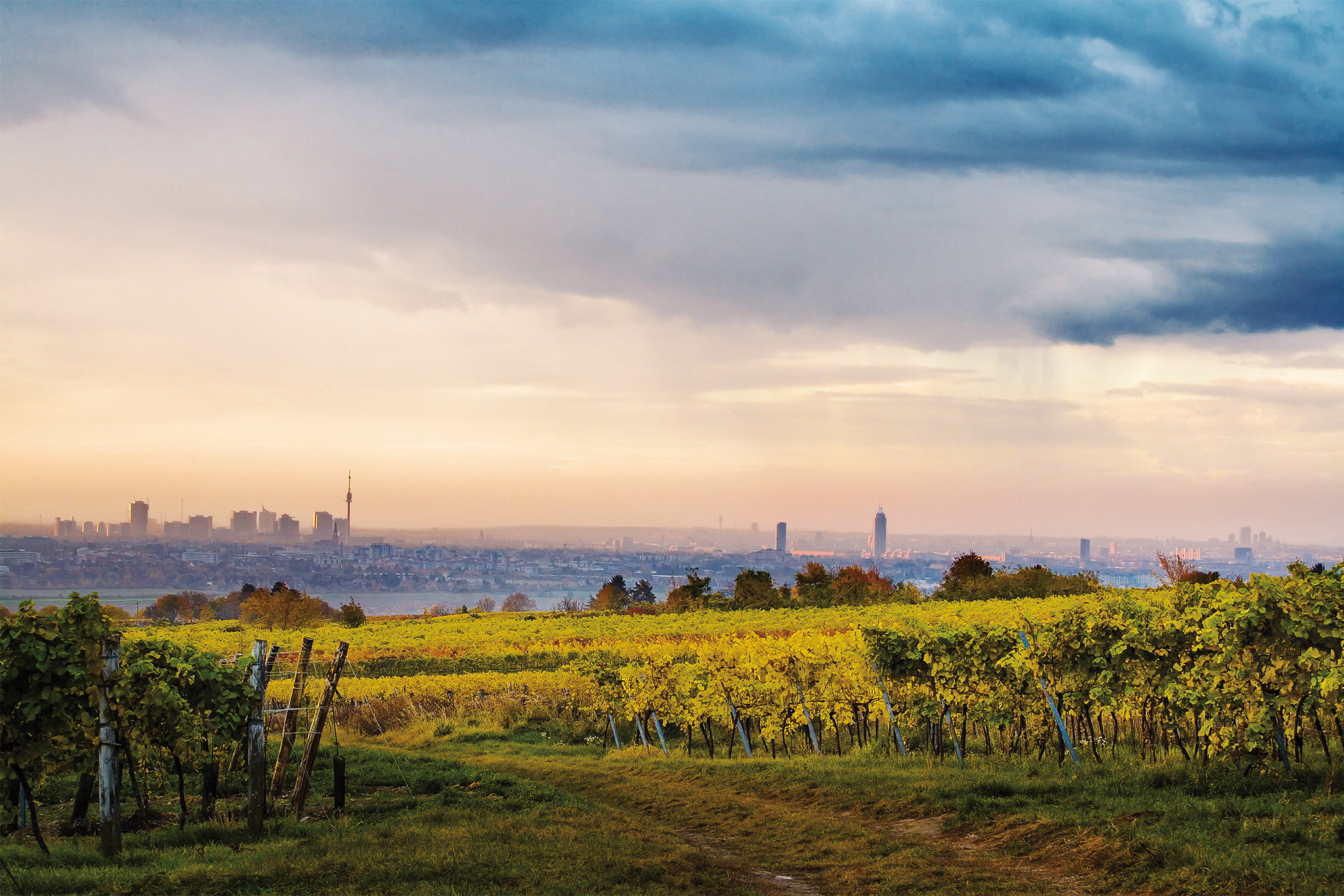
More recently, Gemischter Satz has made a name for itself, becoming the flagship of Viennese wine. A young generation of winegrowers has recognized the potential of the concept and has ensured a suitable balance of grape varieties by skilfully replanting old vines. The selections are tailored to the quality of the vineyards, and so, the aromatic typicity of the wine is already defined in the vineyard.
This makes Gemischter Satz a cuvée created during growth and not just in the cellar, and this is precisely what makes it so appealing. Where the aim is to produce a lively regional wine that can be drunk young, the focus will be on early ripening as well as more acidic varieties, perhaps supported by fine nutmeg aromas. Elegant but subtle varieties from the Burgundy family provide the backbone of the wine, which is then developed with other varieties to create an unmistakable flavor profile.
The wines from single vineyards pay particular attention to terroir. Here, Riesling or Traminer can be tasted, and as a rule the varieties are woven into a harmonious whole. With a few years of maturity, the special character of the vineyard will dominate. These Wiener Gemischter Sätze with DAC and Rieden designations are examples of the high standards maintained for this small, Austrian appellation.
Protected origin
Since 2013 , the Wiener Gemischter Satz has been produced as a wine of origin with DAC . The basic requirements: The grapes must come from a Viennese vineyard planted with at least three high-quality white grape varieties, which are harvested and processed together. The largest share of a variety may not be higher than 50 percent, the third largest must be at least ten percent.
As a rule, however, the number of available varieties is larger, and the composition is ideally adapted to the respective terroir. The quality levels of DAC wines in Vienna are also divided into Gebietswein, Ortswein and Riedenwein. The first is always dry, must have no more than 12.5 percent ABV and no strongly perceptible use of wood; it is sold from December 1 of the year it was harvested.
Ortswein is also dry and is available from March 1 of the year following the harvest, with an ABV of 12.5 percent or more. The winegrowing neighborhoods of Grinzing, Neustift, Nußberg, Sievering, Mauerberg or Mauer, Oberlaa as well as Bisamberg or Bisamberg-Stammersdorf are possible origins.
The high-quality Rieden wines can be dry or semi-dry, must have at least 12.5 percent ABV and may have a strongly perceptible touch of wood. The first day of May of the year after the harvest is set as the first day of sale for single-vineyard wines.
International standards
Word has spread abroad that Austria is setting international standards in environmentally mindful viticulture. The Sustainable Austria certificate is highly coveted in many export countries – especially in Canada, the US and Scandinavia. Of the 588 hectares of vineyards in Vienna, 183 are already certified. This means that 31 percent of Vienna's vineyards are cultivated sustainably.
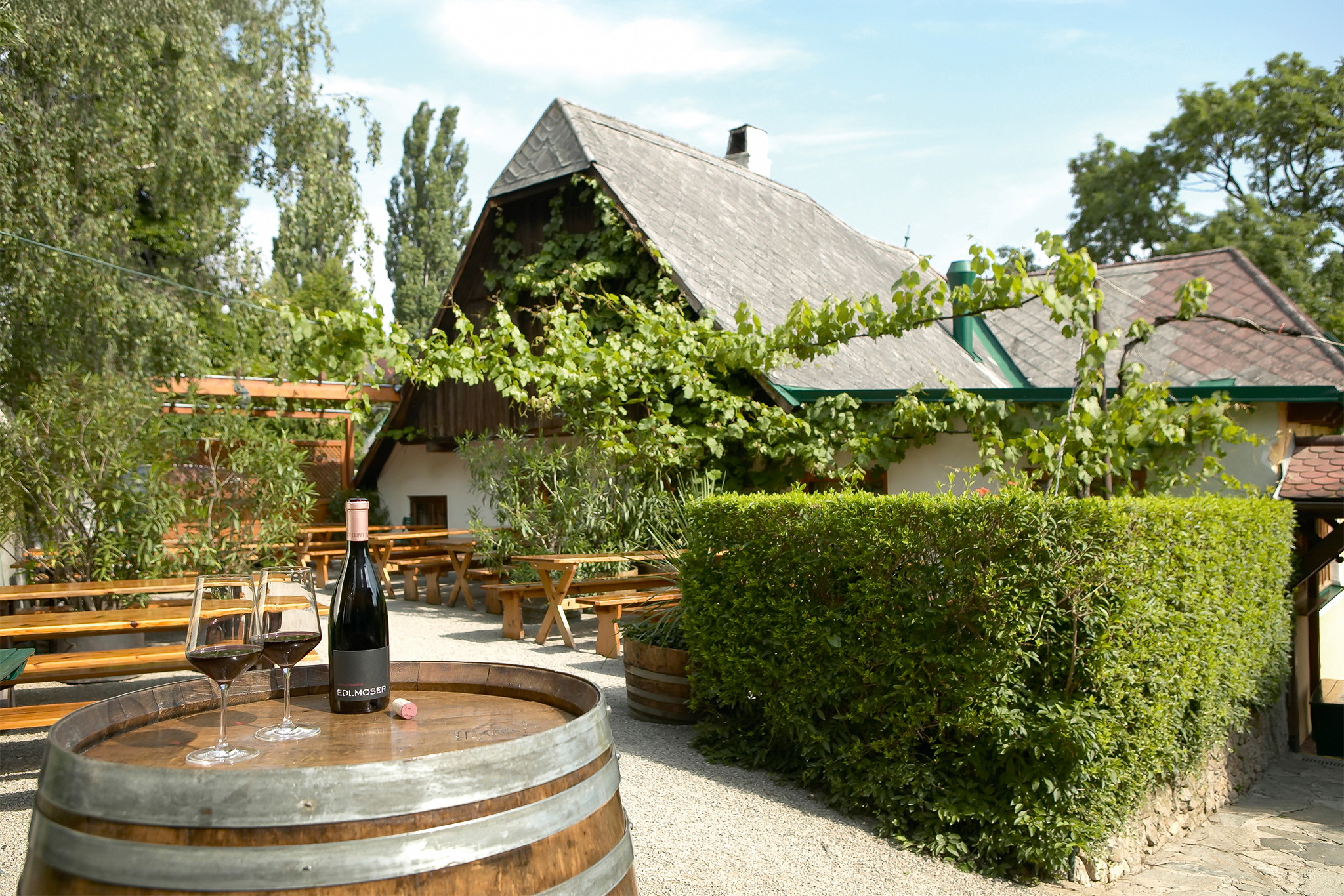
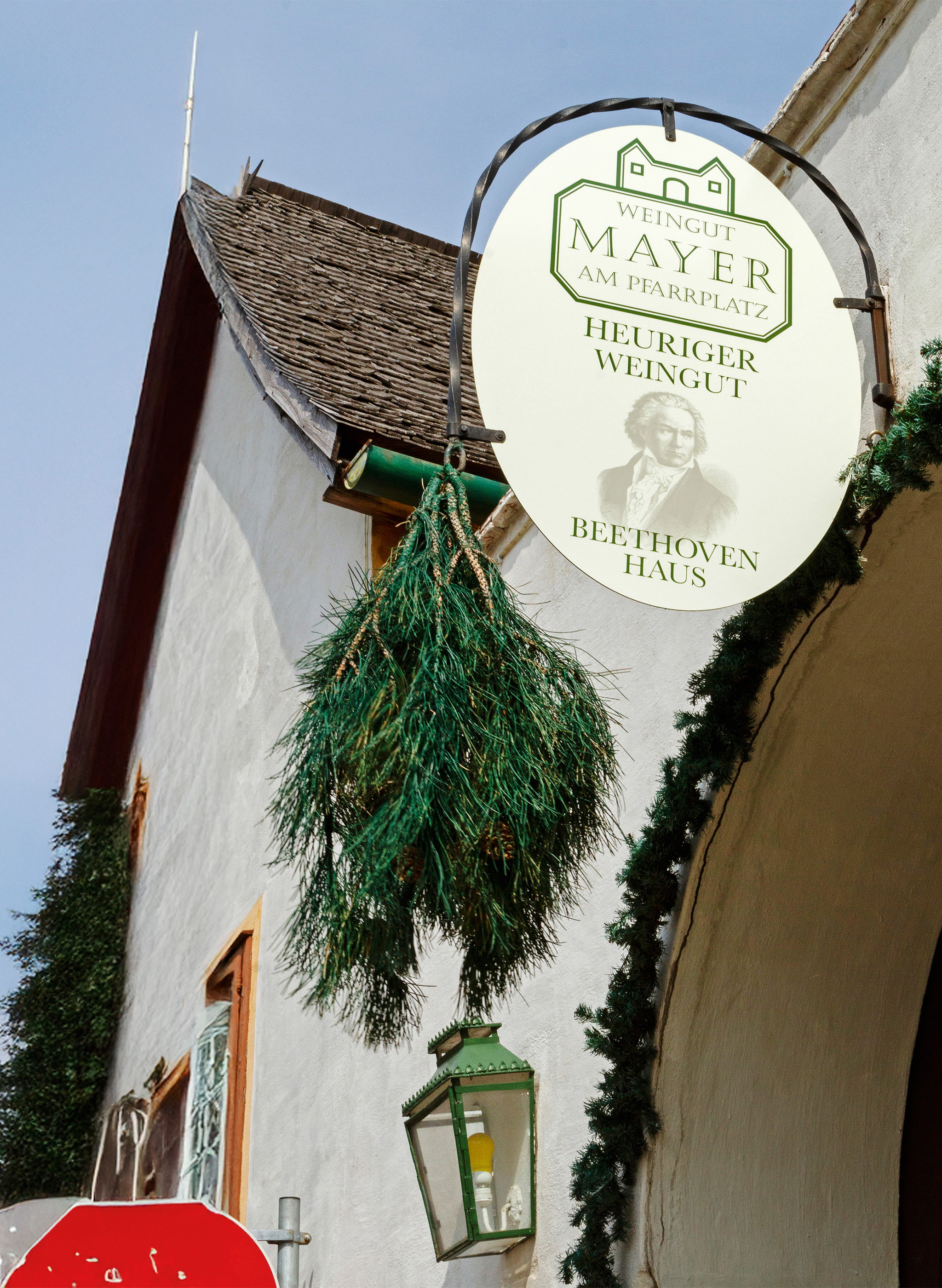
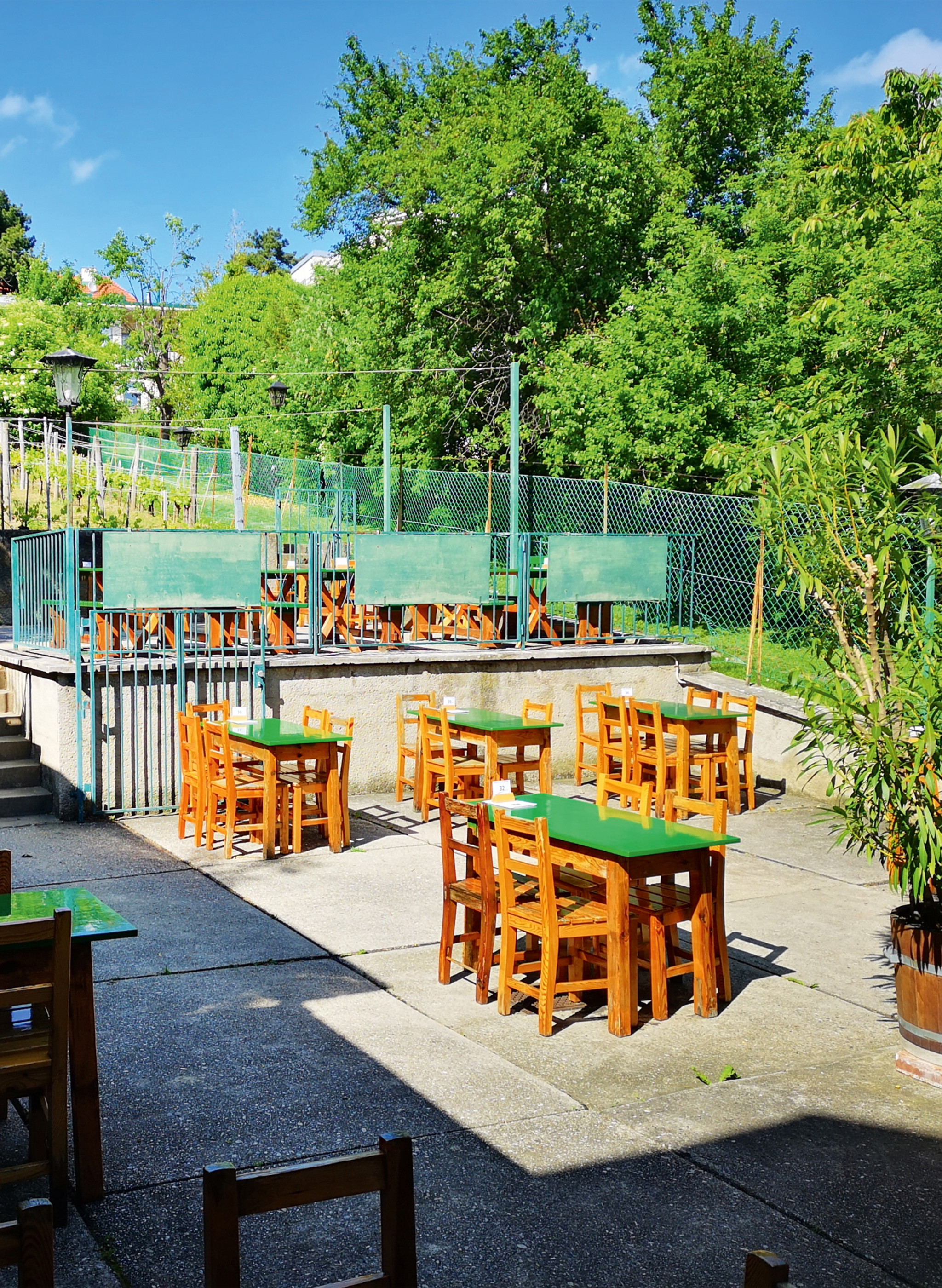
A particularly pleasant way to get to know Viennese wine is to visit a Heurigen. If you don't want to fall into a tourist trap, you should visit establishments that have been awarded the title of Vienna's Top Heirige. Strict requirements must be met in order to be included in this circle of 19: In addition to being based in Vienna and recognizable by the traditional pine branch hung atop its entrance, they must also produce their own wine. This sets the genuine Viennese Heuriger apart from pubs or restaurants.
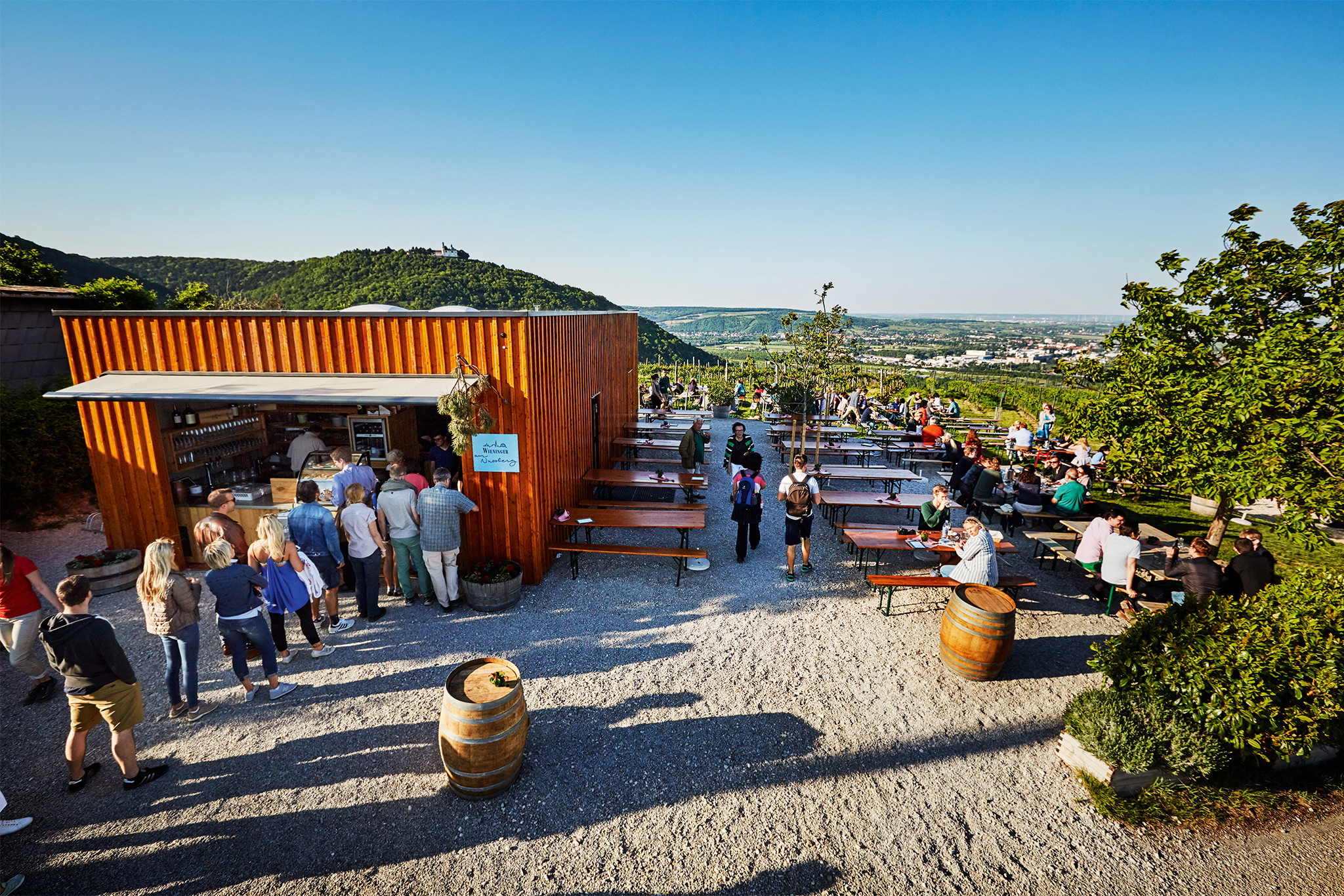
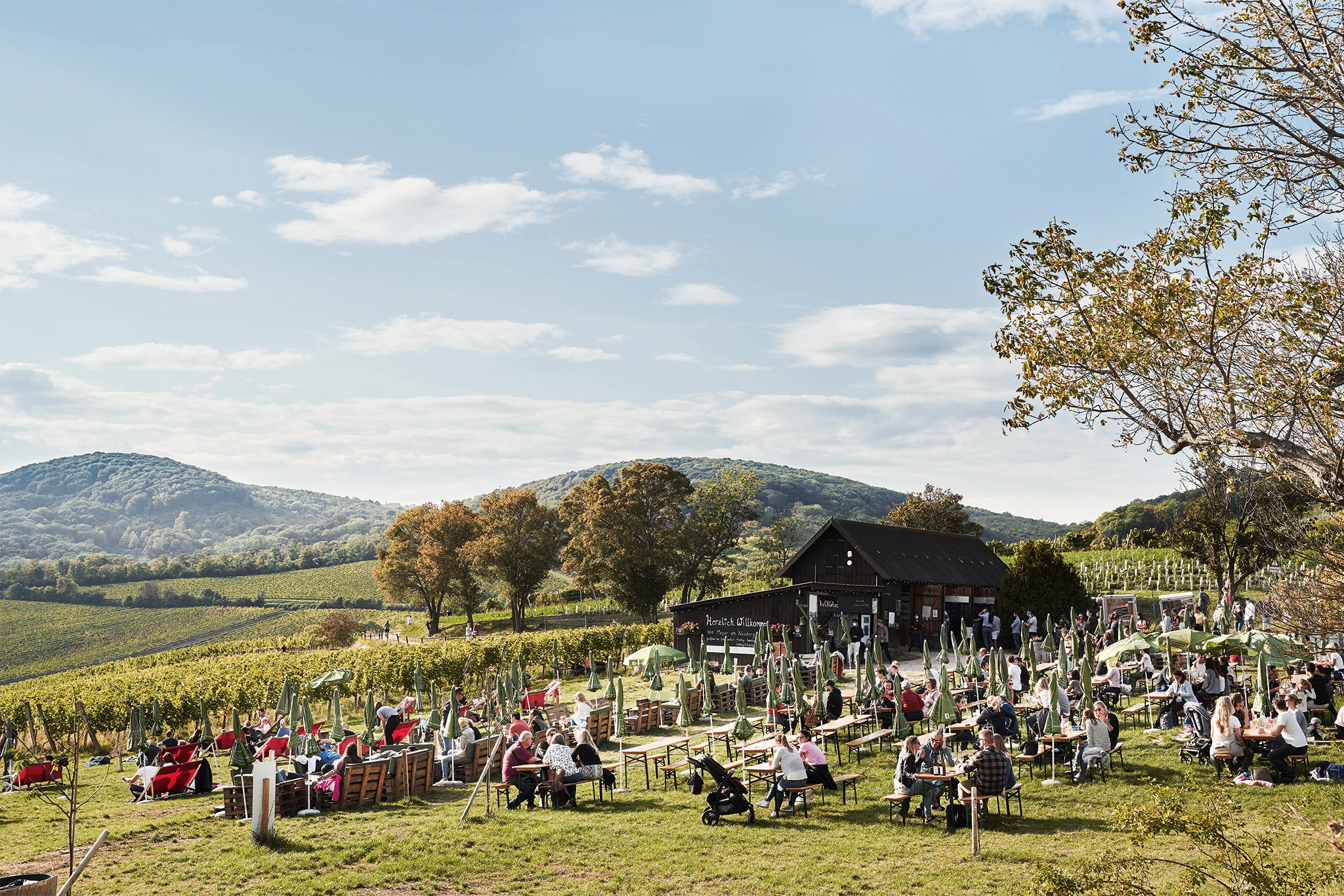
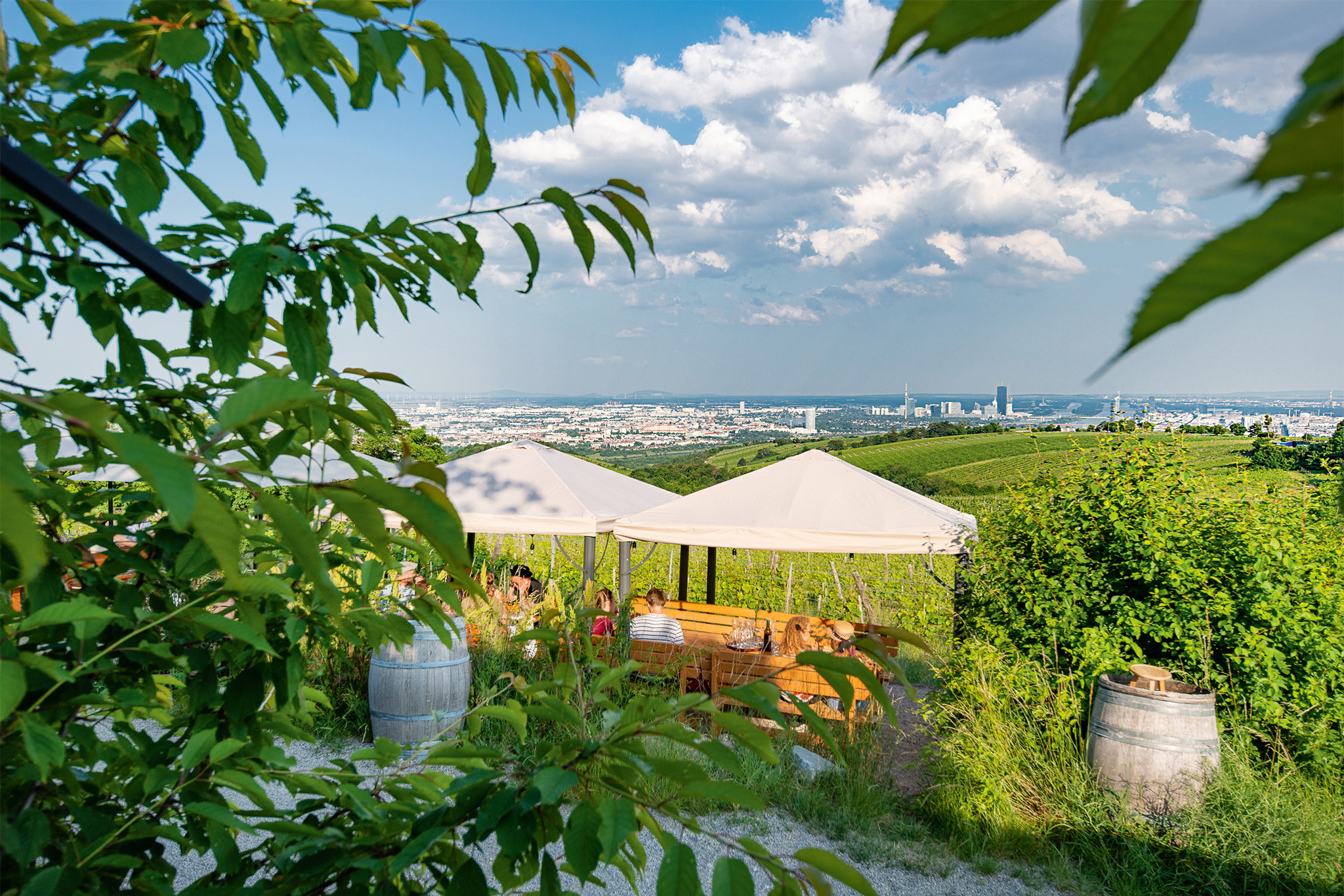
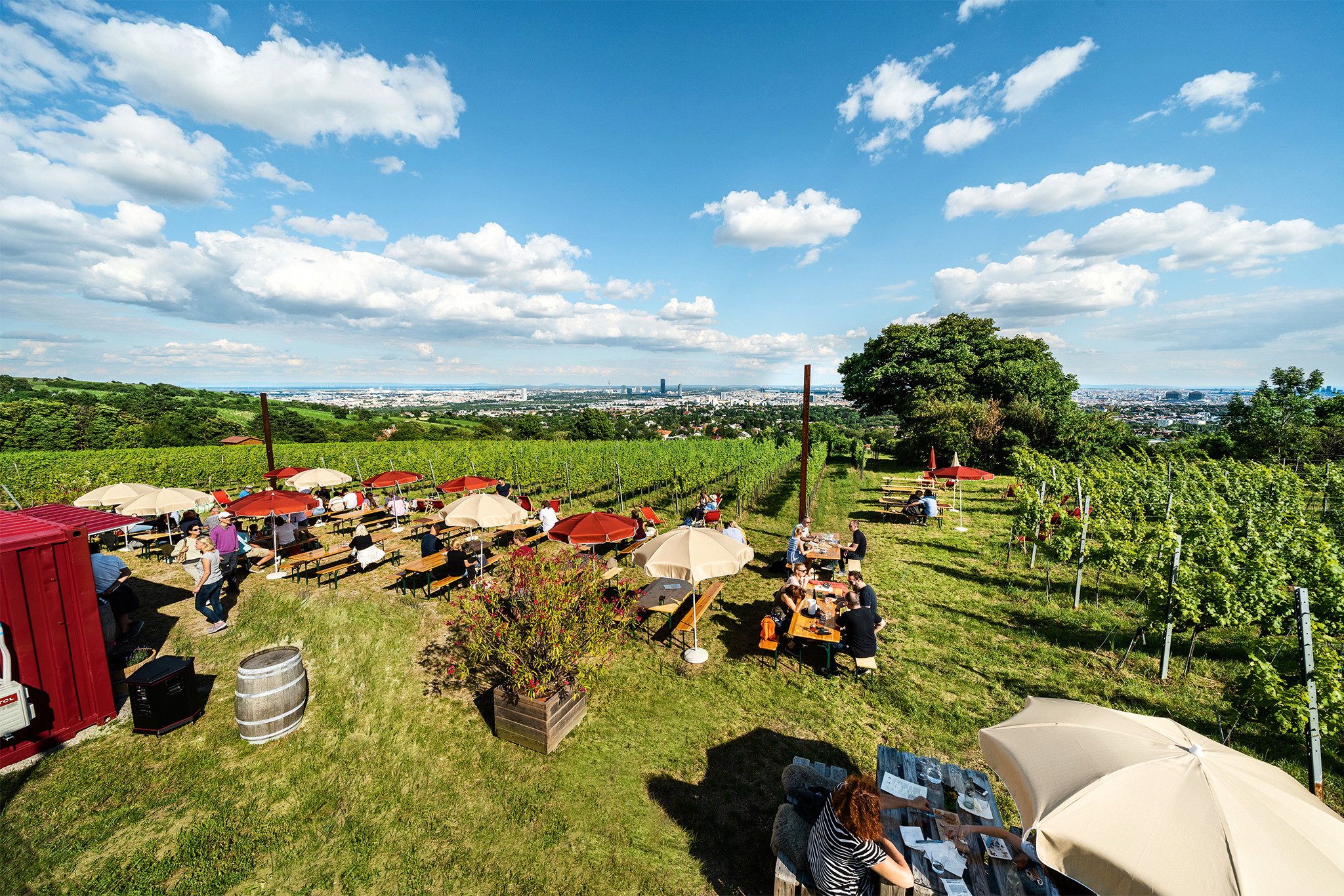
A large part of the reason why Viennese wine is also popular with a younger audience is due to ongoing prevalence of pop-up wine taverns. Many wineries have set up temporary premises in the middle of their vineyards, usually with a view over the town, which are literally stormed by visitors in good weather. Here you can enjoy Viennese wine in the middle of the countryside in a relaxed atmosphere, away from the usual, stuffy Heurigen venues.
The best winemakers in Vienna