A Favourite in Nordic Kitchens
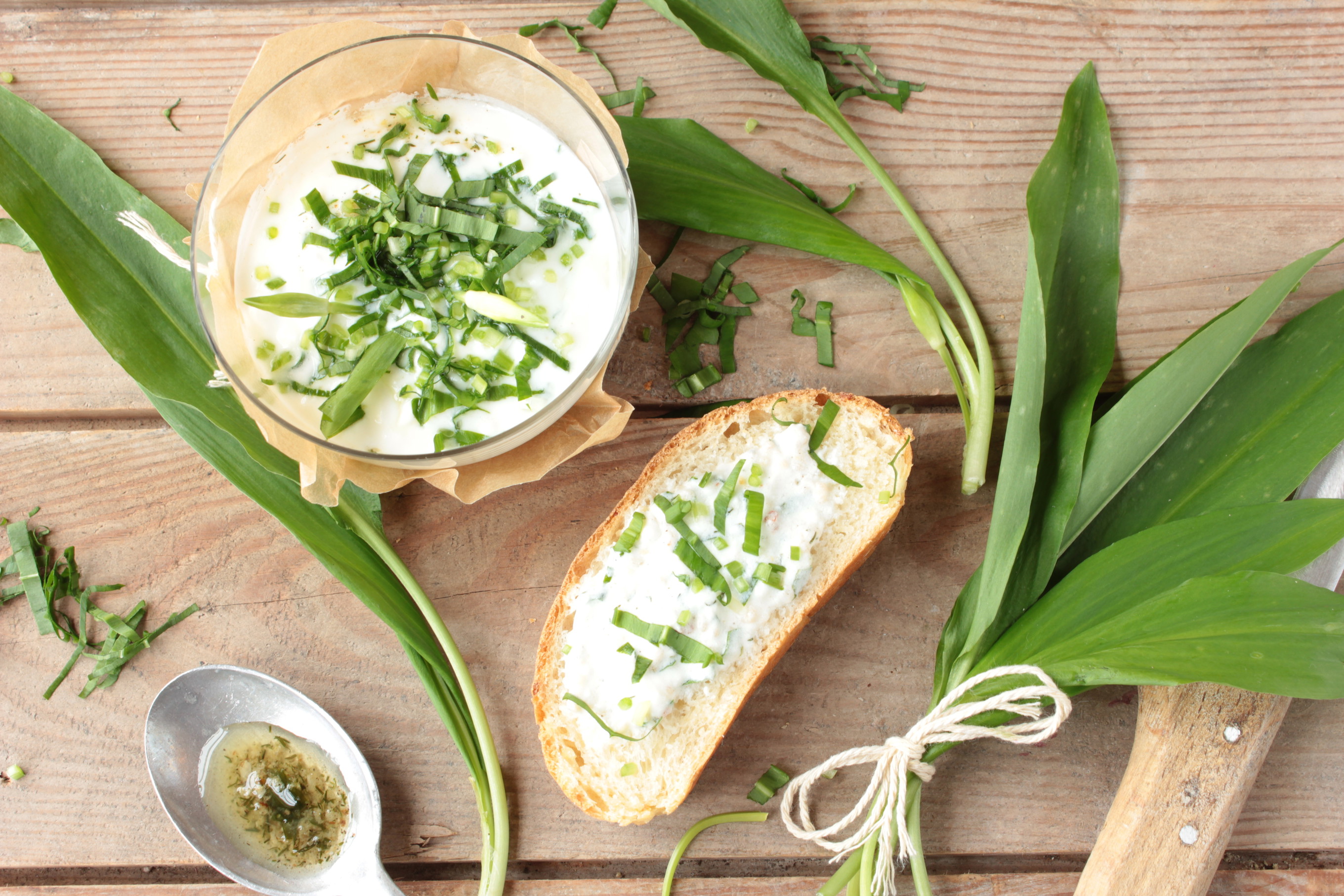
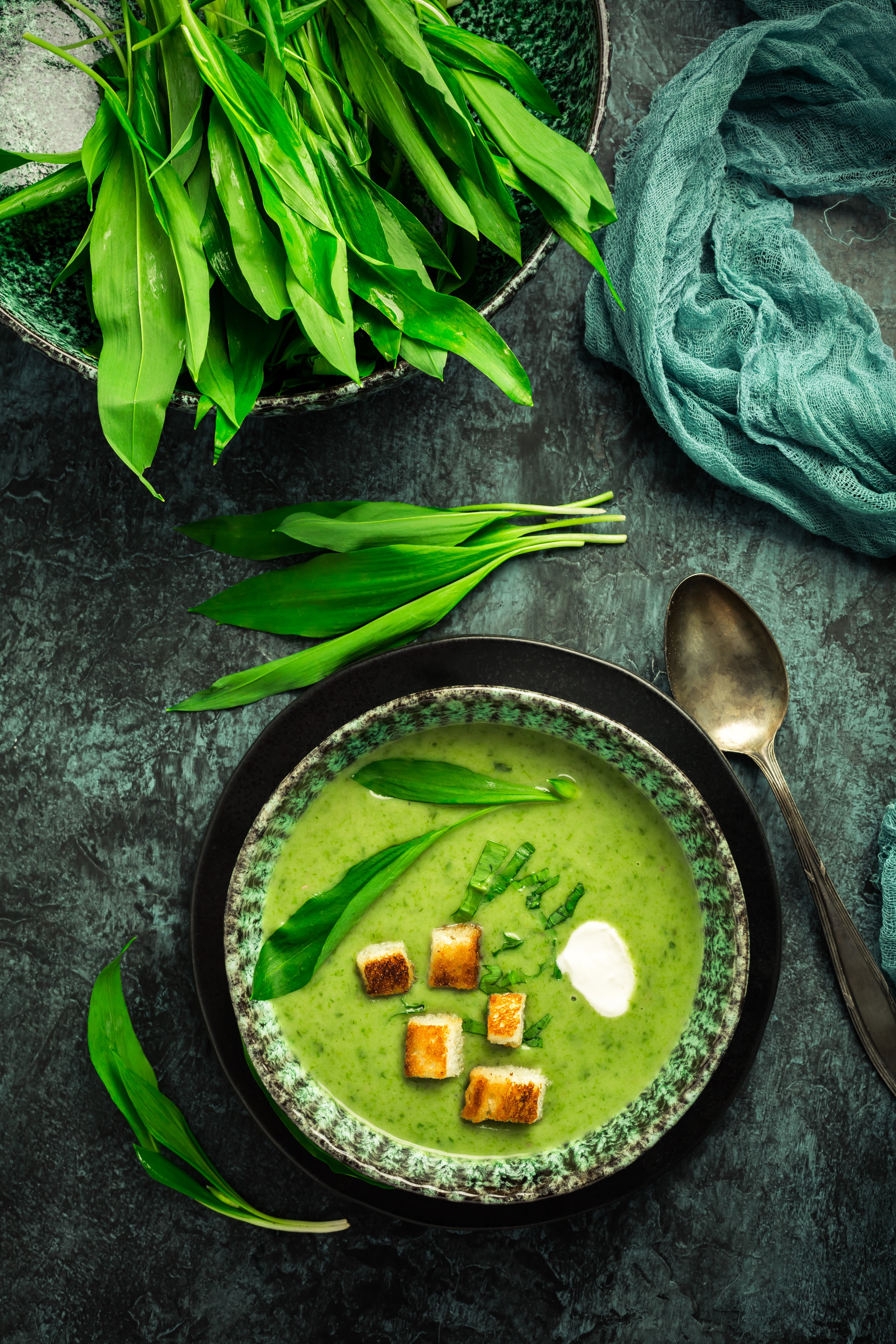
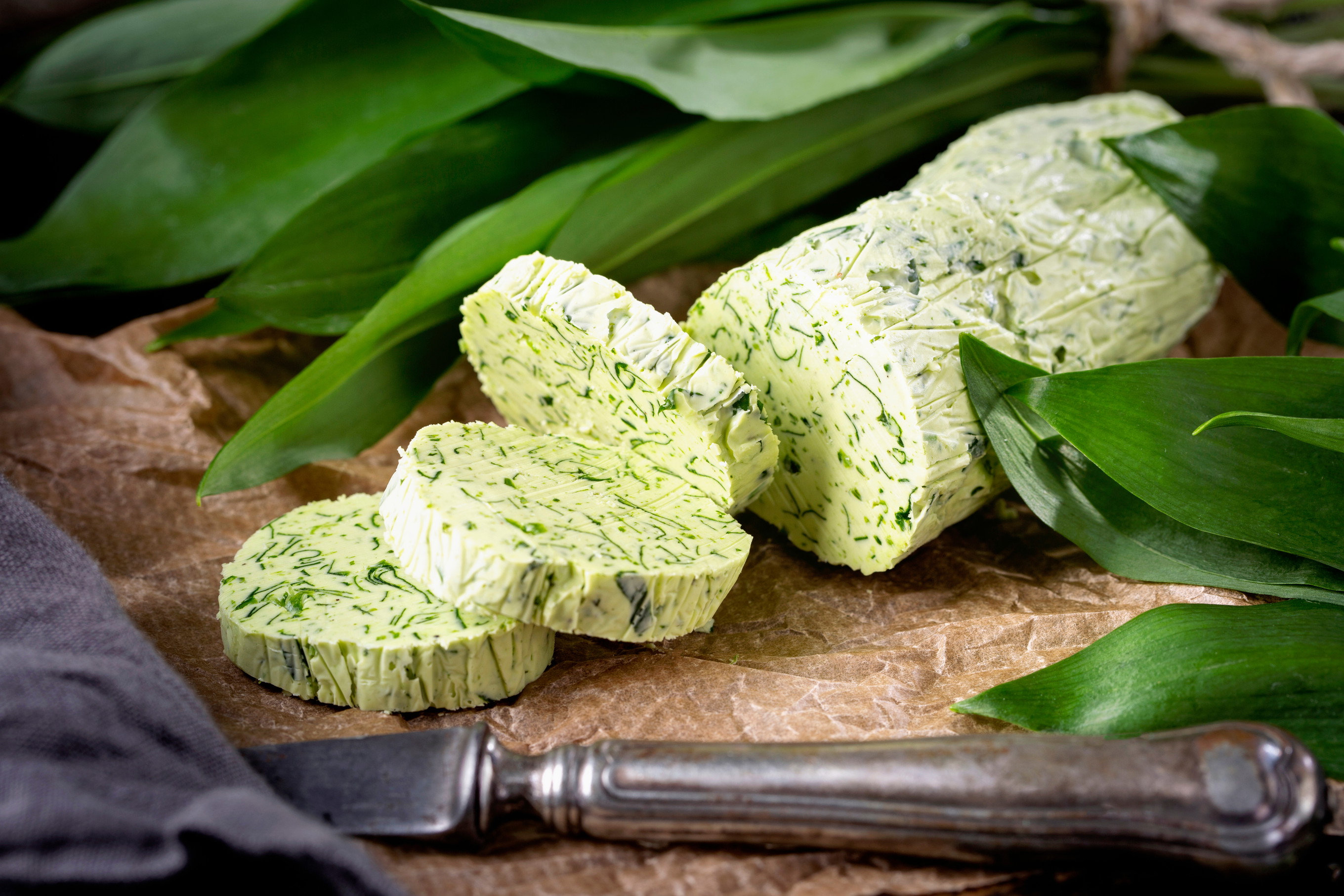
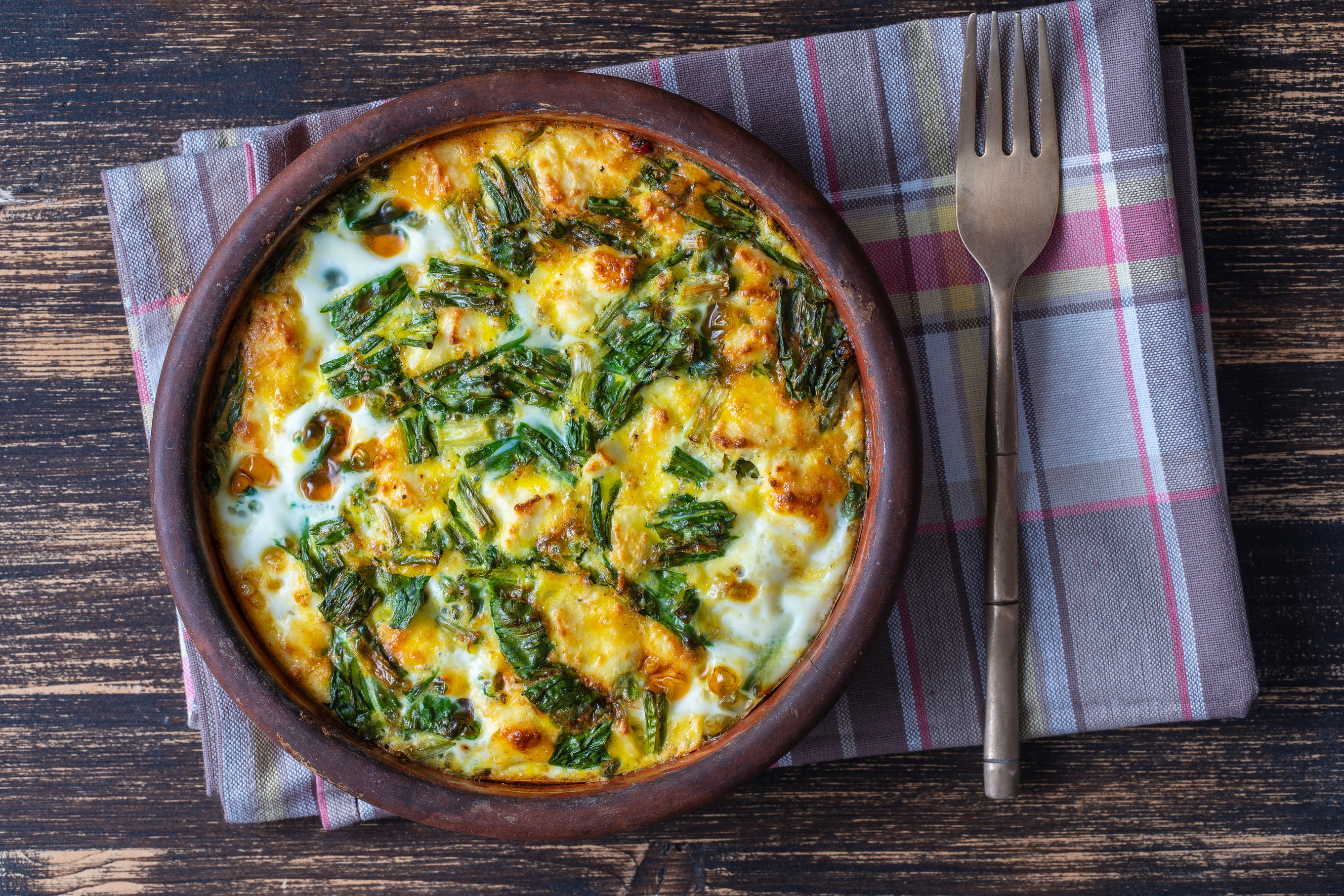
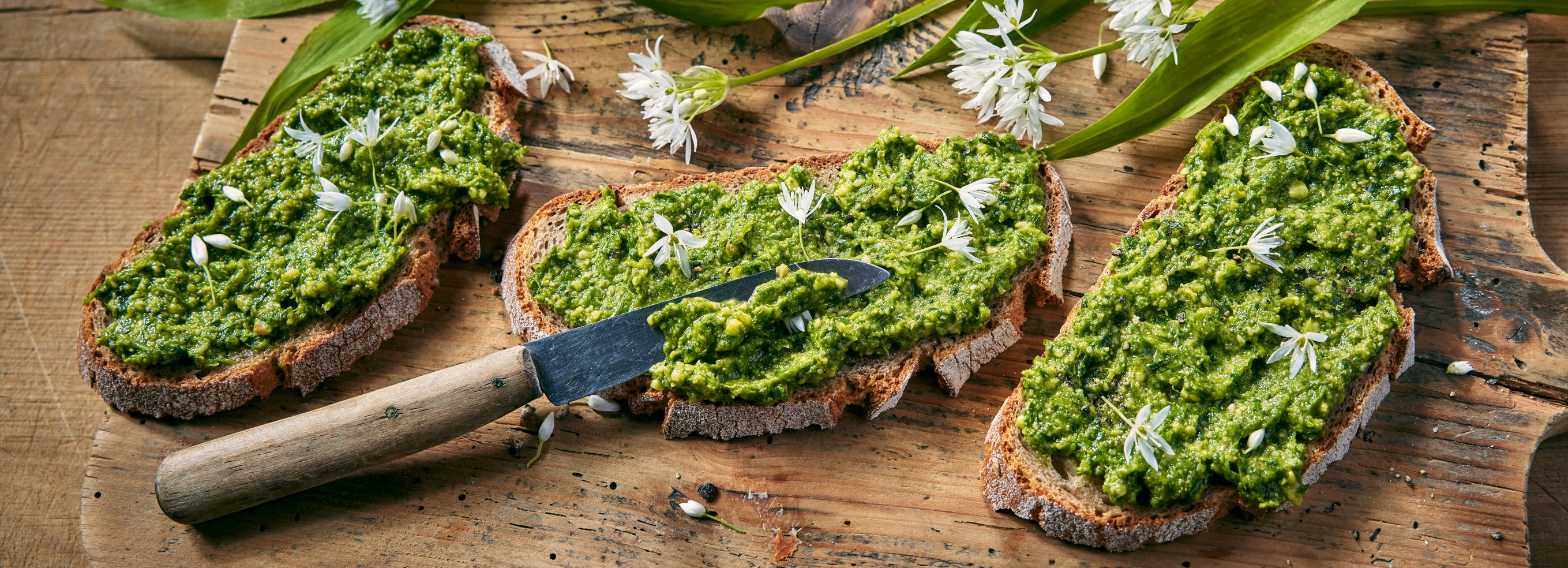
Nordic chefs and home cooks alike value wild garlic for its versatility. The young leaves can be finely chopped and added to salads, folded into butter or blended into vibrant green pesto. It also works beautifully in soups, sauces and risottos, where its flavour remains delicate yet distinctive.
In Scandinavian cuisine, wild garlic is often paired with seasonal ingredients such as new potatoes, asparagus or fresh fish. The herb is also used to flavour oils, mayonnaise or compound butter, adding a subtle aromatic note to spring menus.
Foraged and Fresh
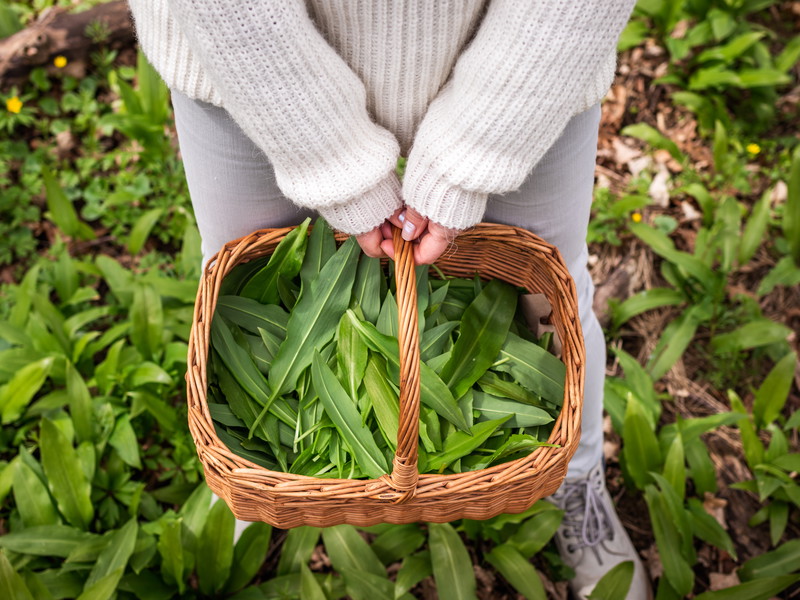
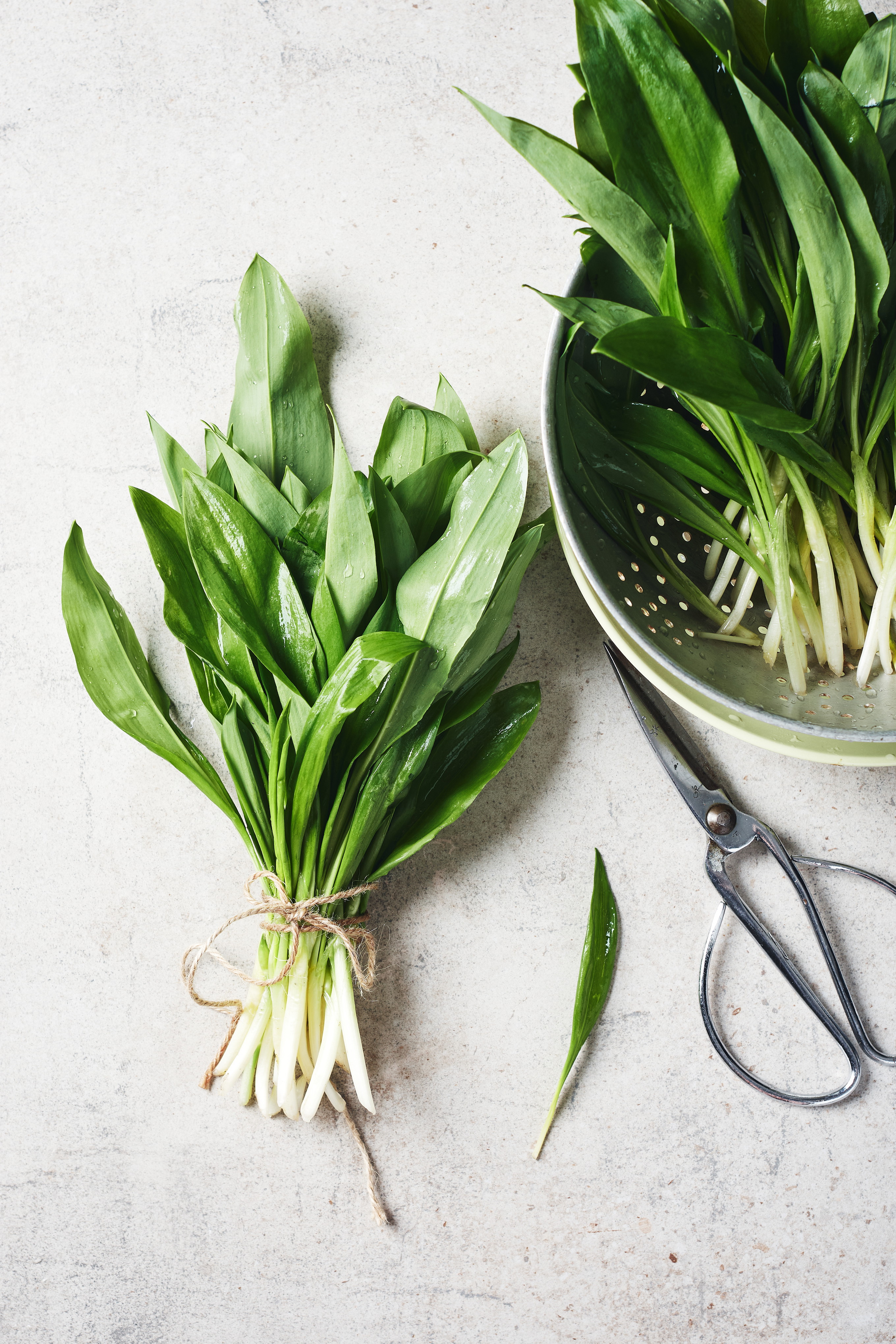
Foraging plays an important role in Nordic food culture, and wild garlic is one of the most accessible edible plants found in the wild. Because the leaves are best used fresh and young, they are typically harvested early in the season before the plant flowers.
When handled gently and added toward the end of cooking, wild garlic retains both its bright colour and its fresh flavour – making it a simple yet powerful ingredient that captures the essence of Nordic spring.