Skip to content
© Shutterstock

Yellow gold: Cheese from the Netherlands and Belgium

Cheese
Netherlands
Belgium

In addition to tulips, windmills and clogs, cheese wheels are emblematic of the Netherlands. A brief history of the Lowlands' cheeses.

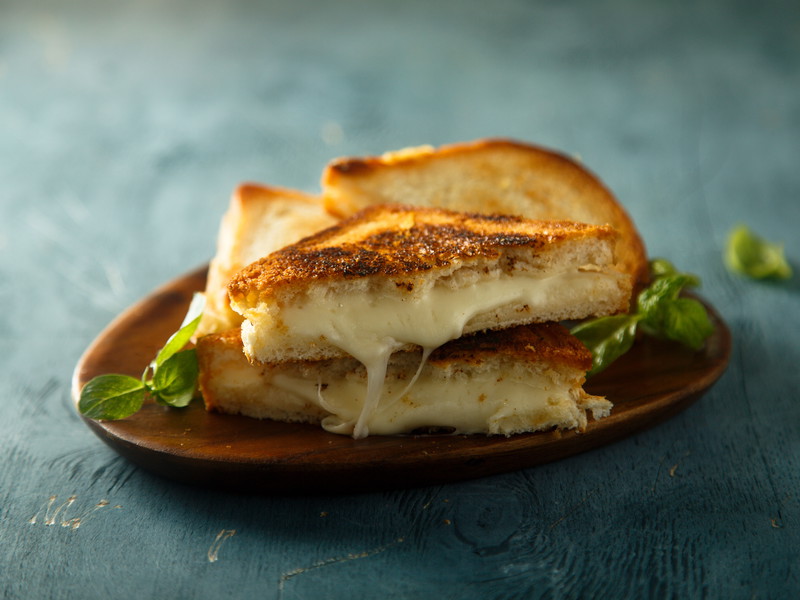
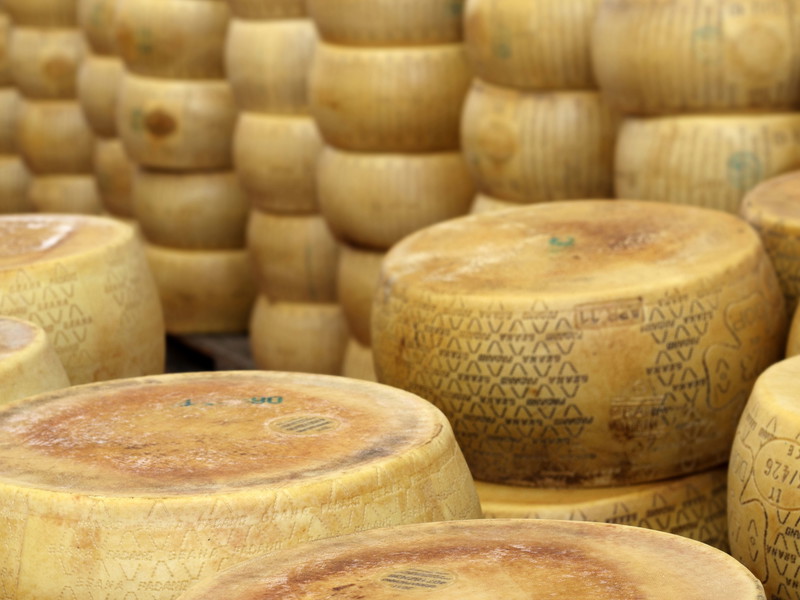
There is probably no other cheese that is as easy to like as Gouda. Its accessible aroma – sweet, nutty, mild –makes it a mainstay of sandwiches and cheese platters, and great for cooking and gratins. And this versatility is reflected in sales: With sales of over €82 million in 2022, Gouda is by far the most popular type of cheese among Austrians, a full €17 million ahead of mozzarella in second place.

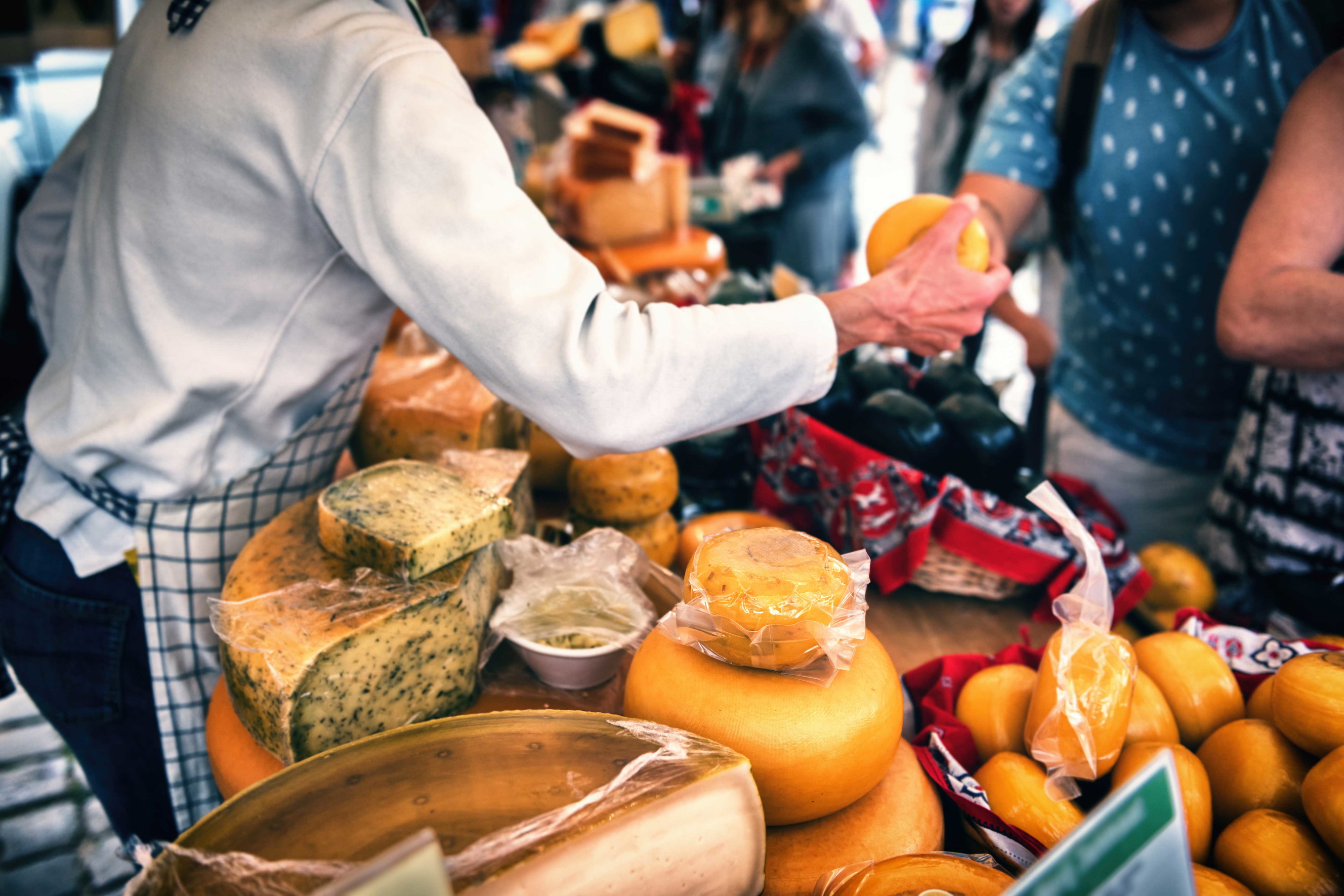
Unlike many other cheeses, Gouda is not named after the region where it is produced. The town of Gouda, which is located 25 kilometers from the  port city of Rotterdam, was in fact a local trading hub for cheese. During the days of the Hanseatic League, Gouda's municipal administration ensured high quality by enforcing strict standards, eventually becoming the namesake for the typical cheeses sold there. The Gouda cheese market is still a popular tourist attraction today, giving a nostalgic glimpse of how the cheese trade flourished several centuries ago. It also shows that Dutch cheese is as much about craftsmanship as it is about entrepreneurship.

Cheese is an excellent export product: healthy, durable, compact and easy to transport. Compared to ready-to-drink milk, Gouda, for example, has around six times as many calories and almost ten times as much fat and protein per 100 grams. One could say that cheese compresses dairy's nutritional value into a small, easy-to-transport package – hence the nickname, yellow gold. In addition, matured cheeses, i.e. all semi-hard and hard cheeses, no longer contain lactose and are therefore more digestible than milk, as lactose intolerance has always been widespread.


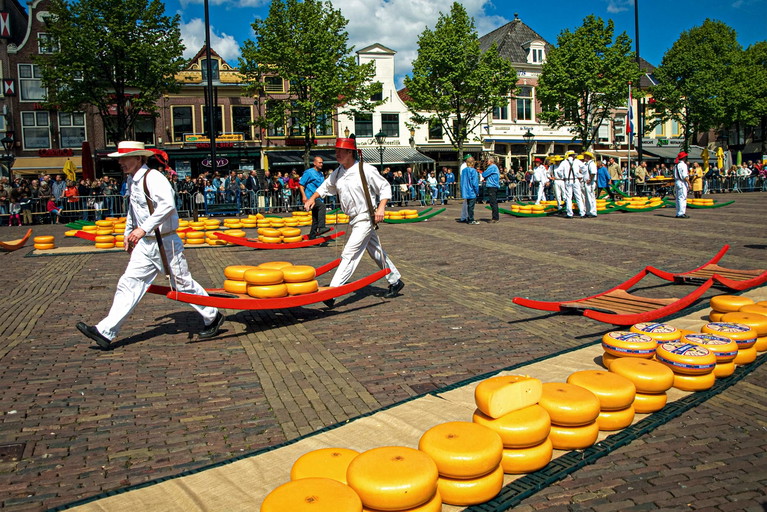
The Alkmaar cheese market, which has been operating since 1593.
© Shutterstock
The Alkmaar cheese market, which has been operating since 1593.

Since Caesar's Times

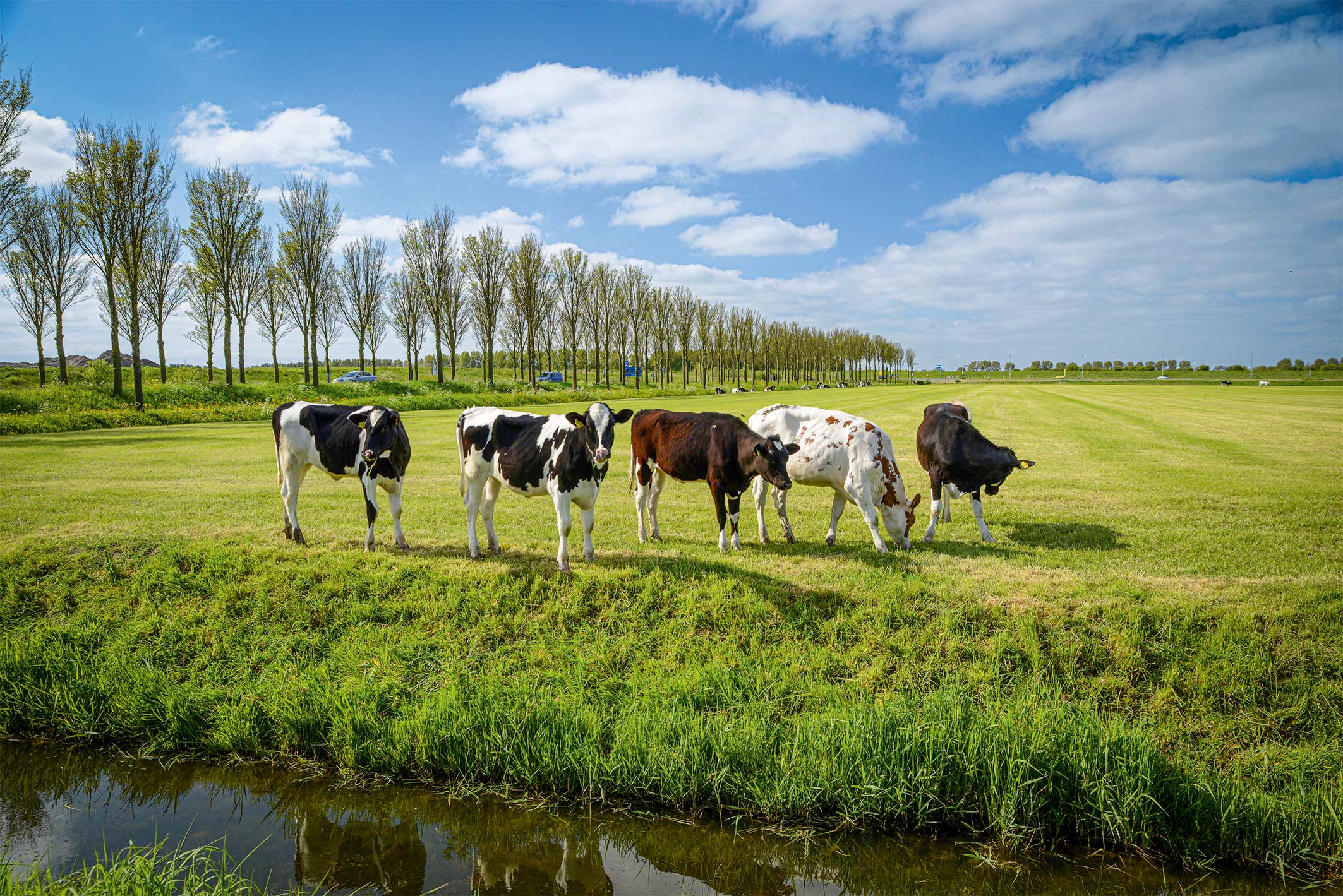
The Netherlands has been a world leader in dairy production for millennia. Even Julius Caesar was aware of Dutch cheese production: in 57 BC, he remarked on cheese consumption in the region in his Commentarii de Bello Gallico. The year-round rainfall and lush green grass in the Netherlands provide ideal conditions for keeping dairy cows, and cheese was made from the milk to preserve it. Today, the Netherlands produces around 650 million kilos of this yellow gold every year.

Until the 19th century, Dutch cheese was mainly produced on farms. And while the majority of cheese production has now been industrialized, some traditional businesses have survived, such as Reypenaer Cheeses in Woerden.

You can also gain insight into Dutch cheese history in Alkmaar, north of Amsterdam. A cheese market takes place there every Friday from April to September, a tradition that has endured for over 400 years. At the Waagplein (Weighing Square), you can observe members of the Kaasdragersgilde (cheese porters' guild); founded in 1593, they still adhere to strict rules of conduct and dress codes today. Alkmaar is also home to the Hollands Kaasmuseum (Dutch Cheese Museum).

Belgian Cheese

Although neighboring Belgium is overshadowed by the Dutch when it comes to cheese, tasty varieties have emerged there as well. Its location by the sea generates a favorable climate and the lush pastures needed for dairy cows, and many a medieval monastery cellar is still used for aging cheeses. Speaking of monasteries: Herver cheese, Belgium's only protected variety, was originally developed by monks. It later served as a model for Limburger, which was perfected in Germany.

Today, some Belgian cheese makers maintain this culinary tradition while also delving into new varieties. While Brugge Kaas focuses on classics with a long ripening period, the Little Cheese Farm in Lotenhulle brings variety to the shelves: it not only processes milk from its own cows, but also works with goat and even buffalo farmers from the region. So the art of cheese-making still requires an entrepreneurial spirit – today as in Hanseatic times.


Don't miss out!

Sign up now for our newsletter.

©

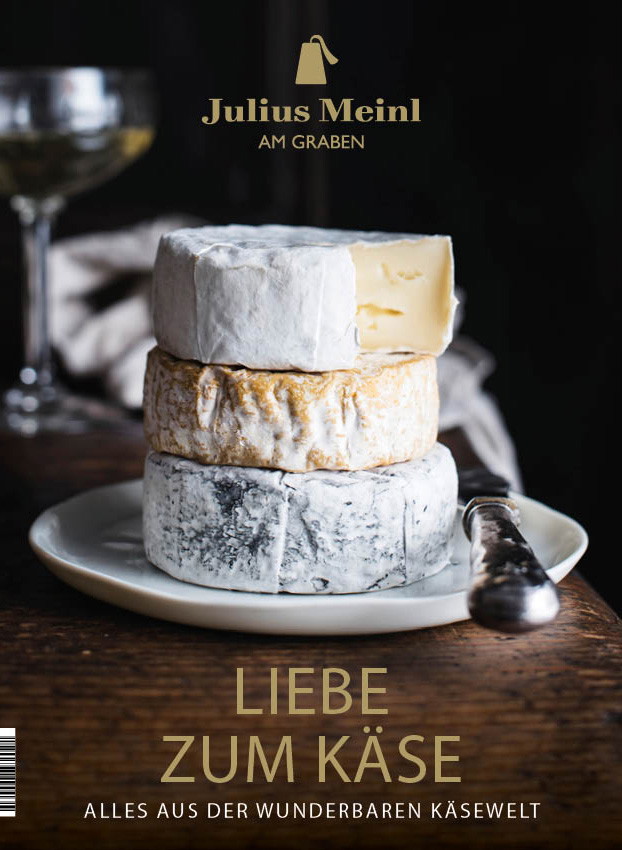
A love for cheese – Everything from the wonderful world of cheese
Julius Meinl am Graben
Falstaff Publishing, 2023
pp 168
€29.90

Lisa Arnold
Author
Find out more
1 / 12