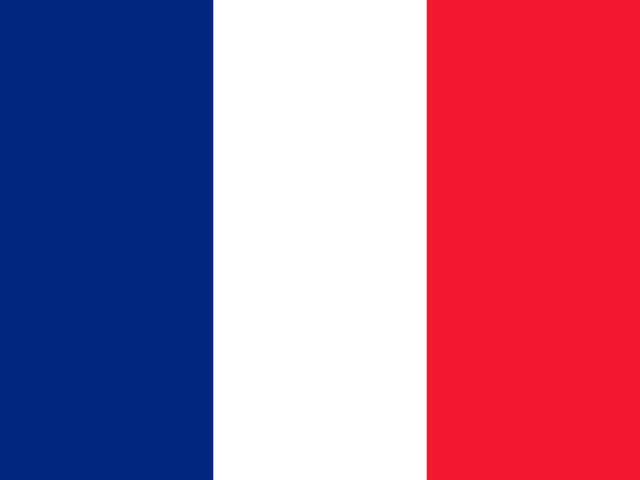
Pessac-Léognen is one of the oldest wine-growing regions in the Bordelais, although not under this name. This region, which now covers almost 1,800 hectares, was once part of the neighboring Graves region, which began directly south on the outskirts of Bordeaux. The Romans planted the first vineyards here over 2,000 years ago, and the Roman poet Columella subsequently wrote enthusiastically about these wines. In 1987, the northern part of the Graves region, whose name refers to the siliceous soil, was converted into the independent Pessac-Léognan region, so that this region now directly adjoins the wine metropolis of Bordeaux, and the Graves region has since started a few kilometers further south. In Pessac-Léognan lies Chateau Haut-Brion, founded in the 17th century, the oldest top chateau in Bordeaux, whose wines already enjoyed a legendary reputation long before the chateaus from Margaux or Pauillac achieved fame and honor. No wonder, then, that Chateau Haut-Brion was included in the classification as the only chateau outside the Haut-Médoc and received the highest level 1er Cru Classé. Today the expanding city has long since reached the chateau and surrounded it with residential buildings. This alone has not done the slightest damage to the exceptional status of the wines. The climate in Pessac-Léognan is mild and humid, surrounded by forests and therefore protected from the wind. The soil consists of pebbles with sand, clay and also lime. This terroir is often compared to that from the Haut-Médoc, but the wines differ significantly in style. While the best wines from the north of Bordeaux are often said to have greater precision, the wines from Pessac-Léognan are usually described as partly charming, richer in finesse and earlier accessible. Regardless of this, the best ones also have enormous ripening and aging potential. The Pessac-Léognan origin applies to both white and red wine, because around 1/6 of the vineyard area is planted with the white wine varieties Sauvignon Blanc and Sémillon, from which remarkable wines are made, including absolute world class ones. The classification, introduced in 1959, sometimes applies exclusively to the white or red wines of a chateau, but sometimes also to both. Further south, Chateau Haut-Brion has found a real competitor for the region's crown with Chateau La Mission Haut-Brion. Other famous and highly recommended chateaus include Domaine de Chevalier, Chateau Fieuzal, Chateau Smith Haut-Lafitte and Chateau Malartic-Lagravière. To the west of Chateau Haut Brion lies another striking jewel of the region, Chateau Pape-Clément. The founder, the Archbishop of Bordeaux, who built the winery from 1300 onwards, went down in history not only as the later Pope Clement V. He also influenced the winemaking history of another important region of France - Chateauneuf-du-Pape.
The best wines from Pessac-Léognan
France


-
TastingNews on the wine market 202601.01.2026, Falstaff Online 2026, Peter Moser, Benjamin Herzog & Dominik Vombach, Ulrich Sautter, Roland Graf (Spirits)
-
TastingBordeaux 2024 En PrimeurWith its delicate, fresh red wines, the 2024 Bordeaux vintage takes us back to the old days, when cool, damp weather conditions regularly pr...
-
TastingNews on the wine market 2025The Falstaff wine editors-in-chief from Austria, Germany and Switzerland regularly receive new products from the wine market for tasting and...
-
-
-
TastingBordeaux 2020 Arrivage in 2023Im Rahmen der Arrivage-Verkostungen des Jahrgangs 2020 in Bordeaux haben wir für Sie im Jänner 2023 erstmals viele der Zweitweine der klass...
-
-
-
-
TastingBordeaux 2021 En PrimeurEin Jahr der Leichtigkeit und Frische Text: PETER MOSER »Es war ausnahmsweise kein Jahrgang des Jahrhunderts, sondern nur der Jahrgang diese...

Best wines from this region
1147 entries
sort by
2025 Château Les Carmes Haut-Brion
Château Les Carmes Haut-Brion
Pessac-Léognan,
Bordeaux,
France
Red Wine
13%

100
2010 Château Haut-Brion
Château Haut-Brion
Pessac-Léognan,
Bordeaux,
France
Red Wine
14%
100
2010 Château La Mission Haut-Brion
Château La Mission Haut-Brion
Pessac-Léognan,
Bordeaux,
France
Red Wine
15%
100
2009 Château Haut-Brion
Château Haut-Brion
Pessac-Léognan,
Bordeaux,
France
Red Wine
100
1990 Château Haut-Brion
Château Haut-Brion
Pessac-Léognan,
Bordeaux,
France
Red Wine
13%
100
1989 Château Haut-Brion
Château Haut-Brion
Pessac-Léognan,
Bordeaux,
France
Red Wine
13%
100
1989 Château La Mission Haut-Brion
Château La Mission Haut-Brion
Pessac-Léognan,
Bordeaux,
France
Red Wine
100
1961 Château La Mission Haut-Brion
Château La Mission Haut-Brion
Pessac-Léognan,
Bordeaux,
France
Red Wine
100
2025 Château Haut-Brion
Château Haut-Brion
Pessac-Léognan,
Bordeaux,
France
Red Wine
13,05%
98
2025 Château Smith Haut Lafitte
Château Smith Haut Lafitte
Pessac-Léognan,
Bordeaux,
France
Red Wine
98
2022 Château Les Carmes Haut-Brion
Château Les Carmes Haut-Brion
Pessac-Léognan,
Bordeaux,
France
Red Wine
13,5%
98
2020 Château La Mission Haut-Brion
Château La Mission Haut-Brion
Pessac-Léognan,
Bordeaux,
France
Red Wine
14,5%
98
2019 Château Haut-Bailly
Château Haut-Bailly
Pessac-Léognan,
Bordeaux,
France
Red Wine
14%
98
2019 Château Haut-Brion
Château Haut-Brion
Pessac-Léognan,
Bordeaux,
France
Red Wine
98
2019 Château Haut-Brion Blanc
Château Haut-Brion
Pessac-Léognan,
Bordeaux,
France
White Wine

98
2019 Château Smith Haut-Lafitte Blanc
Château Smith Haut Lafitte
Pessac-Léognan,
Bordeaux,
France
White Wine
98
2018 Château Haut-Brion
Château Haut-Brion
Pessac-Léognan,
Bordeaux,
France
Red Wine
98
2018 Château Les Carmes Haut-Brion
Château Les Carmes Haut-Brion
Pessac-Léognan,
Bordeaux,
France
Red Wine
14,6%
98
2016 Château Haut-Brion
Château Haut-Brion
Pessac-Léognan,
Bordeaux,
France
Red Wine
98
2016 Château La Mission Haut-Brion
Château La Mission Haut-Brion
Pessac-Léognan,
Bordeaux,
France
Red Wine
98
Wine-News
-
 GourmetWhen Festivals Become Culinary DestinationsFrom Michelin-starred chefs to Champagne bars, Europe's leading festivals are proving that...
 -
 WineFalstaff Sommelier Awards 2027 come to the NordicsSweden and Denmark Crown their Best Sommeliers at Two Gala Award Nights.
 -
 VotingFalstaff is searching for Nordics favorite Rookie-Sommeliers 2026Who's shaping the future of the wine scene? Nominate your favorite for the award of Rookie...
 -
 NewsFranco Bernabei – Farewell to a Leading Figure of Contemporary Italian OenologyHe played a pivotal role in the rise of Chianti Classico and was one of the key figures behind the...
 -
 WineGuests Trust People More Than AI When Choosing WineA new study shows that while digital channels are becoming increasingly important in wine...
 -
 ChampagneBollinger Appoints Émilien Boutillat as New Cellar MasterÉmilien Boutillat has been appointed as the new Cellar Master of the Champagne house Bollinger. He...
 -
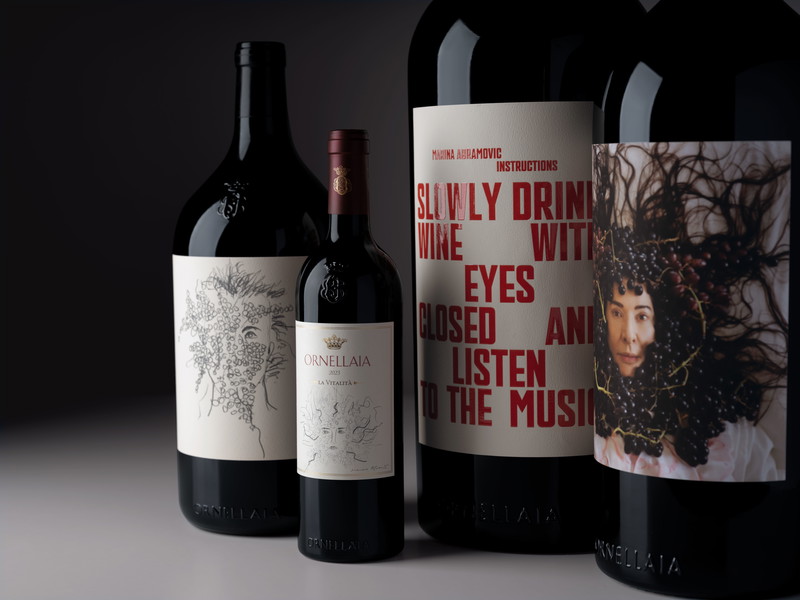 WineMarina Abramović Interprets Ornellaia 2023 “La Vitalità”Marina Abramović interprets Ornellaia 2023 La Vitalità through a striking series of artist labels...
 -
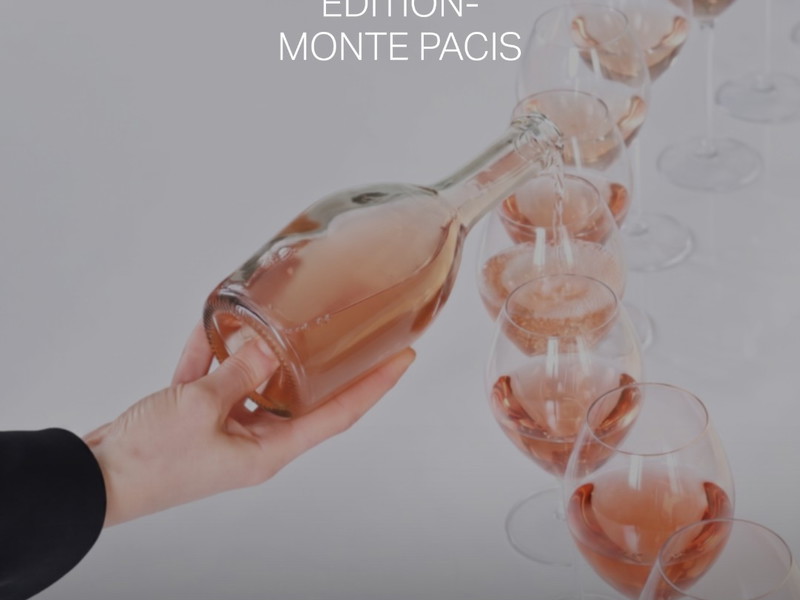 LithuaniaLe Rosé at Monte Pacis: A Celebration of Rosé Culture by the Kaunas LagoonAs rosé continues to gain recognition as one of the most versatile styles of wine, dedicated...
 -
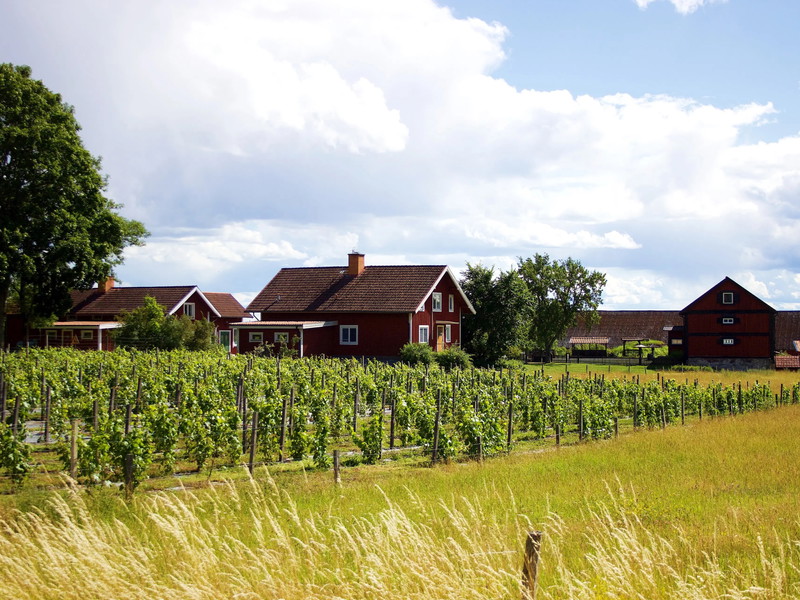 SwedenFive Swedish Vineyards Made for a Summer StayGuided tours among the vines, tastings, al fresco meals and no need to nominate a designated...
 -
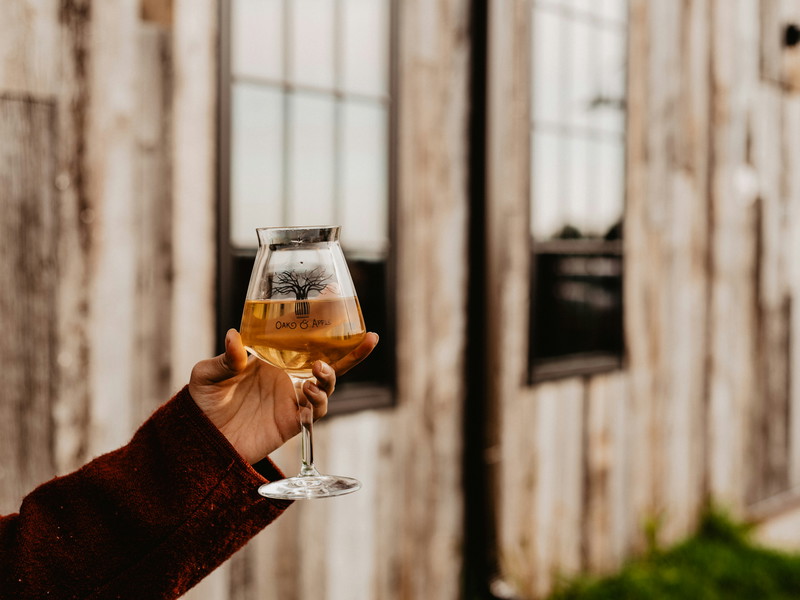 VilniusWhy Should Cider Lovers Head to Vilnius This June?Cider is having a quiet boom across the Baltics, and this June Vilnius is marking that moment with...
 -
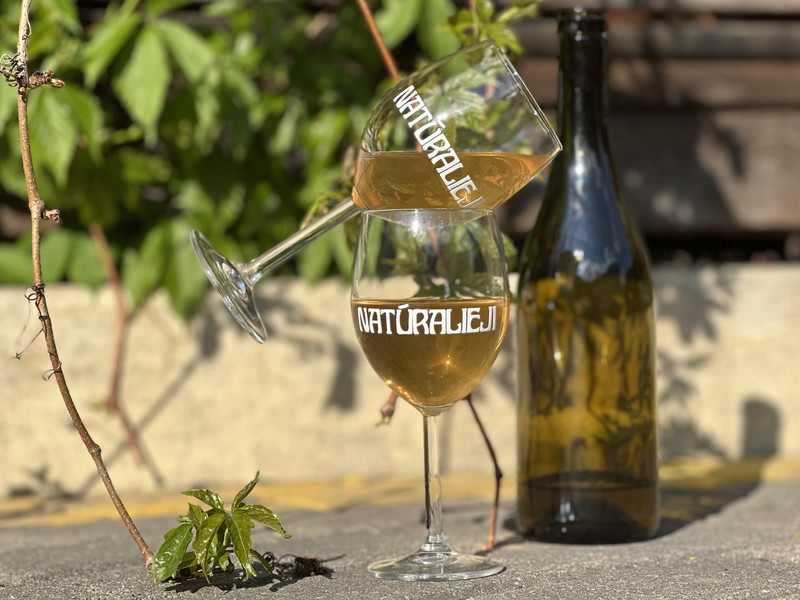 LithuaniaNatural Wine Takes the Stage in Vilnius This MayOn May 23, Vilnius will host The Naturals - a new wine fair bringing together 11 local...
 -
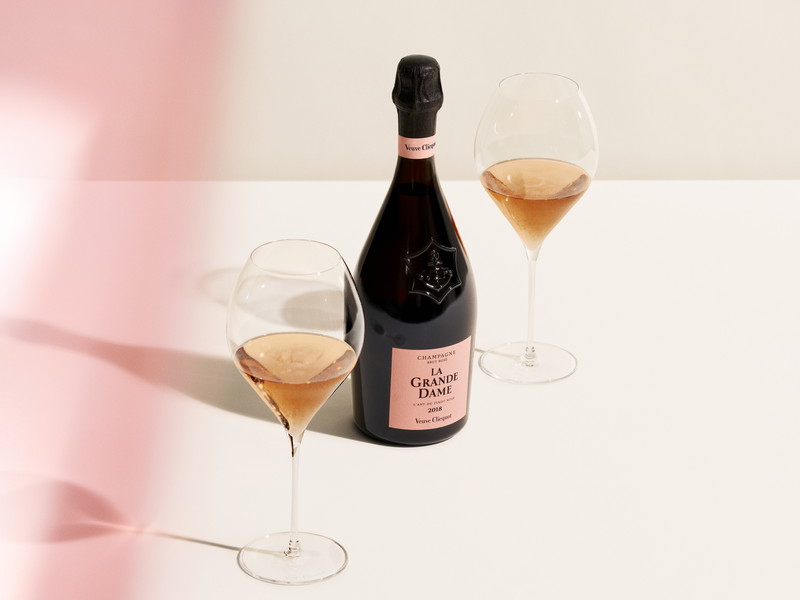 RoséVeuve Clicquot Unveils La Grande Dame Rosé 2018With Veuve Clicquot’s new “La Grande Dame Rosé 2018,” the Champagne house celebrates 200...