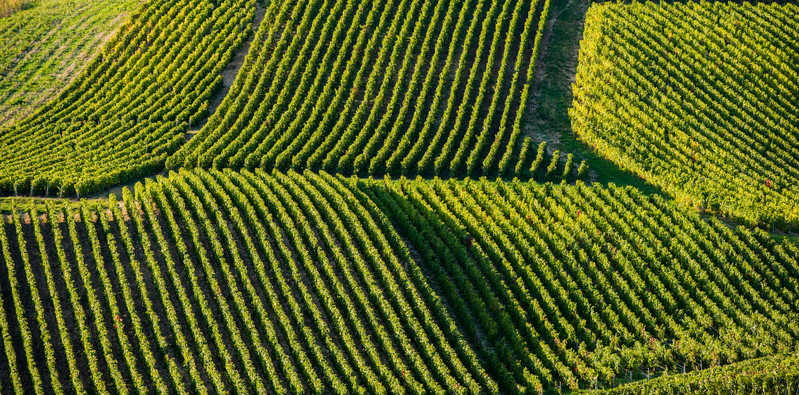
If you enter the Graves region south of today's wine metropolis Bordeaux, you will find yourself in the original birthplace of the Bordeaux region, because it was here around 2000 BC. The first vineyards were planted by the Romans in the 1st century BC, from where they continued to spread over the centuries. The Romans called the region, located between the Atlantic Ocean and the Garonne River, which also plays an important microclimatic role, Aquitaine. They christened the flourishing city with the name Burdigala, from which the later name Bordeaux developed - "Au borde de l'Eau", which means something like "On the banks of the water". The region is characterized by great Bordeaux history. One of these numerous stories is that the then Archbishop of Bordeaux Bernard de Goth, who later became Pope Clement V, founded a chateau around 1300 that would become famous for its wines centuries later under the name Chateau Pape-Clément. At the end of the 19th century, the vineyard area amounted to a good 10,000 hectares, which was subsequently significantly reduced by phylloxera and the growth of the city of Bordeaux. In 1937 the region received the right to its own designation of origin. The vineyard area was drastically reduced again in 1987, when the northern part of the region directly adjacent to Bordeaux was separated and given its own origin under the name Pessac-Léognan. This meant that Graves lost all of its classified chateaus, as the 1953 classification had included 16 chateaus, all of which were in the newly created Pessac-Léognan origin. The name Graves says it all, because it refers to the large pebbles or stones that determine the nutrient-poor soil in the vineyards. On cool nights, these pebbles fulfill an important function because they give off heat to the vines. However, in today's times of climate change, this can become a problem because too much heat also noticeably increases the alcohol content in the wine. However, one can still speak of overall very favorable microclimatic conditions. Grave's origin applies to both white and red wines, with the focus clearly on red wine. Today this is grown on an area of around 2,500 hectares and is essentially made from Cabernet Sauvignon and Merlot. In addition to the typical pebbles already mentioned, the terroir also has alluvial sand and clay deposits. These wines can mature and age well for a period of up to 15 years, and some even longer. Approximately 750 hectares are made up of white wine, made from the Sauvignon Blanc and Sémillon grape varieties. Both varieties find ideal conditions on the pebbly soil mixed with sand, sandstone and clay. These wines are usually drunk relatively young in the first 5-6 years, but the best ones have good ripeness and aging potential. A 10-15 kilometer long strip, Graves extends for around 60 kilometers to the south. On average, around 20 million bottles are produced annually. Since there are no classified chateaus in the region, it lacks a little of the reputation and glamor that is typical of the famous communities in Bordeaux. The wines (still) offer a fairly good price/performance ratio.
The best wines from Graves
France


-
TastingBordeaux 2024 En PrimeurWith its delicate, fresh red wines, the 2024 Bordeaux vintage takes us back to the old days, when cool, damp weather conditions regularly pr...
-
TastingNews on the wine market 2025The Falstaff wine editors-in-chief from Austria, Germany and Switzerland regularly receive new products from the wine market for tasting and...
-
TastingBordeaux 2020 Arrivage in 2023Im Rahmen der Arrivage-Verkostungen des Jahrgangs 2020 in Bordeaux haben wir für Sie im Jänner 2023 erstmals viele der Zweitweine der klass...
-
-
TastingBordeaux 2021 En PrimeurEin Jahr der Leichtigkeit und Frische Text: PETER MOSER »Es war ausnahmsweise kein Jahrgang des Jahrhunderts, sondern nur der Jahrgang diese...
-
TastingSpring tasting 2022Peter Moser hat »Allerlei aus unterschiedlichen Ländern« für Sie verkostet, bewertet und aussagekräftig beschrieben.
-
TastingEn Primeur 2021: Graves-Top Wines from 202028.05.2021, Falstaff Magazine Austria No. 4/2021, Peter Moser
-
TastingJust LaunchedRegelmäßig verkosten die Falstaff-Teams Neuigkeiten auf dem Weinmarkt – darunter sind Entdeckungen in allen Preisklassen.
-
-
-
TastingBordeaux 2018 En PrimeurWas ist vom Jahrgang 2018 zu halten? Falstaff kostete sich durch hunderte Jungweinproben und gelangte zu dem Ergebnis: Spitzenweine in allen...


Best wines from this region
206 entries
sort by
2023 Saint Robert Blanc
Crus et Domaines de France
Graves,
Bordeaux,
France
White Wine
Sauvignon Blanc
13,5%

94
2010 Château Branon
Château Branon
Graves,
Bordeaux,
France
Red Wine

93+
2022 Grand Vin de Château Lesparre
Château Lesparre
Graves,
Bordeaux,
France
Red Wine
93
2015 Le Clarence de Haut-Brion
Château Haut-Brion
Graves,
Bordeaux,
France
Red Wine
Cabernet Sauvignon
93
2025 Château Chantegrive Blanc »Caroline«
Château de Chantegrive
Graves,
Bordeaux,
France
White Wine

92
2025 Château Saint-Robert „Cuvée Poncet Deville”
Château Saint-Robert Poncet-Deville
Graves,
Bordeaux,
France
Red Wine
92
2025 Clos Floridène
Château Clos Floridène
Graves,
Bordeaux,
France
Red Wine
92
2025 Clos Floridène Blanc
Château Clos Floridène
Graves,
Bordeaux,
France
White Wine
92
2023 Clos Floridène
Château Clos Floridène
Graves,
Bordeaux,
France
Red Wine
92
2023 Clos Floridène
Château Clos Floridène
Graves,
Bordeaux,
France
White Wine
92
2022 Château de Chantegrive
Château de Chantegrive
Graves,
Bordeaux,
France
Red Wine
92
2022 Clos Floridène
Château Clos Floridène
Graves,
Bordeaux,
France
Red Wine
92
2021 Château Chantegrive Blanc »Caroline«
Château de Chantegrive
Graves,
Bordeaux,
France
White Wine
92
2021 Château Les Clauzots Blanc
Château Les Clauzots
Graves,
Bordeaux,
France
White Wine
92
2020 Château de Chantegrive Blanc "Cuvée Caroline"
Château de Chantegrive
Graves,
Bordeaux,
France
White Wine
13,5%
92
2020 „A“ Château d'Arche Blanc sec
Château d'Arche
Graves,
Bordeaux,
France
White Wine
Sémillon
12,5%
92
2020 Agora du Château des Places
Château des Places
Graves,
Bordeaux,
France
Red Wine
92
2020 Clos Floridène Blanc
Château Clos Floridène
Graves,
Bordeaux,
France
White Wine
92
2019 Château Rahoul
Château Rahoul
Graves,
Bordeaux,
France
Red Wine
92
2019 Château Tourteau Chollet
Château Tourteau Chollet
Graves,
Bordeaux,
France
Red Wine
13,5%
92
Wine-News
-
 InterviewThe Godfather of RoséSacha Lichine shaped the world of rosé wine like no other winemaker. After purchasing Château...
 -
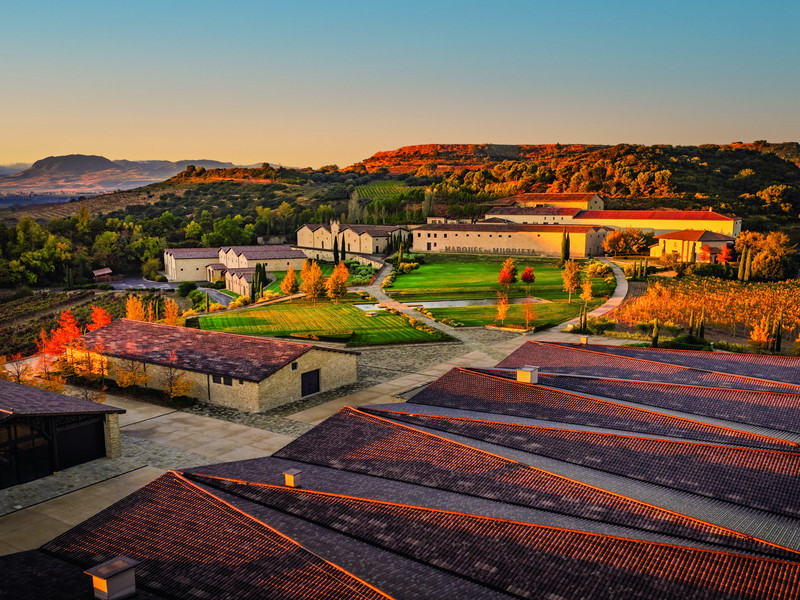 RiojaHard to find and incredibly exciting: Rioja shows its white sideAnyone who has only known Rioja as a region for red wine has been missing out. White wines and...
 -
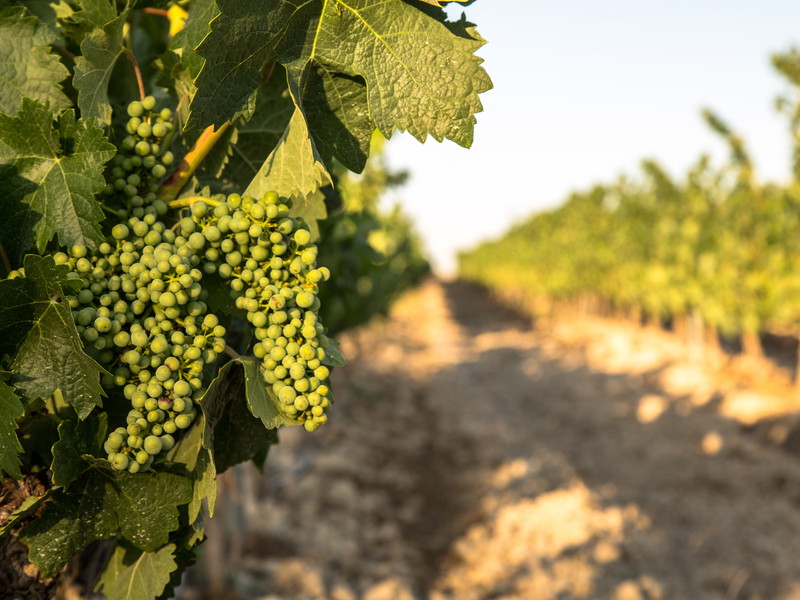 TastingThe Best of White Rioja: Our HighlightsWhite Rioja demonstrates just how complex, full of character, and surprising the famous Spanish...
 -
 WineGuests Trust People More Than AI When Choosing WineA new study shows that while digital channels are becoming increasingly important in wine...
 -
 ChampagneBollinger Appoints Émilien Boutillat as New Cellar MasterÉmilien Boutillat has been appointed as the new Cellar Master of the Champagne house Bollinger. He...
 -
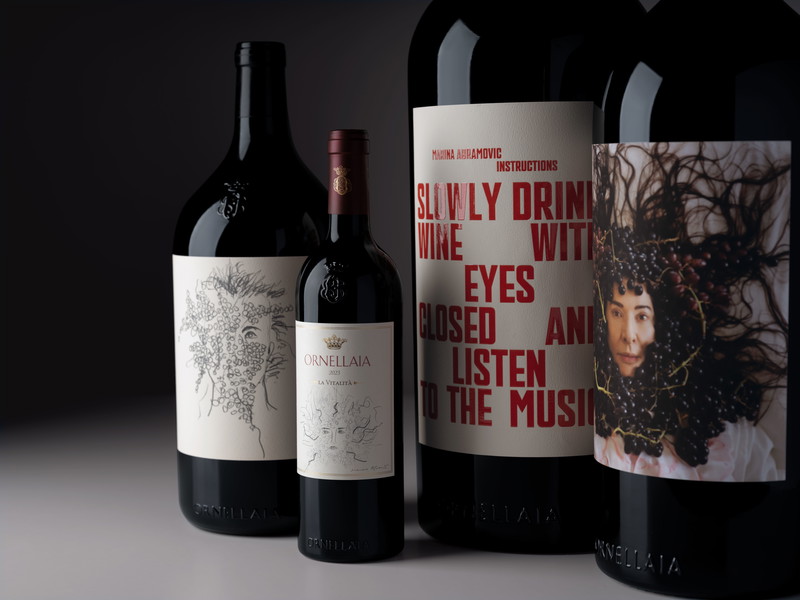 WineMarina Abramović Interprets Ornellaia 2023 “La Vitalità”Marina Abramović interprets Ornellaia 2023 La Vitalità through a striking series of artist labels...
 -
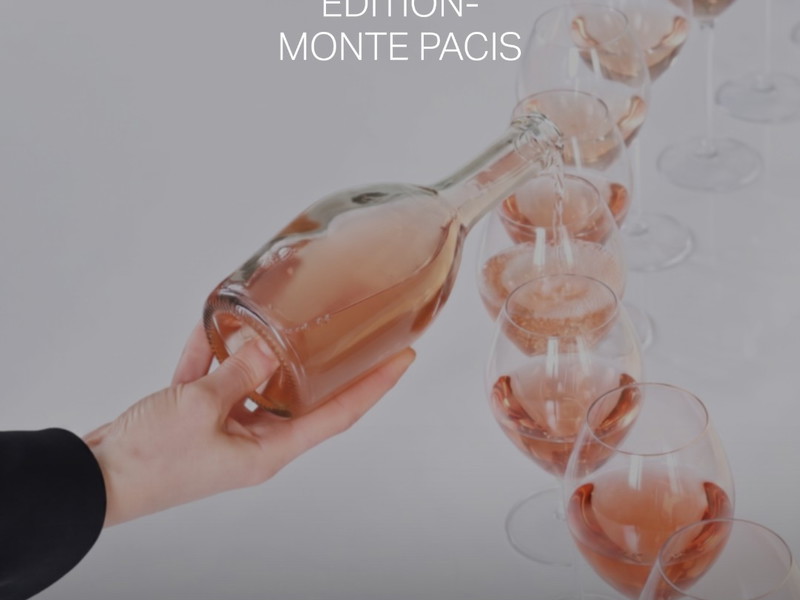 LithuaniaLe Rosé at Monte Pacis: A Celebration of Rosé Culture by the Kaunas LagoonAs rosé continues to gain recognition as one of the most versatile styles of wine, dedicated...
 -
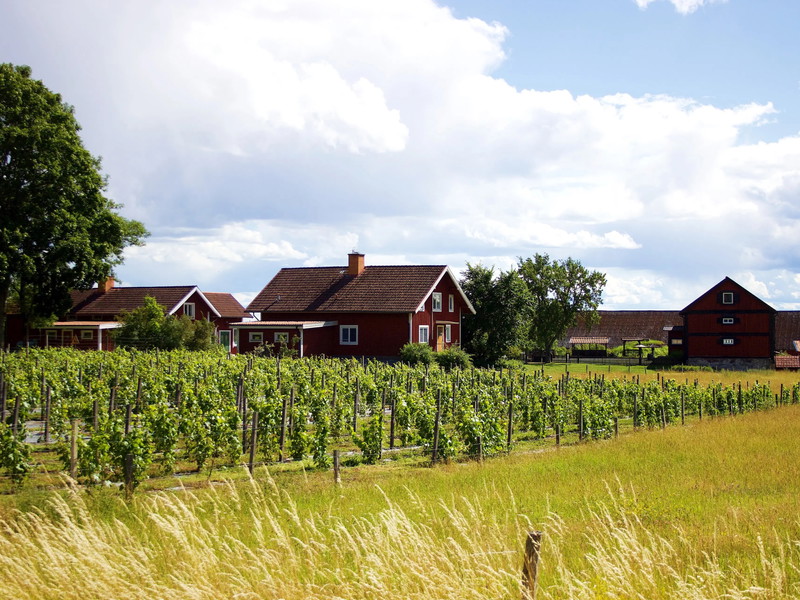 SwedenFive Swedish Vineyards Made for a Summer StayGuided tours among the vines, tastings, al fresco meals and no need to nominate a designated...
 -
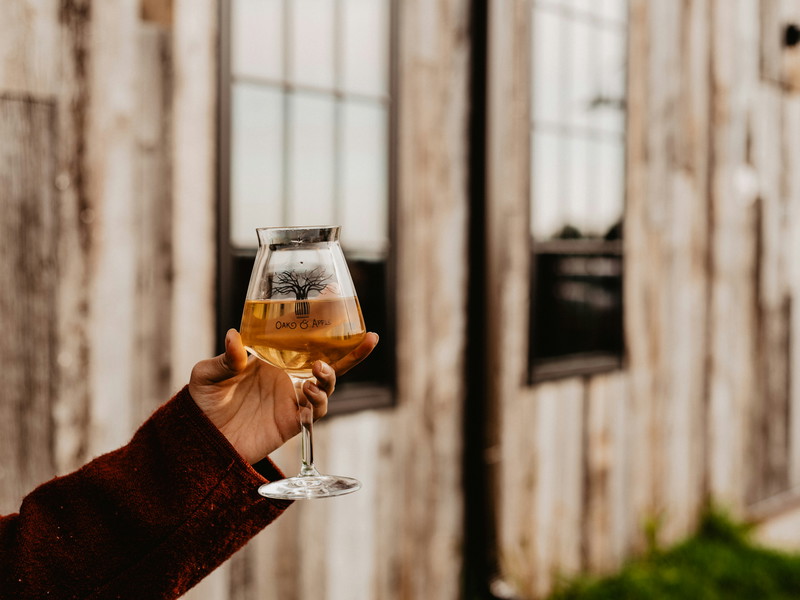 VilniusWhy Should Cider Lovers Head to Vilnius This June?Cider is having a quiet boom across the Baltics, and this June Vilnius is marking that moment with...
 -
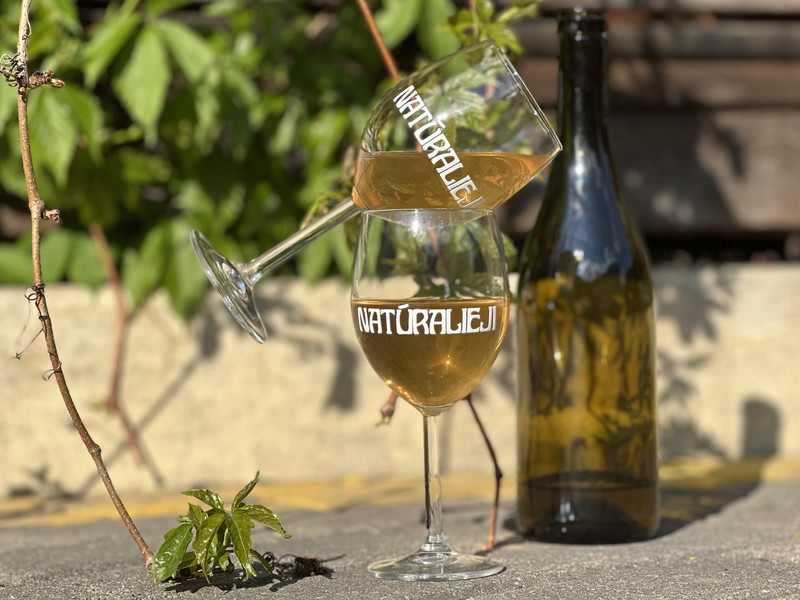 LithuaniaNatural Wine Takes the Stage in Vilnius This MayOn May 23, Vilnius will host The Naturals - a new wine fair bringing together 11 local...
 -
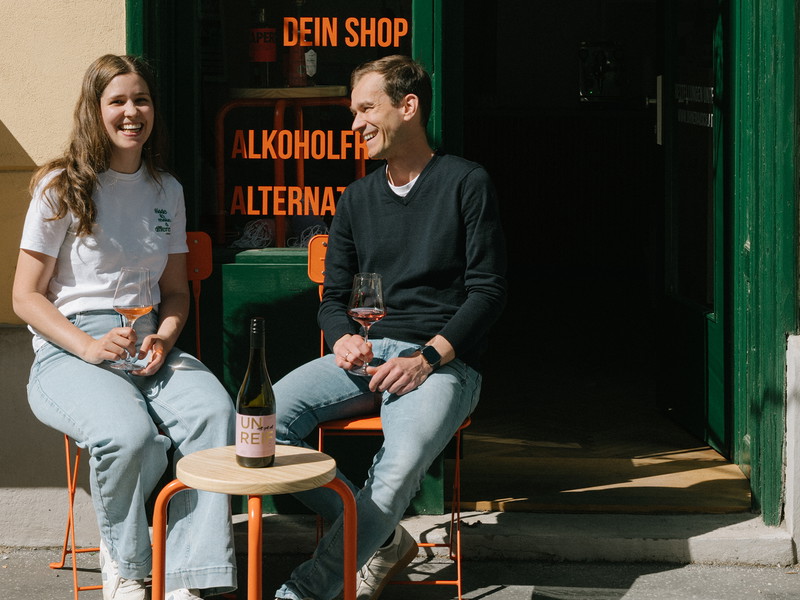 Alcohol-free"Ohnerausch" opens first store with non-alcoholic drinks in ViennaLisa and Philipp Smula open their first store for non-alcoholic drinks – from bitters and proxies...
 -
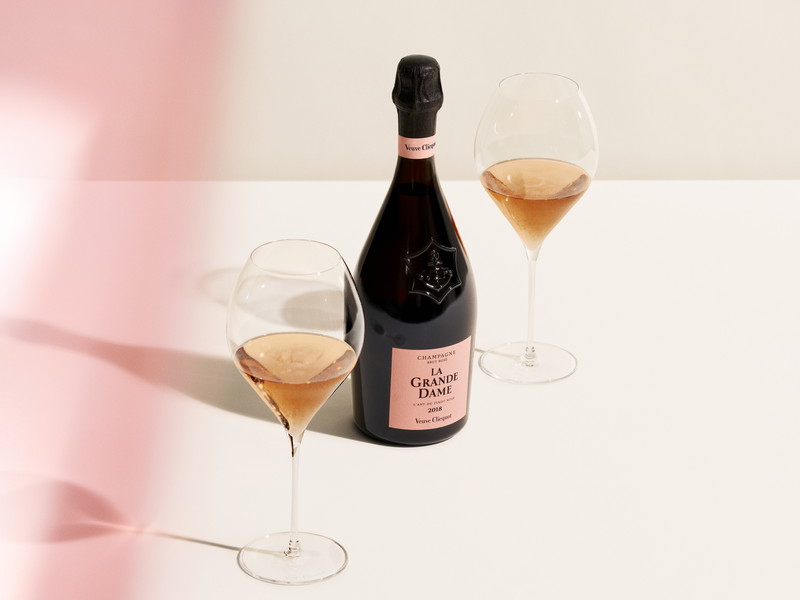 RoséVeuve Clicquot Unveils La Grande Dame Rosé 2018With Veuve Clicquot’s new “La Grande Dame Rosé 2018,” the Champagne house celebrates 200...