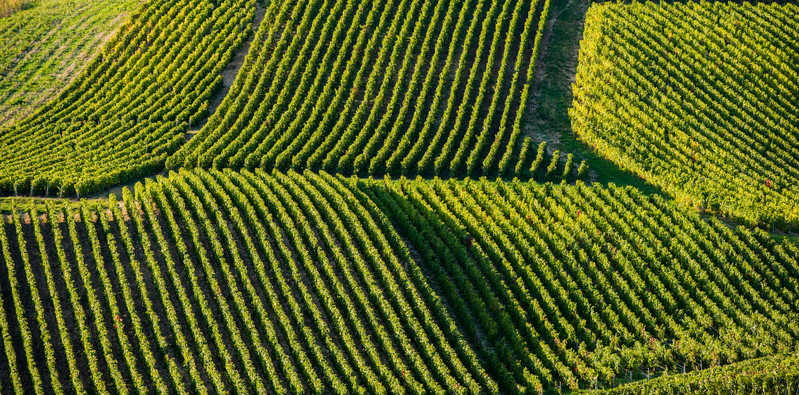
In the middle of southern Graves, a very special region, the Sauternes growing area, protrudes into the predominance of red wines, because sweet white wines of a very special kind dominate here. The region is spread over 5 municipalities, of which only the eponymous Sauternes and the neighboring and much larger municipality of Barsac are of particular importance. The municipality of Sauternes is also home to Chateau d'Yquem, an icon of the Bordelais with an almost legendary reputation, whose wines are revered and celebrated as divine nectar by the international wine world and are among the rarest and most sought-after of all. In fact, a bottle of Chateau d'Yquem offers a unique and unforgettable wine enjoyment in its fineness, density and complexity, because in hardly any sweet wine in the world is the sweetness so fine and subtle, despite its immense density, that it does not cover up anything in the complex play of aromas. A good bottle of D'Yquem also has an almost inexhaustible maturation and aging potential. But you shouldn't forget that other chateaus here can also produce great wines. The secret of the wines of Sauternes is based not only on the excellent nature of the terroir made of pebbles and limestone, not only on the special combination of the Sémillon, Sauvignon Blanc and some Muscadelle grape varieties, but also on a very special peculiarity of the microclimate. The cold river Ciron flows through Sauternes and flows here into the warmer Garonne. In autumn, fog forms here, which promotes the development of a special fungus on the grapes, known by experts as Botrytis Cinerea. This fungus perforates the individual berries, removes the water from them and allows it to evaporate, causing them to shrink, but instead developing an intoxicating, sweet juice in their core. The harvest is complicated and can take several weeks, as the individual berries are picked by experienced harvesters in up to 6 harvesting rounds and sometimes more if necessary. The appellation regulations allow a maximum of 25 hectoliters / hectare, at Chateau d'Yquem you only get 9 hectoliters / hectare, which corresponds to roughly one glass of wine per vine. The cuvée is also an art in itself, because the Sémillon, which is susceptible to botrytis, must also be accompanied by acid in perfect balance, which the Sauvignon Blanc provides. The Muscadelle is intended to provide further aromatic complexity. The wines are then aged in the barriques typical of Bordeaux, completely or only partially new, depending on the desired style. The 1855 classification also classified the chateaus of Sauternes and Barsac. Chateau d'Yquem documents its exceptional position with the unique selling point of a Premier Cru Superieur, followed by 11 Premier Cru Classés and 15 Deuxièmes Cru Classés. In addition to Chateau d'Yquem, the chateaus La Tour Blanche, Lafaurie-Peyraguey, Suduiraut, RIeussec and Doisy-Daëne also enjoy an outstanding international reputation.
The best wines from Sauternes
France


-
TastingBordeaux 2024 En PrimeurWith its delicate, fresh red wines, the 2024 Bordeaux vintage takes us back to the old days, when cool, damp weather conditions regularly pr...
-
-
-
TastingBordeaux 2020 Arrivage in 2023Im Rahmen der Arrivage-Verkostungen des Jahrgangs 2020 in Bordeaux haben wir für Sie im Jänner 2023 erstmals viele der Zweitweine der klass...
-
-
TastingShortlist Germany 9/2022Weine aus aller Welt - aktuell im Handel. Woche für Woche bekommt die Falstaff-Wein-Redaktion Flaschenpost von Weinhändlern, die neue Produk...
-
TastingShortlist Germany 5/2022Weine aus aller Welt - aktuell im Handel Woche für Woche bekommt die Falstaff-Wein-Redaktion Flaschenpost von Weinhändlern, die neue Produk...
-
TastingBordeaux 2021 En PrimeurEin Jahr der Leichtigkeit und Frische Text: PETER MOSER »Es war ausnahmsweise kein Jahrgang des Jahrhunderts, sondern nur der Jahrgang diese...
-
TastingFalstaff International Château de Fargues Tasting London 202201.01.2022, Falstaff Online International 2022, Victoria Daskal
-
TastingFalstaff International Château d'Yquem London Vertical 202201.01.2022, Falstaff Online International 2022, Robin Lee
-
TastingWorld Champions: Pierre LurtonZwei der bekanntesten Marken des Luxusgüterkonzerns LVMH sind in Bordeaux zu Hause. Durch Güterdirektor Pierre Lurton strahlen die Weine der...

Best wines from this region
523 entries
sort by
2009 Château d'Yquem
Château d'Yquem
Sauternes,
Bordeaux,
France
Sweet and Dessert Wine
14%

100
2009 Château d'Yquem Doppelmagnum ex-château
Château d'Yquem
Sauternes,
Bordeaux,
France
White Wine
Sémillon
14%

100
2001 Château d'Yquem
Château d'Yquem
Sauternes,
Bordeaux,
France
White Wine
100
1967 Château d'Yquem
Château d'Yquem
Sauternes,
Bordeaux,
France
Sweet and Dessert Wine
100
1945 Château d'Yquem
Château d'Yquem
Sauternes,
Bordeaux,
France
Sweet and Dessert Wine
Sémillon
100
2001 Château Rieussec
Château Rieussec
Sauternes,
Bordeaux,
France
Sweet and Dessert Wine
99
2022 Château d‘Yquem
Château d'Yquem
Sauternes,
Bordeaux,
France
White Wine
13,5%
98
2021 Château Yquem
Château d'Yquem
Sauternes,
Bordeaux,
France
White Wine
14%
98
2011 Château d'Yquem
Château d'Yquem
Sauternes,
Bordeaux,
France
Sweet and Dessert Wine
98
2007 Château d'Yquem
Château d'Yquem
Sauternes,
Bordeaux,
France
Sweet and Dessert Wine
Sémillon
14%
98
2001 Château Suduiraut
Château Suduiraut
Sauternes,
Bordeaux,
France
Sweet and Dessert Wine
98
2025 Château Lafaurie-Peyraguey
Château Lafaurie-Peyraguey
Sauternes,
Bordeaux,
France
Sweet and Dessert Wine
Sémillon
Sémillon
97
2025 Château Suduiraut
Château Suduiraut
Sauternes,
Bordeaux,
France
Sweet and Dessert Wine
Sémillon
13,9%
97
2022 Château Suduiraut
Château Suduiraut
Sauternes,
Bordeaux,
France
Sweet and Dessert Wine
Sémillon
14%
97
2020 Château Yquem
Château d'Yquem
Sauternes,
Bordeaux,
France
White Wine
97
2019 Château d'Yquem
Château d'Yquem
Sauternes,
Bordeaux,
France
Sweet and Dessert Wine
14,5%
97
2018 Château d'Yquem
Château d'Yquem
Sauternes,
Bordeaux,
France
Sweet and Dessert Wine
Sémillon
13,5%
97
2015 Château d'Yquem
Château d'Yquem
Sauternes,
Bordeaux,
France
Sweet and Dessert Wine
Sémillon
14%
97
2013 Château d'Yquem
Château d'Yquem
Sauternes,
Bordeaux,
France
Sweet and Dessert Wine
13%
97
2011 Château Rieussec
Château Rieussec
Sauternes,
Bordeaux,
France
Sweet and Dessert Wine
97
Wine-News
-
 InterviewThe Godfather of RoséSacha Lichine shaped the world of rosé wine like no other winemaker. After purchasing Château...
 -
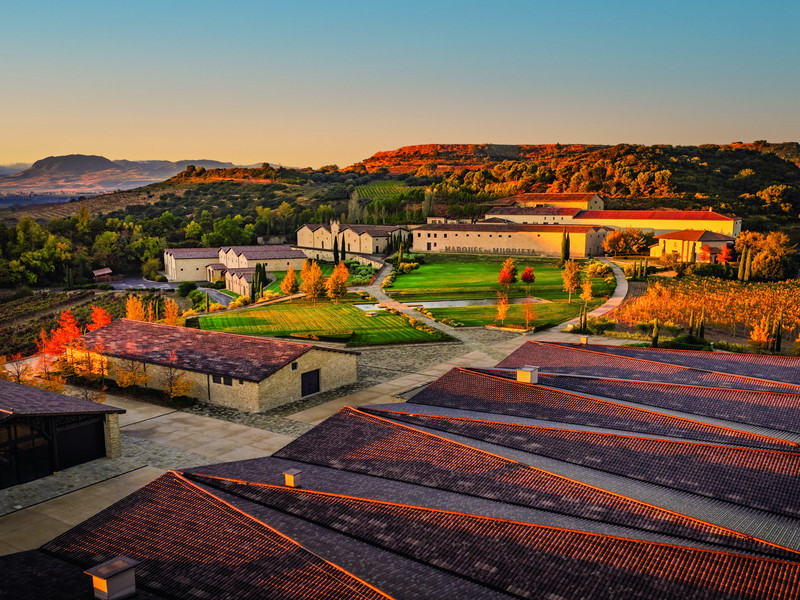 RiojaHard to find and incredibly exciting: Rioja shows its white sideAnyone who has only known Rioja as a region for red wine has been missing out. White wines and...
 -
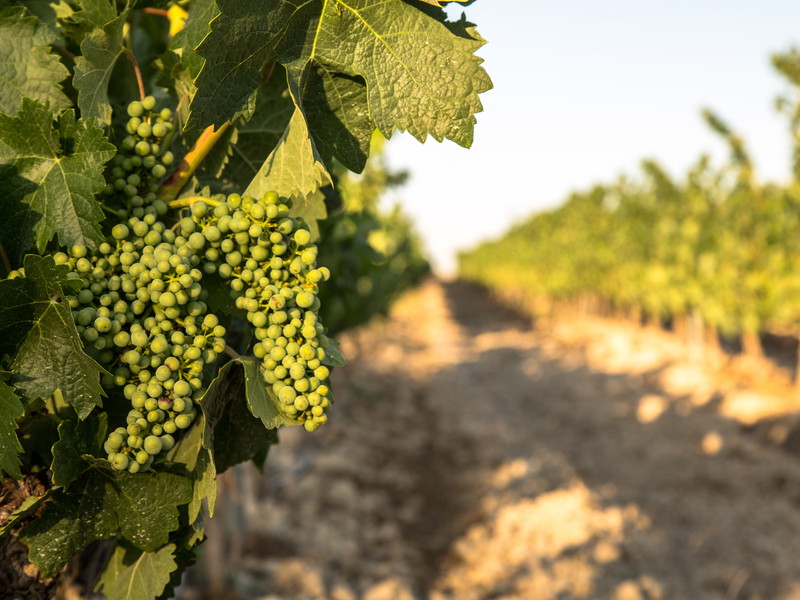 TastingThe Best of White Rioja: Our HighlightsWhite Rioja demonstrates just how complex, full of character, and surprising the famous Spanish...
 -
 WineGuests Trust People More Than AI When Choosing WineA new study shows that while digital channels are becoming increasingly important in wine...
 -
 ChampagneBollinger Appoints Émilien Boutillat as New Cellar MasterÉmilien Boutillat has been appointed as the new Cellar Master of the Champagne house Bollinger. He...
 -
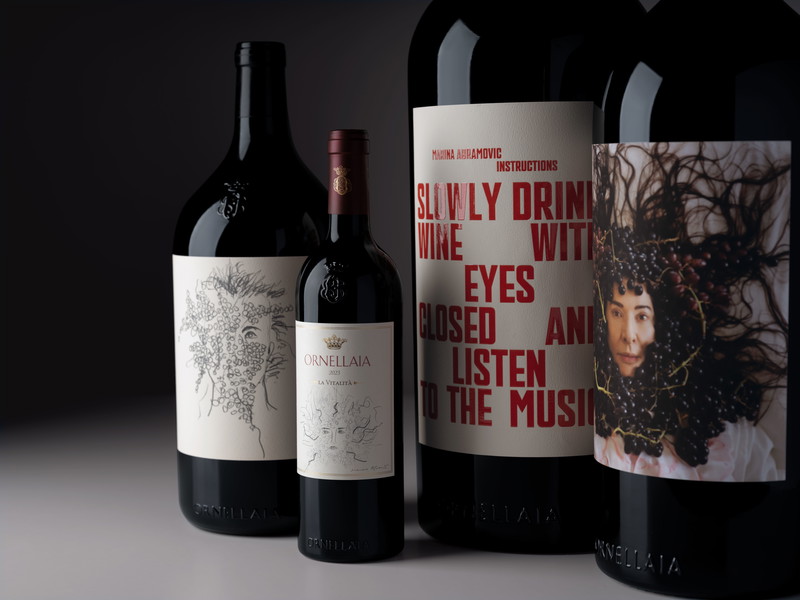 WineMarina Abramović Interprets Ornellaia 2023 “La Vitalità”Marina Abramović interprets Ornellaia 2023 La Vitalità through a striking series of artist labels...
 -
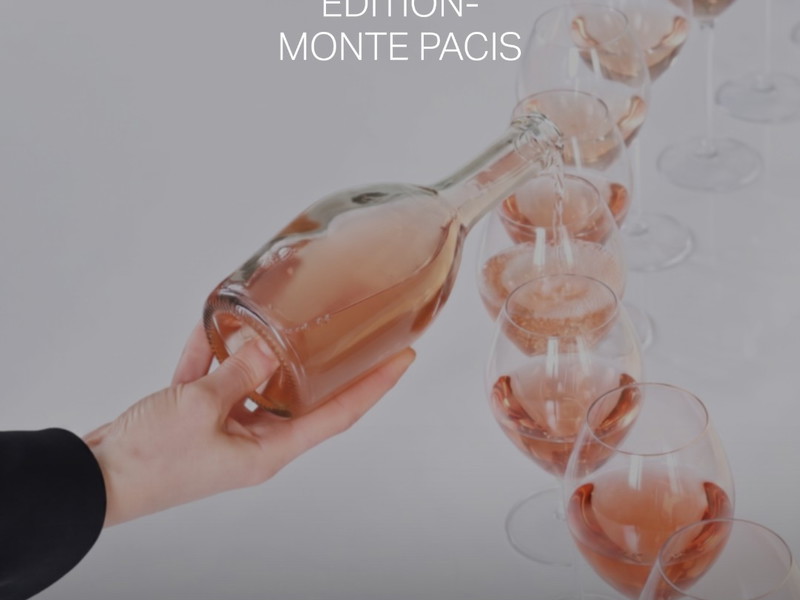 LithuaniaLe Rosé at Monte Pacis: A Celebration of Rosé Culture by the Kaunas LagoonAs rosé continues to gain recognition as one of the most versatile styles of wine, dedicated...
 -
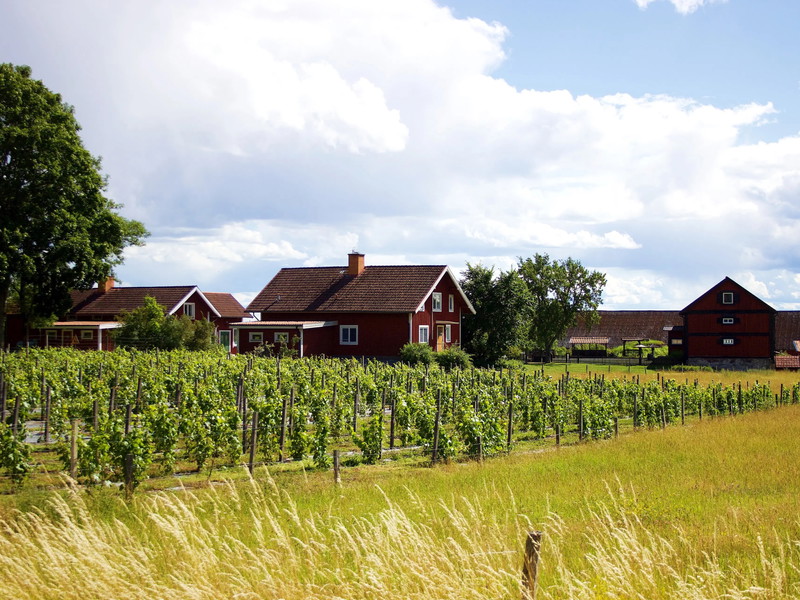 SwedenFive Swedish Vineyards Made for a Summer StayGuided tours among the vines, tastings, al fresco meals and no need to nominate a designated...
 -
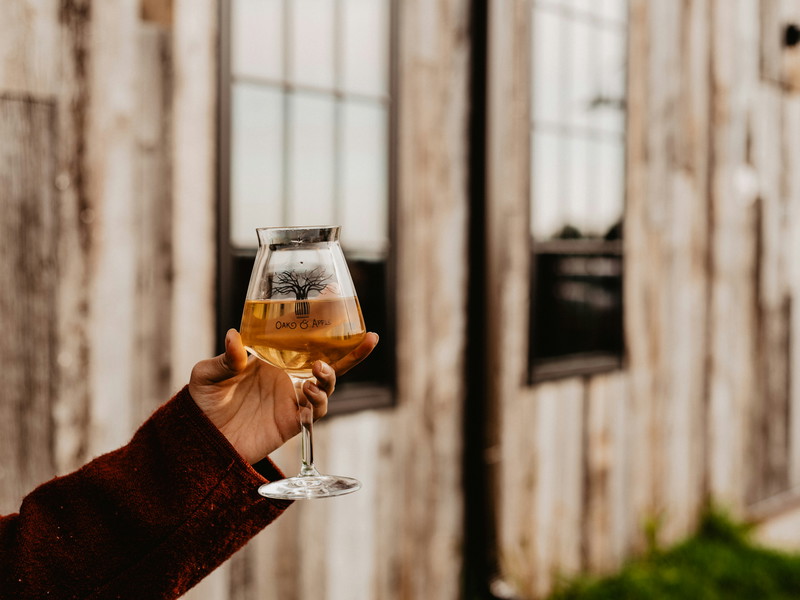 VilniusWhy Should Cider Lovers Head to Vilnius This June?Cider is having a quiet boom across the Baltics, and this June Vilnius is marking that moment with...
 -
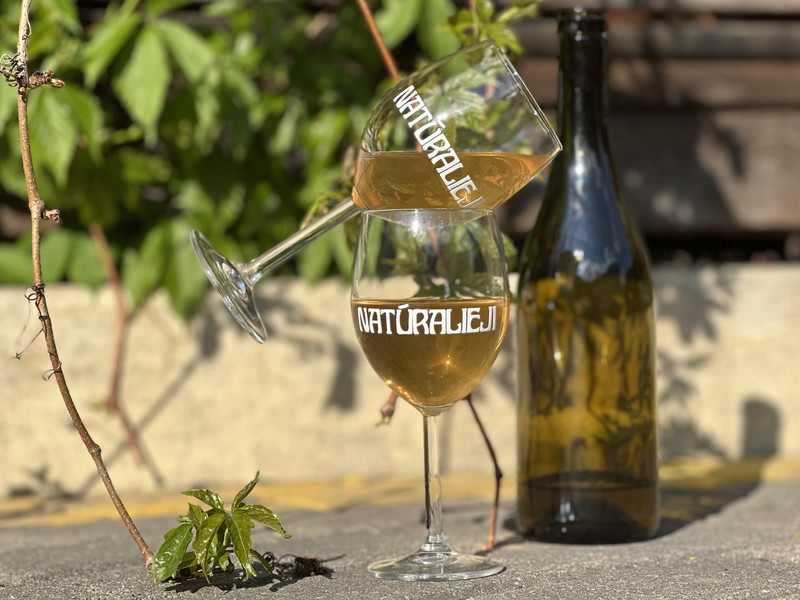 LithuaniaNatural Wine Takes the Stage in Vilnius This MayOn May 23, Vilnius will host The Naturals - a new wine fair bringing together 11 local...
 -
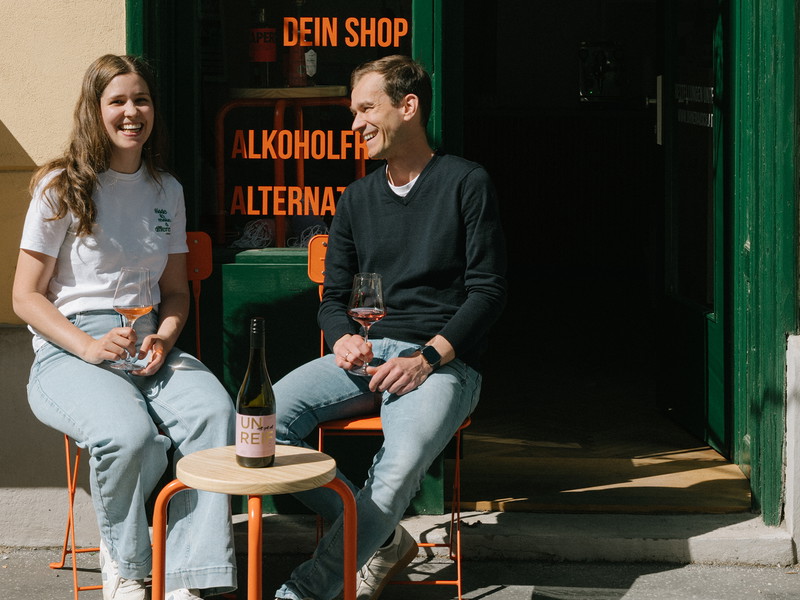 Alcohol-free"Ohnerausch" opens first store with non-alcoholic drinks in ViennaLisa and Philipp Smula open their first store for non-alcoholic drinks – from bitters and proxies...
 -
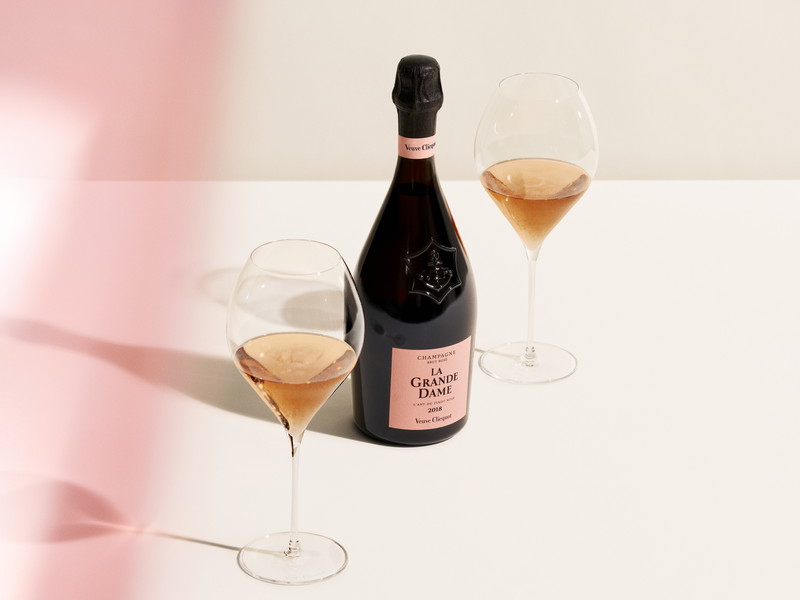 RoséVeuve Clicquot Unveils La Grande Dame Rosé 2018With Veuve Clicquot’s new “La Grande Dame Rosé 2018,” the Champagne house celebrates 200...