Skip to content

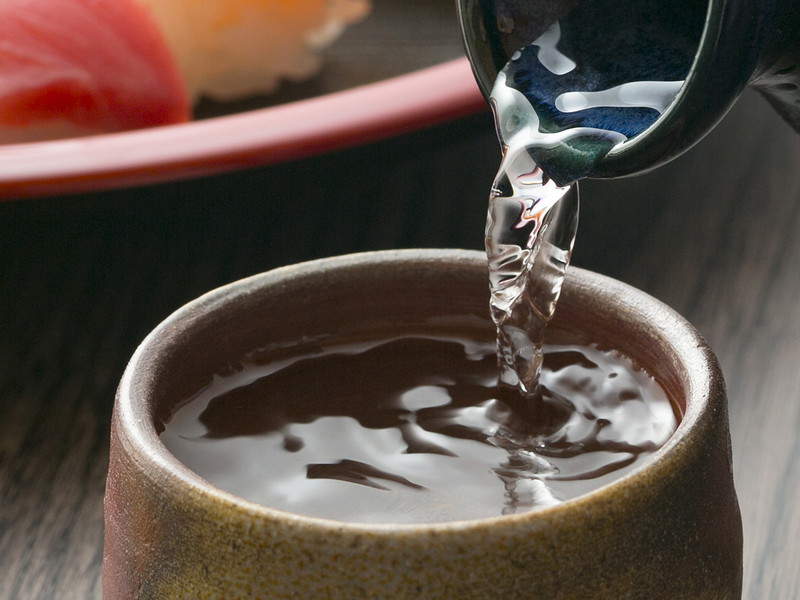
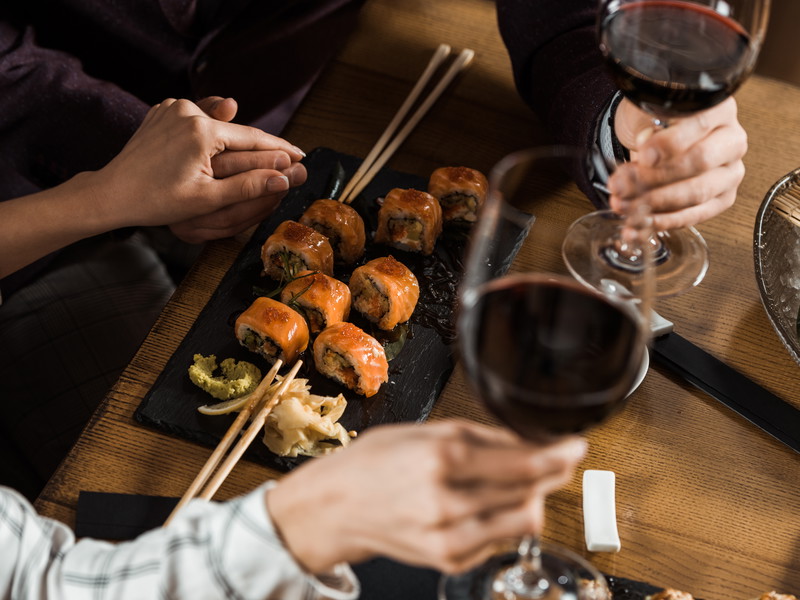
The ceremonial sharing of sake is still a key part of important events in Japan, such as closing business deals. But sake is also part of family celebrations or get-togethers with friends.

The ceremonial sharing of sake is still a key part of important events in Japan, such as closing business deals. But sake is also part of family celebrations or get-togethers with friends.
© Ueno Gourmet

Kampai! Everything you need to know about sake

Japan
Wine Inspiration

Some call it the essence of the Japanese soul. A fitting metaphor for sake, a spirit that embodies values like tradition, craftsmanship, precision and the pursuit of perfection. But what is it exactly – and what are the best ways to enjoy it? Incidentally, "Kampai" (or "Kanpai") translates as "dry glass". Bottoms up!

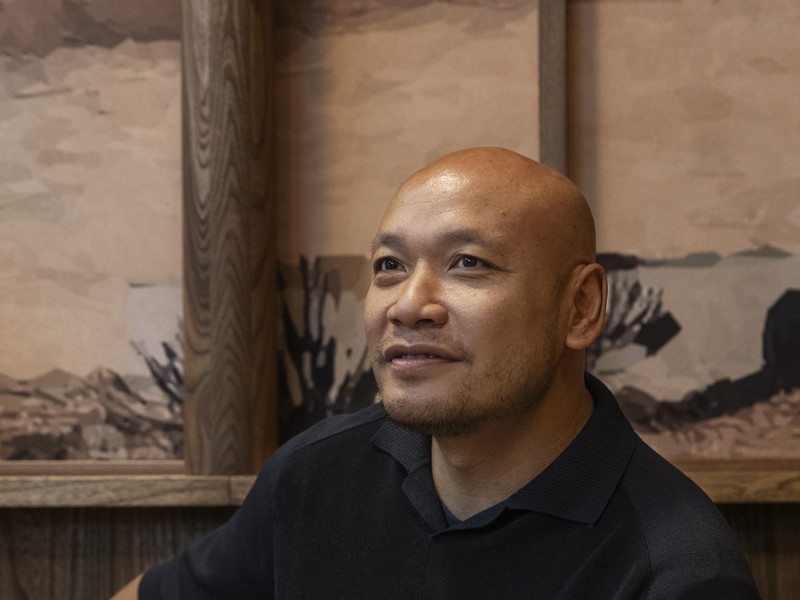
For westerners, sake has many intriguing qualities: its aromatic diversity is quite impressive, ranging from light and fresh to fruity and aromatic to full umami. But even the Japanese sometimes need a little time to warm up to their national drink. This was the case for Yoshiko Ueno-Müller, the first woman to be awarded the title "Master of Sake Tasting". Her favorite gateway to the world of rice brewing? A premium sake from the snowy north of Japan:

I still recommend this to every newcomer: Always go for premium sake, because life is too short for bad sake.

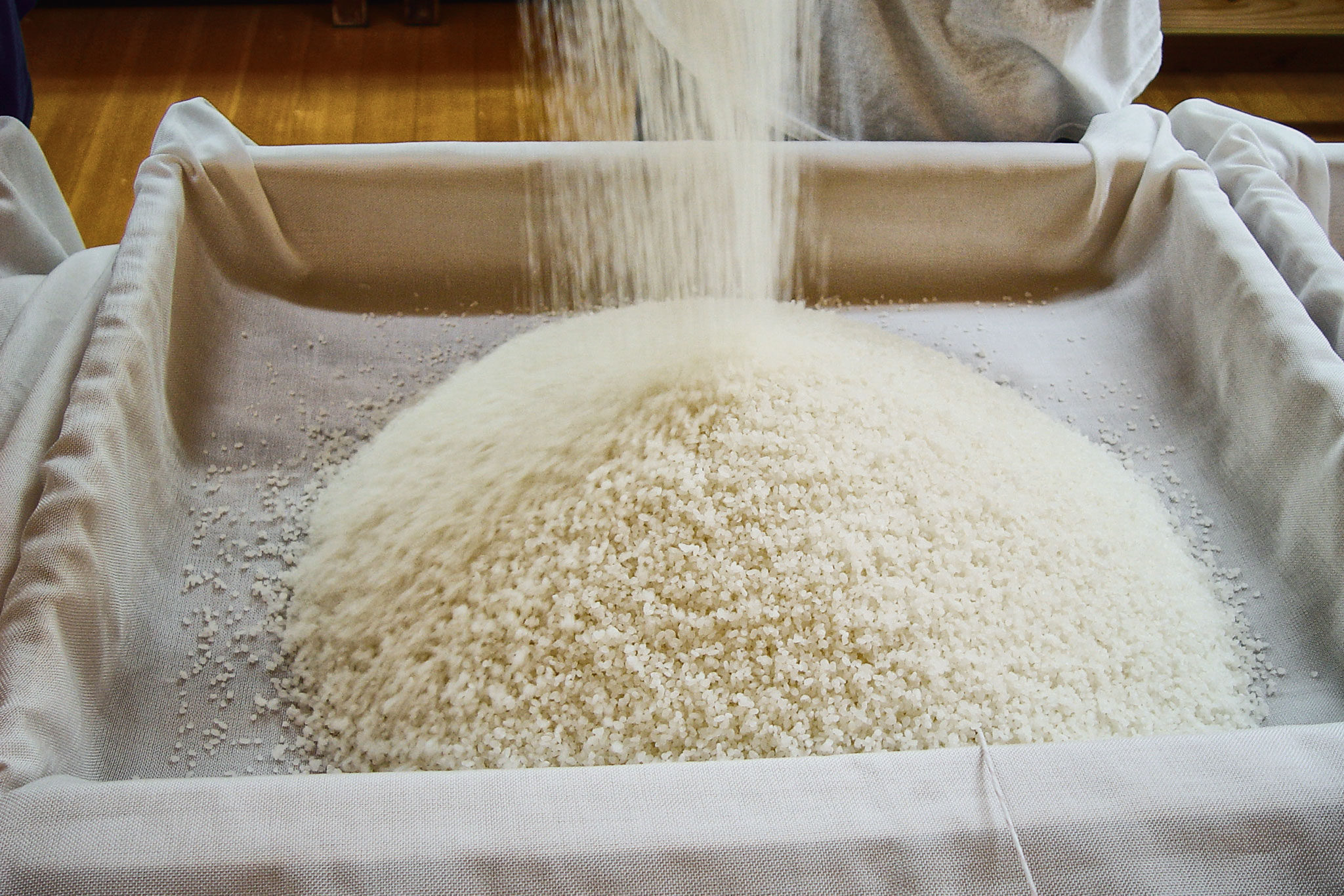
Fortunately, there is no need to worry about breaking the bank right from the start, as premium sake has less to do with price than with how much polished rice is used. Before brewing, the is rice polished until only a small part of the grain remains – the more polishing, the less is left. This, alongside the proportion of rice inoculated with the koji mushroom used for fermentation determines whether a sake is considered premium or not. However, sake sommelier Ueno-Müller is also aware of the image the drink has abroad. "In large parts of Europe, sake is understood to be a tasteless liquor served warm. However, these industrial sakes are often mixed with neutral alcohol or artificial additives and are not representative of millennia of brewing tradition. The term "sake" is also not protected outside of Japan, which is why even cheap liquor can be sold as sake." Overall, however, the premium segment is enjoying a renaissance, and not just among Japanese. This is mainly due to a young generation of sake brewers who, thanks to a great deal of commitment and numerous fresh ideas, have caused a sake revival: Currently, there are around 1,200 active breweries and international recognition is on the rise. But how is it possible to craft a drink of such elegant sweetness, delicate fruitiness and rich umami from a rather neutral base grain such as rice?

READ ABOUT THE ENTIRE TASTING

The art of brewing for oenophiles

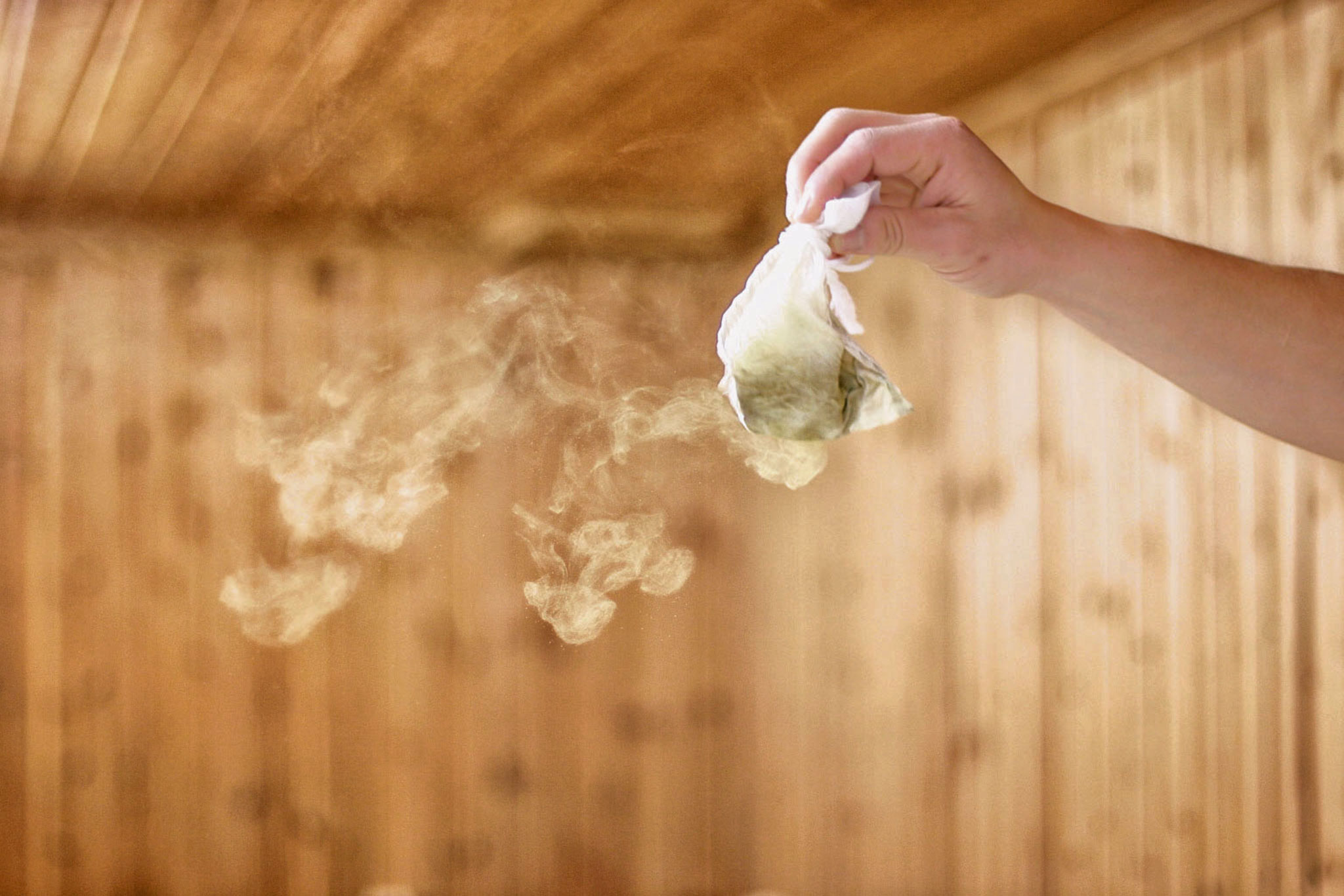
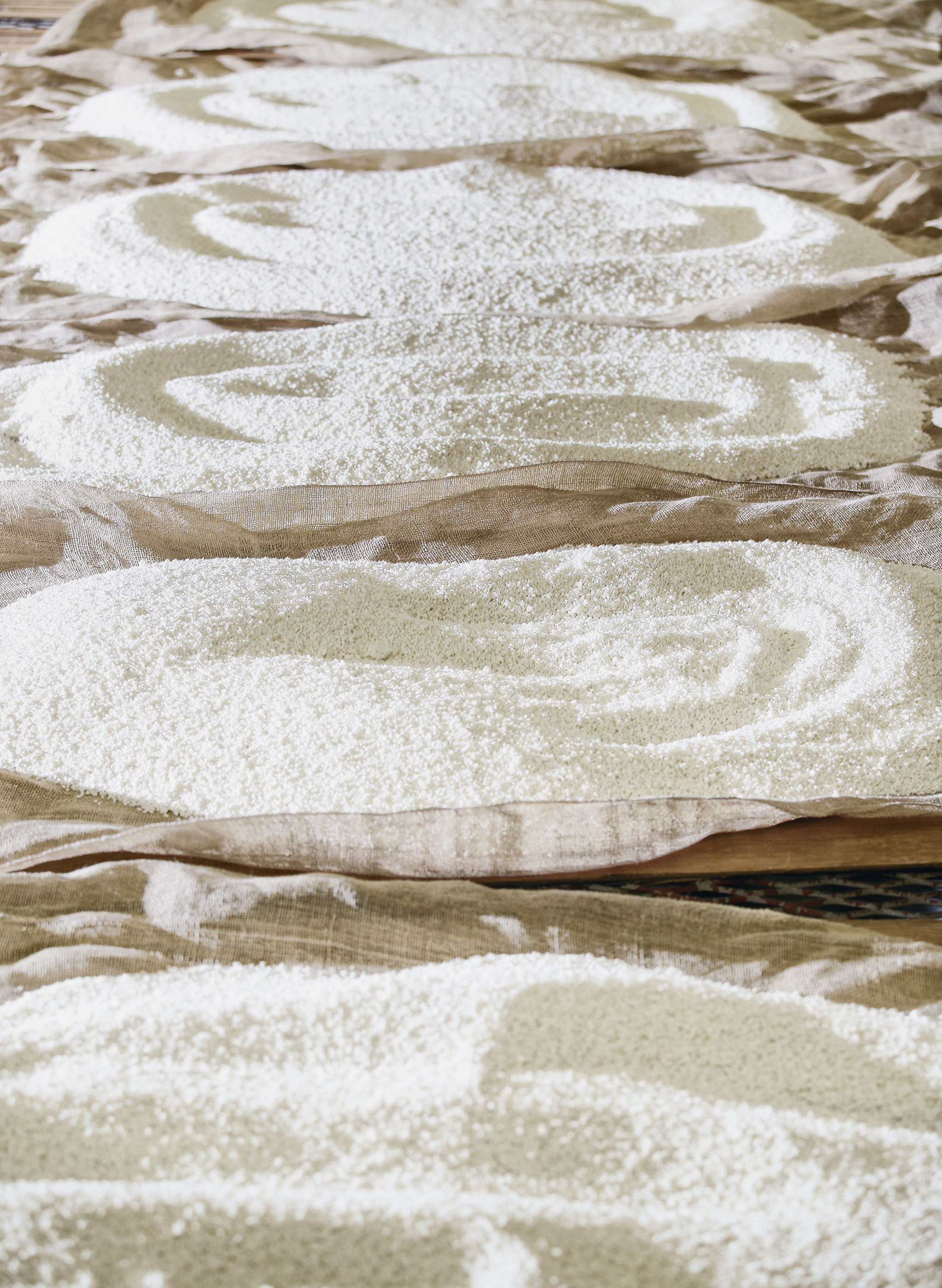
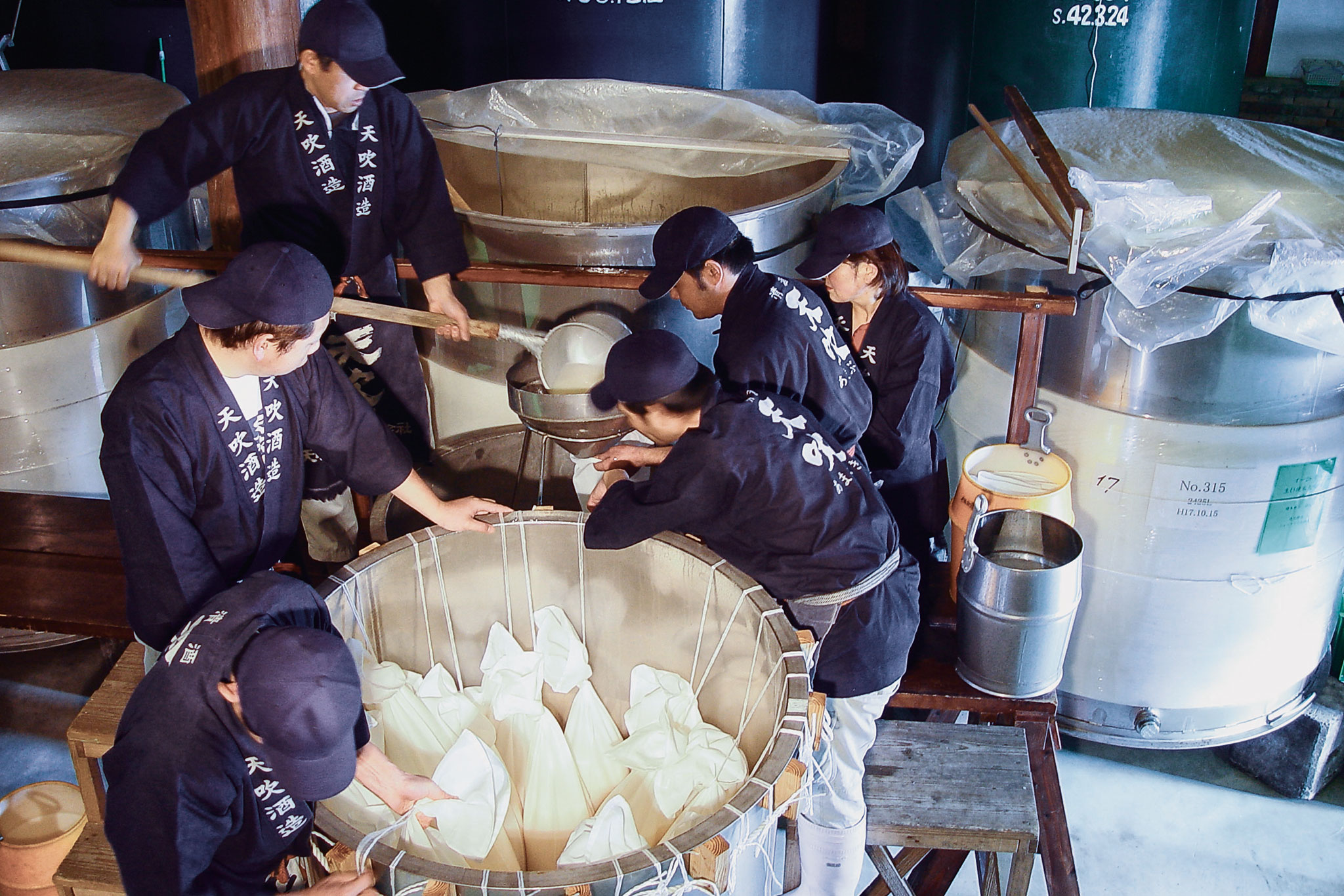
Sake is similar to beer in its production, but in terms of taste, it couldn't be further from it; It's more comparable to wine. This is due, among other things, to the unique brewing method, where rice starch is converted to sugar at the same time as the alcoholic fermentation process. The koji mushroom, which is also a key element in soy sauce and miso production, is what makes this possible: It is ground into a fine powder and added to steamed rice, converting the starch into sugar. This fermented rice base is then combined with freshly steamed rice, water and yeast, which converts the sugar into alcohol to form the first mash.

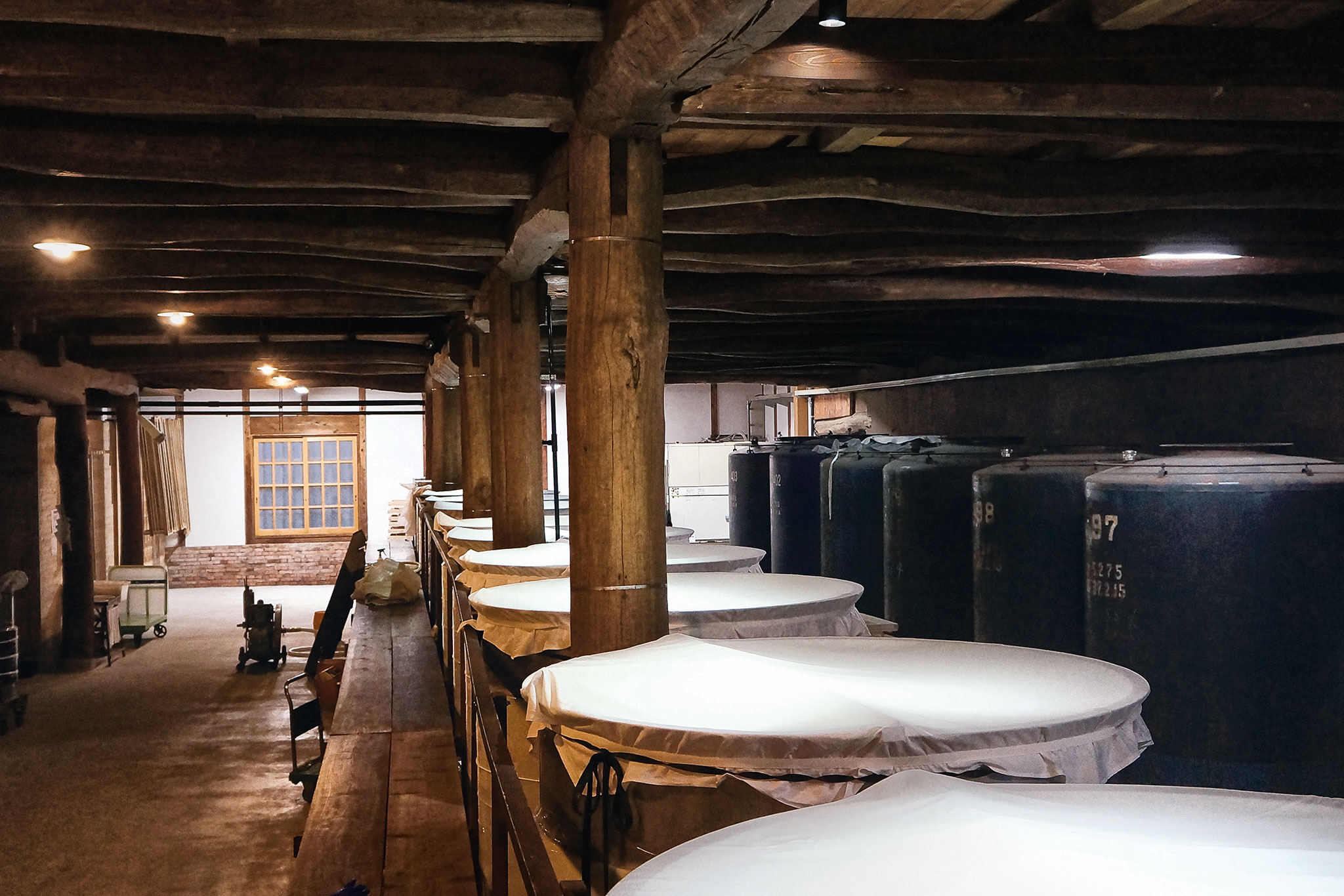
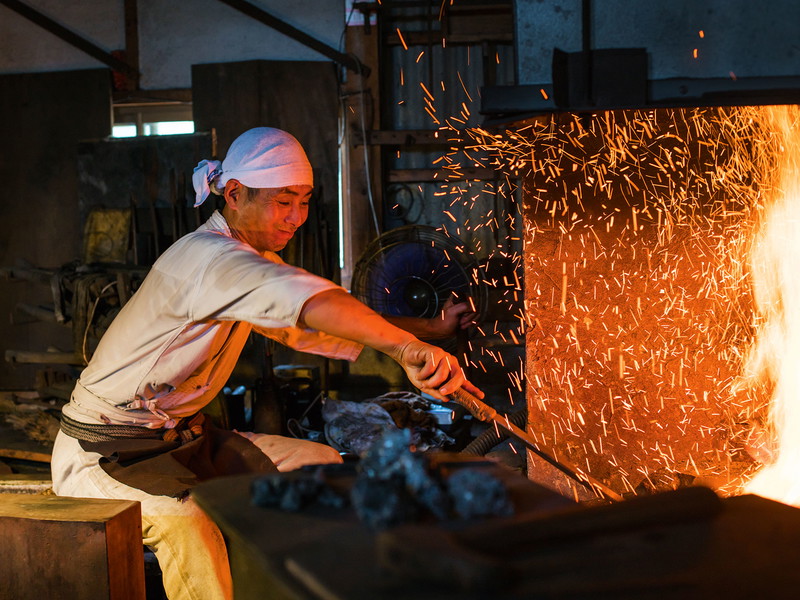
The quality of the water has a major influence on the body of the end product, while the type of yeast determines the aroma and flavor. After repeating the process several times, followed by maturing and pressing, the finished product is finally ready after sixty to ninety days. To this day, brewing takes place exclusively in winter, as this allows the temperature during fermentation to be controlled more precisely. As a result, many brewery employees are more likely to be found working in the fields in summer than at the fermentation tank.

However, as Yoshiko Ueno-Müller explains, a product characterized by such craftsmanship and tradition is by no means free of innovation:

We are observing two major trends in sake. On the one hand, light, sparkling sake, which is often reminiscent of fruit secco in taste, and on the other, matured sakes that are very full-bodied and complex. These go well with game or cheese.

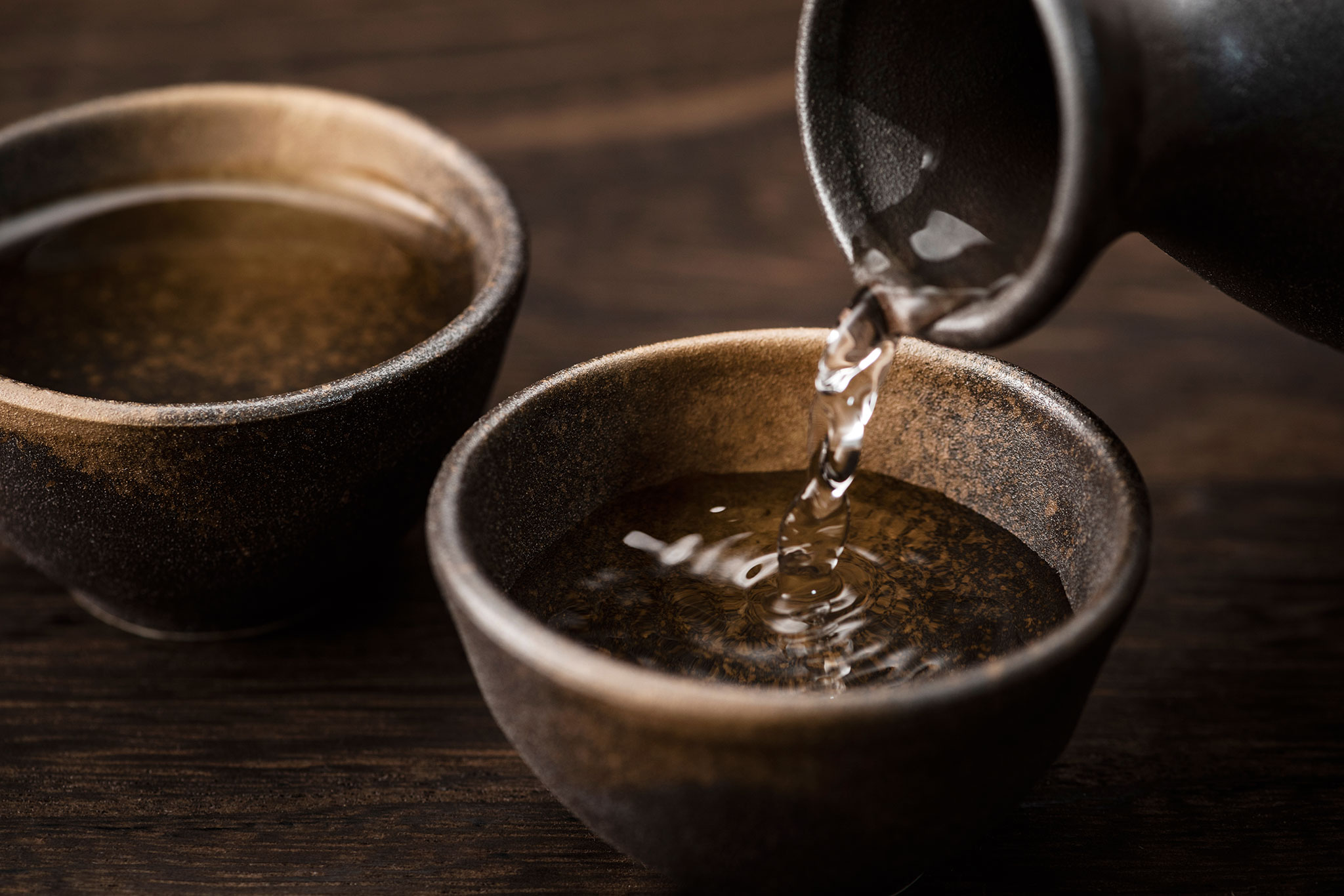
And what is the best way to enjoy sake? "Actually, anything is possible," laughs Ueno-Müller. "You can treat it like a light wine and enjoy it at seven to nine degrees. However, I recommend a temperature of ten to 15 degrees, especially for high-end bottles. By the way, sake is best enjoyed in a wine glass. You can also enjoy it from a small ceramic cup, although that's more fitting for warm ginjo sake."

Best of Sake

Outstanding vintage sake, aged in used barriques from Burgundy. Complex, ripe aromas with notes of dried fruit, some almonds and raisins. Subtle ripeness and wine aromas end in a...
Japan
Very fruity sake with slightly tart notes and a fresh attack. Berry on the palate, but harmonious and aromatic with subtle acidity. Very vinous character with subtle aniseed and...
Japan
A liquid dessert! This matured sake impresses with notes of raisins, dry plum and ripeness on the nose. It is nutty on the palate, accompanied by an elegant fruitiness. With its...
Japan
Fine dessert sake, flavored with sour plums. Strong almond and fruit notes on the nose, with dried dates, cherries, plums and almonds embedded in a pleasant fruitiness on the...
Japan
Fruity and floral on the nose with subtle notes of melon, peach and slightly earthy aromas. Very balanced and lightly fruity on the palate. Tropical fruit, some peach and umami...
Japan
Mild sparkling sake with a pleasant fruity sweetness. Light, refreshing acidity meets gentle pear and melon notes, making it a serious aperitif alternative. It also goes well with...
Japan
Fruity and lively sparkling sake from bottle fermentation. With a pleasant sweetness and subtle acidity, it comes into the glass with a fine effervescence, where it unfolds its...
Japan
A very refreshing representative of the Junmai category with full fruit notes and a pleasant balance of acidity. On the palate, there are lychee, citrus and light nutty aromas as...
Japan
Elegant, strong citrus rises to the nose, pure acidity is almost overpowering. The finish is reminiscent of tangerine. A great combination of fruit and tartness. Works best on ice...
Japan

Sake styles at a glance

Sake can be roughly divided into three types: Depending on the style, they are suitable for different pairings. Ginjo sake, which is often rather fruity (e.g. melon, banana, citrus), goes best with gourmet cuisine, while full-bodied Junmai sake is a kind of uncomplicated jack-of-all-trades, thanks to its umami and rice finish. The third variant is matured sake, which has balsamic and spicy notes and therefore goes perfectly with chocolate, cheese or goose liver.

Junmai
A full-bodied sake with an undefined degree of polished rice.

Junmai Ginjo
Fruity, mild sake with a degree of polished rice of 60 percent or less.

Junmai Daiginjo
Very harmonious, aromatic sake with umami notes and a degree of polished rice of 50 percent or less.

Honjozo
Light and fresh sake with a degree of polished rice of 70 percent or less.

Ginjo
Aromatic sake with a degree of polished rice of 60 percent or less.

Daiginjo
Highly aromatic, complex sake with a degree of polished rice of 50 percent or less.


Don't miss out!

Sign up now for our newsletter.

Alexander Thürer
Alexander Thürer
Author
Find out more
1 / 12