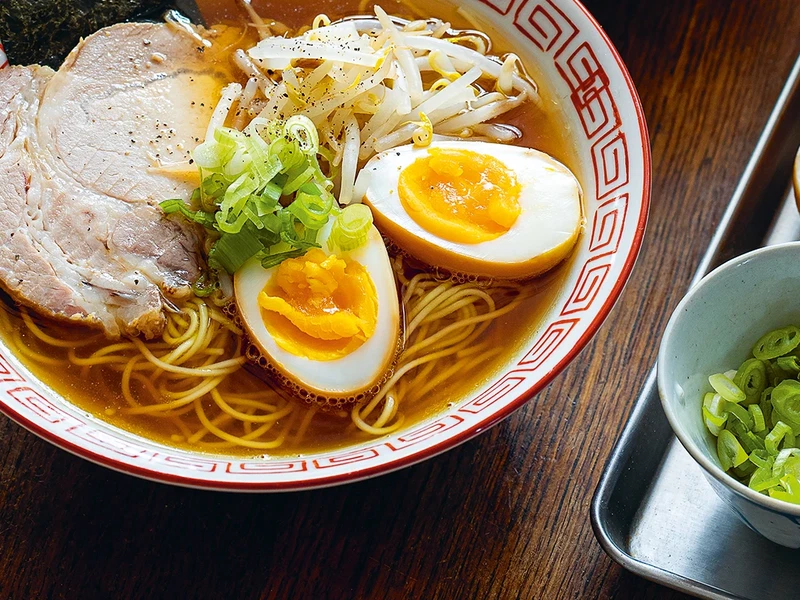
They are currently serving fried chicken with massaman potatoes and yuzu sour cream. And the fresh flavours of the citrus fruit can also be found in a yuzu cheesecake mousse for dessert.
It takes around 10 kilogrammes of yuzu to make 1.5 litres of yuzu juice.
“We often use yuzu as a citrus substitute to give it that Asian twist,” says Daniel Wäcker. He is the managing director and head chef at Ciao Chang. Does he see yuzu as a trend product in gastronomy? Yes, he says: “Japanese products in general, whether it's miso or yuzu.”
For Wäcker, the special thing about the citrus fruit is that it doesn't have the one-dimensional acidity of lemons. It tastes a bit like mandarin, has something tart, similar to grapefruit, but also a hint of citric acid. This aromatic variety fits in with their concept, and is the reason why Wäcker prefers yuzu to lemon.
Exotic enjoyment with regional hurdles
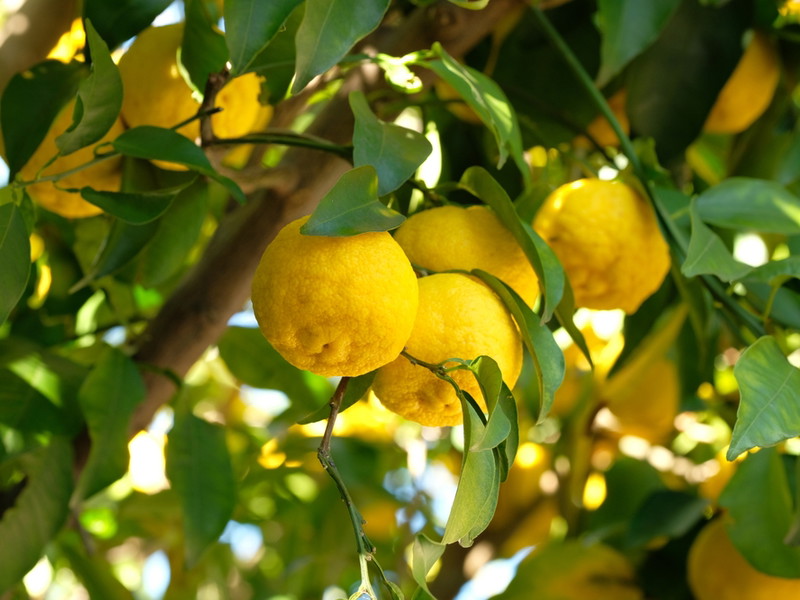
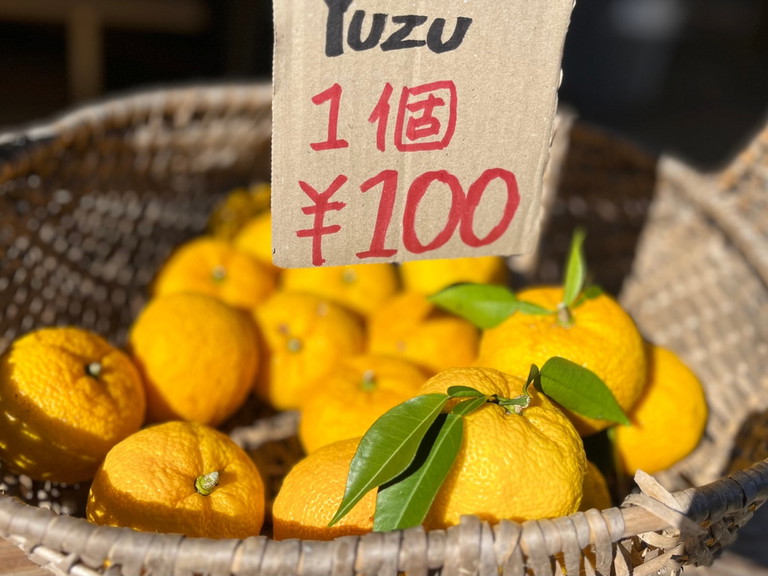
Even if the yuzu may trump the lemon in terms of taste, it has not yet managed to do so in terms of regionality. This is because yuzu is mainly imported from Japan. There are only a few plantations in Europe. But they do exist. One of them is located in Spain and belongs to Norbert Scharrer. In addition to the plants and trees, he also sells yuzu fruits and their juice.
“It takes a lot of yuzu to get one litre of juice,” says Scharrer. That's why the citrus fruit is so valuable and expensive. He needs around 10 kilogrammes of yuzu for 1.5 litres. The price of a bottle starts at 70 euros for Scharrer.
Fresh yuzu therefore means high costs and low yields. It is therefore hardly surprising that Daniel Wäcker from Ciao Chang hardly ever uses fresh produce in his kitchen. Instead, he uses dried peel, jelly, puree or liqueur, he explains. As long as the intense flavour is retained, this is probably a compromise that people are happy to make.
Don't miss out!
Sign up now for our newsletter.