Skip to content
© Shutterstock

Marrakech, the multifaceted "Red City"

Reise
City

Marrakech unfolds its unique fascination. Here, past and future merge in a way that is unparalleled anywhere in the world.

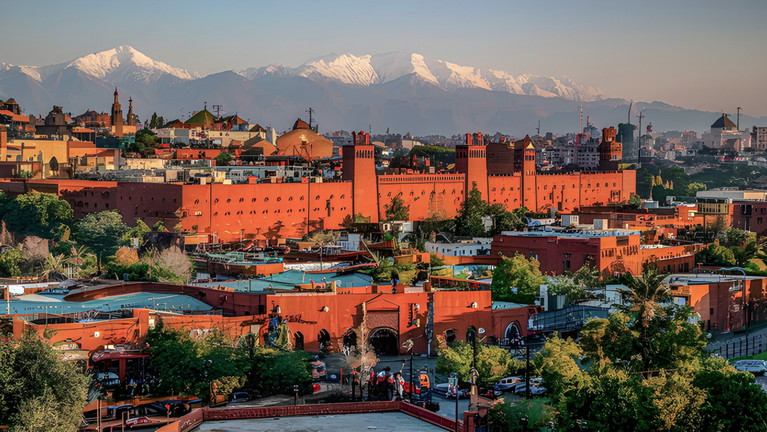
The Atlas Mountains rise majestically high above the ochre-colored stone buildings of the "Red City", the alleyways smell of orange blossom, spices and tanned leather - Marrakech, located in the Tensift river valley north of the High Atlas, reveals a new facet with every visit.

The Atlas Mountains as a backdrop

The first farming settlements of Berber ancestors already existed here in the Neolithic period, but Marrakech was officially founded in 1070 as the capital of the Almoravid dynasty. It soon grew into a hub between the Maghreb and sub-Saharan Africa. Morocco was a French protectorate in the 20th century and French is still spoken here today alongside Arabic and Tamazight. Morocco has been a kingdom again since 1956 - and Marrakesh has become a place of longing, not least for the hippies of the 60s and 70s. Trance-like Gnawa sounds, Sufi rituals and the feeling of a simple, communal life are condensed here into an esoteric counter-world.

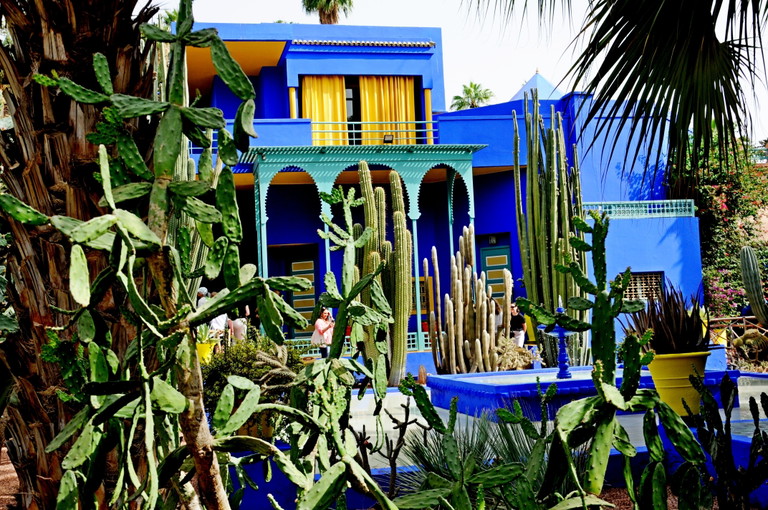
Jardin Majorelle: built in 1924, the garden was restored by Yves Saint Laurent in 1980
The heart of the city beats in the medina, the historic center of the royal city. On the Djemaa el Fna - one of the most famous squares in the world - snake charmers move to the sound of pungi, while carpets, pottery, spices, meat, leather, fabrics and handicrafts are piled up in the narrow souks. If you want, you can take a ride along the 19-kilometer-long city wall from the twelfth century in a carriage and stop at the richly decorated Bab Agnaou.

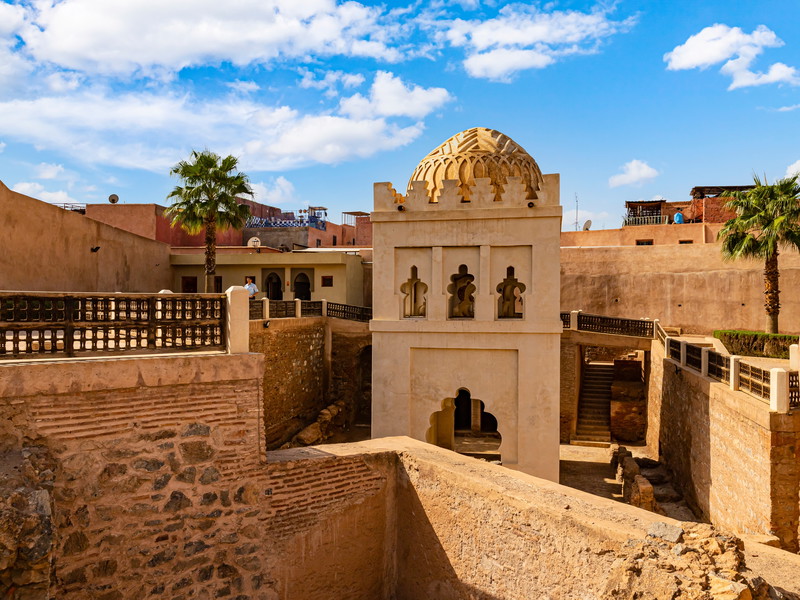
Architectural highlights include the Bahia Palace, the Medersa Ben Youssef and the historic fondouks - once hostels for the caravans, now galleries, guesthouses and restaurants. In Marrakech, you can breathe in green spaces: in the Agdal Gardens near the Kasbah with the Saadian tombs or in the Jardin Majorelle, whose magical blue attracts visitors from all over the world.

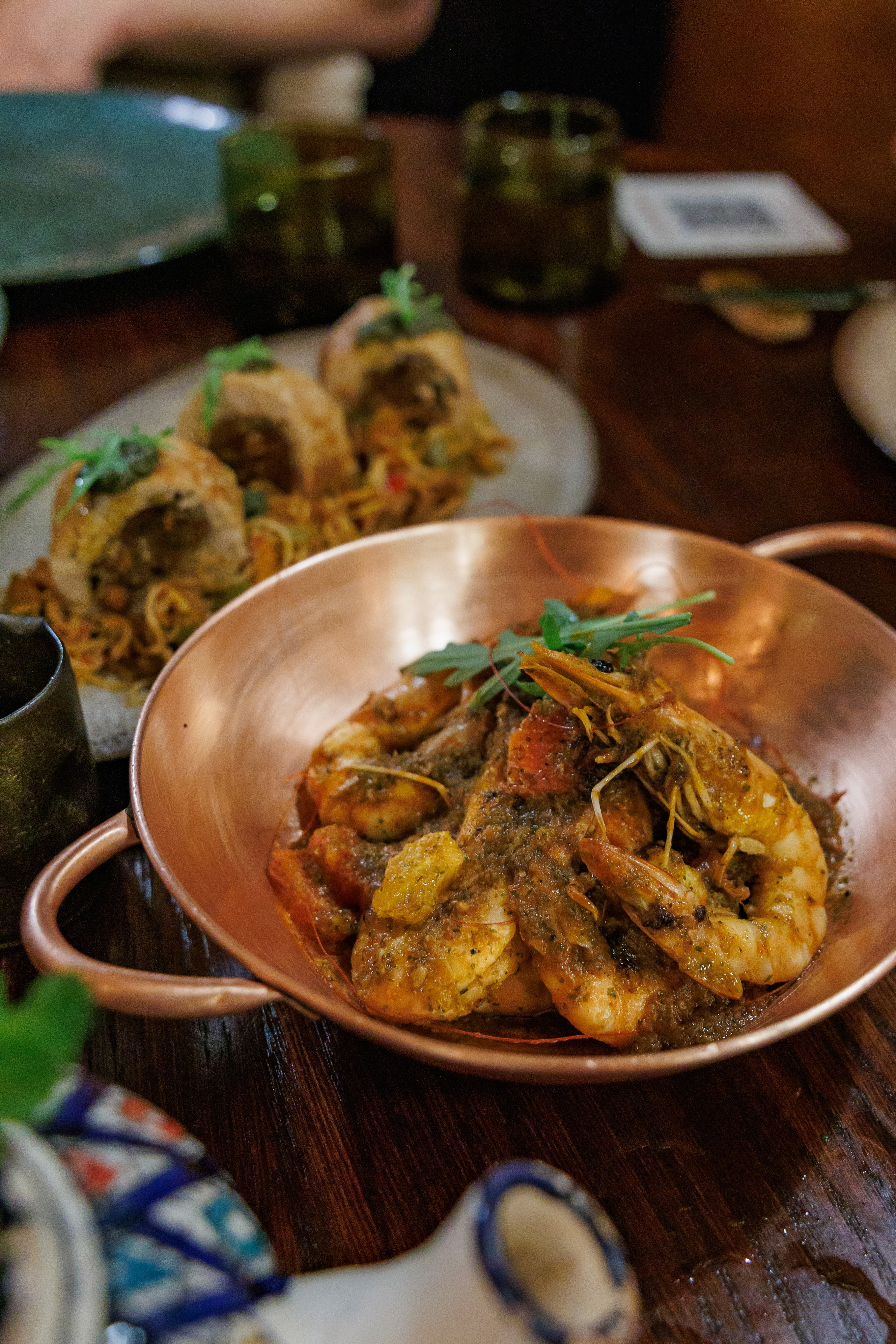
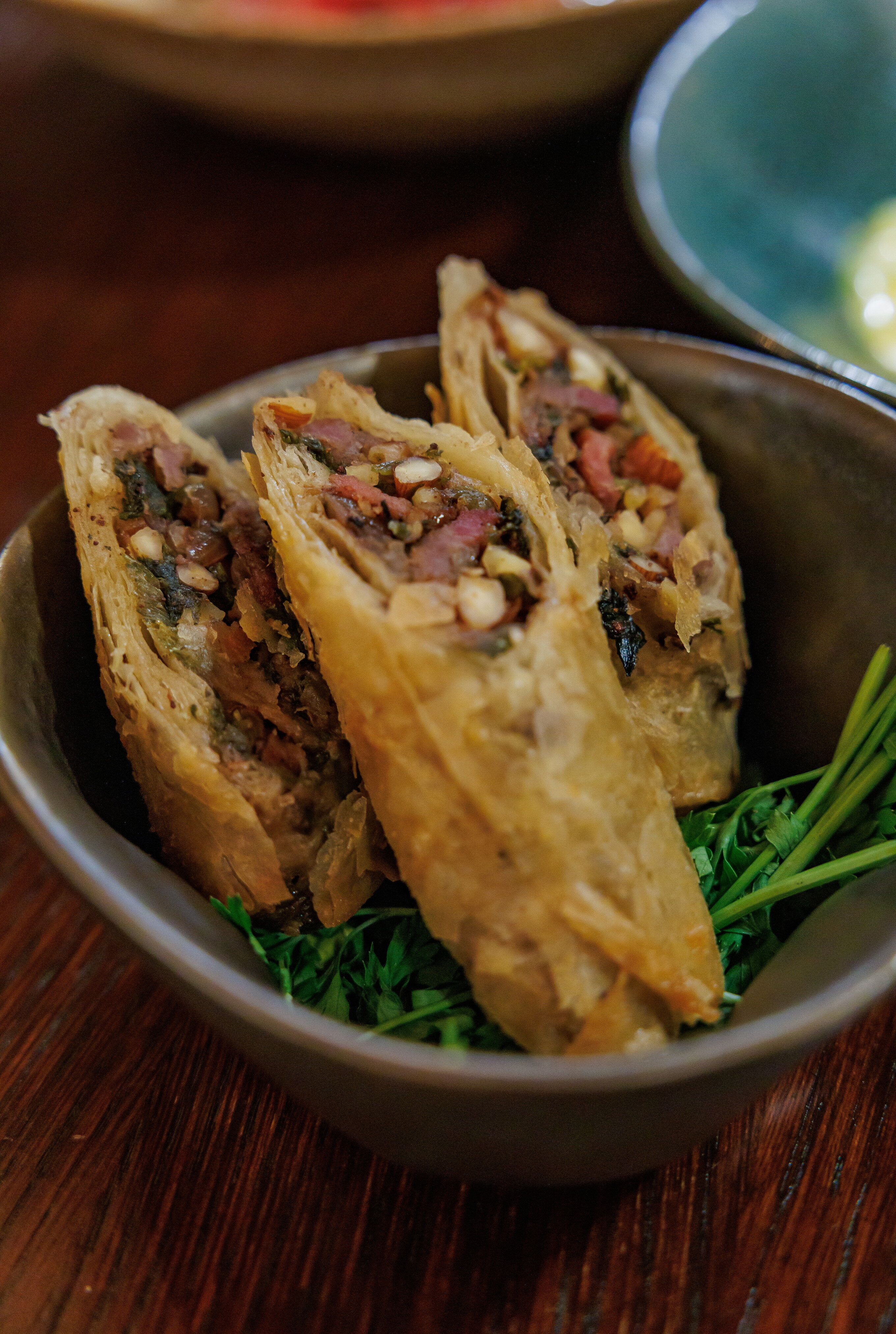
Culinary delights include simple dishes: stuffed pancakes, Harira lentil soup and honey-sweet pastries. Countless cookshops sizzle and bake, often surprisingly well. In Dar Chérifa, the city's famous artists' and literature house, a shady corridor opens up into a colonnaded courtyard with a marble mirror in the middle, on which water and rose petals rest. Outside it's 40 degrees, inside it's quiet and cool.

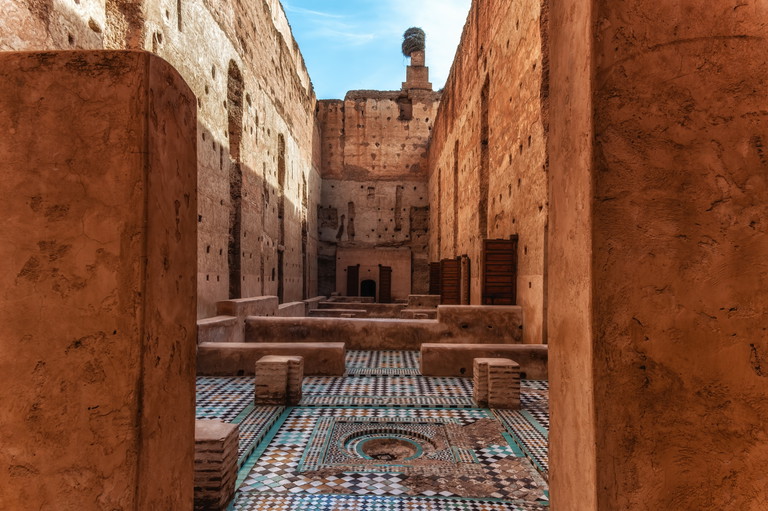
The ruins of the El Badi palace

The severe earthquake in September 2023 also left its mark on Marrakech: damaged walls, minarets, traditional houses; even the Koutoubia Mosque was cracked. Lanes around the Djemaa el Fna were temporarily closed. But just a few weeks later, everyday life returned. The city communicated that it was largely safe and functioning, and many travelers deliberately came to support the local people - a form of solidarity tourism that shows how much this city lives: from its history, its present, and from the confidence that lies within it.

Hotel tips

1
La Mamounia
Avenue Bab Jdid, Morocco
98
Elegant Art Deco flair meets magnificent gardens in the city's most legendary hotel. mamounia.com
2
La Grande Table Marocaine im Hotel Royal Mansour Marrakech
Rue Abou Abbas El Sebti, Morocco
Moroccan haute cuisine; a journey through the flavors of the country.
1
La Grande Table Marocaine im Hotel Royal Mansour Marrakech
Rue Abou Abbas El Sebti, Morocco
Moroccan haute cuisine; a journey through the flavors of the country.
1
La Mamounia
Avenue Bab Jdid, Morocco
98
Elegant Art Deco flair meets magnificent gardens in the city's most legendary hotel. mamounia.com

Find out more
1 / 12