Regenerative Viticulture: When Vineyards become Ecosystems
In a rapidly changing climate, vineyards that are more resilient and genuinely sustainable are in growing demand. Regenerative agriculture offers a possible answer: Through intelligent, evidence-based measures, it aims to create vineyards that are largely self-sustaining. Is this the viticulture of the future?
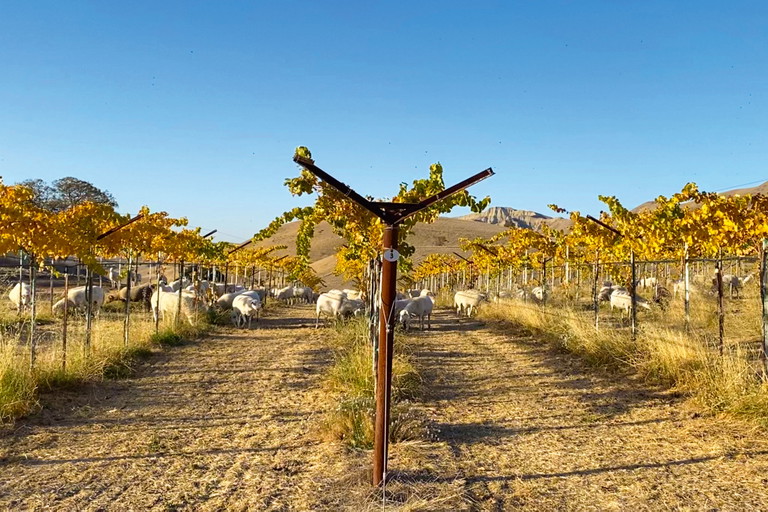
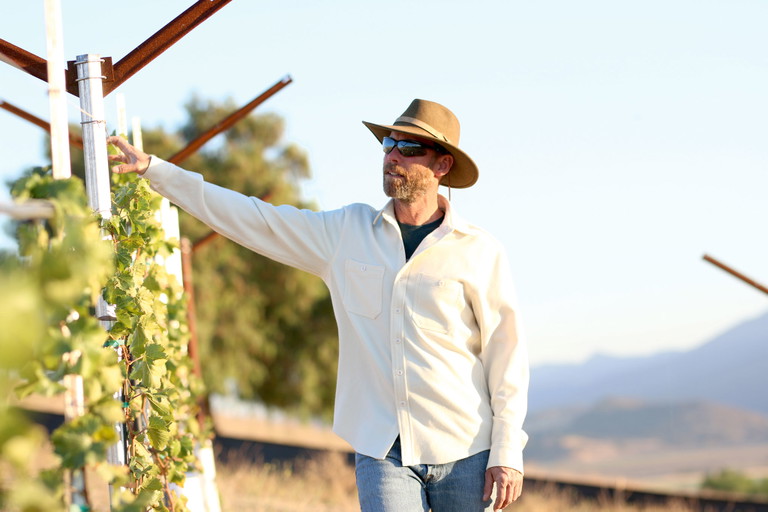
The Paicines Ranch vineyard appears rather unspectacular at first glance. Located an hour's drive south of San José in California's Central Valley – much of which is now intensively farmed often referred to as the "salad bowl of America" –it only reveals its uniqueness upon closer inspection. The vines climb up large wire frames, the grape zone sits at head height, the rows are wide, the ground is densely covered with grass and a flock of sheep bleats in the distance. Vineyard Director Kelly Mulville has created his vision of an ideal vineyard here: One that requires minimal insputs and little human labor while delivering high-quality yields, improving soil health, sequestering carbon, increasing biodiversity and ensuring strong economic returns.
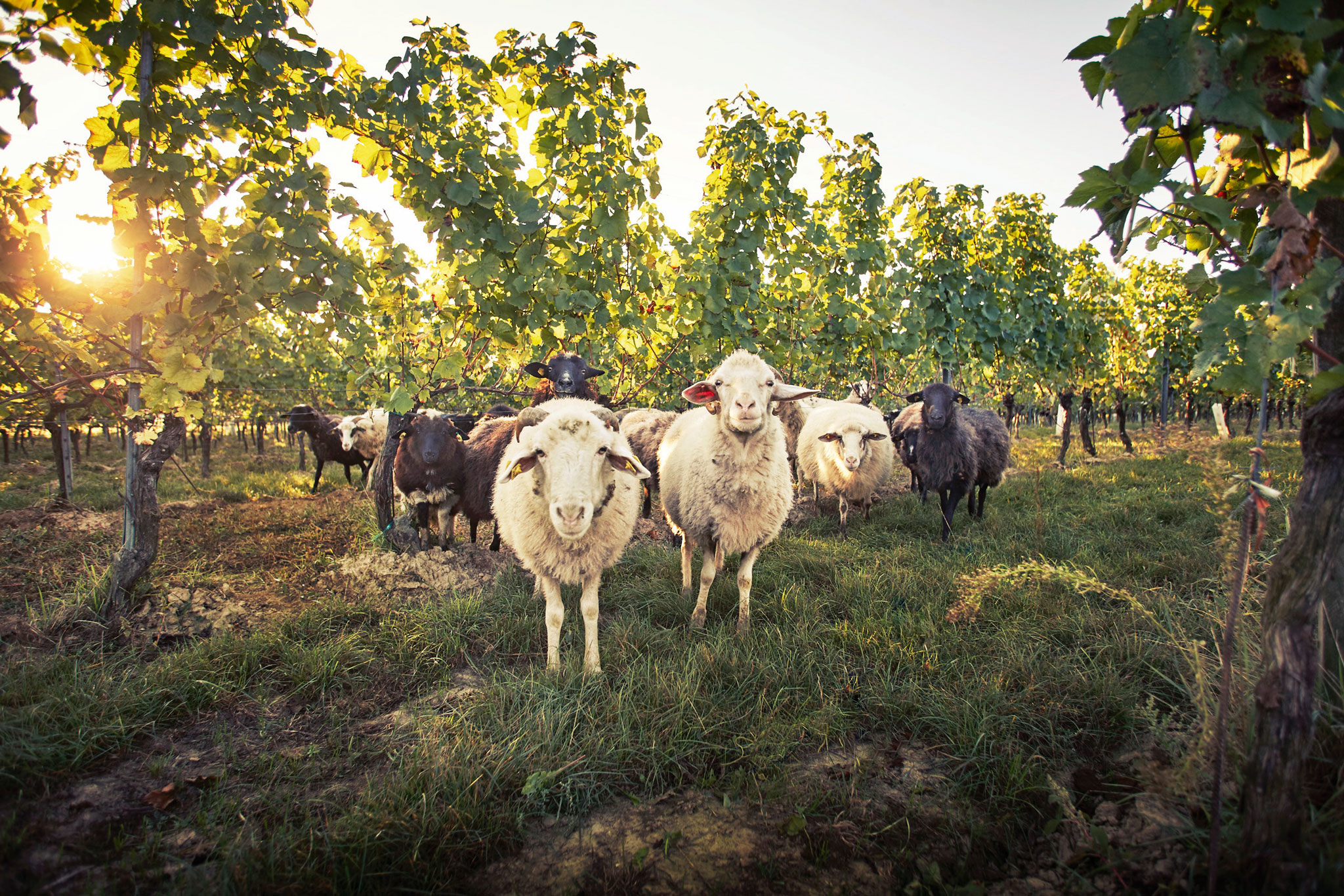
Grapes are not the only product of the Paicines Ranch, which spans around 3,000 hectares. Livestock and arable farming are also part of the operation. At the heart of the vineyard concept are the sheep, which graze strategically throughout the year. Unlike in vineyards with a lower fruit zone, the animals cannot reach the sweet grapes here – instead the vineyard is designed around them. Their presence significantly reduces the need for soil cultivation, mowing, weeding or hand weeding and increase biodiversity. There are more plants, insects, birds and soil organisms, making the ecosystem more resilient to diseases and pests. Nature is actively restored here, which is why this form of farming is known as regenerative agriculture.

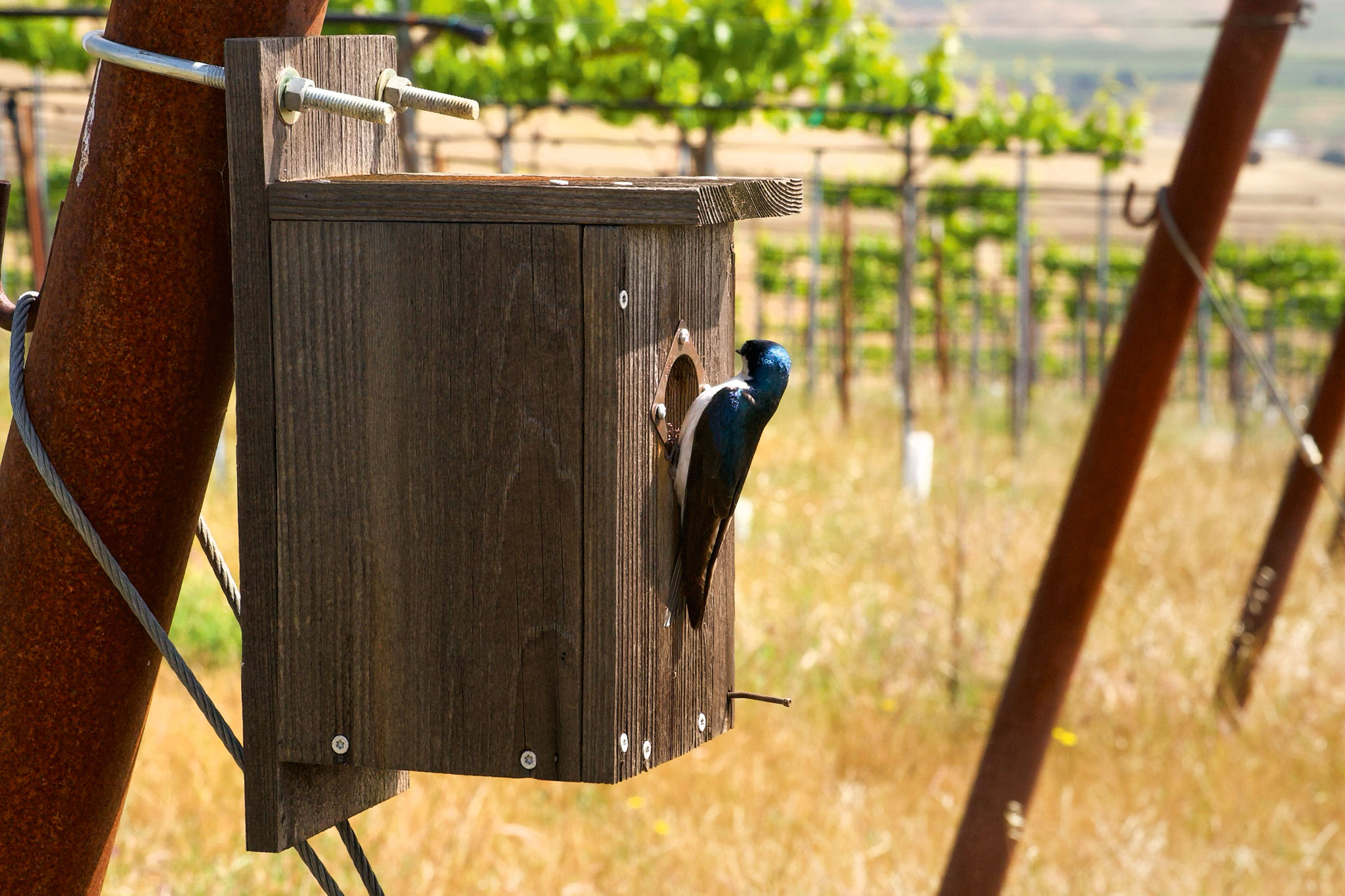
The idea of regenerative agriculture is not new. It first emerged in the USA in the 1980s, but has only recently begun to gain significant traction in the wine world. It is about more than just producing grapes – it seeks to restore the environment that has been damaged by intensive farming. The Paicines Ranch vineyard, for example, is home to large numbers of rare bird species. Ornithologists are regular visitors, drawn by thriving bird population. For Kelly Mulville, this is the clearest proof that regeneration works: "It's not just about harvesting good grapes."
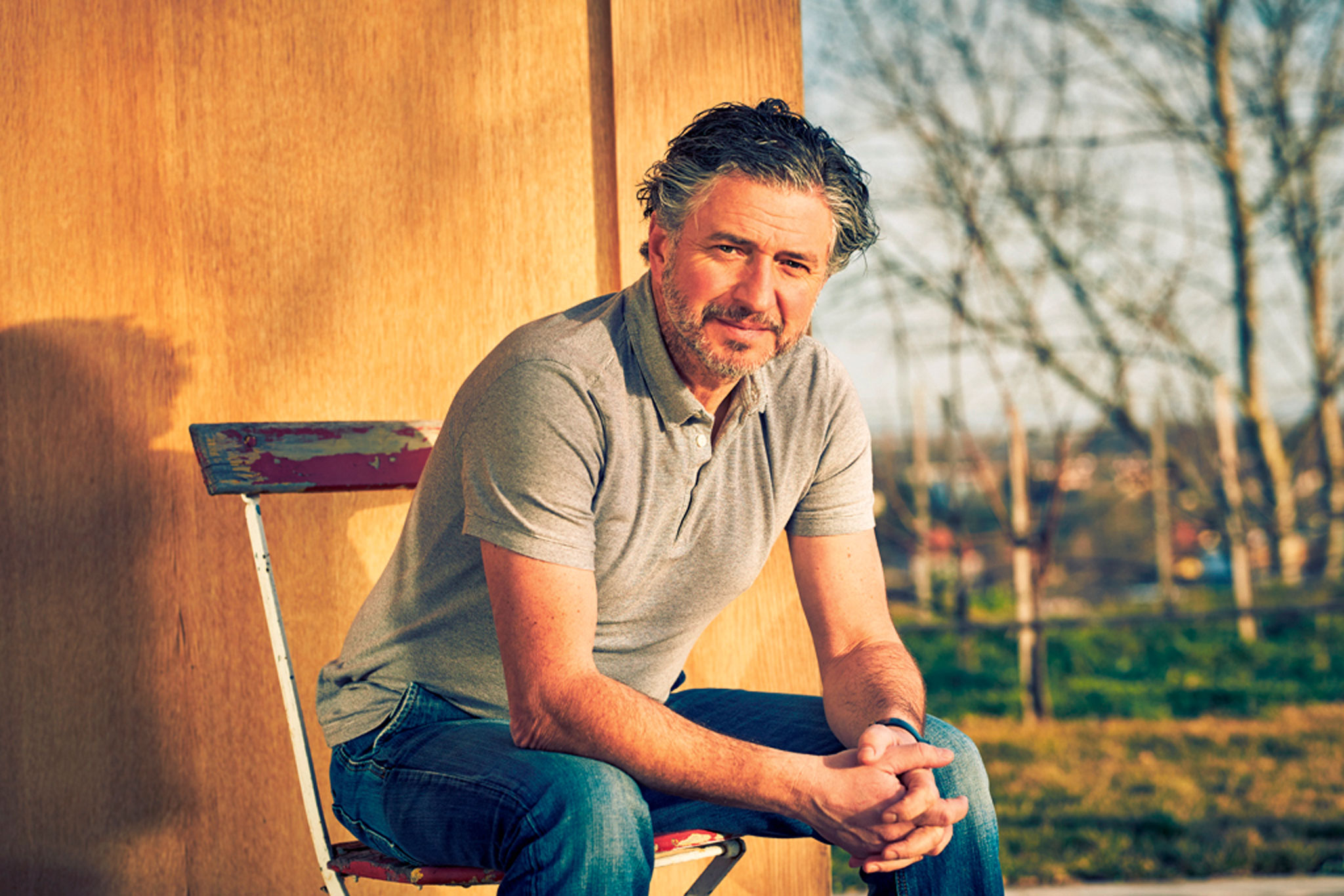
Kelly Mulville has made a name for himself with his seemingly simple concept becoming one of the sought-after voices in regenerative viticulture – far beyond the United States. In late 2025, he travelled across Europe as part of the "Living Vineyards Tour", presenting his ideas in a series of workshops. In Austria, he was invited by Fred Loimer and the "Respekt-BIODYN" association. "We have repeatedly discussed what the vineyard of the future might look like within the association", says Fred Loimer. "Kelly Mulville has already brought much of that vision to life in California."
The regenerative toolkit
Regenerative agriculture is not a fixed system, but a toolbox of principles and practices designed to strengthen soil health, biodiversity and resilience. Key elements include permanent soil cover, diverse crop rotations, minimal tillage and the integration of animals. Central to the approach is circular thinking: Each element serves multiple functions – from building humus to storing carbon. Equally important are observation and continious learning. Vineyards are understood as living systems with key parameters measured and documented in order to continuously optimize the system. Regenerative producers also think beyond the vineyard itself: the well-being of people involved is just as important as environmental impact, alongside constant optimisation – from packaging and infrastructure to reducing food waste.
The vineyard of the future
But why do we need a vineyard of the future in the first place? Viticulture – like many other agricultural sectors – is currently facing unprecedented challenges: Poor harvests and increased disease pressure, declining consumption and rising production costs. The regenerative approach seems to offer real solutions.
Caine Thompson, Director of Sustainability and Regenerative Viticulture at O'Neill Vintners & Distillers and Managing Director of Robert Hall Winery in Paso Robles, oversees many hectares of vineyards. He is part of the leadership of the globally active Regenerative Viticulture Foundation and emphasises that regenerative agriculture is based on organic methods and focuses on the three pillars of soil health, animal welfare and social fairness.
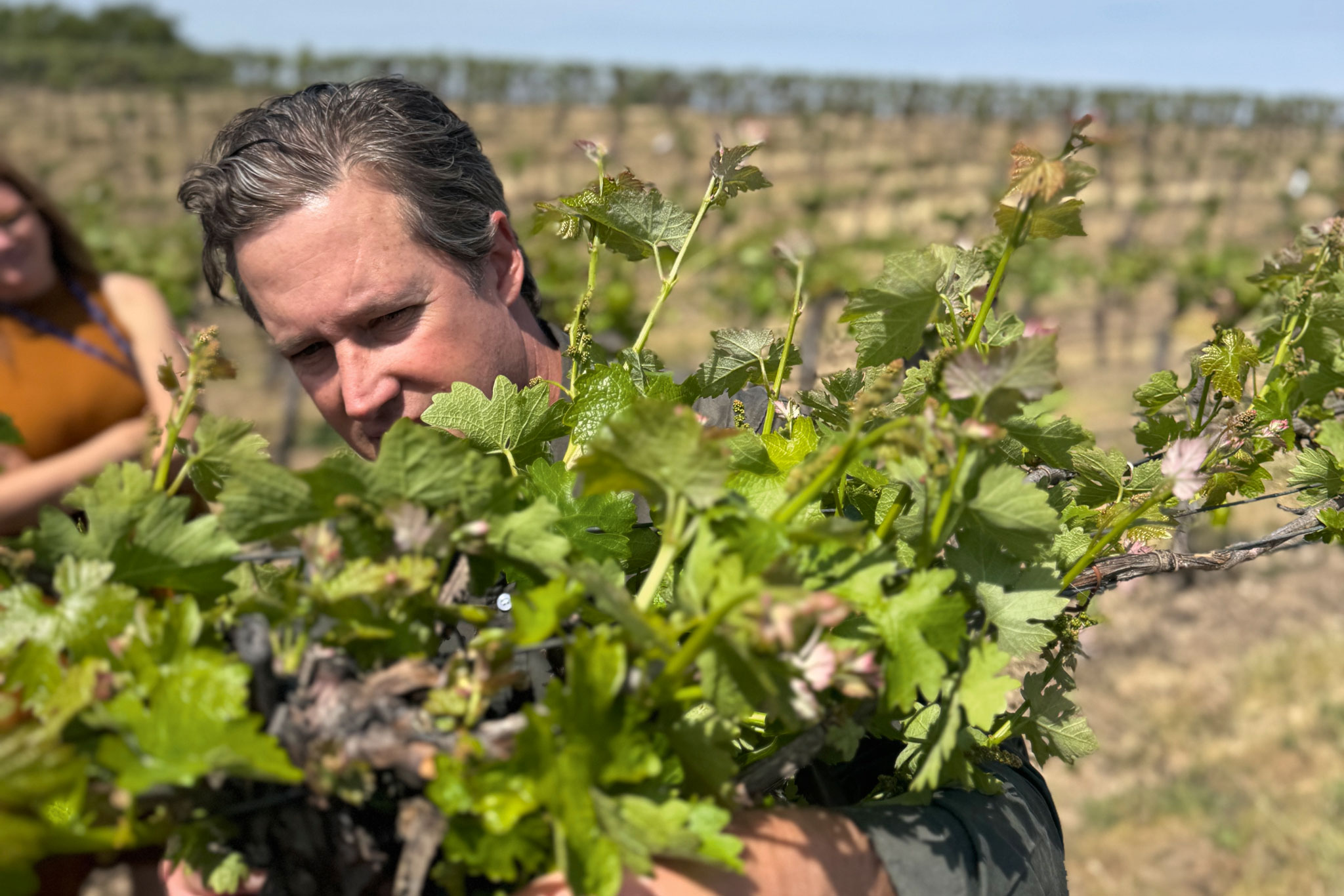
Fred Loimer, who has been following Rudolf Steiner's biodynamic approach for 20 years, puts it in a nutshell: "Regenerative builds on similar foundations such as biodiversity, microbiome and soil life – but without the esoteric superstructure." This seems to be attractive, as the growing list of members of the Regenerative Viticulture Foundation shows: it now includes illustrious names such as Zind-Humbrecht and Cheval Blanc. Despite all the enthusiasm he also raises a critical point: Plant protection is often not sufficiently adressed in regenerative systems. While Mulville benefits from a relatively stable ecosystem, Loimer questions whether the high level of plant protection required in viticulture – given the "rather weak genetics of this crop" – can be justified ecologically when producing what is ultimately a luxury product. In practice, many of the regenerative producers still rely on inputs permitted in organic or biodynamic farming.
Tradition hinders innovation
During the Living Vineyards Tour, Mulville travelled through some of Europe's most important wine regions. While impressed by European winemaking tradition, he also pointed out how it can sometimes hinder innovation. Without a degree in viticulture or a long winemaking tradition, he was able to act freely when planning the facilities at Paicines Ranch. When Fred Loimer planted his own vineyards 30 years ago, he was guided by the goal of making the best possible wine and not regenerating the ecosystem. From a European perspective, a pergola system similar to the one at Paicines Ranch was out of the question – as this method is not typically associated with top-quality wines. "I took my cue from France and trained the vines accordingly, keeping the fruit zone low", Loimer recalls, adding that he now questions whether this was the right decision. For a planned replanting of vineyards for sparkling base wines, he would like to incorporate incorporate insights gained from California. Loimer has also had sheep in his vineyards for years, but he has never let them graze as strategically as at Paicines Ranch.
From the USA to the world
The concpet of regenerative agriculture dates back to the 1940s, when American agronomist J. I. Rodale introduced the idea of "organic regeneration". His son Robert Rodale introduced the term "regenerative agriculture" in the 1980s. Today, the United States, and California in particular, remain a key driver of development. Organisations such as the Regenerative Viticulture Foundation promote global exchange. In January 2025, the One Block Challenge was launched – an initiative that invites winegrowers to test regenerative practices directly against conventional methods. The concept originated in Paso Robles, California, and is being rolled out worldwide.
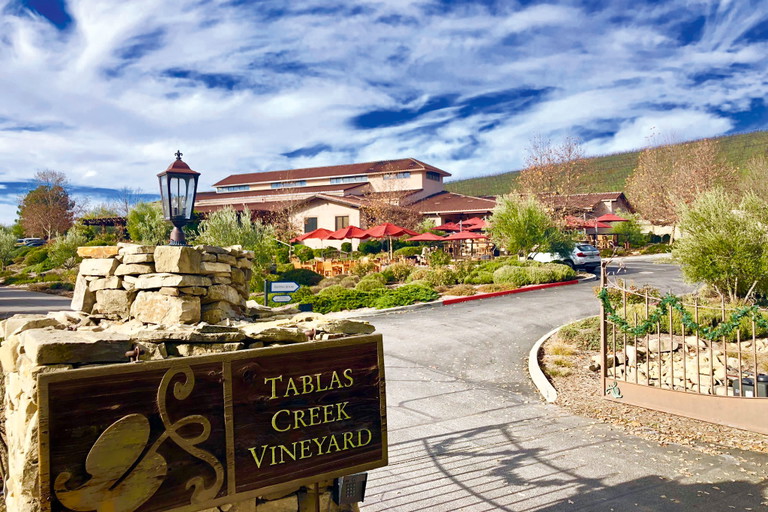
The regenerative approach is, of course, not limited to pergola training. At its core lies the ability to adapt to the specific conditions of a given site – something that is often criticized in more rigid organic or biodynamic systems. In California, ROC (Regenerative Certified Organic) – the first certification for wineries working both regeneratively and organically – was introduced in 2020. However, it remains quite controversial, as strict regulations may, as mentioned, hinder innovation. The first certified estate was Tablas Creek in Paso Robles, developed in collaboration with the French Perrin wine family, owners of Château de Beaucastel – a project that promotes exchange across continents.
Today, 27 wineries worldwide are ROC-certified, around half of them located in California. At the same time, more and more producers in Europe are embracing regenerative practices, and a growing number of organizations are dedicated to advancing this approach. In Austria, for example, Fred Loimer recently launched the "Regenerative Forum", an initiative designed not only to promote exchange among professionals, but also to actively involve customers and the wider public in the conversation.
The Paicines Ranch in California has long been convinced of the success of the method – economically as well as ecologically. The grapes from Kelly Mulville's vineyard are vinified on site, but sold to selected winemakers in the region. And while many conventional run estates struggle to sell their harvest, Paicines Ranch faces no such challenges – quite the opposite: There is a waiting list for its grapes. Could regenerative viticulture offer a viable solution to many of the challenges facing the wine industry today?
The Porto Protocol
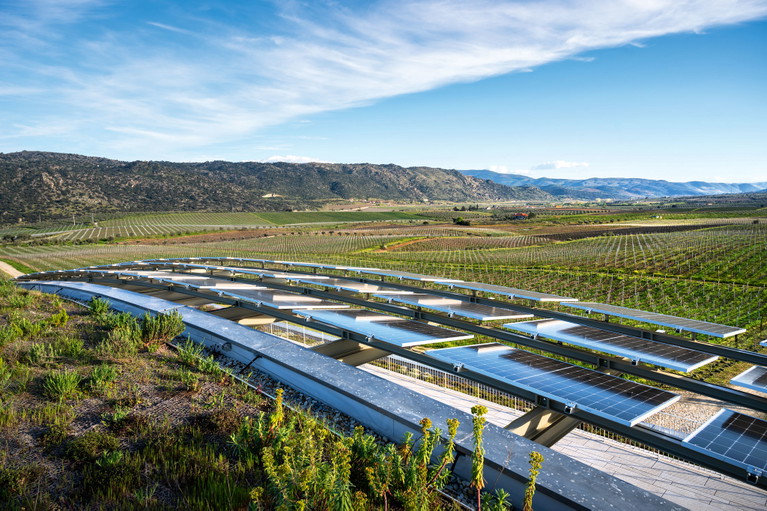
The Porto Protocol is an open forum and a dynamic platform for the wine industry to share knowledge on climate protection and sustainability in viticulture - for example through initiatives such as Kelly Mulville's "Living Vineyards Tour" across Europe. Its diverse members are active in a wide range of fields within sustainable wine production. One example is Adega do Ataíde, launched in 2023 by Symington, designed as a low-impact facility and the first winery in Portugal to receive LEED Gold certification for energy, water and site efficiency. Green roofs, rainwater harvesting, wastewater recycling, gravity-fed systems instead of pumps and a 700-square-metre photovoltaic installation supplying the winery self-sufficiently and consistently implementing the circular economy concept.