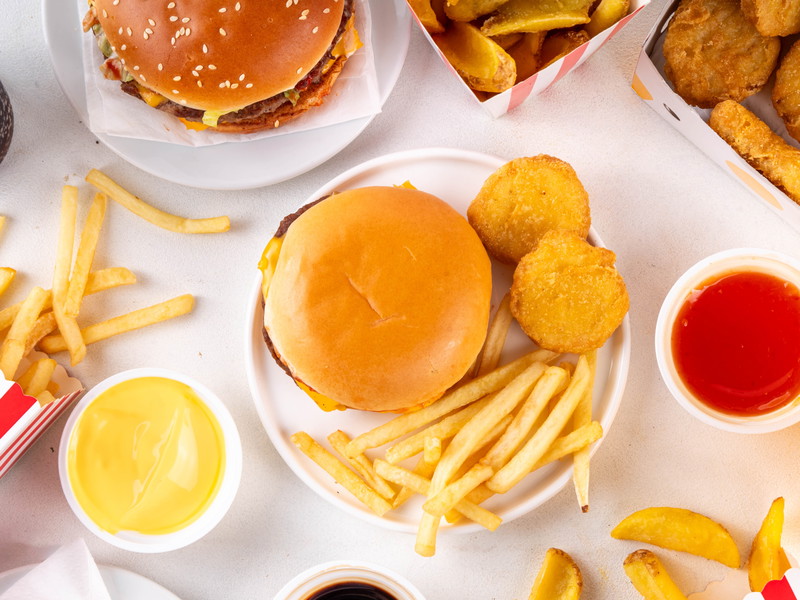
Soft drinks, chips, and cookies are everyday staples for many. But what if these products stray further from unprocessed food than we realize? A new study from the U.S. draws a striking comparison: Highly processed foods may resemble cigarettes more than fresh fruit or vegetables in both their effects and production. The researchers behind the study warn that these products are intentionally designed to encourage overconsumption and call for stronger policy and regulatory measures.
The study, conducted by researchers at Harvard University, the University of Michigan, and Duke University, was published in Milbank Quarterly, a journal focused on health and health policy, in early February. According to the report, manufacturers of ultra-processed foods (UPFs)—including soft drinks, frozen pizzas, and industrially produced cereals—use targeted “engineering strategies” originally developed in the tobacco industry. The goal: to promote compulsive consumption.
These UPFs are formulated to deliver precise “doses” of sugar, fat, salt, and additives that activate the brain’s reward systems. The authors describe UPFs not merely as food, but as “intentionally designed, highly engineered and manipulated, hedonically optimized products.”
Calls for Stricter Regulation
Given the associated health risks, the researchers recommend regulating UPFs in ways similar to tobacco. Suggested measures include clearer labeling, higher taxes, restrictions on sales in schools and hospitals, and tighter rules on advertising aimed at children. A key difference, however, is that food is one of the basic necessities of life. This makes regulation particularly urgent: Consumers cannot easily avoid the modern food supply.
Early Exposure and Growing Consumption
The study follows a UNICEF report published in The Lancet, a weekly general medical journal, last December, which found that between 10 and 35 percent of children under five in eleven surveyed countries regularly consume sweetened soft drinks. About 60 percent of young people reported eating at least one highly processed product the day before. In wealthier nations, UPFs now account for more than half of daily calorie intake, with consumption rising rapidly in lower-income countries as well.
Whether UPFs can truly be equated with tobacco remains scientifically debated. But their growing share of daily diets—especially among children and adolescents—raises questions that extend far beyond individual eating habits. The study is ultimately a call to reassess the role of the food industry and rethink the regulatory framework surrounding modern diets.