Skip to content
© Jonathan Borba

Sweden’s New Appetite for American Fast Food

Fast Food
Sweden

Five Guys' debut this winter underscored Sweden’s long-running fascination with American fast food. As KFC expands and Taco Bell tries again, the latest arrivals are less about pure convenience and more about brand, experience—and, to some extent, the politics of what “American” means right now.

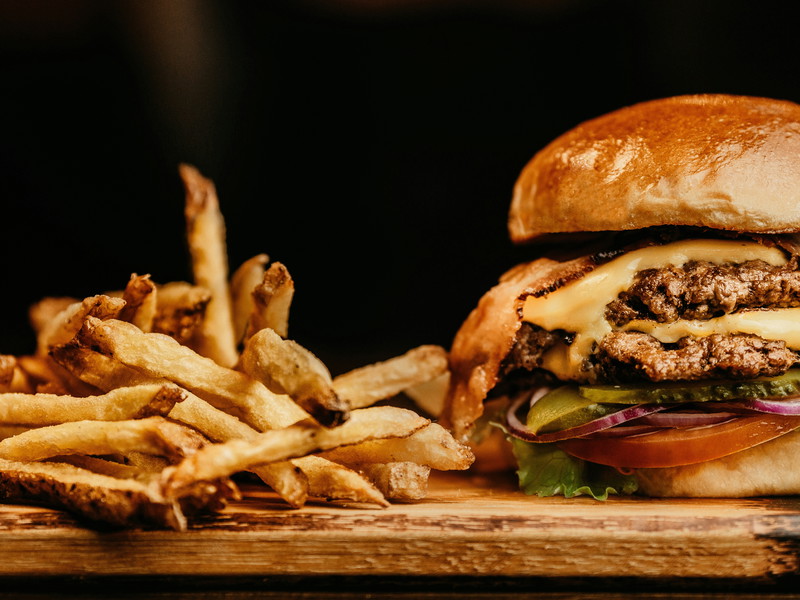
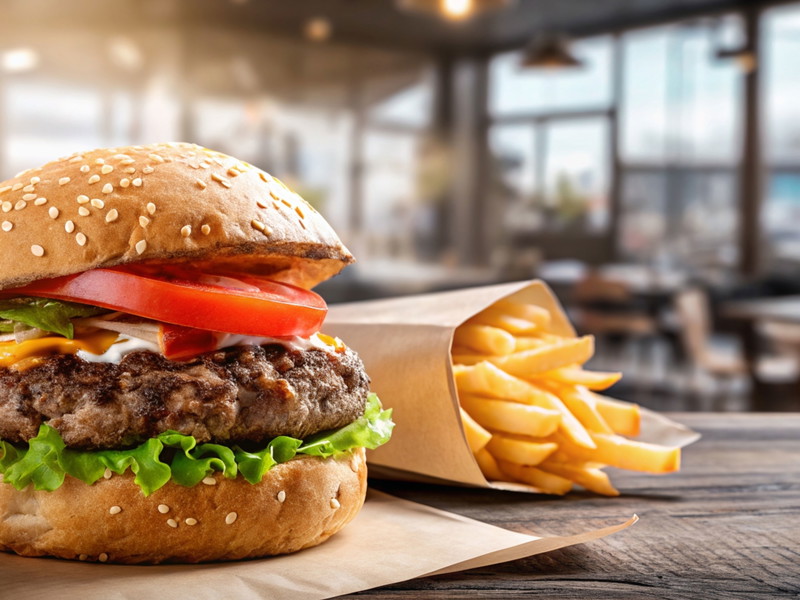
Queues snaked onto the street when Five Guys opened its first Nordic location at Sergels Torg in central Stockholm this past winter. Curiosity was high, with guests traveling from far and wide to try the American fast-food chain for themselves. Founded in Virginia in the 1980s, it is known for generous burgers, hand-spun milkshakes and fries cut fresh on-site. 

Five Guys is the latest high-profile arrival in a market where American fast food has long been familiar. McDonald’s and Burger King opened their first Swedish restaurants in 1973 and 1976 respectively. Now Taco Bell is making a third attempt to win over Swedes with its brand of Tex-Mex. KFC—back in Sweden since 2015 after a short-lived stint in the 1980s—is also expanding. 

What has changed is not the presence of American brands, but what they’re selling. The new entrants lean less on convenience alone and more on experience: tighter concepts, stronger branding and, increasingly, a focus on perceived quality. 

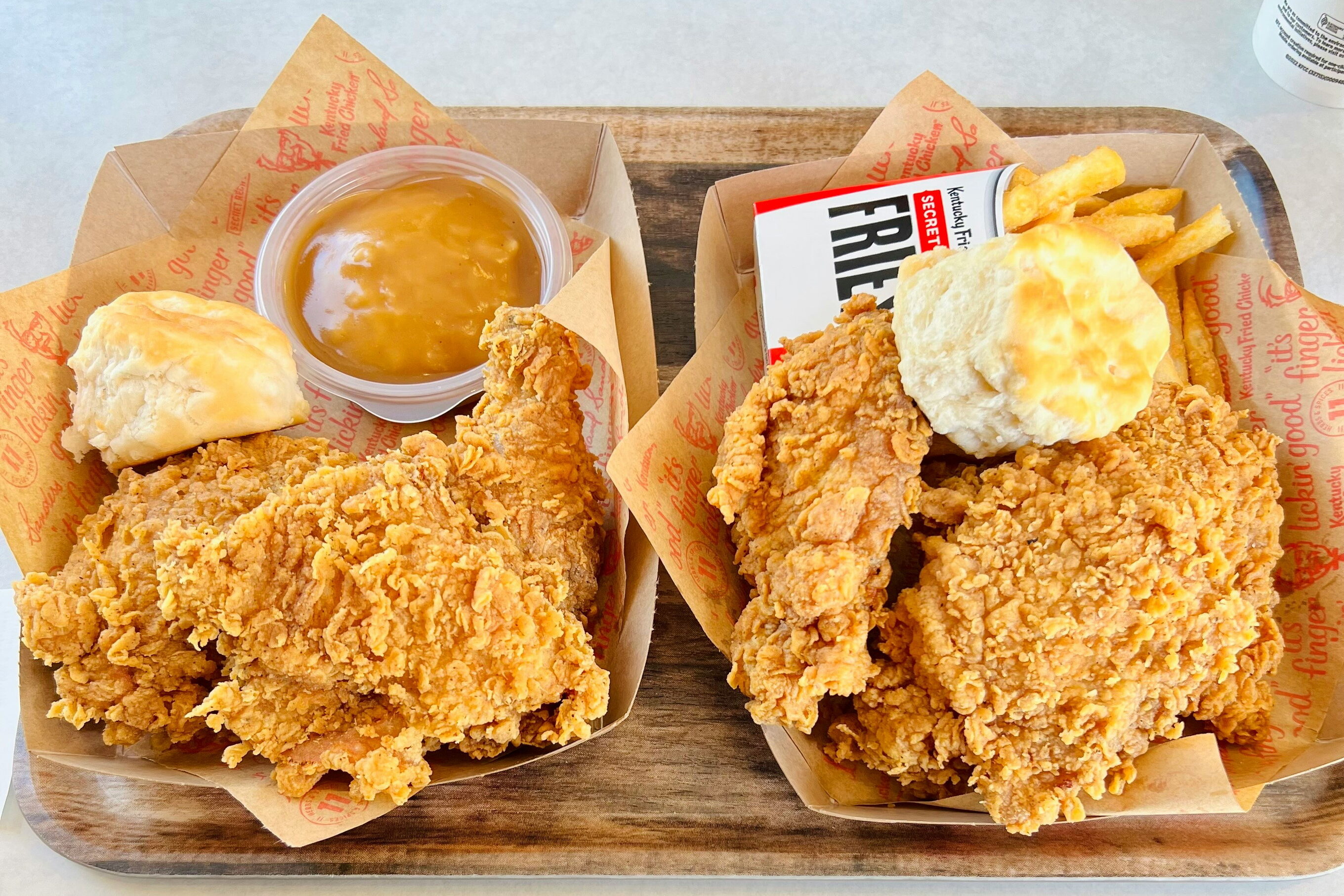
KFC points to that shift as it explains its ambitions in Sweden. “We see huge potential here, and the appetite for chicken just keeps growing,” says Johan Persson, CEO of KFC Sweden. “Last year, we opened six new restaurants—a growth of over 30 per cent—and we see clear space for 150 KFC outlets nationwide.” The chain says it is prioritizing controlled growth and consistent quality over a rapid rollout. 

“We want to be the best at chicken,” Persson adds. “We’re proud of our craft approach—using whole cuts, hand-breading on site and developing new menu items inspired by both local trends and global flavors.” Recent launches have ranged from Indian-inspired “Crispy Naan” sandwiches to Japan-themed meals. “We’re always looking for ways to surprise our guests,” Persson says. “Our latest collaboration with Doritos is one such example.” 

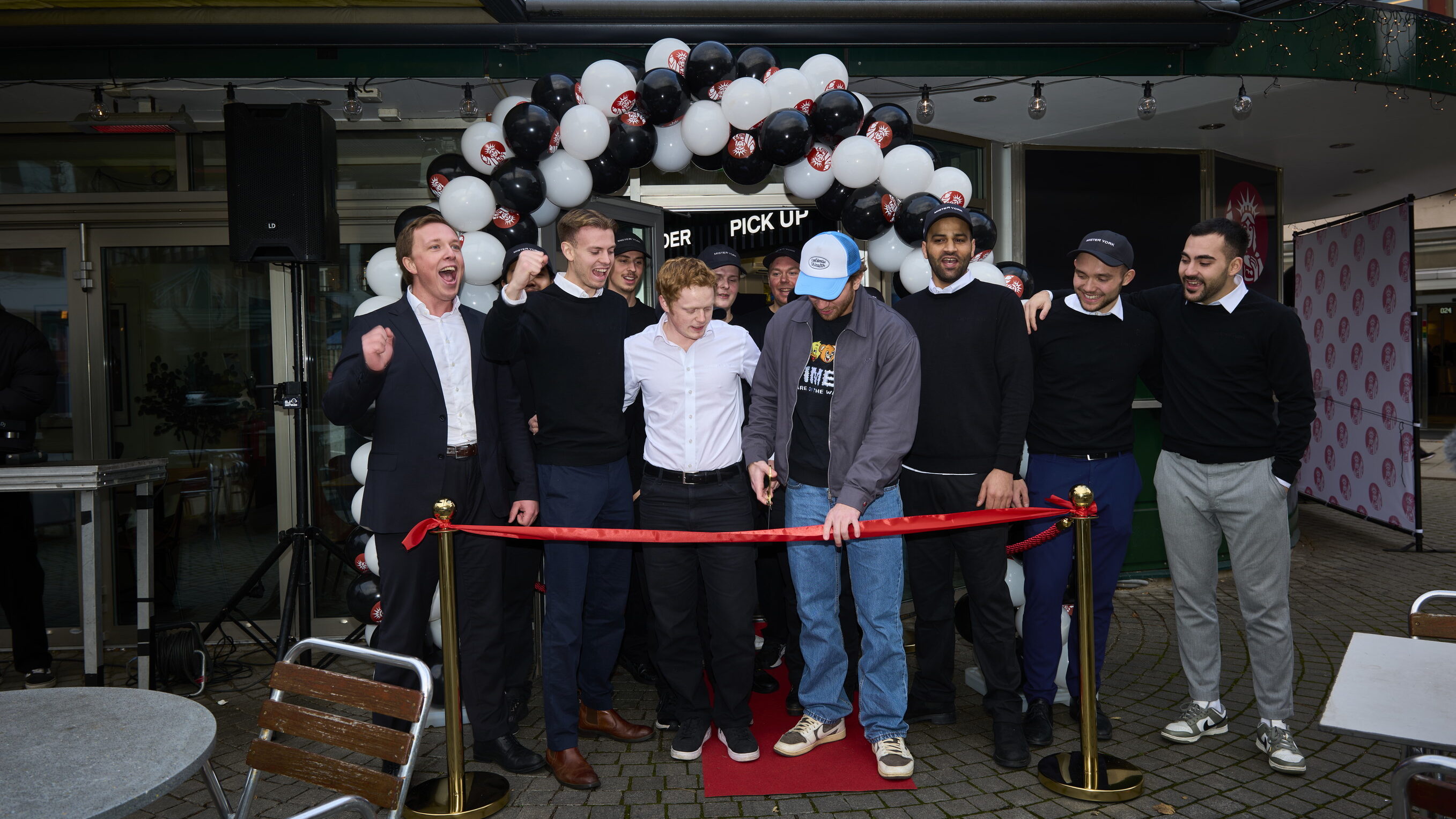
Those higher expectations are not only impacting international chains. They have also helped fuel a new generation of Swedish fast-food businesses. One of them is Mister York, launched in 2020 as a food truck in Kalmar and now with 30 restaurants. Founder Gustav Larsson says he feels no threat from the newcomers; if anything, he argues the competition lifts the category. 

“The opening of Five Guys actually gave us a marketing boost and brought us more guests, especially in Stockholm,” explains Larsson, a self-proclaimed ‘quality nerd’. “Most of the big fast-food giants established themselves in Sweden 40–60 years ago, when the only burgers everyone knew were frozen meat patties, heated, fried and sometimes just kept warm until served.” In his view, the benchmark has changed. “Today’s customers are much more demanding,” he says. 

Food journalist and cookbook author Jonas Cramby welcomes the broader influx—provided, he notes, the concepts stay recognizably American. “As a fan of what some call junk culture, I genuinely enjoy this, at least as long as the chains keep the American concepts and don’t “Swede-ify” things too much. It’s fun that each has its own approach and way of doing things, even if they’re just serving burgers,” he says. 

In Cramby’s eyes, these chains have become a subculture in their own right. “Most people would call it junk culture. I think it’s important to understand that this is the culinary equivalent of pick-and-mix candy,” he adds. “It’s not meant to be everyday food; it’s something you treat yourself to occasionally—the joy of browsing these colorful menus packed with E-numbers and wild names like ‘Crunchwrap Supreme’, ‘Sonic Blast’, ‘Chili Cheese Coneys’.” 

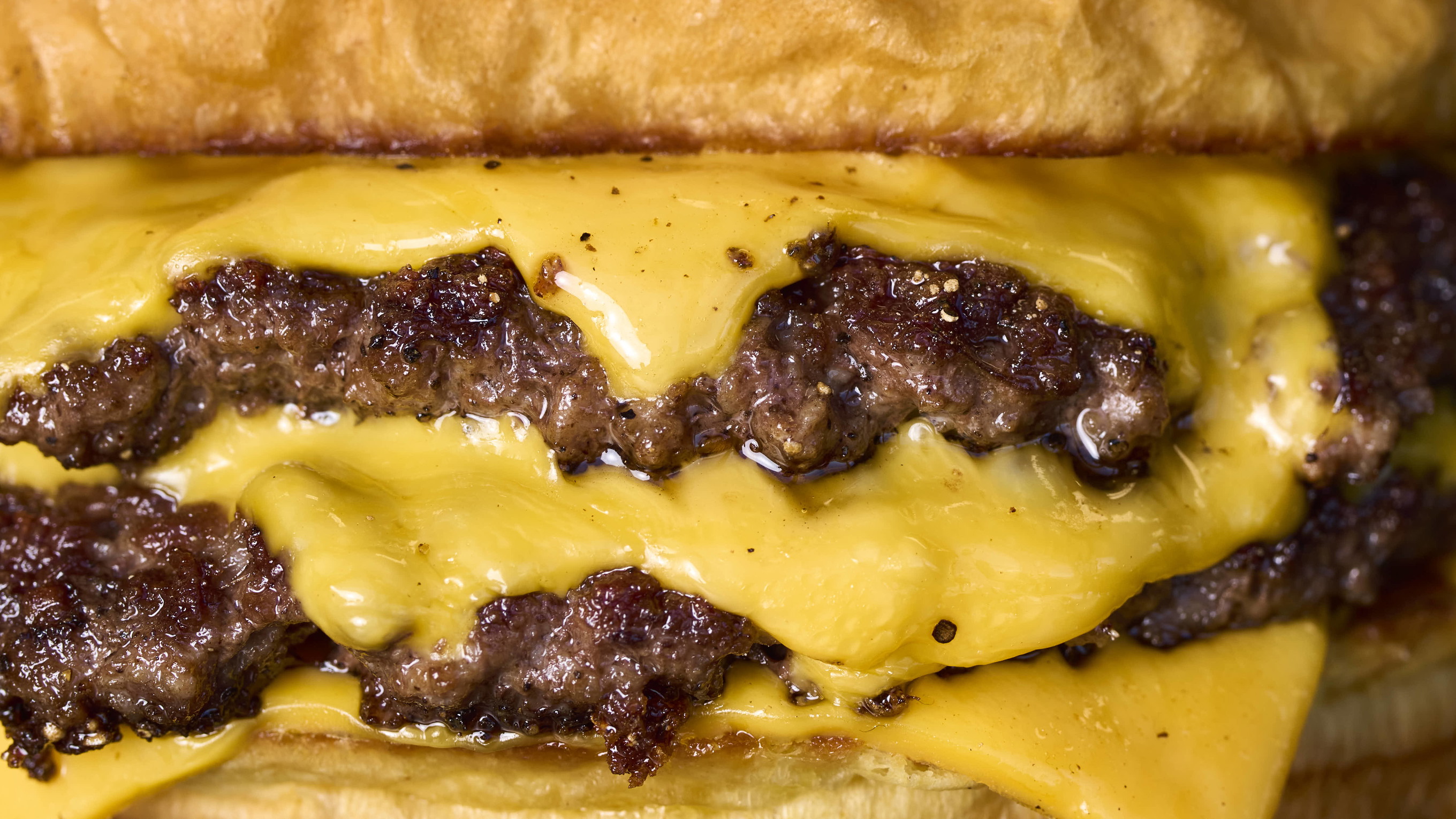
For Mister York, Larsson says the appeal of American concepts is part of the draw—but execution is what matters. “Swedes have romanticized American ideas for a long time, and for us, the love of what it takes to make the perfect street-food burger is real,” he says. “Burgers and sides are timeless, simple fare for any situation. Above all, it’s incredibly delicious when done right—and you shouldn’t have to pay a fortune. We like to say we’re the new generation of fast food: premium burgers at fast-food prices.” 

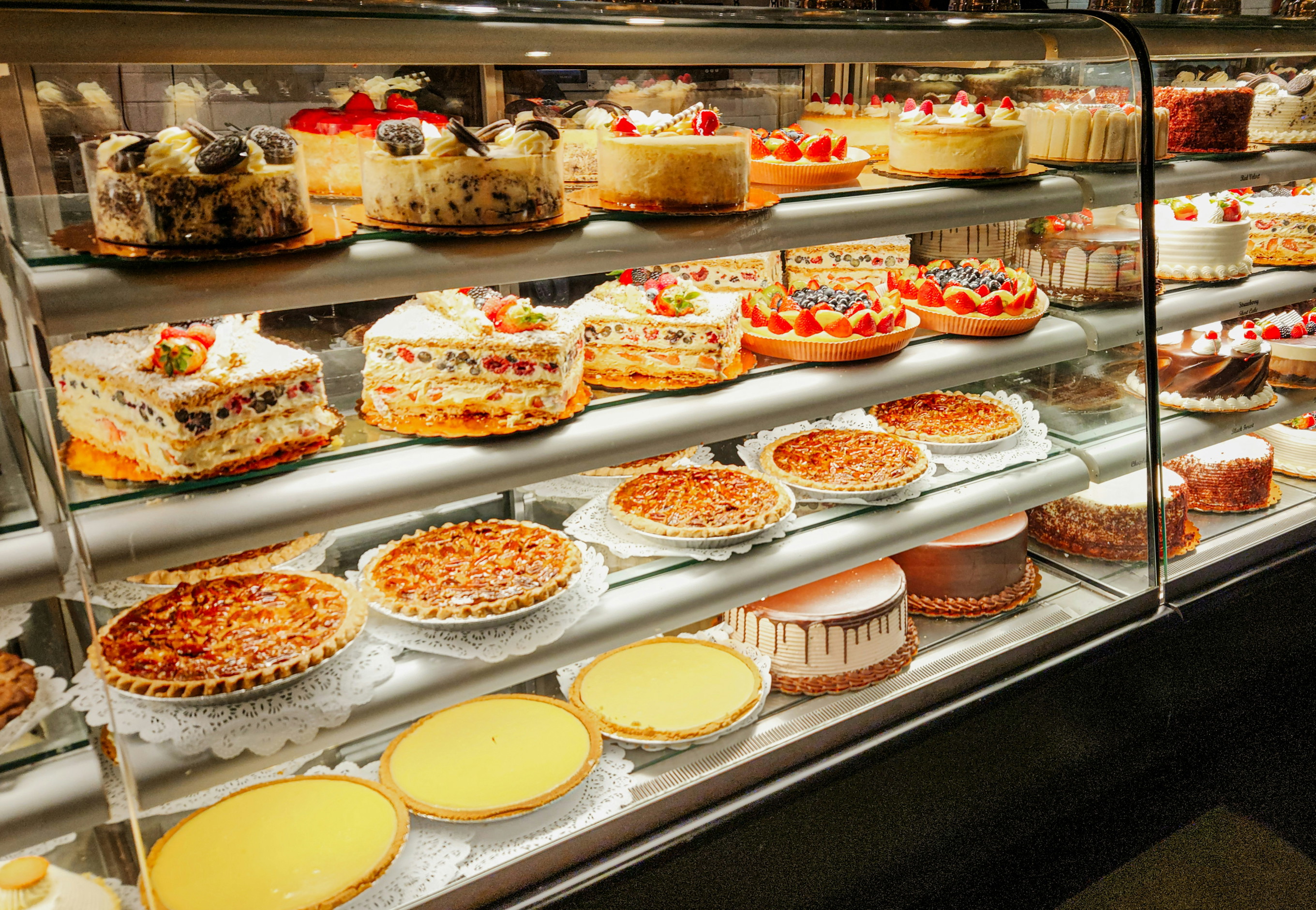
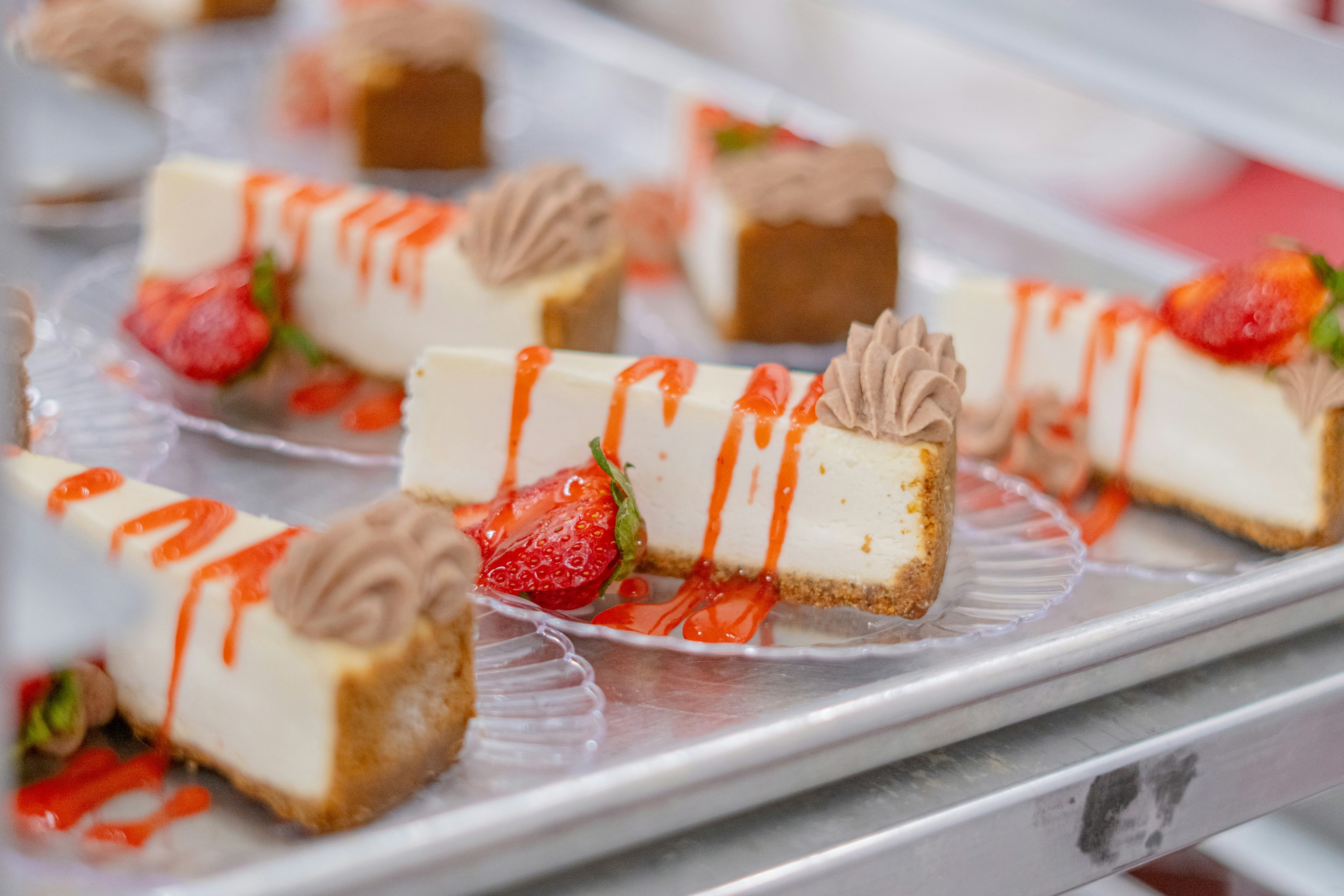
American food culture is also arriving in sweeter form. Bakery group Bake My Day has secured the Nordic distribution rights for The Cheesecake Factory’s cakes, supplying supermarkets, restaurants and hotels. Founded in the 1940s, The Cheesecake Factory has more than 300 locations worldwide—and a pop-culture profile boosted by shows such as The Big Bang Theory. “They really represent premium cheesecakes. To me, it’s the perfect balance of sweetness, acidity and texture,” says Moses Isik, CEO of Bake My Day, whose personal favourite remains the original cheesecake topped with strawberries. For now, Stockholm residents and visitors can sample Cheesecake Factory desserts at several cafés, including Vivels. Whether it will open its own locations in Sweden is still unclear. 

The timing of these arrivals is also a topic of debate. “It’s odd that this is happening now, when so much American culture is being avoided due to the political backdrop,” says Cramby. “Even I have to think twice before consuming something American.” Larsson adds: “Some people assume we’re an American chain because of our name, and in the current political climate, anything perceived as American can be sensitive—and sometimes even boycotted. But we simply explain that we were founded in Sweden and are 100 per cent Swedish.” 

It remains to be seen how the new entrants will fare. Still, there is quiet anticipation about what might come next. At the top of Cramby’s wish list is In-N-Out Burger. “But they’ll probably never leave California,” he laughs. “And I really love their biggest competitor in the affordable, quality burger segment: Texas chain Whataburger.” A third dream of his? Dairy Queen. But if Cramby were to bet on the most realistic arrival, he points to Sonic Drive-In: “They always have loads of fun special items on the menu. They invented Dirty Dr Pepper—soda with coffee creamer. And nugget ice, this chewable ice that actor Matthew McConaughey made famous after he installed a Sonic ice machine in his house.” 



Linda Iliste
Author
Find out more
1 / 12