The Art of Slow Travel
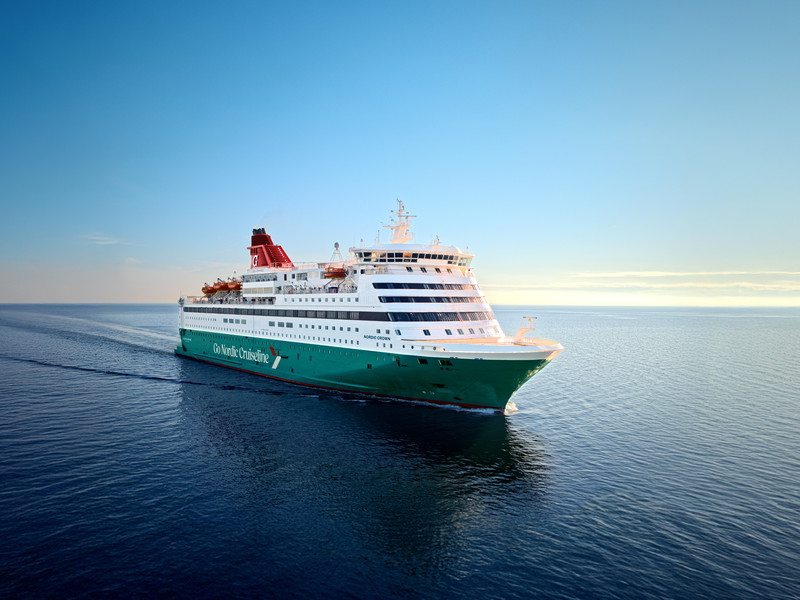
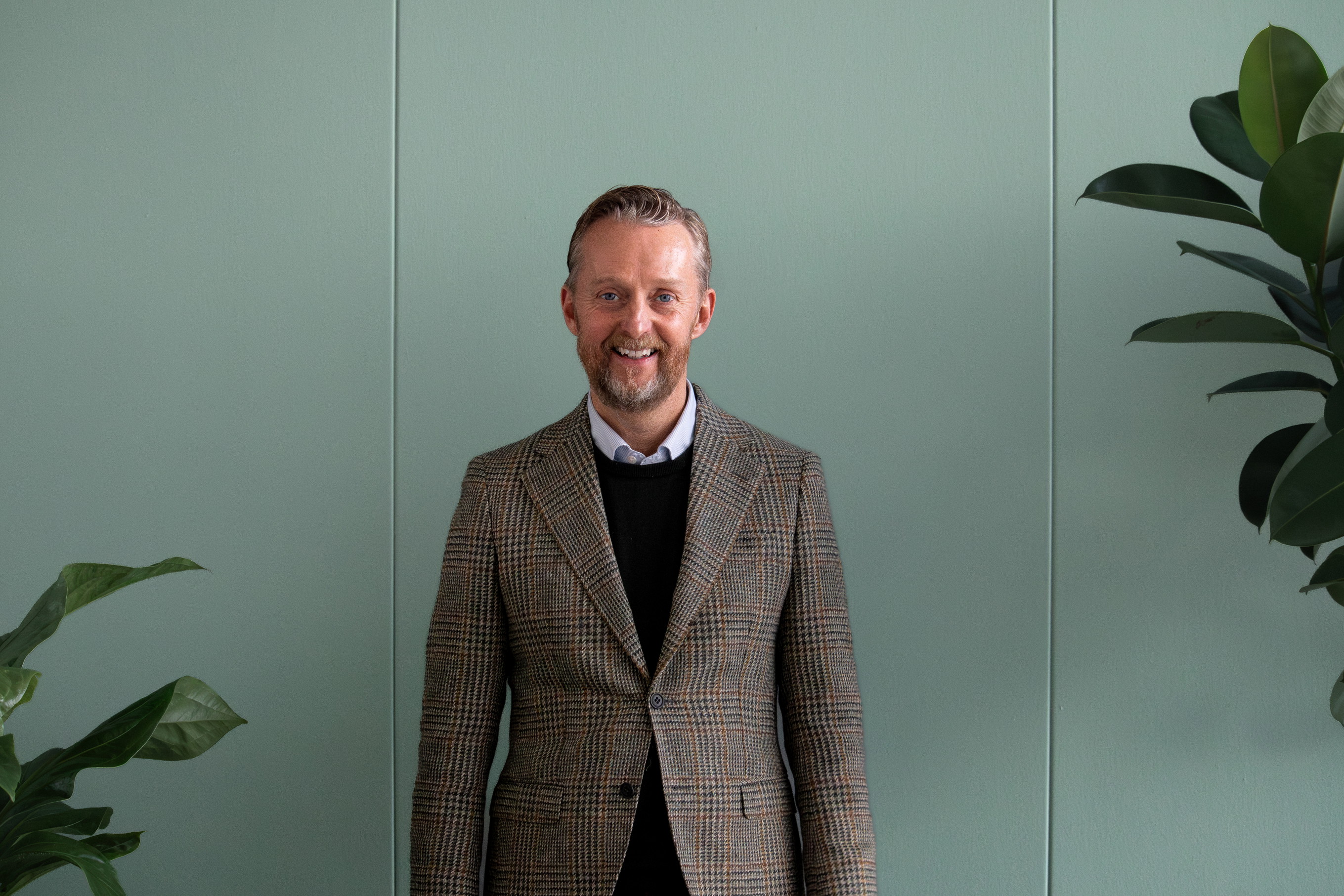
Slow travel is reshaping the way people explore the Nordics. Rather than simply getting from A to B, more travelers are choosing journeys that are part of the vacation itself. Kevin Helsinghof, VP Sales & Marketing at Go Nordic Cruisline, explains why MiniCruises are gaining popularity, how onboard dining enhances the experience, and why flexibility and time together have become the new luxuries.
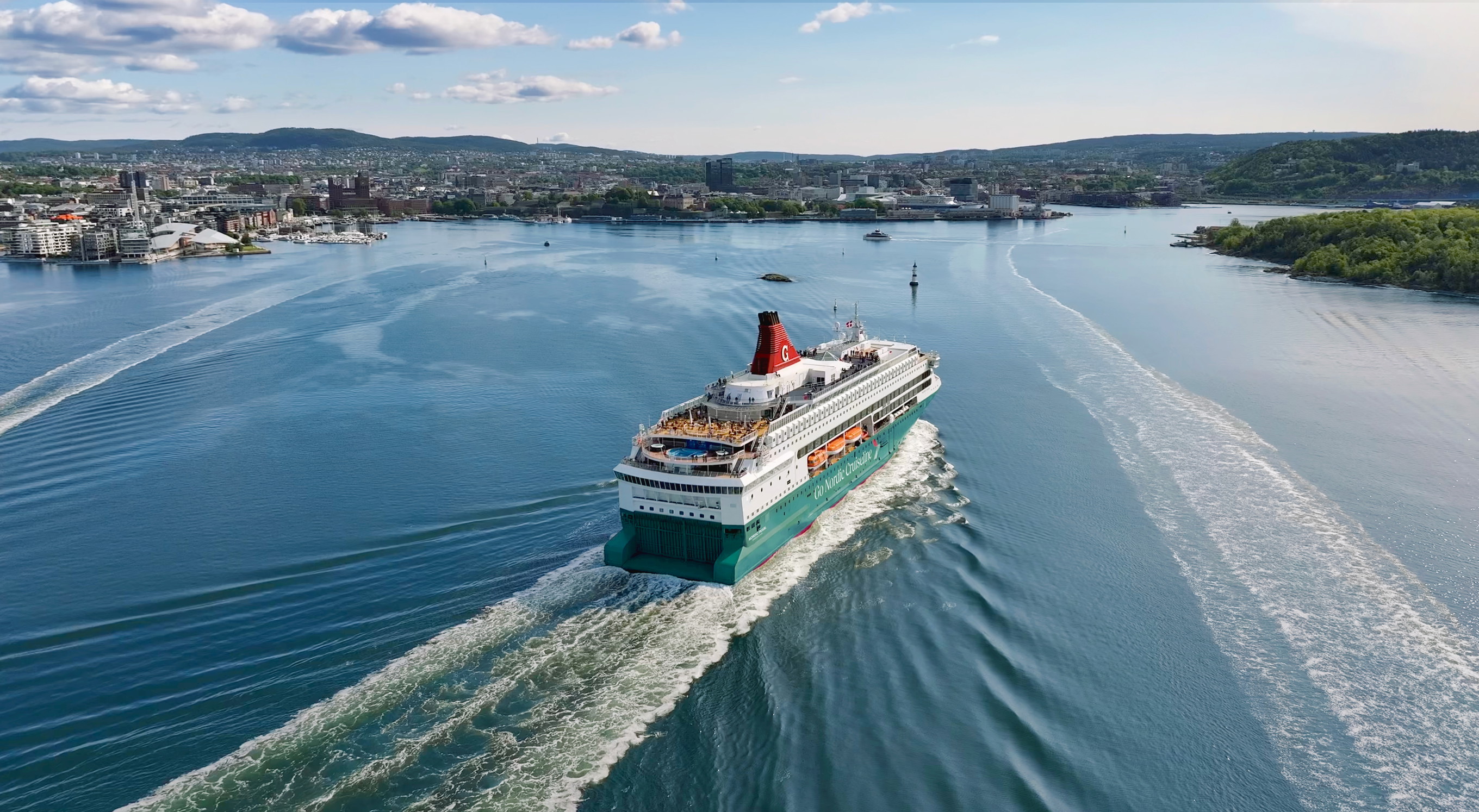
Go Nordic Cruiseline is a two-day return journey between Copenhagen and Oslo. How is the interest for your MiniCruises — have you noticed an increase in guest interest?
We have noticed a shift. Historically, many guests saw us as a way to get from one country to another — a practical leg of a bigger trip. That's changing — we've now become part of the experience.
And with the MiniCruise, more people now grab the opportunity to treat a second Nordic capital as part of the adventure when they're on holiday. They're maybe already in Copenhagen or Oslo, and they think, "Why not sail across and see the other one too?" A little bit bucket list, a lot more memorable.
Why do you think cruising has become increasingly popular as a holiday choice?
I like to say we're the slowest way to travel and the fastest hotel — you step on board, and you're already on holiday. A MiniCruise gives you two nights that cost far less than a hotel in Copenhagen or Oslo, and a whole new Nordic capital to explore. And slow travel is a growing trend.
Your stay and your journey come bundled into one. Our guests used to come for transport done easily and conveniently. Today, a different kind of traveller is coming aboard — one who's here for the experience itself.
How important is gastronomy on your boats, and in what way?
Dining on board can be as grand or as relaxed as our guests want, from a long dinner at our restaurant Skagerak to pizza and pasta with the kids in Syd. There's a seat at the table for everyone.
We're not New Nordic in the fine dining sense, but you could say we're True Nordic. At Skagerak, our buffet restaurant, you'll find many of the Nordic classics: herring, salmon, fried fish fillet — everything you need to build your own open-faced sandwich, before you move on to a variety of dinner buffet classics.
At Kull, it's more international with a Nordic accent. Right now, you could try bone marrow, a Norwegian speciality, as a side dish, or a selection of Nordic cheeses with the classic crispbread for dessert.
And at Syd, you'll find popular pizza and pasta dishes that everyone in the family will love.
Can you see any cruise line trends?
Slow travel and flexibility, without a doubt. People want to combine the journey with the destination, and they want the freedom to make up their own schedule — sail across, stay in the city, sail back whenever it suits them. A traditional cruise locks you into a fixed week. What we offer is a journey you can tailor to your own rhythm.
And then there's presence and community. Seventeen hours on board brings time for the conversations you never quite get to at home, or the chance to meet other people in a setting where no one is in a rush to leave. It's something cruise experiences really embrace.
How have cruise lines developed over the last 10 years?
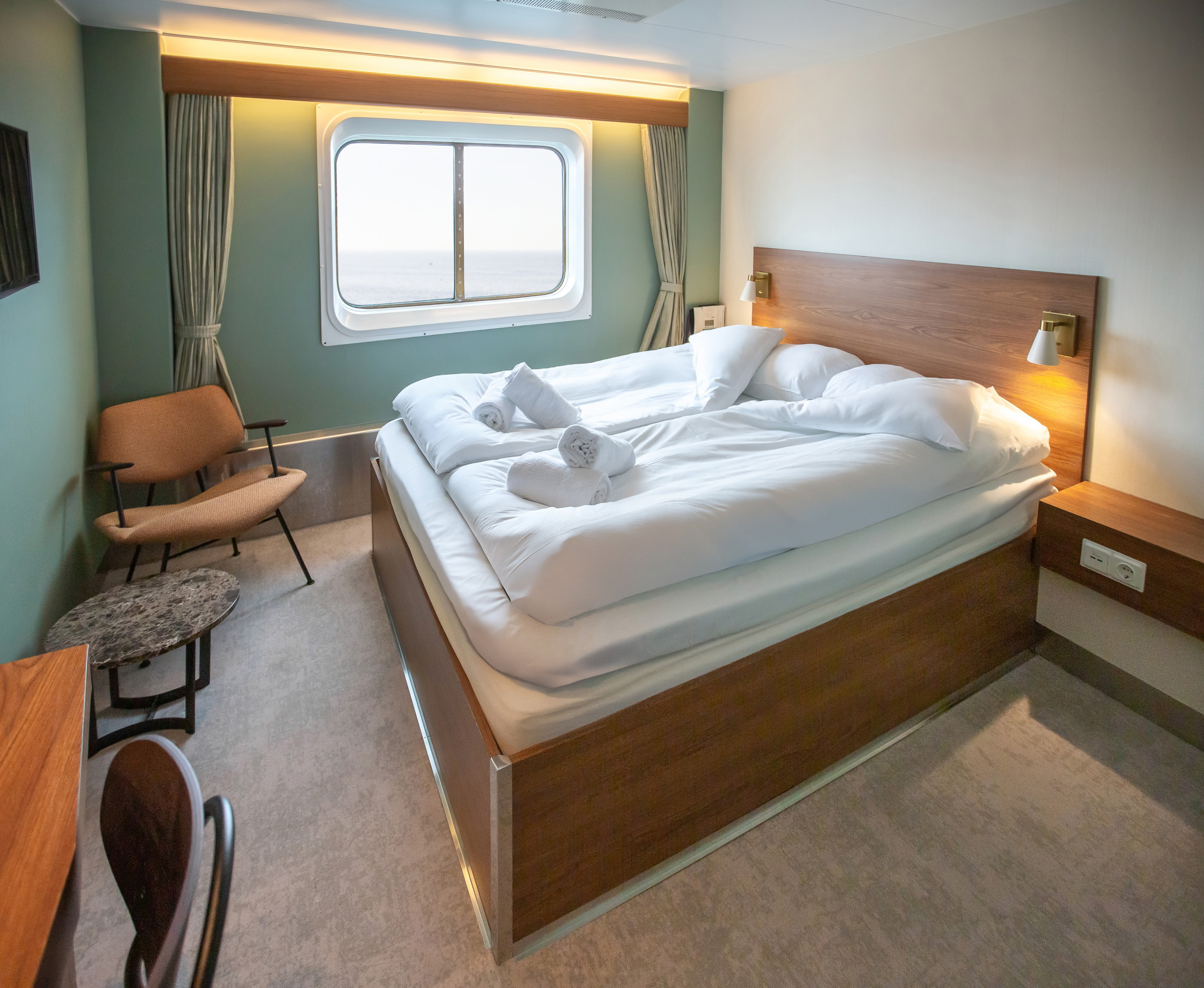
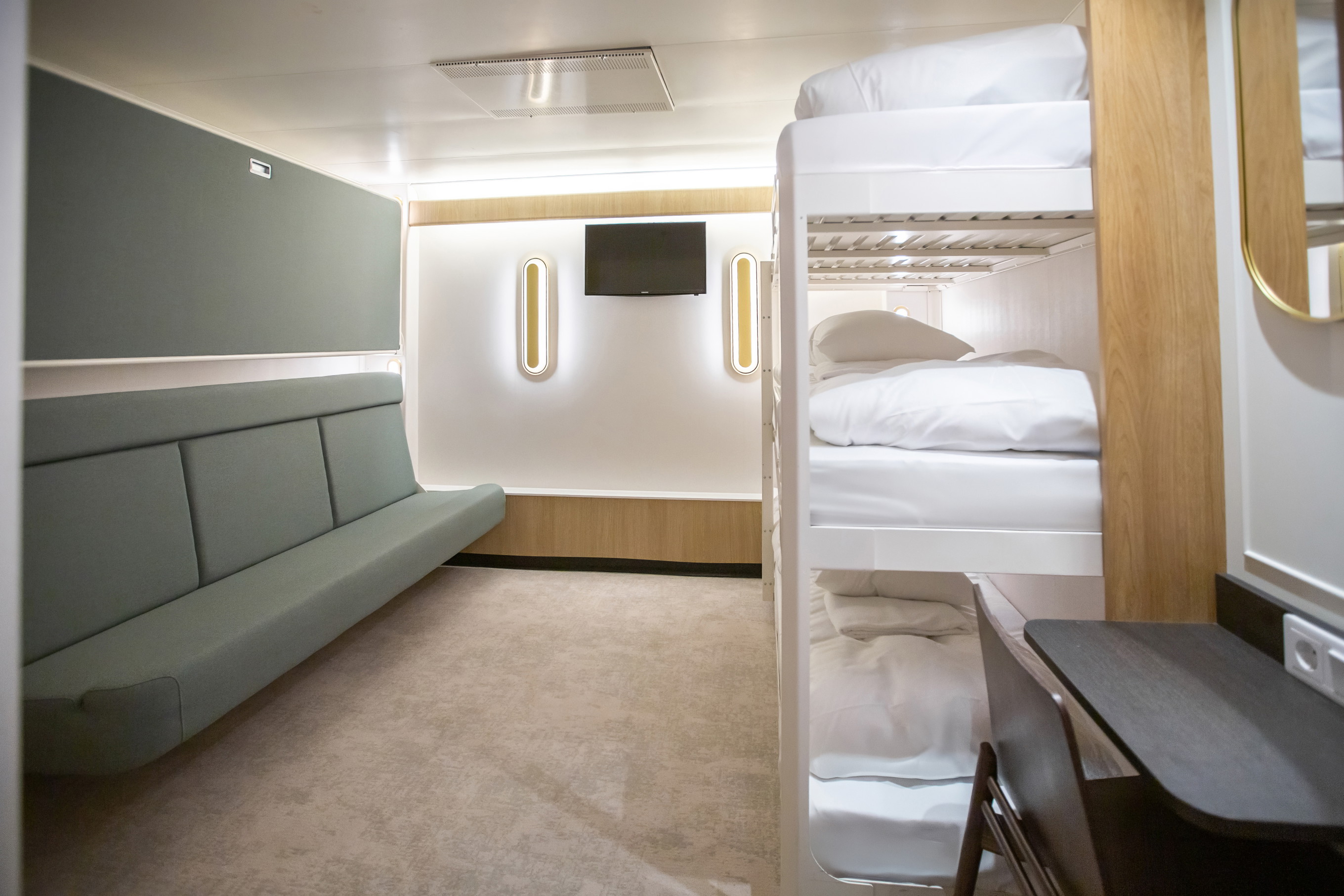
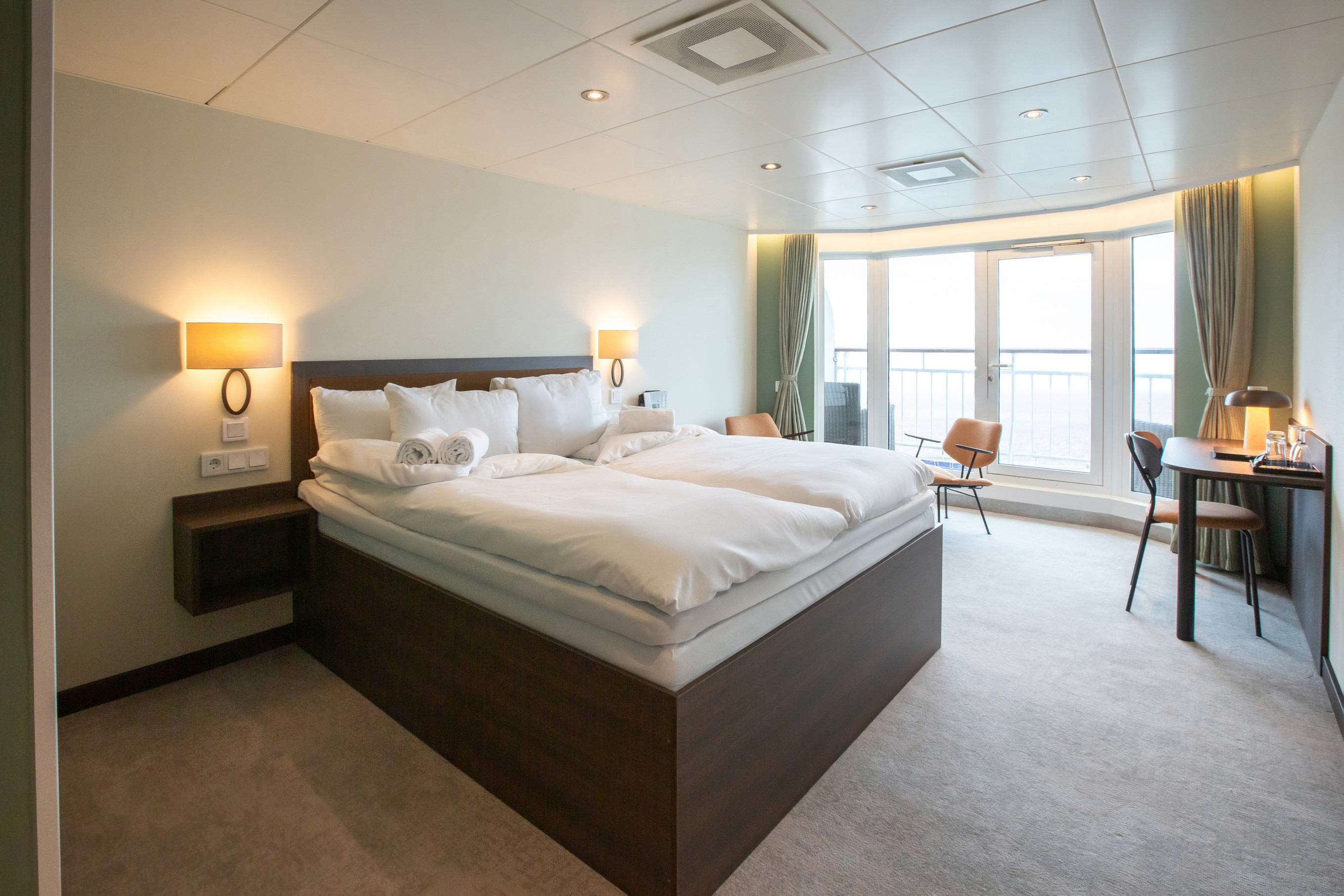
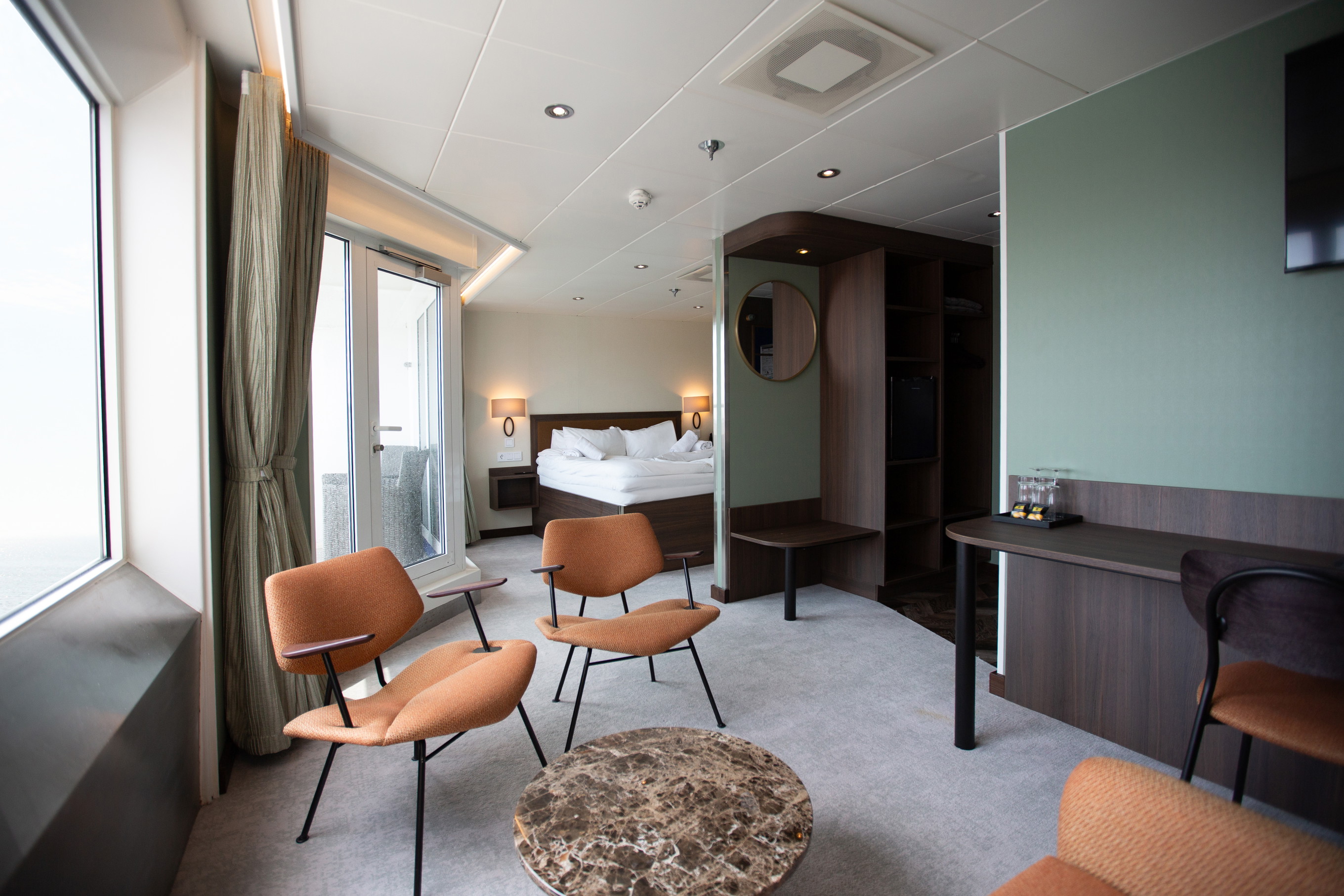
Demand for our Premium Cabins has risen sharply. Ten years ago, a cabin was just somewhere to sleep; today it's part of the holiday. People want a nice cabin, whether it's a newly renovated standard cabin with a sea view or an owner's suite.
The way people book has changed completely, too — fewer big international groups, more independent guests who want to discover the Nordics on their own terms.
Finally, I have a feeling our guests have grown younger, and I think it's because people are searching for time together — and that's exactly what we give them. We're seeing more young families and couples on board, and I think that trend will keep growing with slow travel in a busy life.
How do you see the future of cruise lines?
Time is the most valuable thing any of us has, and people are more careful than ever about how they spend it. We never want to be seen as transport — we want to be where the holiday begins. From ferry to experience.
The other piece is community: put people together for seventeen hours, and even if you travel on your own, you're never alone. I think we'll see an even larger focus on creating community you can opt into on your journey in the future.