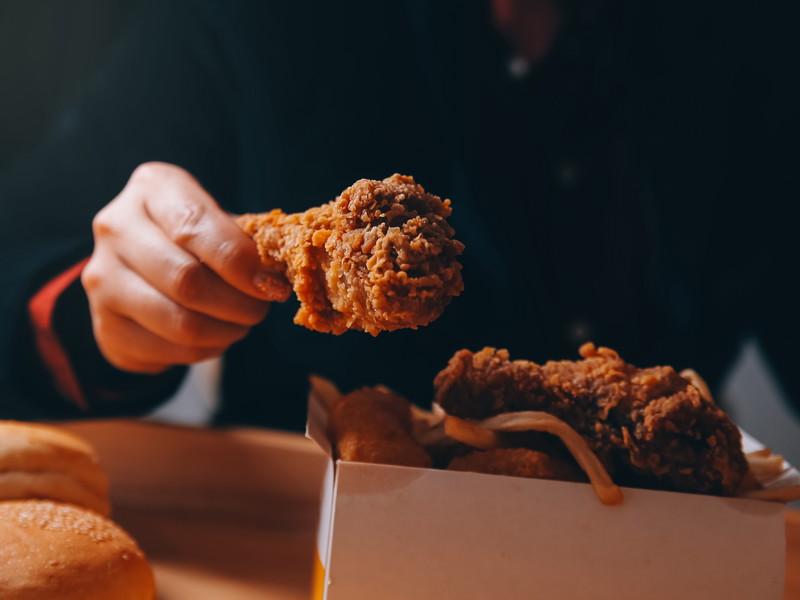
Whether crisps, burgers, chocolate, sweet yogurts and high-fructose soft drinks: Advertising for unhealthy foods is now drastically restricted in the UK. Since October 1, such ads may only be broadcast after2100 and are banned entirely on the Internet. With this measure, the British government hopes to curb the growing number of obese children.
Banned in the UK
The Labor government, which adopted the plan from their conservative predecessors, is hoping for significant changes in public health as Manufacturers are forced to reduce the sugar and fat content of their products. According to the Ministry of Health, this could cut 7.2 billion calories from children's diets every year.
Mandatory for 13 product groups – from ready-to-eat fare like burgers, chicken nuggets and ravioli to sweet breakfast cereals, muesli bars, energy drinks and fruit juices, a nutritional profile indicating the proportion of sugar, sodium and saturated fats contained within a product determines which foodstuffs fall under the ban.
Current figures show the urgency: according to authorities, one in ten children in the UK is obese by the age of four, with one in five children already has tooth decay by the age of five.
Global challenge
The issue is not limited to the UK. The latest UNICEF Child Nutrition Report shows that obesity among children and adolescents is on the rise worldwide – and for the first time ever, has replaced underweight as the most common form of malnutrition.
Between 2000 and 2022, the proportion of obese children (aged 5 to 19) rose globally from 3 to almost 10 percent. The rates are particularly troubling in high-income countries: In Chile, 27% of children are affected, in the USA and the United Arab Emirates 21% each.
Austria is no exception, with one in eleven children now obese, and around 28% considered overweight – a significant increase over the last two decades. In Germany, one in four children between the ages of five and 19 is overweight, and the trend is rising slightly.