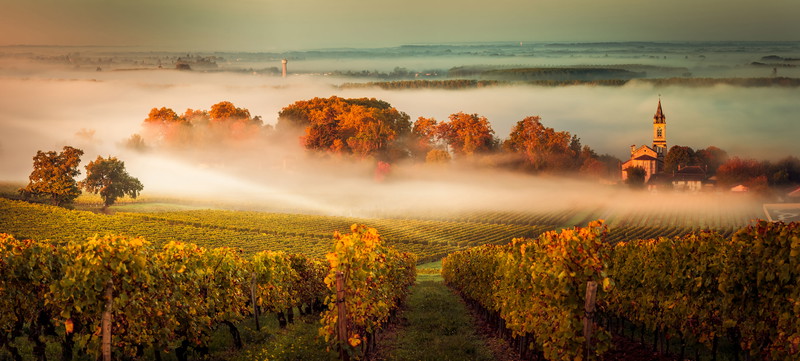
Bordeaux – the name alone is pure magic to the ears of discerning wine lovers. Bordeaux - this is perhaps the most important, but definitely the most famous wine-growing region in the world with the most sought-after and sought-after wines on this planet, whose legendary names are known even to those wine lovers who cannot or do not want to afford these beauties of the international wine world. And although other countries or regions around the globe have long since caught up with this icon in terms of quality, Italy with its “Super Tuscans” or the best Barolo wines, California or Australia with cult wines such as Penfold's “Grange” or Henschke's “Hill of Grace”, Bordeaux has lost none of its fascination and incredible attraction in the 21st century, so that true fans to this day have not even noticed the exorbitantly increased prices in any of them can be a deterrent. With Bordeaux also rose the star of one of the most famous and controversial wine critics, Robert Parker Jr., who gave new impetus to wine journalism with his “Wine Advocate” and also gave it a new, also not uncontroversial, rating system.
The history of Bordeaux began a good 2,000 years ago under Roman rule. 71 AD Pliny reported that the city of Burdigala, today's Bordeaux, was completely surrounded by vines. The Romans called the area on the Atlantic through which the two rivers Garonne and Dordogne flow, which join in Bordeaux to form the mighty Gironde, Aquitaine. This circumstance later gave rise to the name Bordeaux from the French name “Au bord de l'eau”, at the “edge of the water”. In 1154, the region came under English rule that lasted almost three centuries, which established the English people's great love and long attachment to Bordeaux and its wines. This even went so far that Henri III. Plantagenet, King of England, gave special rights to the citizens of Bordeaux. In particular, this meant that wines from other regions were only allowed to reach Bordeaux and be shipped from December 25th, which effectively excluded them from the burgeoning international trade. It was not until 1776 that this privilege was abolished. In 1787, the future President of America Thomas Jefferson gave a new look at the region during a visit to Bordeaux and he explained today's cult wineries Chateau Haut-Brion. Chateau Lafite, Chateau Latour, Chateau Margaux and Chateau d'Yquem are among his very special favorites. Of course, with the arrival of phylloxera at the end of the 19th century, the Bordelais vineyards were completely destroyed. But the winemakers were resourceful and moved across the Pyrenees to Spain to the Rioja region and produced wine there, at the same time inspiring Spanish viticulture. But then phylloxera invaded there too.
During both the First and Second World Wars, Bordeaux was less talked about because of its wine, but rather as the seat of government, as the French government relocated official business from Paris to the tranquil city of Bordeaux for security reasons.
The modern science of wine, oenology, arrived in Bordeaux in 1946 with Professor Emile Peynaud. Peynaud's findings revolutionized not only the methodical steps of winemaking, but also the approach to wine. 10 years later, the right bank of the Gironde really woke up, but in the same year a devastating frost destroyed large parts of the newly planted vineyards.
The region made its big breakthrough into an absolute superstar with the now legendary 1982 vintage. This vintage was initially classified as rather average by Robert Parker Jr. In his “Wine Advocate” it was declared the vintage of the century, which on the one hand led to immense demand, but on the other hand caused prices to explode, especially for the classified chateaus, the “Grand Crus”. In the aftermath, the variety of subscription offers and the sale of high-demand top wines while they were still in barrel also increased This way of selling fine Bordeaux wines has become a common practice. In 1991, Jean-Luc Thunevin, who purchased a small plot of land in St.-Émilion and vinified the minimalist yields in a garage, gave birth to the term “garage wine”, which is still used today for so-called “microwineries”.
Bordeaux today is around 110,000 hectares under vines, which is almost 10,000 hectares more than all of Germany's wine-growing regions combined. They are managed by around 3,000 chateaus. Bordeaux is by no means a uniform region, the different terroirs to the left and right of the Gironde, the proximity or distance to the Atlantic and the associated variable climate zones have created a countless number of sub-appellations, whose most famous names such as Margaux, Pauillac, St.-Émilion or Pomerol are difficult to remember. And each of these subregions brings its own variant; their own interpretation of a Bordeaux wine depending on the climate, soil and grape variety mix. This consists of Cabernet Sauvignon, Cabernet Franc, Merlot, Petit Verdot and Malbec for the red wines, or Sauvignon Blanc, Sémillon and Muscadelle for the white wines, aged dry or, in the case of the Sauternes and Barsac appellations, for noble sweet wines, produced using the Beeren- or Trockenbeerenauslese method. Until the great phylloxera disaster, Bordeaux even had another important grape variety, Carmenère. However, since it is very demanding to grow, it was simply no longer taken into account when replanting the vineyards. This variety has been enjoying a great renaissance in Chile for a good 25 years, but in Bordeaux itself you can only find a few hectares.
The best wines from Bordeaux
France


Best wines from this region
12734 entries
sort by
2025 Château Ausone
Château Ausone
Libournais,
Bordeaux,
France
Red Wine
13,7%

100
2025 Château Beauséjour J. Duffau-Lagarrosse
Château Beauséjour Duffau-Lagarrosse
Libournais,
Bordeaux,
France
Red Wine
Merlot
13,5%
100
2025 Château Cheval Blanc
Château Cheval Blanc
Libournais,
Bordeaux,
France
Red Wine
12,7%
100
2025 Château Figeac
Château Figeac
Libournais,
Bordeaux,
France
Red Wine
13%
100
2025 Château La Conseillante
Château La Conseillante
Bordeaux,
France
Red Wine
Merlot
13,5%
100
2025 Château Latour
Château Latour
Bordeaux,
France
Red Wine
Cabernet Sauvignon
13,3%
100
2025 Château Le Pin
Château Le Pin
Bordeaux,
France
Red Wine
Merlot
13%
100
2025 Château Les Carmes Haut-Brion
Château Les Carmes Haut-Brion
Pessac-Léognan,
Bordeaux,
France
Red Wine
13%
100
2025 Château Margaux
Château Margaux
Margaux,
Bordeaux,
France
Red Wine
Cabernet Sauvignon
13,8%
100
2025 Château Montrose
Château Montrose
Bordeaux,
France
Red Wine
13%
100
2025 Château Mouton Rothschild
Château Mouton Rothschild
Bordeaux,
France
Red Wine
Cabernet Sauvignon
13,1%
100
2025 Château Pétrus
Château Pétrus
Bordeaux,
France
Red Wine
Merlot
100
2023 Château Le Pin
Château Le Pin
Bordeaux,
France
Red Wine
Merlot
14%
100
2023 Château Margaux
Château Margaux
Margaux,
Bordeaux,
France
Red Wine
Cabernet Sauvignon
13,1%
100
2022 Château Beauséjour Duffau-Lagarrosse
Château Beauséjour Duffau-Lagarrosse
Libournais,
Bordeaux,
France
Red Wine
Merlot
14,5%
100
2022 Château Bélair-Monange
Château Bélair-Monange
Libournais,
Bordeaux,
France
Red Wine
Merlot
100
2022 Château Cheval Blanc
Château Cheval Blanc
Libournais,
Bordeaux,
France
Red Wine
100
2022 Château Haut-Brion
Château Haut-Brion
Bordeaux,
France
Red Wine
14,4%
100
2022 Château Lafite-Rothschild
Château Lafite-Rothschild
Bordeaux,
France
Red Wine
13,5%
100
2022 Château Lafleur
Château Lafleur
Bordeaux,
France
Red Wine
Merlot
100
Wine-News
-
 InterviewThe Godfather of RoséSacha Lichine shaped the world of rosé wine like no other winemaker. After purchasing Château...
 -
 RiojaHard to find and incredibly exciting: Rioja shows its white sideAnyone who has only known Rioja as a region for red wine has been missing out. White wines and...
 -
 TastingThe Best of White Rioja: Our HighlightsWhite Rioja demonstrates just how complex, full of character, and surprising the famous Spanish...
 -
 WineGuests Trust People More Than AI When Choosing WineA new study shows that while digital channels are becoming increasingly important in wine...
 -
 ChampagneBollinger Appoints Émilien Boutillat as New Cellar MasterÉmilien Boutillat has been appointed as the new Cellar Master of the Champagne house Bollinger. He...
 -
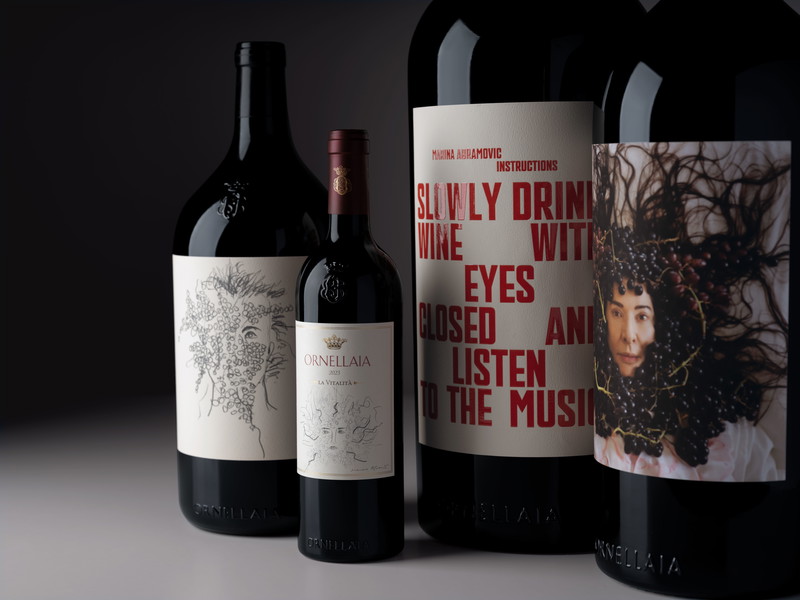 WineMarina Abramović Interprets Ornellaia 2023 “La Vitalità”Marina Abramović interprets Ornellaia 2023 La Vitalità through a striking series of artist labels...
 -
 LithuaniaLe Rosé at Monte Pacis: A Celebration of Rosé Culture by the Kaunas LagoonAs rosé continues to gain recognition as one of the most versatile styles of wine, dedicated...
 -
 SwedenFive Swedish Vineyards Made for a Summer StayGuided tours among the vines, tastings, al fresco meals and no need to nominate a designated...
 -
 VilniusWhy Should Cider Lovers Head to Vilnius This June?Cider is having a quiet boom across the Baltics, and this June Vilnius is marking that moment with...
 -
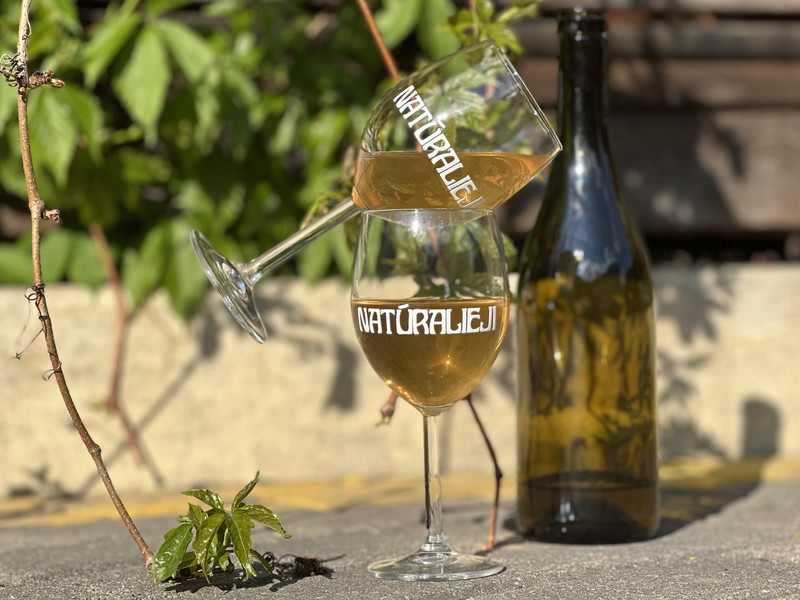 LithuaniaNatural Wine Takes the Stage in Vilnius This MayOn May 23, Vilnius will host The Naturals - a new wine fair bringing together 11 local...
 -
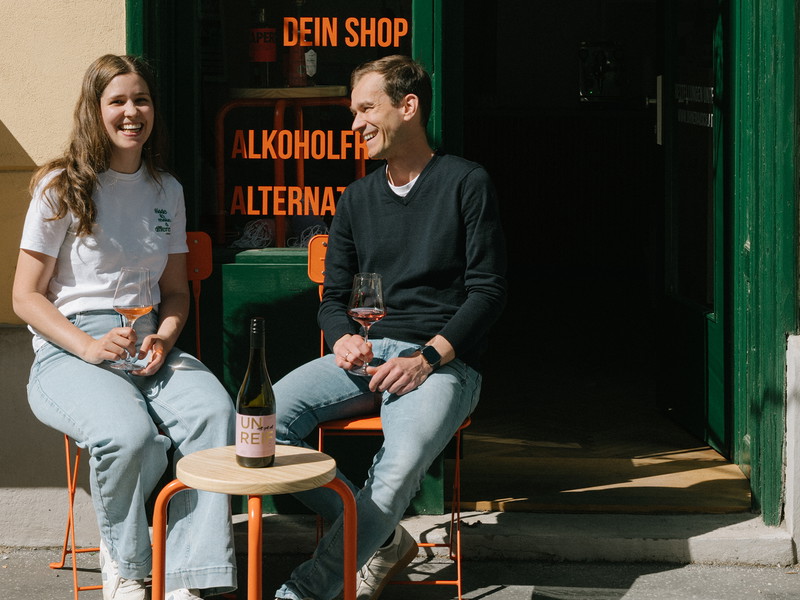 Alcohol-free"Ohnerausch" opens first store with non-alcoholic drinks in ViennaLisa and Philipp Smula open their first store for non-alcoholic drinks – from bitters and proxies...
 -
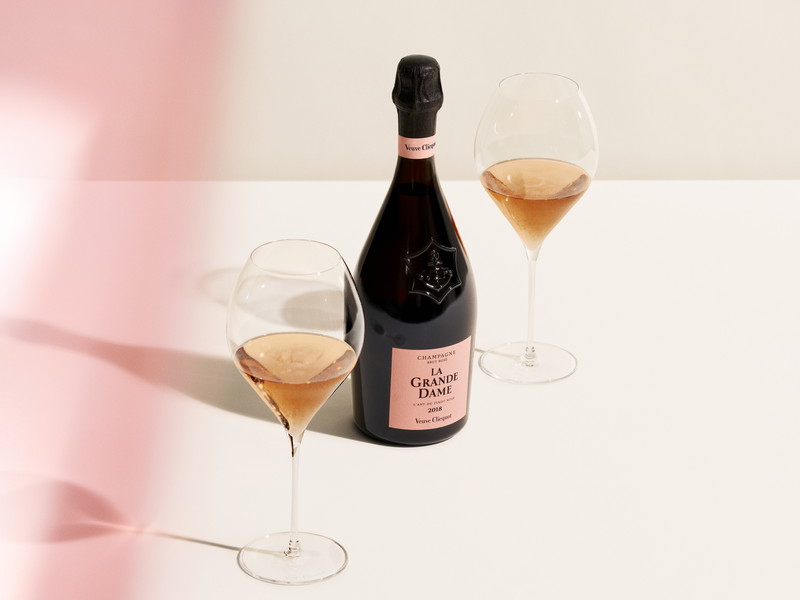 RoséVeuve Clicquot Unveils La Grande Dame Rosé 2018With Veuve Clicquot’s new “La Grande Dame Rosé 2018,” the Champagne house celebrates 200...