
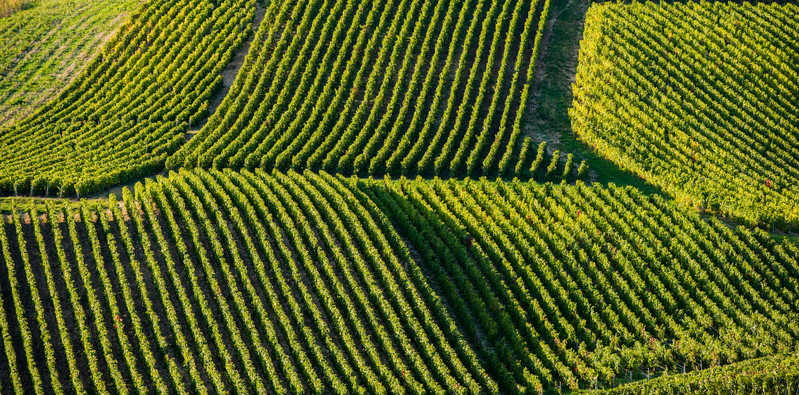
Peru is one of those countries barely noticed by the international wine-loving community. Yet it is a pioneer of South American viticulture because Peru is the country where viticulture was first systematically practised on the South American continent. As early as the 16th century, vines were imported from the Canary Islands, including Listan Prieto. With about 40,000 hectares, the vineyard area was so large that wine was even exported to Europe. Since the 1970s, international varieties such as Sauvignon Blanc, Chardonnay, Syrah, Malbec and Tannat have increasingly gained a foothold. Today, about 11,000 hectares are under vines in Peru; the vineyards are primarily located around the cities of Pisco and Ica. The climate is warm, and with little rainfall, irrigation is indispensable here, but the nearby Pacific Ocean exerts a cooling influence. Because of the high humidity near the tropics, rot and fungal diseases are relevant issues. A large part of the vineyard area is devoted to the Moscatel variety, although not for producing still wine, but the distillation of Pisco, Peru's national drink, as in neighbouring Chile. Peru's wines are scarcely exported, but a few wineries have conquered the European wine market with remarkable quality from international grape varieties. However, the quantities are minimal.
The best wines from Peru


Best wines from this region
Wine-News
-
 WineAlpine Wines Are the New Cool Climate StarsFresh, elegant and shaped by mountain terroir, Alpine wines are becoming a favourite among...
 -
 GourmetWhen Festivals Become Culinary DestinationsFrom Michelin-starred chefs to Champagne bars, Europe's leading festivals are proving that...
 -
 WineFalstaff Sommelier Awards 2027 come to the NordicsSweden and Denmark Crown their Best Sommeliers at Two Gala Award Nights.
 -
 VotingFalstaff is searching for Nordics favorite Rookie-Sommeliers 2026Who's shaping the future of the wine scene? Nominate your favorite for the award of Rookie...
 -
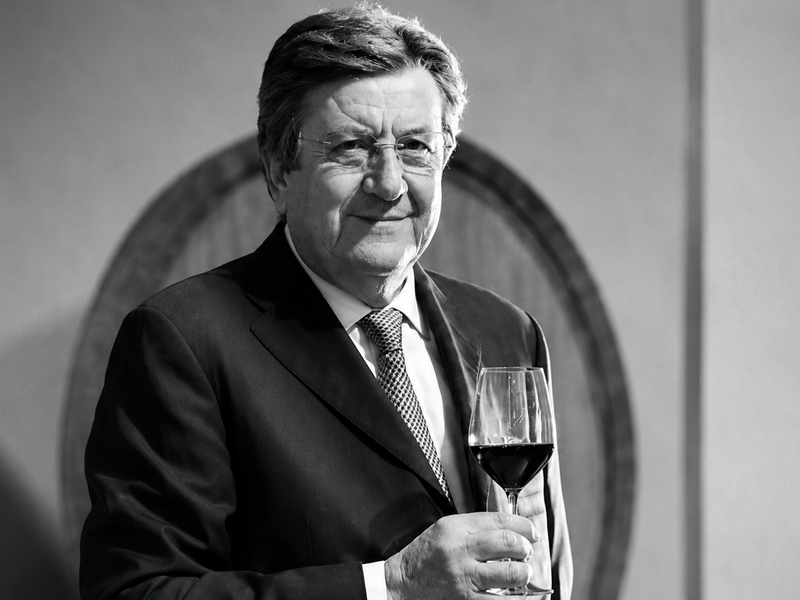 NewsFranco Bernabei – Farewell to a Leading Figure of Contemporary Italian OenologyHe played a pivotal role in the rise of Chianti Classico and was one of the key figures behind the...
 -
 WineGuests Trust People More Than AI When Choosing WineA new study shows that while digital channels are becoming increasingly important in wine...
 -
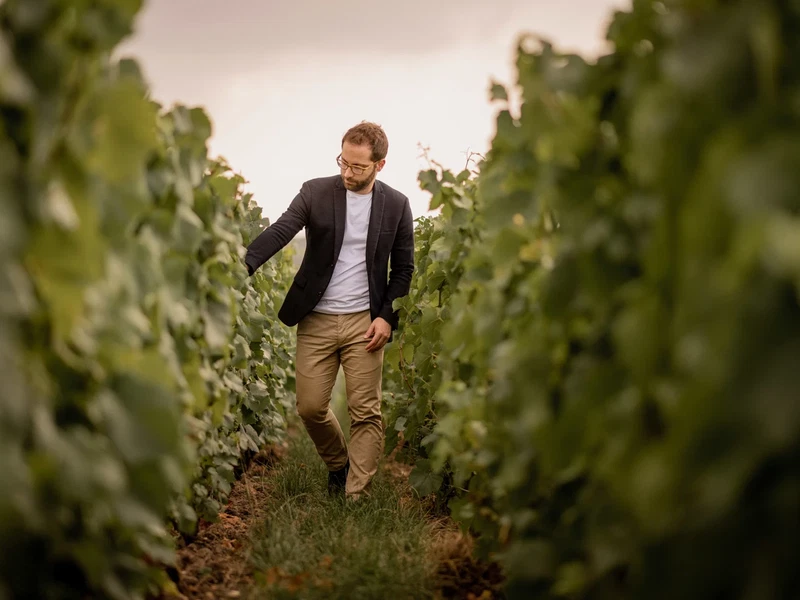 ChampagneBollinger Appoints Émilien Boutillat as New Cellar MasterÉmilien Boutillat has been appointed as the new Cellar Master of the Champagne house Bollinger. He...
 -
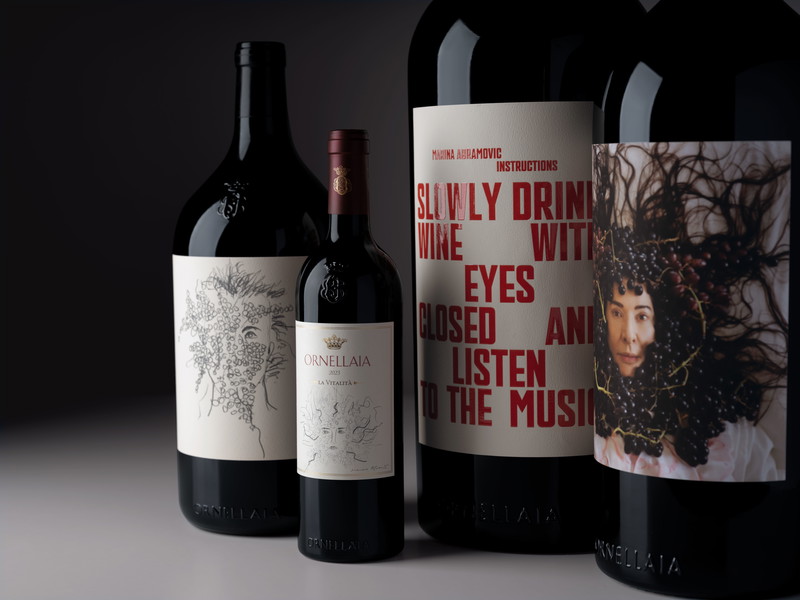 WineMarina Abramović Interprets Ornellaia 2023 “La Vitalità”Marina Abramović interprets Ornellaia 2023 La Vitalità through a striking series of artist labels...
 -
 LithuaniaLe Rosé at Monte Pacis: A Celebration of Rosé Culture by the Kaunas LagoonAs rosé continues to gain recognition as one of the most versatile styles of wine, dedicated...
 -
 SwedenFive Swedish Vineyards Made for a Summer StayGuided tours among the vines, tastings, al fresco meals and no need to nominate a designated...
 -
 VilniusWhy Should Cider Lovers Head to Vilnius This June?Cider is having a quiet boom across the Baltics, and this June Vilnius is marking that moment with...
 -
 LithuaniaNatural Wine Takes the Stage in Vilnius This MayOn May 23, Vilnius will host The Naturals - a new wine fair bringing together 11 local...