
Book differently: Sustainable alternatives to "Airbnb"
"Airbnb" has changed travel: more personal and affordable for many for the first time. But there are downsides to its success - in many cities, the platform is seen as a driver of overtourism. A new generation of booking platforms are now focusing on sustainability and social projects.
One man's joy is another man's sorrow: popular cities such as Barcelona, Paris and New York have been hit hard by mass tourism. Booking platforms such as "Airbnb" or "Booking.com" are commonly criticized for exacerbating the housing crisis - the rising number of rentals is leading to scarce and expensive living space for locals. Alternative booking platforms are in the process of establishing themselves - and creating a sustainable offer.
Fair booking platforms as an alternative
"Fairbnb"
Venetian-born Emanuele Dal Carlo no longer wanted to watch his city change for the worse over the years. When his neighbors were gradually replaced by strangers, he founded "Fairbnb" in 2014 to counteract overtourism. The platform forwards half of the placement fees to local social projects. The focus is on sustainable, responsible tourism that benefits both travelers and the local community. "Fairbnb" accommodation is currently available in Portugal, Italy, Spain, the Canary Islands, France, Belgium and the UK. The portfolio in cities such as Vienna, Munich, Berlin and Amsterdam is still under construction.
"Ecobnb"
The "Ecobnb" platform was also born in Italy. The aim of the founders is to reduce the environmental impact of travel and to promote accommodation that actively implements sustainability. The portal features a wide range of offers, including tree houses and glamping sites in the middle of nature, stays on organic farms, emission-free mountain huts and eco-hotels. Accommodations in 55 countries rely on renewable energy, use local ingredients in their cooking and pursue measures to reduce waste. Each offer is assessed on the basis of ten sustainability criteria and a tree is planted for each booking.
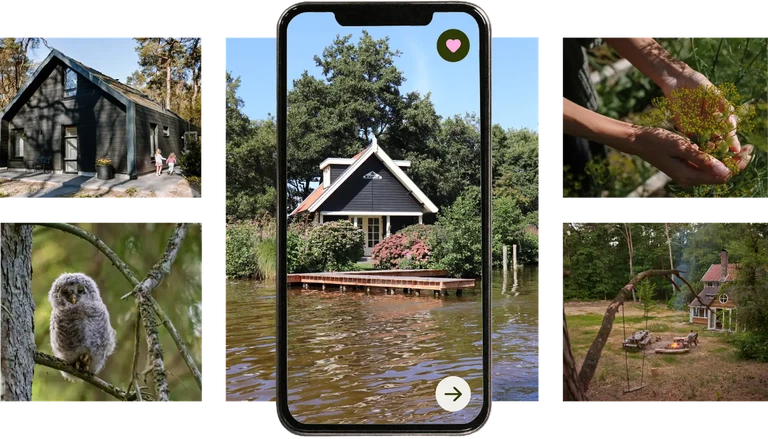
"Naturhäuschen", a Dutch family business, arranges individual vacation accommodation away from large booking portals. The offer ranges from tree houses and tiny houses to yurts in various regions of Europe. The aim of the initiative is to protect nature through nature vacations. Five percent of sales flow directly into projects and partnerships that benefit local biodiversity. Milestones and project implementation are presented in the annual impact review.
"Socialbnb"
The German platform "Socialbnb" offers accommodation in 45 countries that is run by local NGOs instead of private landlords or companies. Bookings directly support charitable projects, such as the construction of schools or the protection of animals. In addition, some accommodations enable active participation on site, for example through participation in whale research expeditions or insights into sustainable agriculture. In this way, the stay becomes an eventful contribution with added social value.


