Vintage Humilitiy
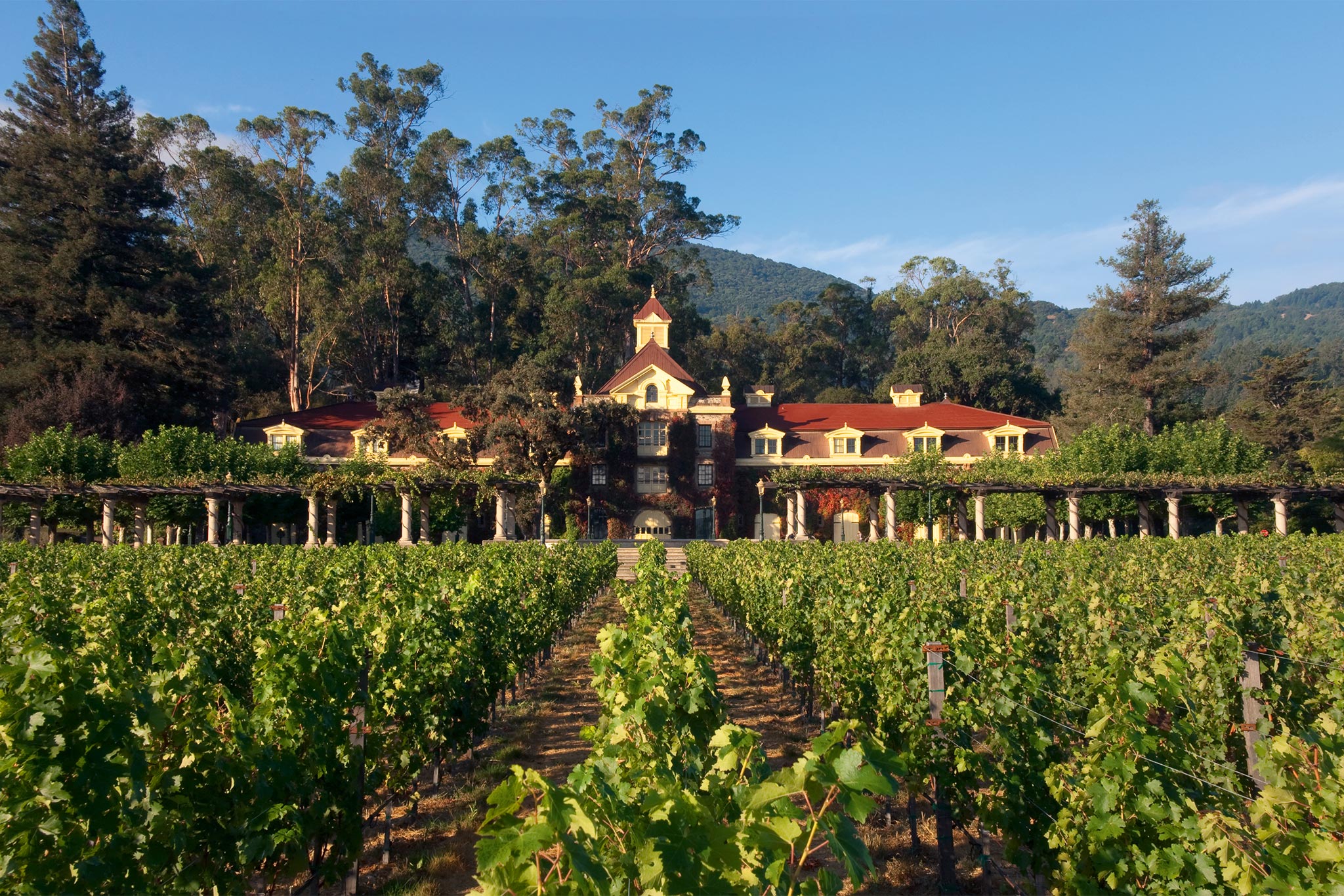
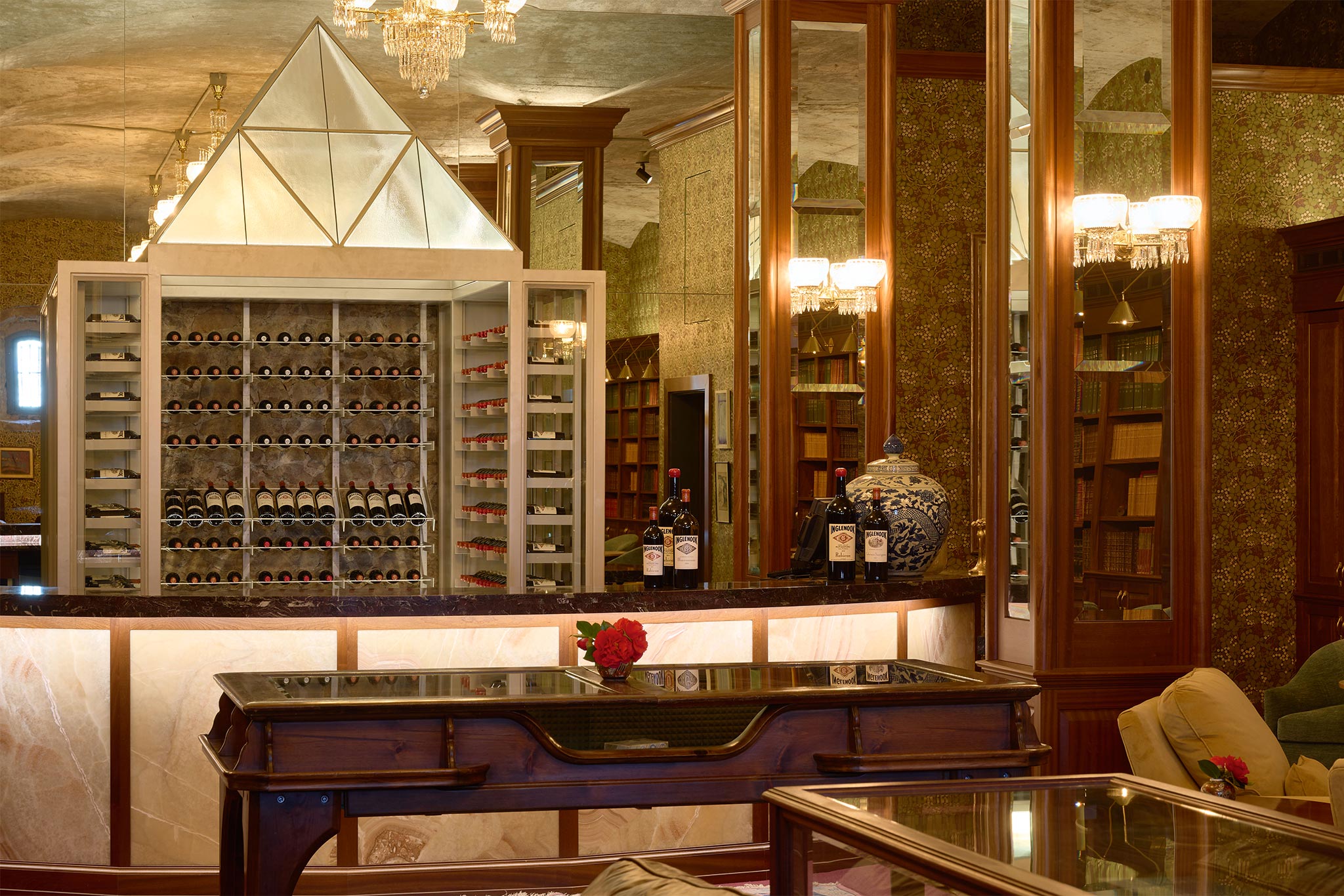
Coppola is not one of those rich amateurs who buy a winery out of vanity or as an investment to boost their image and prestige. Inglenook was more than just a project from the very start; the family worked on it themselves and has grown closer to the estate with every new vine planted.
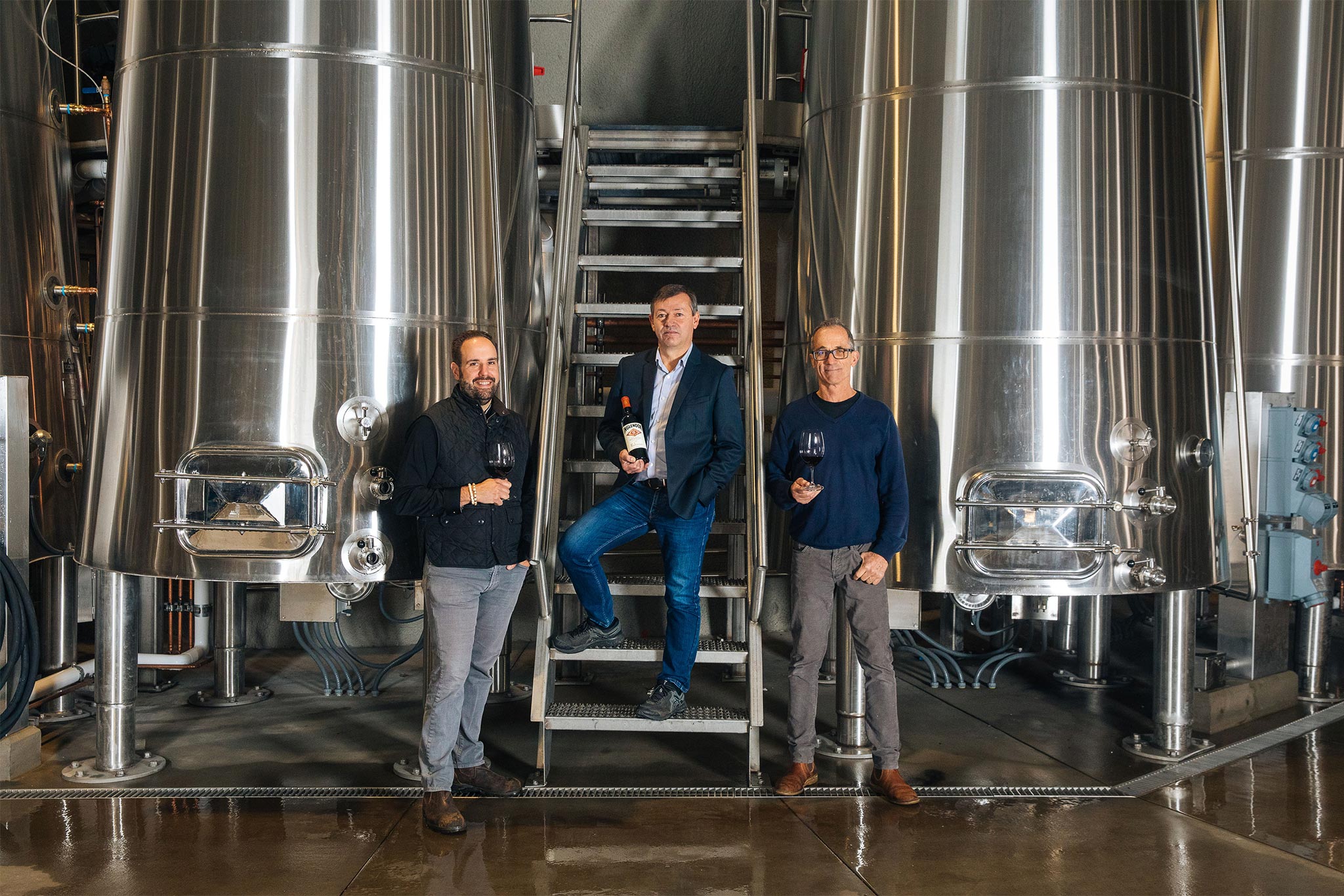
This wine has become second nature to the Coppolas, and the next generation also feels a close connection to the place. And thanks to the thourogh, sensitive winemaker Philippe Bascaules, Francis Ford Coppola's goal of producing a top wine that combines freshness, body and elegance is now within reach. And that would make a nice story: While some incorrigible vintners in Bordeaux are still trying to produce colorful, alcohol-rich, over-extracted reds based on the misunderstood Napa Valley model, highly elegant wines like those from Pomerol or Margaux are increasingly being vinified in top terroirs there.
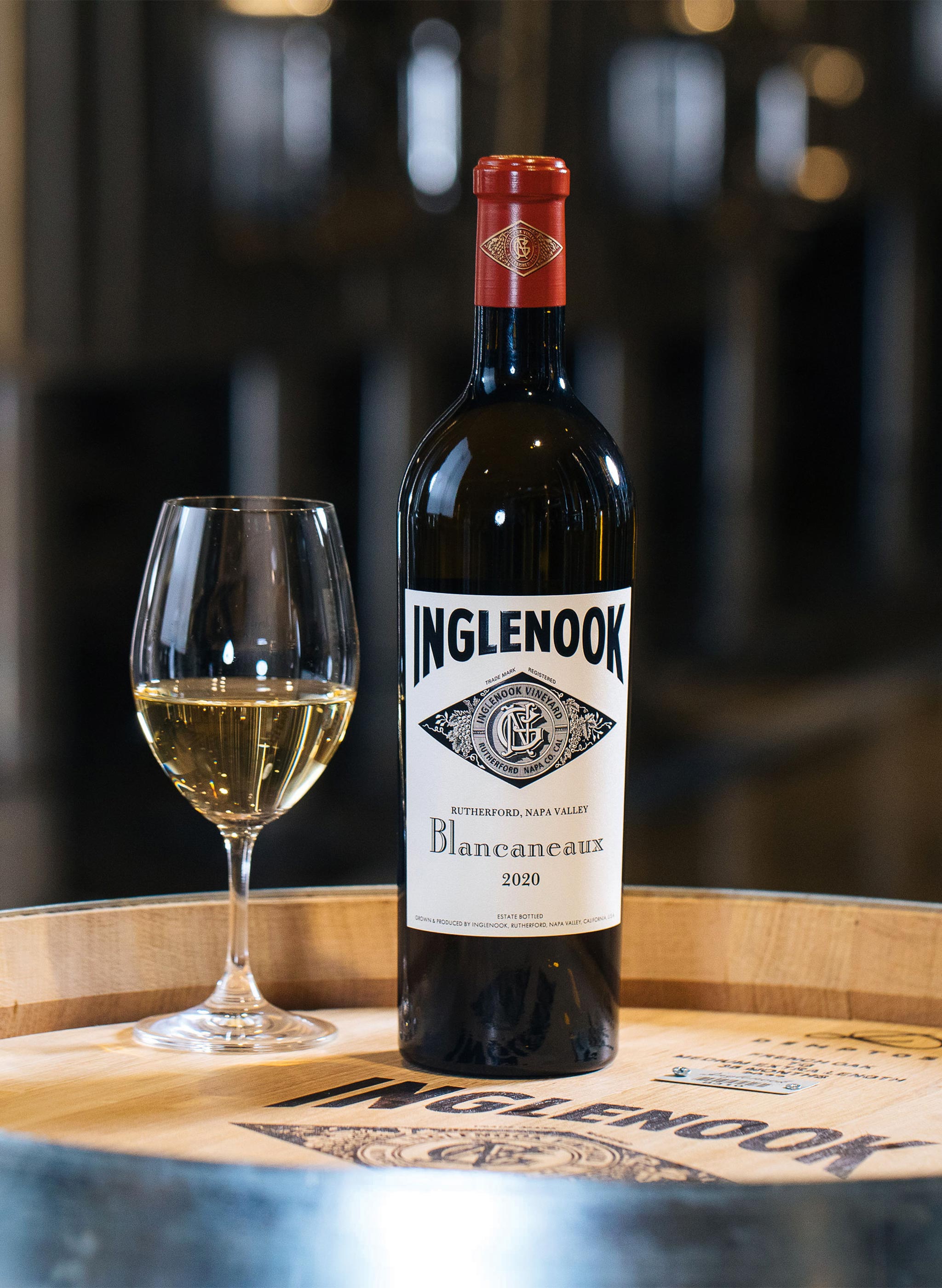
Today, Inglenook produces the Blancaneaux, a cuvée of Viognier, Marsanne and Roussanne, and since 2013, a pure Sauvignon Blanc as well as the RC Reserve Syrah. The latter's name refers to Roman Coppola, Francis' son, who is passionate for Australian Shiraz. The Cabernet Sauvignon is a tribute to Johan Daniel Jr., to whom the aforementioned great 1941 is owed, while the pure Cabernet Franc is only produced in special years. Since its premiere in 1978, the Bordeaux blend called Rubicon has been at the top of the range. It consists of around 80 percent Cabernet Sauvignon, 10 percent Merlot and the rest is Cabernet Franc and Petit Verdot. Rubicon has been sold exclusively via Place Bordeaux for several years, apart from in the US, which has given the wine much greater visibility. This in turn – alongside its general upward trend in quality – contributes greatly to its popularity.
From Sonoma to Oregon
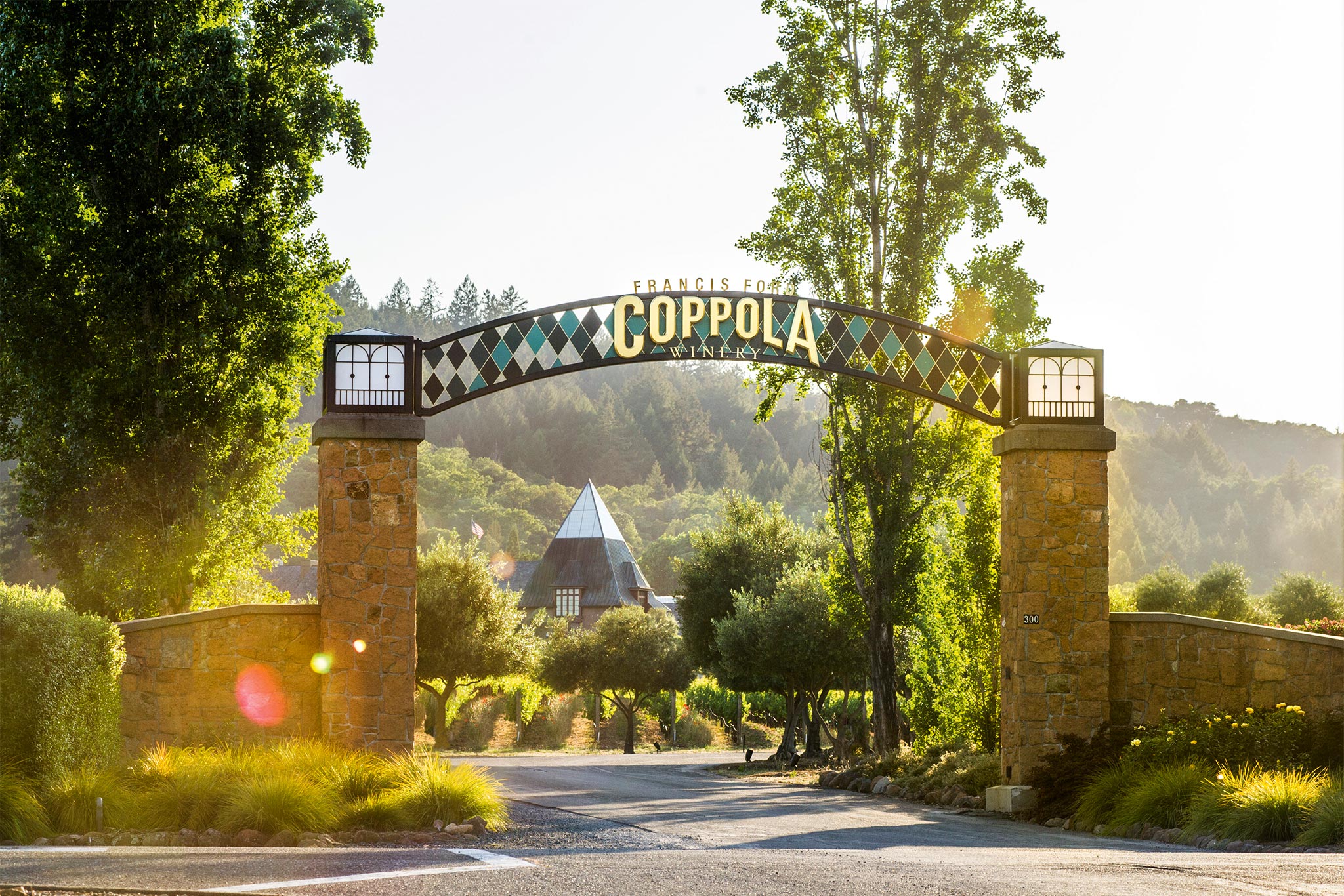
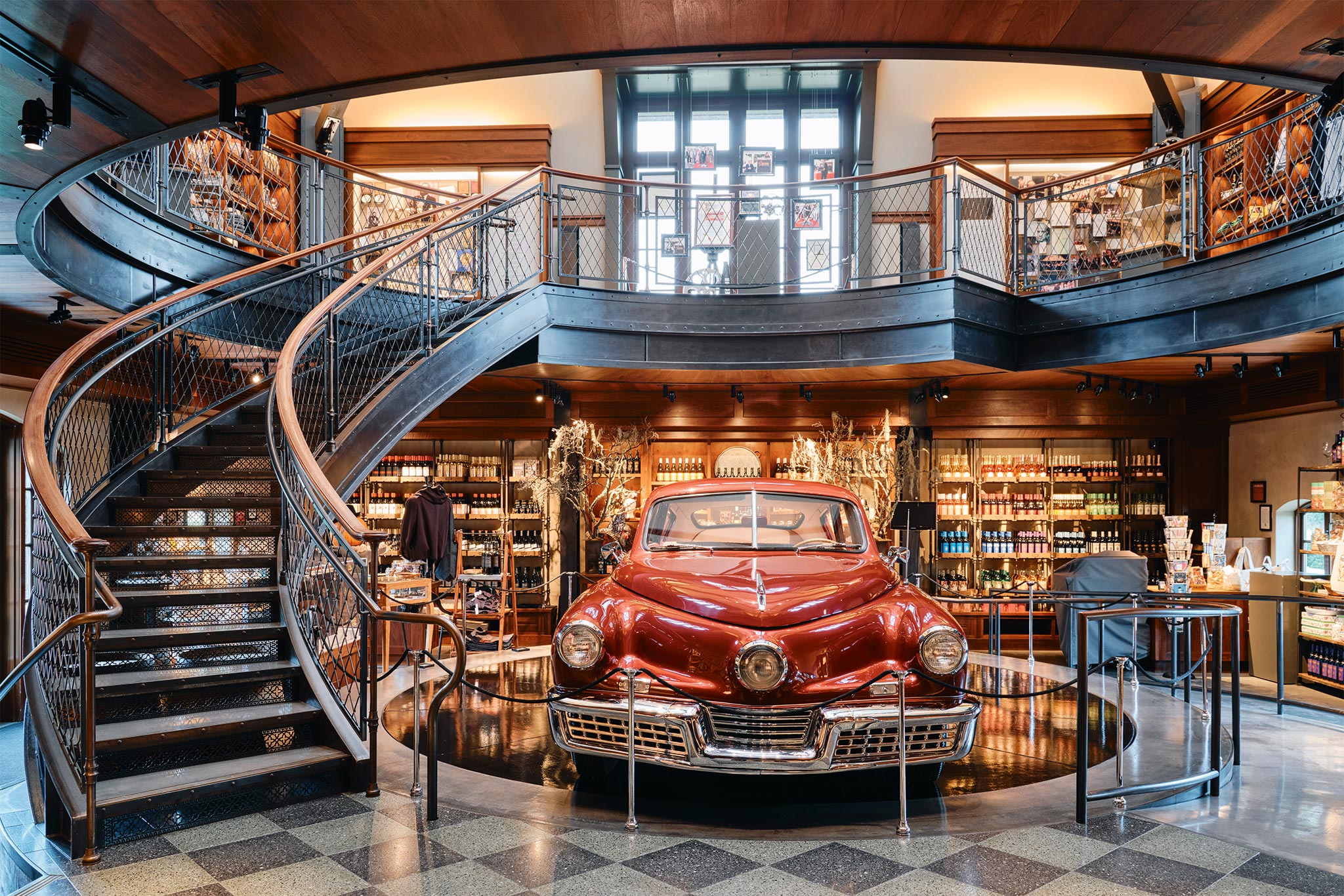
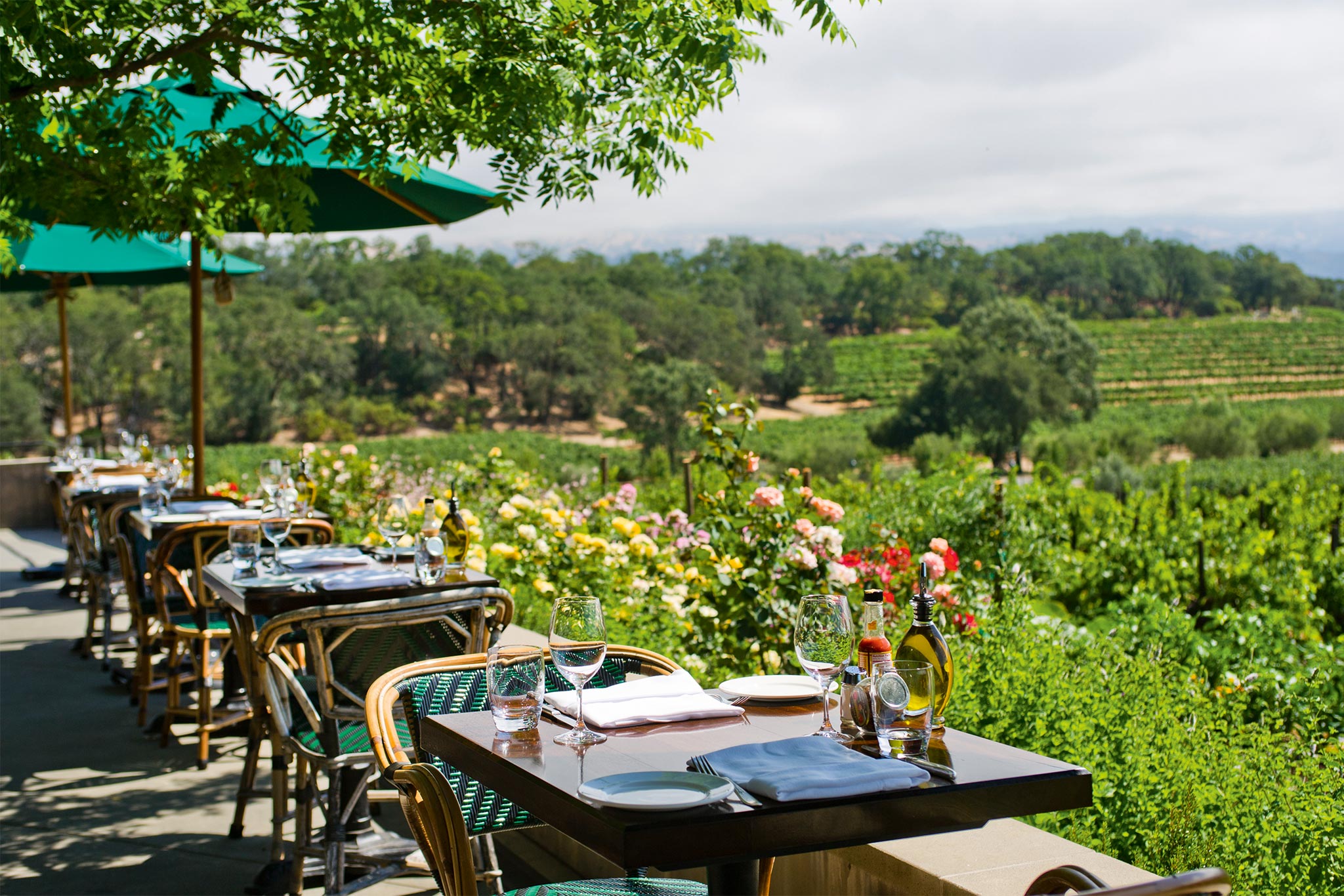
In 2006, Francis Ford Coppola succeeded in acquiring a further iconic Sonoma County property: the Château Souverain Winery. He developed the location - including a huge pool area, the "Rustic" restaurant, popular for its classic Italian dishes, and a museum displaying numerous objects from his films – as a platform for his growing portfolio. The successful Coppola Rosso & Bianco wine lines and the Diamond series are promoted here, which use base wines and grapes from the Delicato Group, whose founder Gaspare Indelicato immigrated from Sicily around 100 years ago. Coppola still sits on the supervisory board of the winery, which today belongs to the Delicato Group.
The entry-level wines are the modestly priced varietals in the Francis Coppola Diamond Collection, with the next group being the Director's Cut Wines. The Wines of Francis Coppola refererncce their European roots, with Vermentino and Gewürztraminer, Negroamaro and Grenache as single-varietal wines, while six classic French grape varieties are gathered under the artist labels of the Francis Coppola Reserve series.
The Coppola family also owns a winery in Oregon, which they launched in 2019 under the name Domaine de Broglie. Initially named after the pioneer of quantum mechanics and since renamed Domaine Lumineux, they only uses grapes from the Estate Vineyard in the Dundee Hills. Dave Petterson, who made wines at the predecessor company Vista Hills since 2007, acts as manager and winemaker. The wines produced here are mainly Pinot Noirs, but they also make Chardonnay, Pinot Gris and a sparkling rosé.
Francis Ford Coppola's lifetime achievements for the American wine sector are remarkable, even if it will always be overshadowed by his work in film. But his Italian roots can also be felt in his cinematic work – and as Nino Rota's "Love Theme" plays in the "Godfather" trilogy, it is only too easy to be whisked away to Sicily with a glass of Rubicon.


 Route
Route