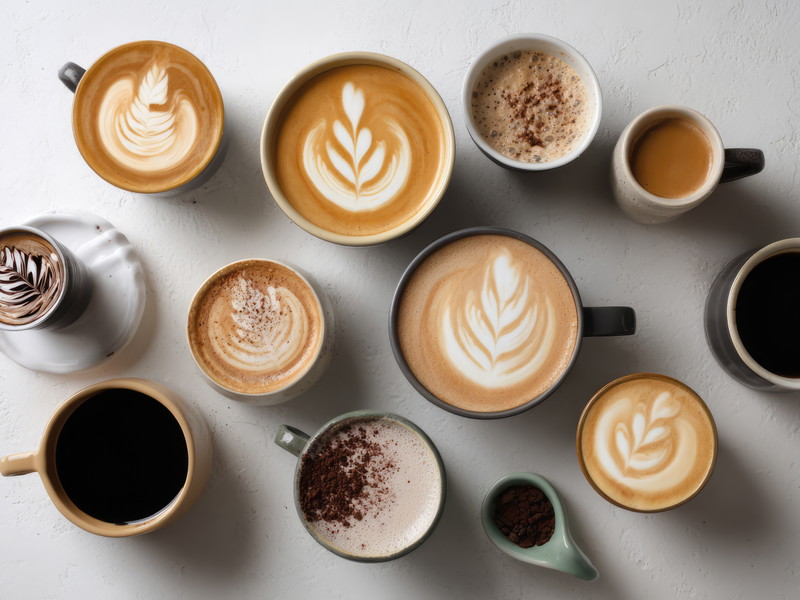
For many people, the day only truly begins with a cup of coffee – but what that coffee looks and tastes like varies greatly around the globe. Whether it is a mild filter coffee, a rich French press brew or an intense moka pot espresso, each preparation method has its own character and reflects a unique coffee culture.
Sweden: The Classic Filter Coffee
In Sweden, people typically opt for classic filter coffee, which is generally mild and served in larger quantities. It is often accompanied by something sweet, and the coffee break itself is just as important as the coffee: a moment to slow down, relax and spend time together.
England: Coffee Continues to Gain Ground
Although tea has traditionally played a much larger role in England, coffee has long established itself as part of everyday life. Filter coffee and milk-based drinks such as cappuccino and caffè latte are particularly popular, often purchased from well-known coffee chains. Coffee is usually enjoyed on the go or at the office – quick, practical and perfectly suited to modern lifestyles.
Austria: Coffeehouse Culture and Comfort
Few traditions are as iconic as Austria’s coffeehouse culture. Especially in Vienna, cafés remain an essential part of the city’s identity – relaxed, unhurried and often accompanied by newspapers, conversation and a slice of cake.
A classic favourite is the Wiener Melange, a coffee topped with milk and milk foam that resembles a cappuccino. Traditional moka coffee and the Verlängerter, a diluted espresso-style coffee, are also popular choices. Here, coffee is not simply a source of caffeine but rather a daily ritual – ideally enjoyed in a coffeehouse where time seems to slow down.
Italy: No Cappuccino After 11 a.m.
Italian coffee culture is fast-paced, intense and steeped in tradition. Espresso dominates the morning routine – small, strong and often consumed standing at the bar. Cappuccino is also a breakfast staple but is generally avoided later in the day.
At home, many Italians rely on the moka pot, which produces a rich, aromatic coffee with plenty of body. Both preparations are deeply rooted in everyday Italian life.
France: Large Cups and Plenty of Milk
In France, mornings tend to begin at a more leisurely pace than in Italy – at least when it comes to coffee. Breakfast often includes a café au lait, coffee served with hot milk, traditionally enjoyed from a large bowl rather than a small cup.
It is typically accompanied by a croissant or a piece of baguette, often dipped into the coffee. Rather than grabbing a coffee on the go, the French generally prefer to enjoy it at home in a relaxed setting.
Turkey: A Coffee Ritual
Coffee has a long tradition in Turkey and remains deeply embedded in the country’s culture. Turkish coffee is prepared from extremely finely ground beans and slowly brewed in a small pot known as a cezve.
It is served strong, unfiltered and usually in small cups, often accompanied by a glass of water. More than just an everyday beverage, coffee is considered an important ritual of hospitality and social connection.
Morocco: Enhanced with Spices
Coffee in Morocco is also closely linked to social gatherings and distinctive flavours. Alongside strong black coffee and traditional milk coffee, spiced coffee plays an important role.
Depending on the region, coffee may be infused with cinnamon, cardamom, cloves or even a pinch of black pepper, creating a unique aromatic profile.
South America: Strong, Sweet and Ever-Present
Across South America, coffee is an integral part of daily life, though customs vary from country to country. In Brazil, the small but powerful cafézinho is a staple, usually served sweet and consumed throughout the day.
In Colombia and Peru, filter coffee is more common, typically mild to medium-bodied and often sweetened. Here, coffee is less of a ritual and more of a constant companion.
As one of the world’s most important coffee-producing regions, Latin America has developed its own diverse coffee cultures. In Colombia, for example, many people enjoy a tinto – a small, sweet black coffee often intended for drinking on the go.
United States: Coffee-Shop Culture
In the United States, coffee is a true everyday essential. Like many things in America, it is often large, readily available and consumed on the move.
The most widespread style is drip coffee – a relatively light filter coffee served in large cups and frequently refilled in diners and coffee shops. Milk-based drinks such as lattes, cappuccinos and iced coffees are also popular, particularly in urban areas.
Coffee culture here is primarily defined by convenience, flexibility and a strong to-go mentality.
Asia: Diversity and Transformation
Coffee culture across Asia is remarkably diverse and varies significantly from country to country. In Vietnam, coffee is often served strong and sweet with condensed milk, frequently over ice.
In South Korea and Japan, modern coffee shops dominate the scene, offering specialty coffees, refined filter brewing methods and meticulous attention to detail. At the same time, urban coffee culture is growing rapidly throughout the region, ranging from traditional preparations to contemporary third-wave cafés.
In Asia, coffee represents both tradition and modern lifestyle.