Skip to content
©Amy Tang

Noma Returns to Kyoto: A Fusion of Nordic and Japanese Culinary Traditions

Nordics
denmark
Japan

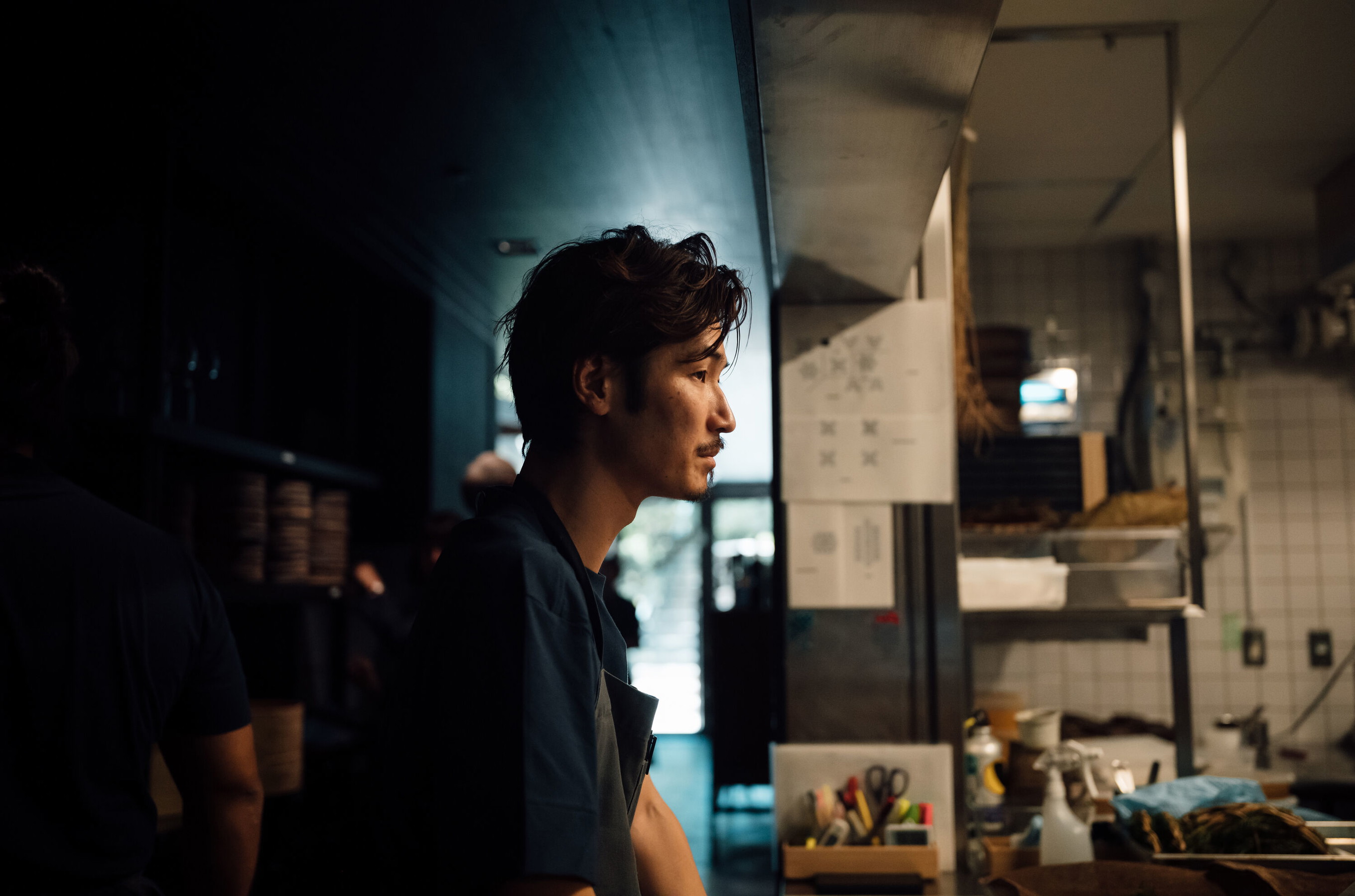
Noma, the world-renowned Danish restaurant, has once again opened its doors in Japan. For chefs René Redzepi and Mette Søberg, the return to Kyoto has been both a personal and professional journey, where their love for Japan’s ingredients, traditions, and cultural depth has only deepened.

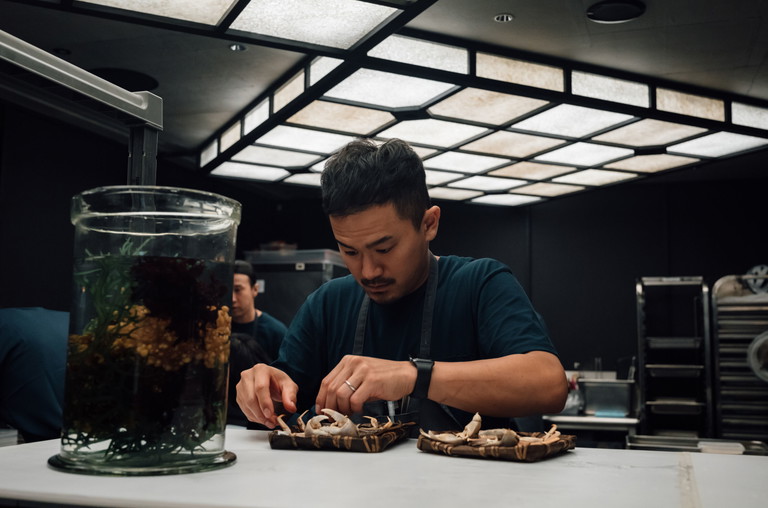
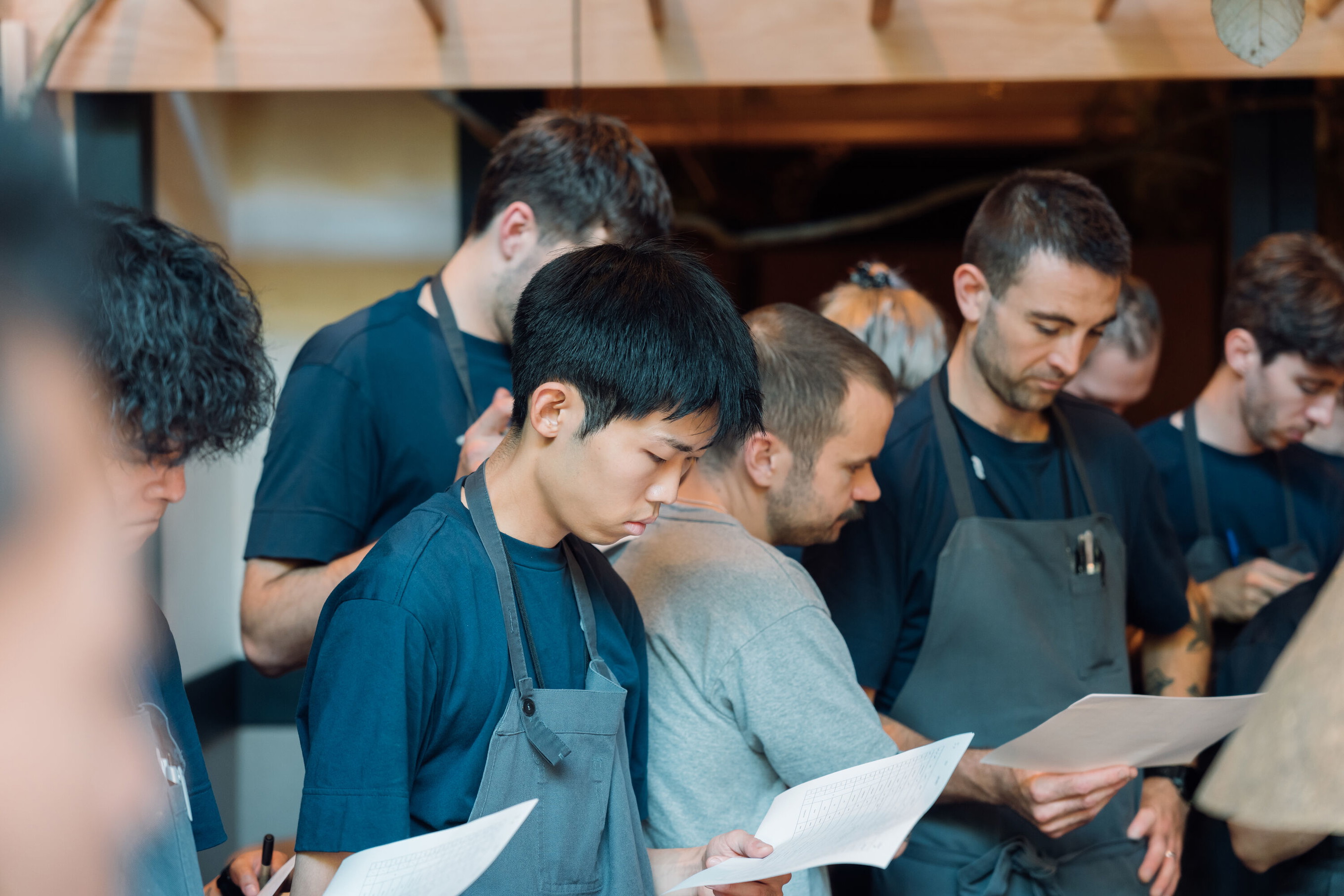
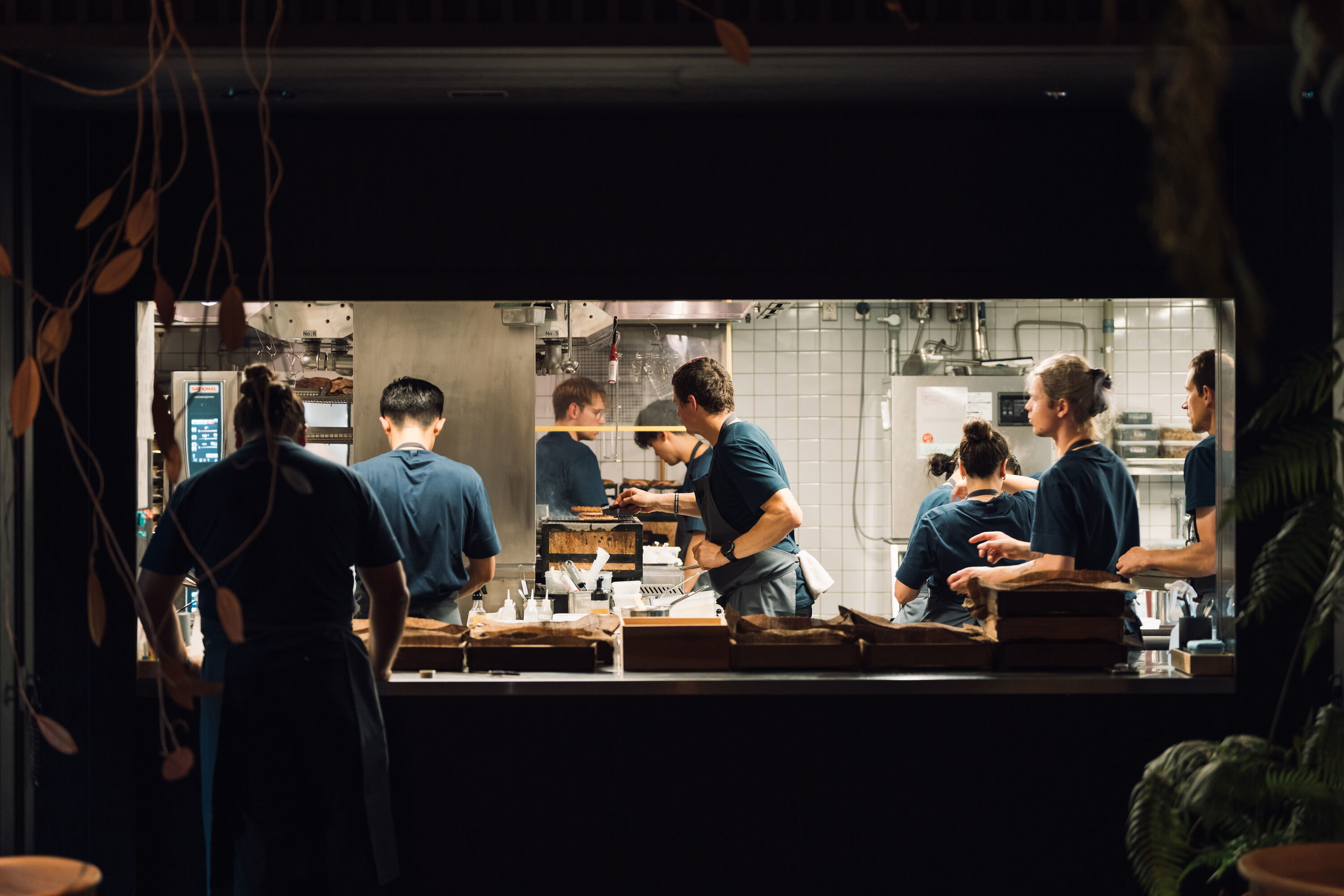
When Noma decides to do a pop-up, it’s never a casual affair. Every detail is meticulously planned, and the entire team relocates to the chosen location to recreate the restaurant’s experience in a new setting. This second venture into Kyoto, however, came with a sense of familiarity and calm. In 2015, Noma debuted its first Japanese pop-up in Japan spending five weeks in Tokyo. In the spring of 2023, the three-Michelin-star Danish restaurant returned to the Land of the Rising Sun, this time at the Ace Hotel in Kyoto. And now, they’ve opened for an autumn season at the same hotel, which will run until 18 December 2024.

A Celebration of Autumn in Japan

For Redzepi, autumn is a magical season, and Kyoto provides the perfect backdrop. “Autumn is my favourite season, no matter where I am in the world, but especially in Japan,” he says. The city’s warmth and the vivid transformation of the landscape, as leaves begin to change colour and seasonal ingredients like mushrooms and pumpkins come into play, make it an ideal time for Noma’s return.

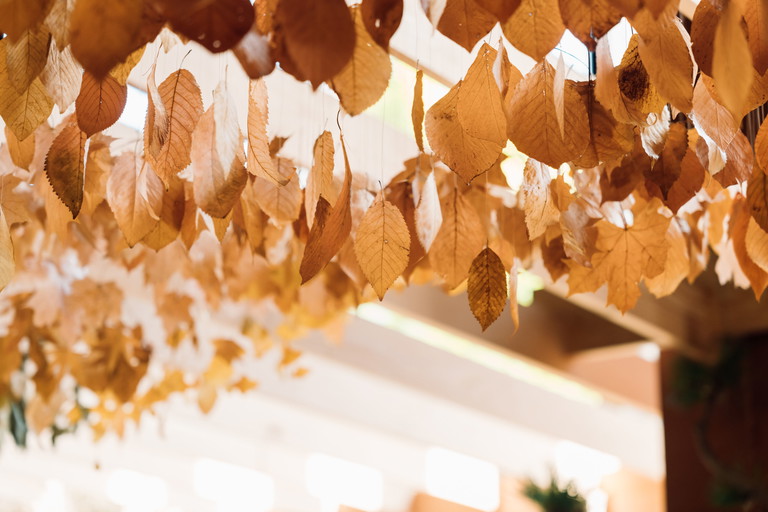
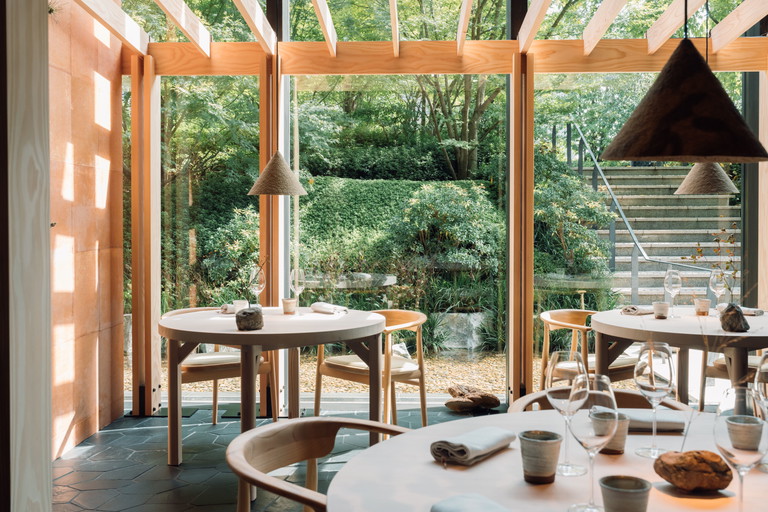
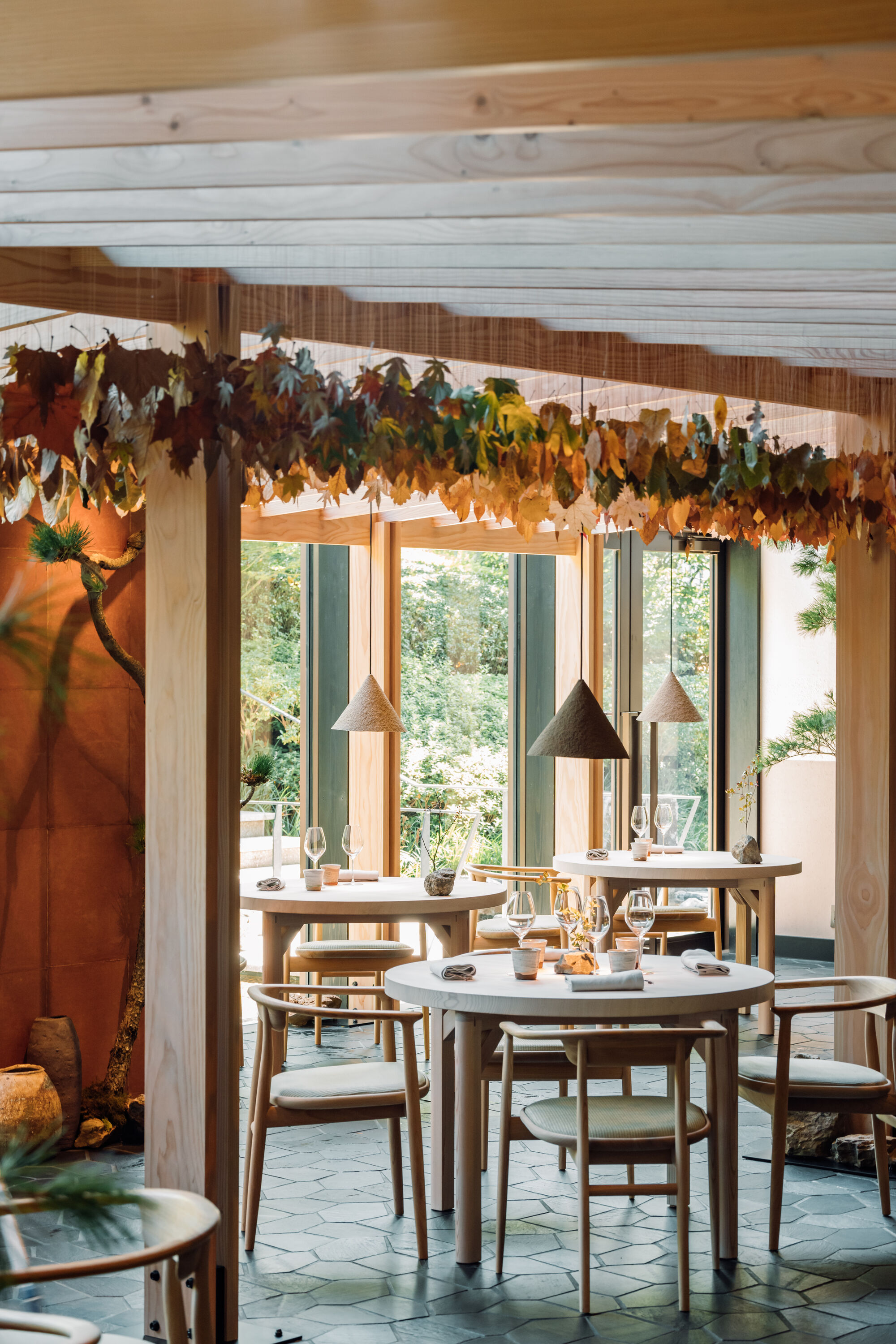
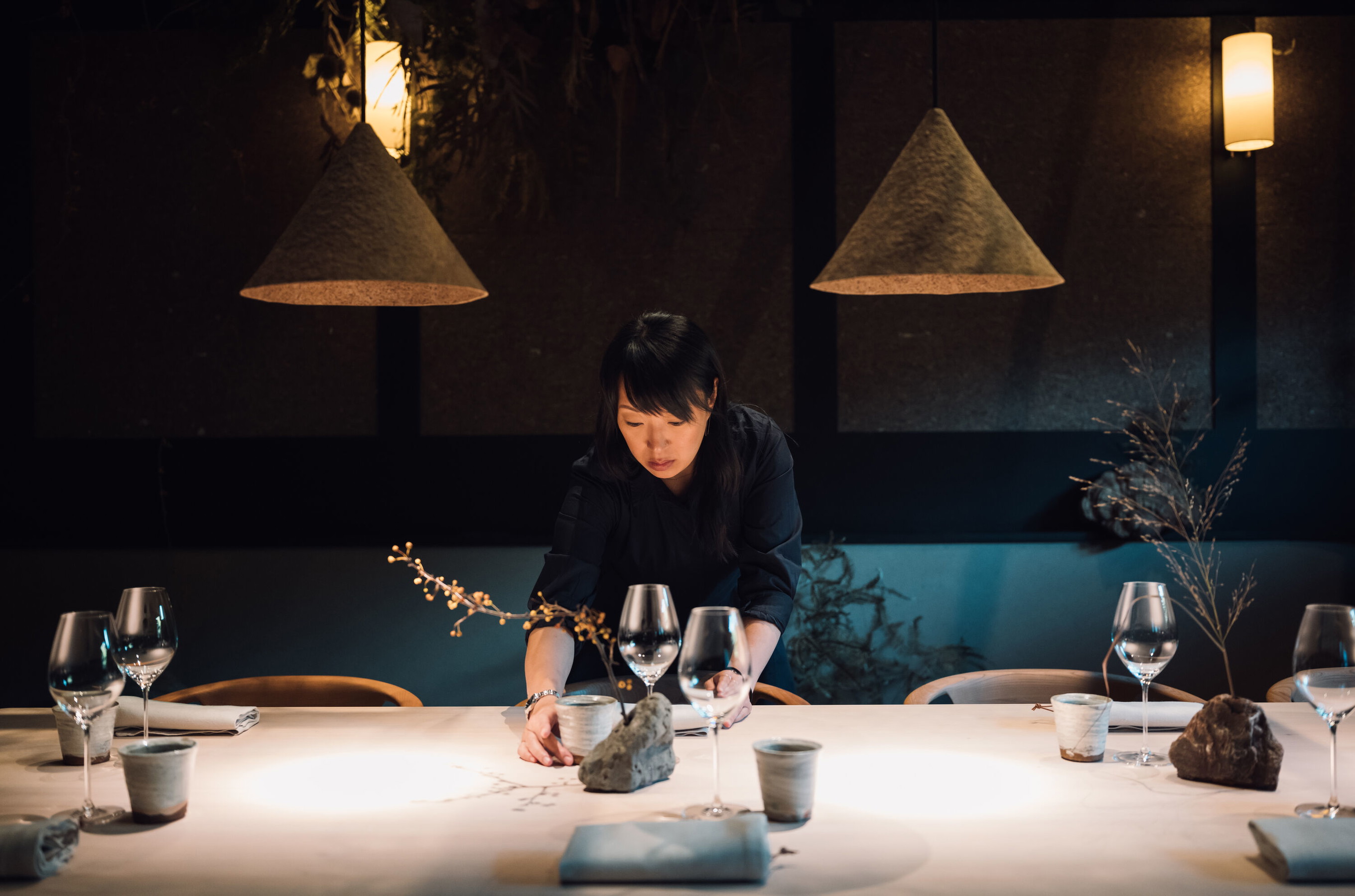
The autumnal theme runs through every aspect of the Kyoto pop-up, from the ingredients to the décor. The restaurant itself has been designed by Danish studio OEO, with light wood and minimalist furnishings that echo Noma’s aesthetic back in Copenhagen. The space is adorned with over 5,000 hand-sewn, colour-coordinated autumn leaves, giving the feel of a tranquil, seasonal pavilion.

There’s a beauty in a place that will only exist for a short period of time,” reflects Søberg, highlighting the ephemeral nature of the pop-up experience. This fleetingness mirrors the Japanese tradition of appreciating the transient beauty of the seasons, a philosophy that resonates deeply with Noma’s approach to food.

©Noma

A Menu that Marries Cultures

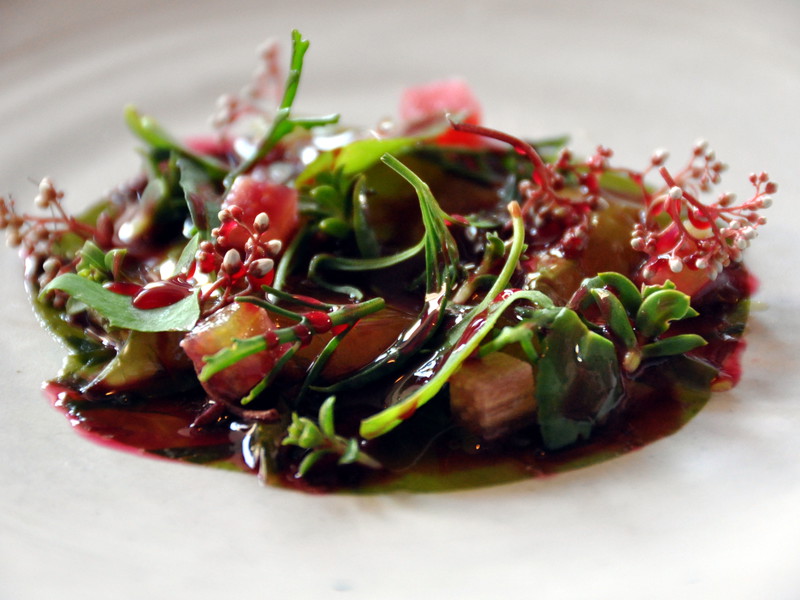
At the heart of Noma’s Kyoto menu is a fusion of Nordic roots and Japanese culinary traditions, carefully crafted to celebrate local ingredients while maintaining Noma’s signature style. A standout example is the ginkgo nut, described by Redzepi as his favourite ingredient on the menu. In a dish that exemplifies cross-cultural collaboration, the ginkgo nuts are slowly confited in a mixture of butter and sencha tea, creating a unique texture unfamiliar to many Japanese diners, who are more accustomed to briefly boiled ginkgo.

"It’s chewy, slightly waxy on the palate. I really love it," Redzepi enthuses. "It’s one of those dishes that surprises Japanese guests because of the cooking technique. We’re taking something they know well and presenting it in a way they’ve never seen before."

Another highlight is a main course inspired by the Japanese hot pot, which Noma has reinterpreted using wild boar, lotus root, and matsutake mushrooms. The dish encapsulates Noma’s ethos of blending Scandinavian techniques with Japanese flavours. Redzepi proudly explains, "I feel like we’ve managed to blend our Scandinavian, Nordic roots with a Japanese sensibility and technique."

The menu also features a salad made with a special type of Japanese spinach, thicker and juicier than the varieties familiar to Western diners. Served with a sauce made from fermented amazake, the dish showcases Noma’s innovative approach to using traditional ingredients in unexpected ways.

©Noma

A Capital of Kaiseki Cuisine

It is no coincidence that Noma chose Kyoto for its latest pop-up. The city is often referred to as the capital of kaiseki cuisine, a centuries-old tradition of multi-course meals that are intricately tied to the seasons. “The origins of kaiseki cuisine are believed to be in Kyoto,” says Redzepi. “It’s a centuries-old approach where the menu changes monthly, reflecting the best seasonal ingredients.”

This deep connection to seasonality is what makes Kyoto the perfect setting for Noma, a restaurant that has built its reputation on exploring and celebrating nature’s rhythms. “For us to be here, at the centre of this, and to experience the richness and knowledge of Kyoto’s culinary traditions, is just a no-brainer,” Redzepi explains.

While their first pop-up in Kyoto in 2023 was an enormous success, it wasn’t without its challenges. Redzepi recalls how, during a test dinner, someone accidentally pressed the fire alarm instead of the light switch, causing the sprinklers to go off and flood the kitchen. The team had to work with small induction burners for a week. “The stress was immense,” he remembers, but those experiences have only made this return all the more satisfying. “This time, we know the space, our team, and everything has just been extraordinary. We’ve hit the ground running.”

©Noma

Looking to the Future: Noma 3.0

Even as Noma thrives in Kyoto, the team is already looking ahead to the restaurant’s next chapter: Noma 3.0. Redzepi has announced that, upon returning to Copenhagen, the restaurant will open for one more Ocean season before ceasing to operate Noma as a year-round restaurant, instead focusing on pop-up experiences around the world. “Noma will continue to be one of the most important gastronomic establishments globally, but when we open for guests in the future, it will be as a pop-up,” Redzepi reveals.

These pop-ups could take place anywhere – from Copenhagen to locations around the world – but the format will always be temporary, driven by Noma’s mission to explore larger questions surrounding food, sustainability, and the future of dining. "Our mission is to help tackle some of the bigger issues around food," he explains, referring to the green transition and the future of eating, both in restaurants and at home.

A Family Affair

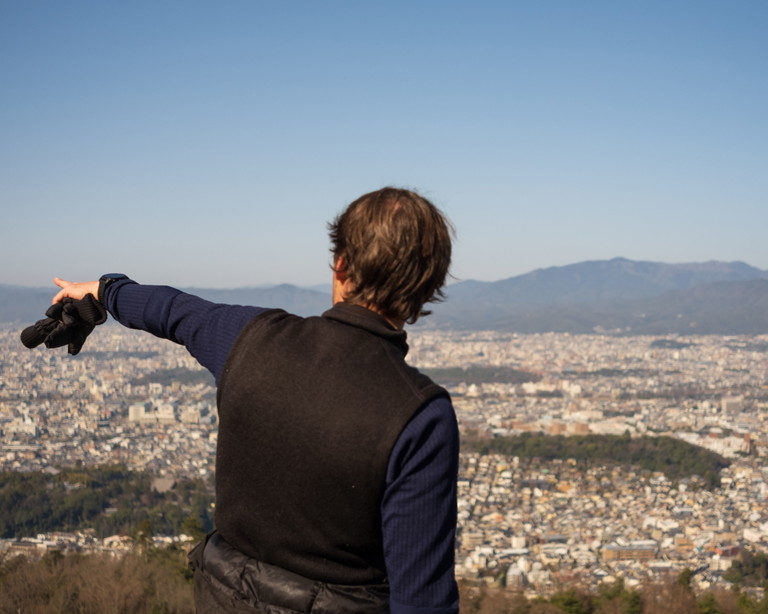
Outside the kitchen, Redzepi and Søberg are also enjoying the rich cultural and natural offerings of Kyoto. Redzepi’s passion for hiking has found the perfect outlet in Kyoto’s scenic landscapes. "I’ve hiked the Camino trails and in the Caucasus mountains, and being in Kyoto is just incredible because you can hike anywhere," he says. Meanwhile, Søberg has been exploring Kyoto’s parks and temples with her son, who has taken to the city’s playgrounds and amusement parks with enthusiasm.

"The nature in and around Kyoto is incredibly beautiful and gives a special sense of calm," she reflects, echoing the sense of serenity that the city has brought to both their professional and personal lives.

Noma’s return to Kyoto is more than just a pop-up; it’s a culinary pilgrimage, a journey that fuses the old with the new, the Nordic with the Japanese, and tradition with innovation. As Noma continues to push boundaries and explore the depths of food culture, its Kyoto pop-up stands as a testament to the power of collaboration and the magic that can happen when two rich culinary traditions meet.

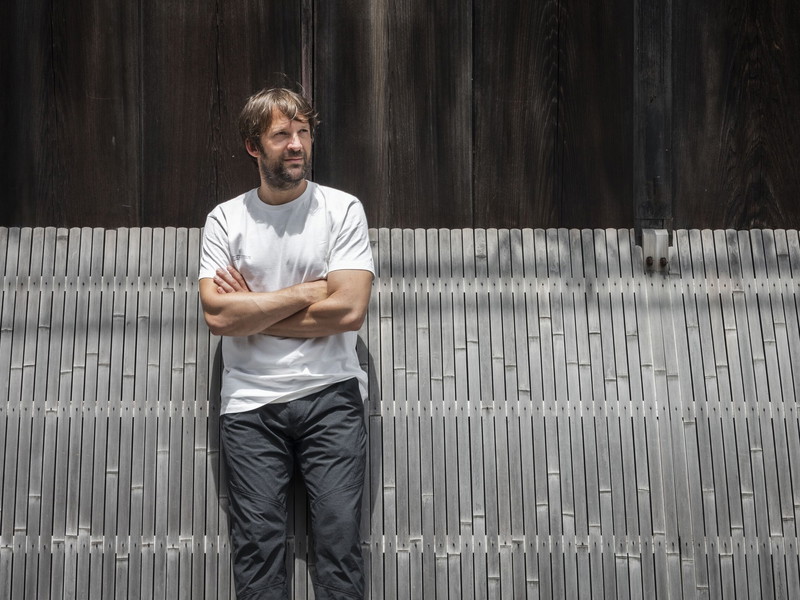
©Noma

René and Mette's Recommendations for Kyoto

Restaurants:
- Monk offers a tasting menu based on local ingredients, with pizza as the main course. The pizzas are truly exceptional. There's also a lovely, relaxed atmosphere, and it’s beautifully situated along the Philosopher’s Path. (Mette)
- Ogata – Possibly the hardest kaiseki reservation to secure in Kyoto. I would consider it one of the best in Asia right now. (René)
- Le 14e serves some of the best meats in Kyoto. The restaurant only seats eight people, so be sure to book in advance. (René)
- Taiho has become a Noma family favourite. It was the first place we visited upon our return. Simple but well-made Sichuan cuisine, served with warmth and featuring an iconic natural wine list. (René)
- I love soba. It’s delicate and nourishing. Juugo is arguably one of the best soba shops in town. The master grows his own buckwheat and prepares the soba to order. Reservations are essential. (René)

Shopping/Markets:
– There are some fantastic flea and antique markets, often held near beautiful temples. One is at the Toji Temple on the 21st of each month. Nishiki Market is the largest food market in Kyoto, attracting many tourists, so I recommend visiting in the morning. (Mette)

Cultural experience:
- I’m a walker... For me, it's all about getting into the mountains around Kyoto, exploring nature and the lesser-known temples and shrines. Kyoto is perfect for walking—choose your district day by day. Do a bit of research on which temple to focus on, and around it, you’ll find food, craftspeople, and culture. A tea ceremony, shoji—the Buddhist temple food, and a meditation session. North-west of Kyoto is an incredible area where you can walk all day and then eat. (René)

Meditation:
- Ryosokuin Temple with monk Toryo Ito-san. (René)

Tea ceremony:
- Ōbai-in, one of the most beautiful temples within a larger temple complex—a temple within a temple. Designed by one of Japan’s most renowned historical tea masters. (René)

Ceramics:
- Walk the Philosopher’s Path early in the morning, and end with a visit to the Robert Yellin Gallery for unique Japanese ceramic craft. (René)


Don't miss out!

Sign up now for our newsletter.

Tove Oskarsson Henckel
Find out more
1 / 12