Amazing technicolor coats
Either way, consumers were sold: Cans account for 40% of the overall market in Switzerland and around 30% of all beers in Austria. The newly introdued deposit on all beverage cans in Austria will do little to change this.
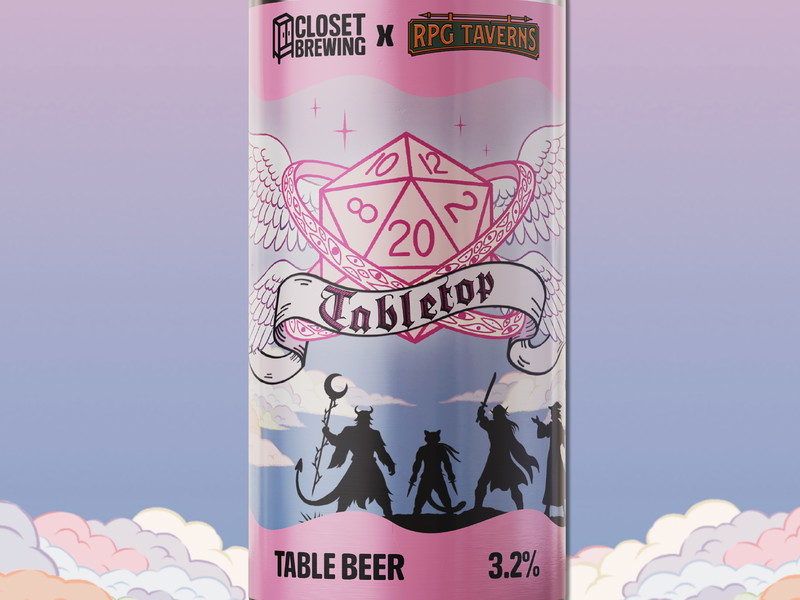
The technical advantages of the "miniature keg" are one thing, but cans also contributed significantly to the rise of craft beer: In the battle for consumer's attention, memorable packaging was a tool that some players wielded to great effect. For the Welsh brewers Tiny Rebel, the can design for their red ale, "Cwtch" drove at least as many sales as the taste. The presentation – "colorful, psychedelic swirls, inspired by the 1960s of the Austin Powers films" – stood out in a sea of generic can. This is even more evident with "Gamma Ray": The English beer from Beavertown is packed with aromatic hops, and clearly visible from afar thanks to the space comics printed on the can.
Yes, we can
Austrian breweries have long since recognized this advantage. The biggest success story comes from Bad Radkersburg, where Vasja Golar has been using cans since the early days of his craft brewery, Bevog: "It suits all outdoor activities, parties and festivals, as it takes up little space, is practically indestructible and can be cooled quickly." To Golar, craft beer cans illustrate an entire lifestyle: In his case, Fantasy figures have been giving his cans the desired pop since 2016.
Serious issues can also be conveyed well. Oregon's Rogue brewery showed this in 2022 with an India Pale Ale called "F*#K Putin"; the proceeds go to Global Giving's Ukraine Crisis Relief Fund. Vasja Golar, on the other hand, raised awareness for endangered species with Bevog's "Extinction is forever!" series.
US sizes go global
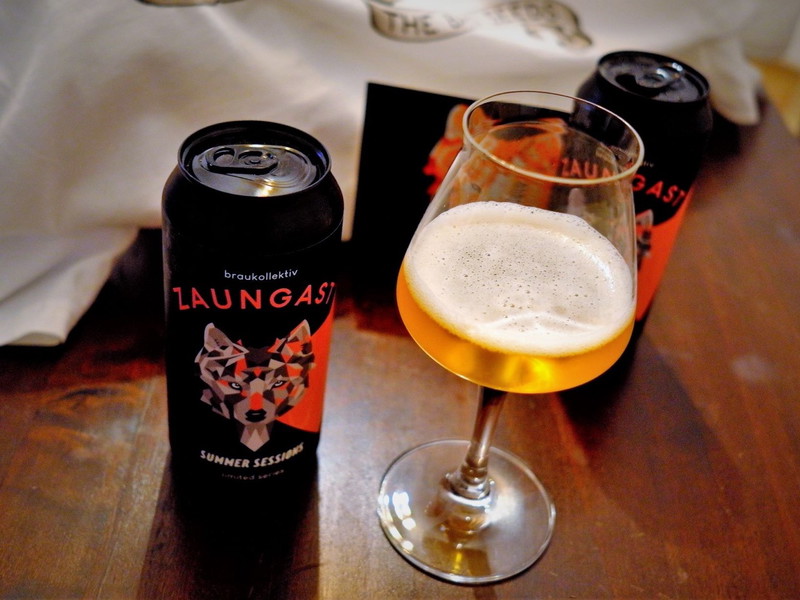
Three years ago, Carinthian brewers Alois Planner and Klaus Feistritzer of the craft brewer Loncium also embraced the can with a brightly colored six-pack called "Tribute to the '70s". Even after 90 years on the market, innovations can still be made, for example with a new format for Austria. Martin Wohlkönig was directly inspired by the US market when he switched from banker to brewer. His Braukollektiv Zaunkönig not only cultivates unconventional recipes such as a lavender-honey weizen, but also fills them in 14.9 oz. cans. After all, you should have enough of a good beer for a fourth or fifth sip. Wohlkönig calls his bottlings "Premium-Blech" ("premium tins"), making the US-standard a true local!
Don't miss out!
Sign up now for our .