Viral, Yet Still a Hidden Gem: An Interview with Ugruzina Founder Lukrecijus Dūda
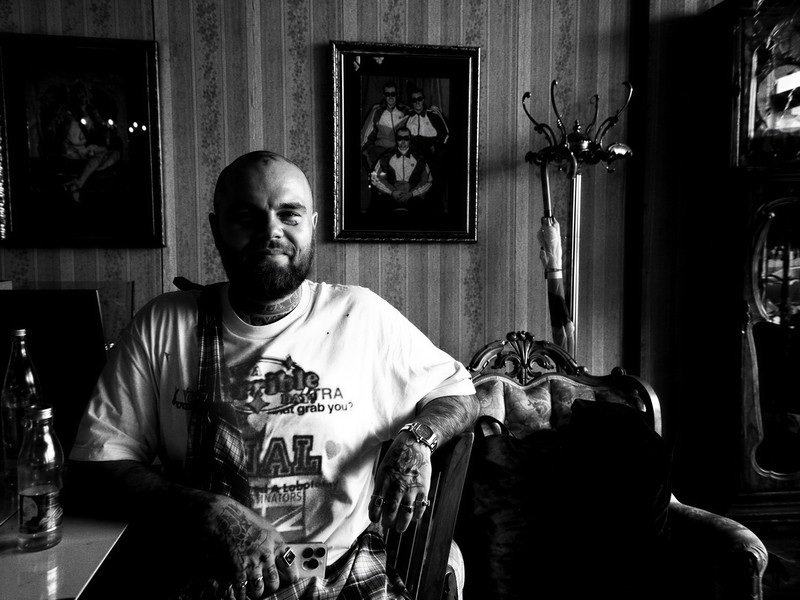
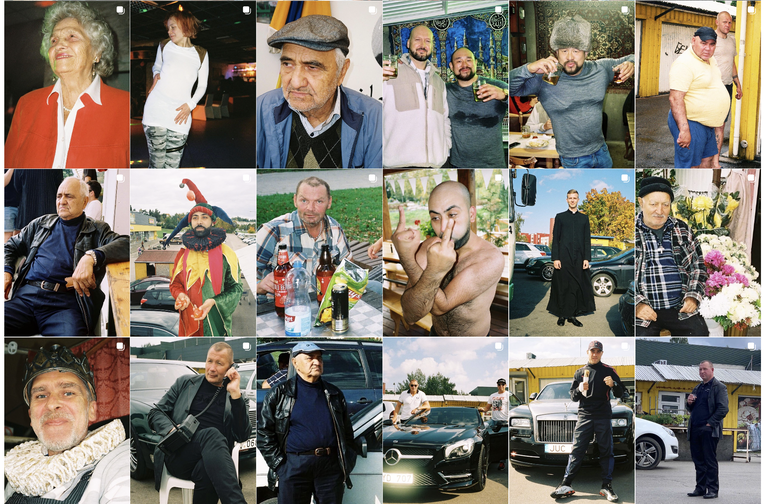
By noon, a queue snakes down a Vilnius street once nicknamed "Las Vegas." Pensioners fresh from the market stand beside suited office workers, schoolchildren and one of Lithuania's legendary basketball players. Inside Ugruzina, its owner is sharing a table with a former mafia boss while simultaneously dealing with a burst pipe in the Muay Thai gym upstairs.
There is nothing quite like Ugruzina in Vilnius. Despite becoming one of Lithuania's biggest restaurant success stories on social media, it somehow still feels like a local secret. That secret won't last much longer: the team is already preparing to open a second, more sophisticated Ugruzina in the city later this year.
To meet the somewhat elusive restaurateur behind it all, Lukrecijus Dūda, I head well beyond Vilnius' usual tourist trail. The restaurant sits beside the city's largest market on a street lined with casinos, pawn shops, 24-hour bars, and a Muay Thai boxing gym—a place that once earned the nickname "Las Vegas." The surrounding neighbourhood even inspired an amateur documentary Shanghai Banzai.
Yet every afternoon Ugruzina attracts such a diverse crowd, many restaurants in Lithuania only dream of.
I would call them a hidden gem and they have all the potential to be it—if it didn't have more than 600,000 followers on TikTok, another 200,000 on Instagram, and millions of views from videos of diners tackling enormous platters of Georgian food with a slightly fish-eyed camera pointing right at them.
So what is the secret?
I talked with the owner and creative director Lukrecijus about Ugruzina, the collection of restaurant concepts around it, and how an unconventional Georgian restaurant in one of Vilnius' least likely neighbourhoods became one of Lithuania's most talked-about dining destinations.
What projects are you currently working on?
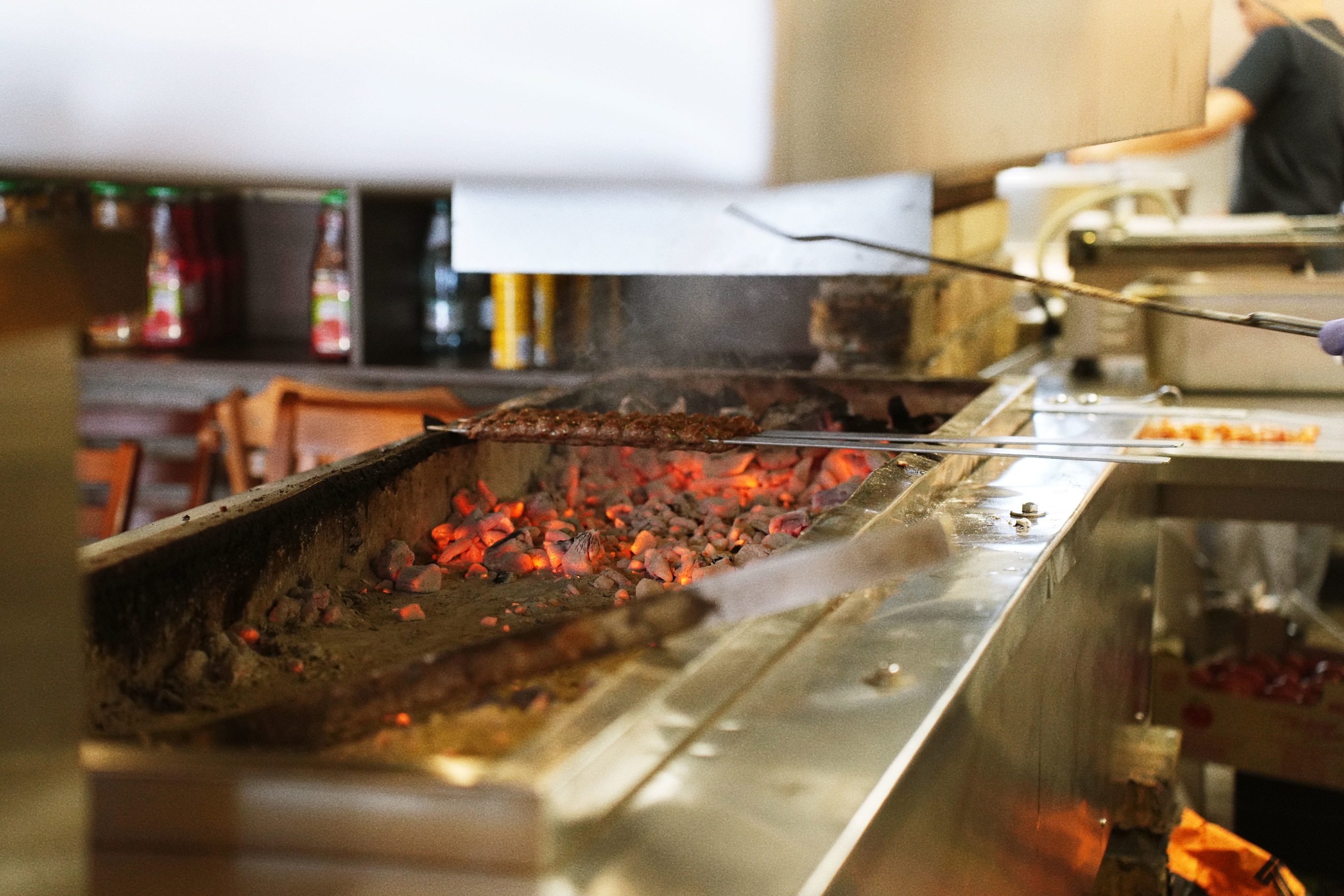
We have several kebab restaurants called Azerai in Vilnius and Kaunas, the Georgian-Azerbaijani restaurant Ugruzina, the grilled meat restaurant Rustam Mangal, the plov restaurant Osh, and the Muay Thai gym upstairs.
I'm also working on an international food project called Die Young. Together with Lithuanian entrepreneur Tadas Burgaila, we're launching longevity-focused vending machines in London. The idea is to make Michelin-level ingredients available in convenient, healthy, and quick food. We also have Michelin-starred chefs involved, although I can't reveal their names yet.
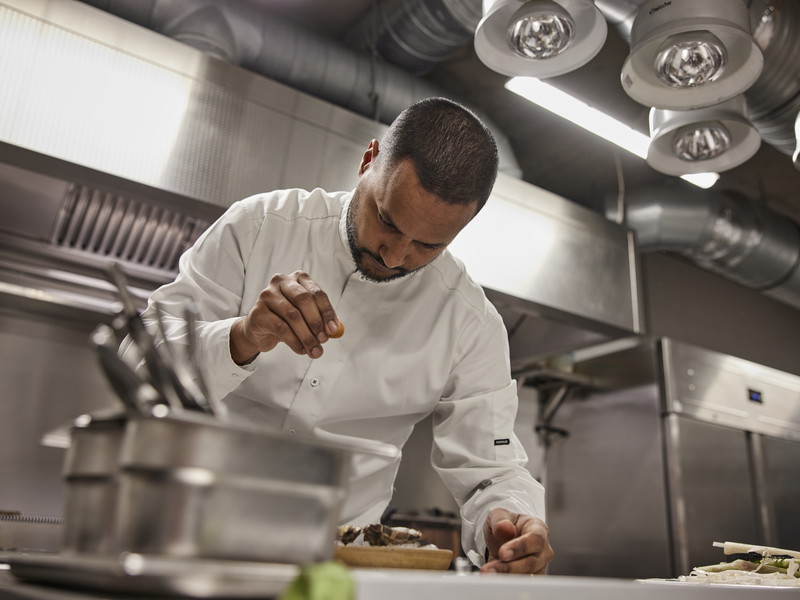
Behind all of these businesses are several production facilities. We bake our own lavash breads, operate a meat-cutting facility, and a central kitchen that supplies all of our restaurants. It's a long chain of interconnected businesses.
(Editorial note: Later in the interview, Lukrecijus confirms rumours that the team plans to open a second, more sophisticated Ugruzina in September at Mindaugo St. 23C, in the former Tummo restaurant building. Subjectively, this is one of the year's most anticipated restaurant openings.)
You often describe your restaurants as projects rather than restaurants. Why?
Because I see them as art projects.
Every art project needs a strong concept, visual identity, cultural background, music, and interior that all work together. Of course they also have to function as businesses, but especially with restaurants I'm always looking for authentic roots that create a lasting impression.
Earlier in my career I opened more conventional European restaurants serving tartares, goat's cheese salads, and all the usual dishes. None of them stayed relevant for long.
Later I realised that authenticity makes a project timeless.
If you build a trendy restaurant, you constantly have to keep chasing trends. That costs money and eventually becomes exhausting. An authentic concept can continue working even when the owner isn't present because the identity itself and the standerts set from the beginning carry the project.
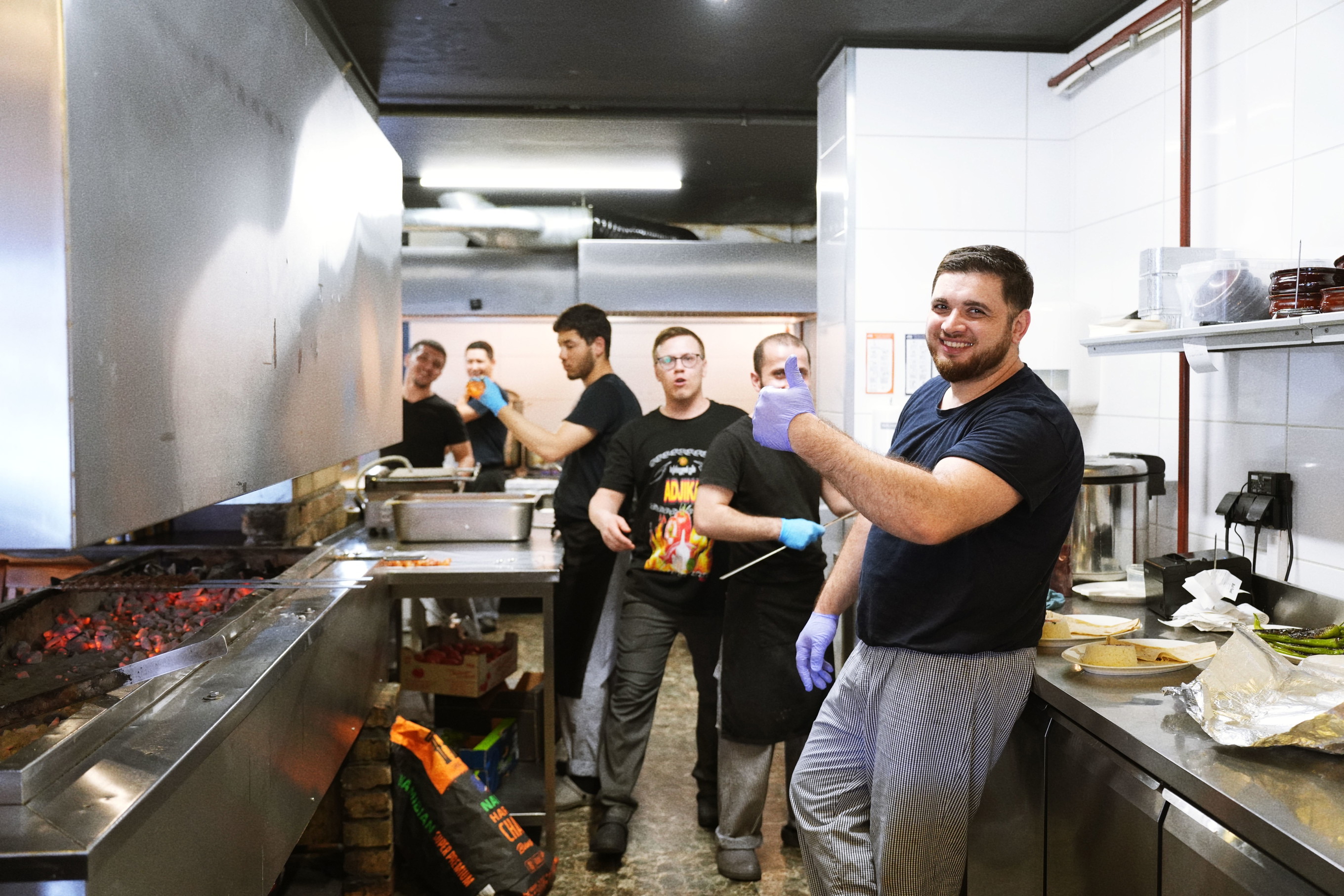
That's also why many of our chefs come from Georgia, Azerbaijan or neighbouring countries. If people walked in and saw Lithuanians grilling the meat, it would immediately weaken the feeling of authenticity we are trying to create.
Some of your restaurants, particularly Azerai, became known for their prison-inspired aesthetics. Where did that come from?
Again, it comes back to treating restaurants as art.
When artists create something, they filter it through their own experiences. You can be inspired by others, but once it passes through your own life, it becomes personal.
In the past I was very interested in the crime world. My father had a criminal background and had already passed away by then. Bringing those aesthetics into the restaurants became my way of closing that chapter of my life while reconnecting with my father's memory.
For me, it wasn't about glorifying crime. It was about transforming personal experience into something creative.
How was it received?
People reacted very differently.
Some criticised it, while others embraced it. We were always clear that using prison aesthetics or Russian music wasn't an endorsement. It was simply part of the artistic concept.
Ironically, some people from that criminal world believed we were celebrating it, while many people from artistic circles immediately understood what we were trying to do.
I enjoy projects that provoke different reactions. But now we have already deliberately softened our communication.
Today we're much more interested in nostalgia. Instead of old Russian music, we play nostalgic Lithuanian songs. The prison aesthetic was one chapter of my life and one artistic project. It's finished now.
The restaurants still have character and attitude, but they've evolved maintaining the edginess.
What made your restaurants successful? Do you even see yourself as a businessman?
I do. I understand business, but I'm not the kind of businessman who only thinks about profit. Of course profitability matters, but we also make emotional decisions that don't always make financial sense or are not accounted for.
I'm an artist among businesspeople and a businessman among artists.
Even so, I can consider myself successful. Together, my companies generate around €8.5 million in annual turnover, so I am not complaining.
What made it work? I think everything came together. Many restaurateurs spend too much time worrying about interiors, expensive tableware, and details that don't ultimately bring people through the door. People come to restaurants primarily for food.
If you spend €300,000 on the interior when opening a restaurant, maybe at least a third of that should go into the chef and you would have a better chance of succeeding.
Working every position in restaurants, from the bottom up, helped me understand how the whole business functions. But understanding operations wasn't enough. The biggest change came when I started surrounding myself with artists. That shifted the way I looked at restaurants—not simply as businesses that survive, but as concepts that people remember.
For readers who haven't visited Ugruzina, how would you describe the food?
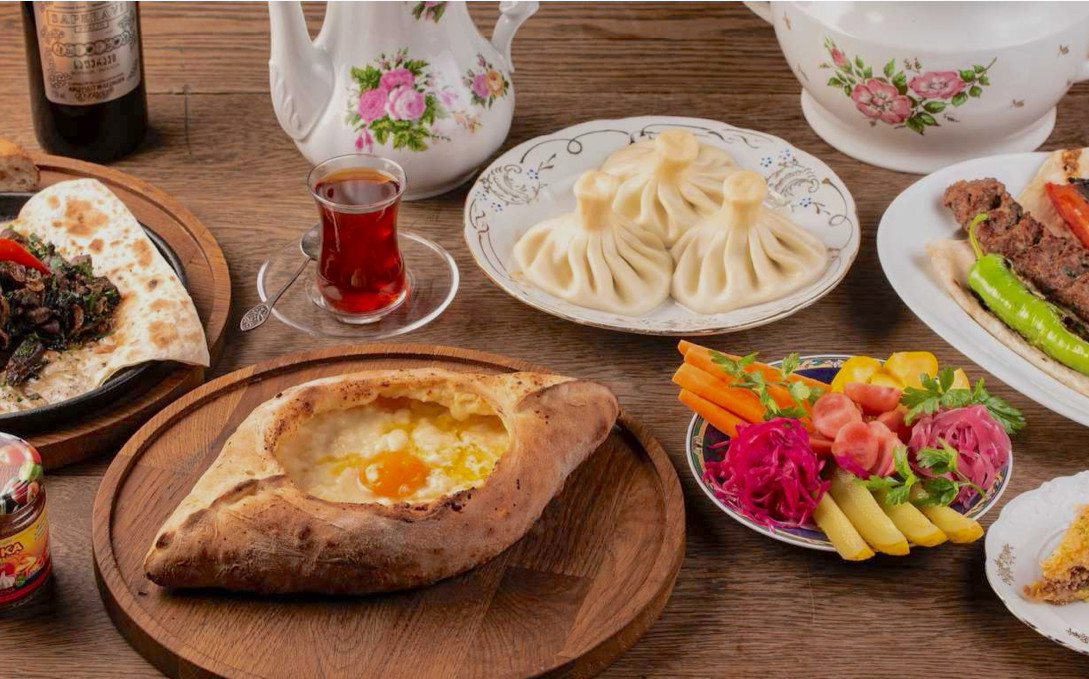
It's a combination of Georgian and Azerbaijani traditions.
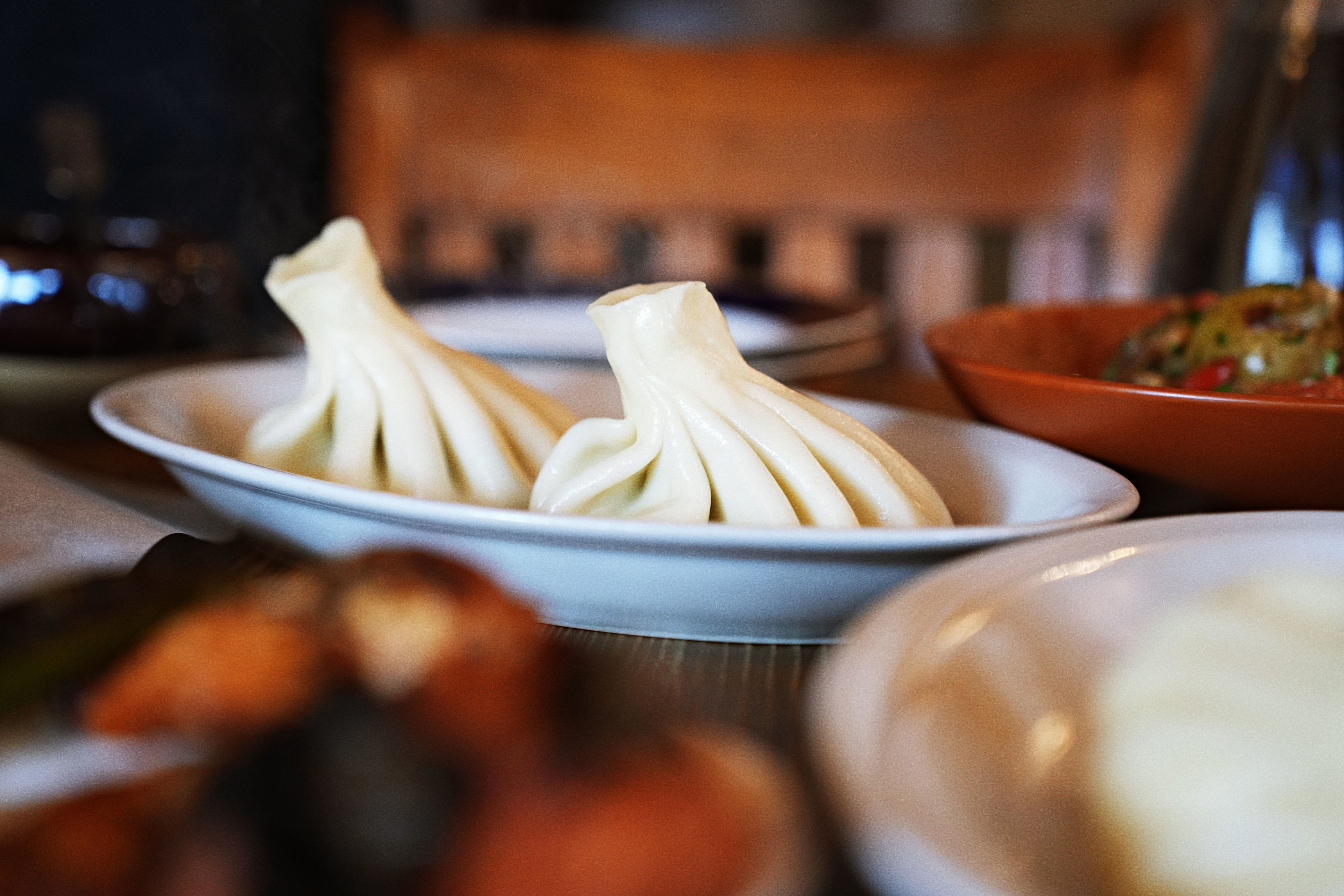
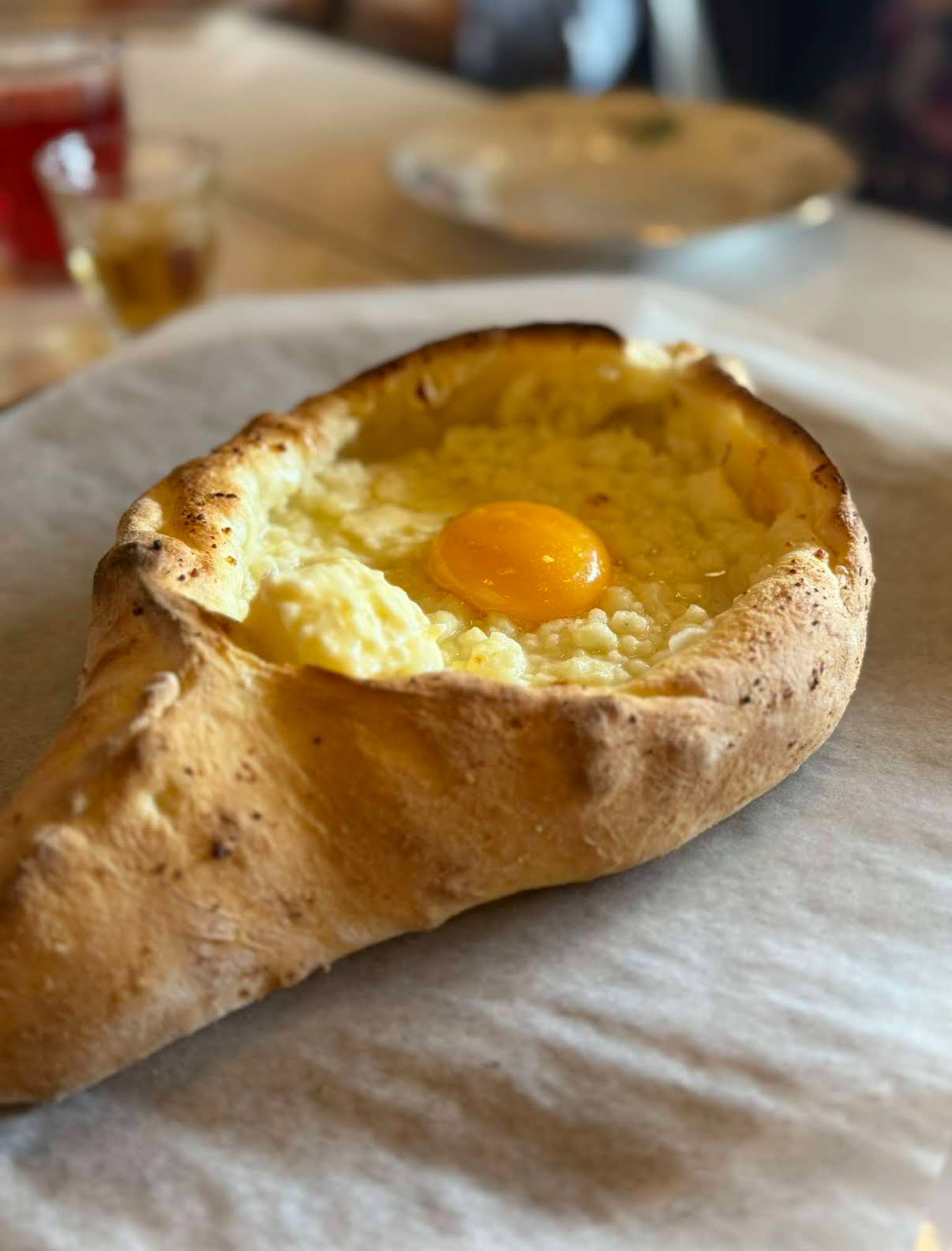
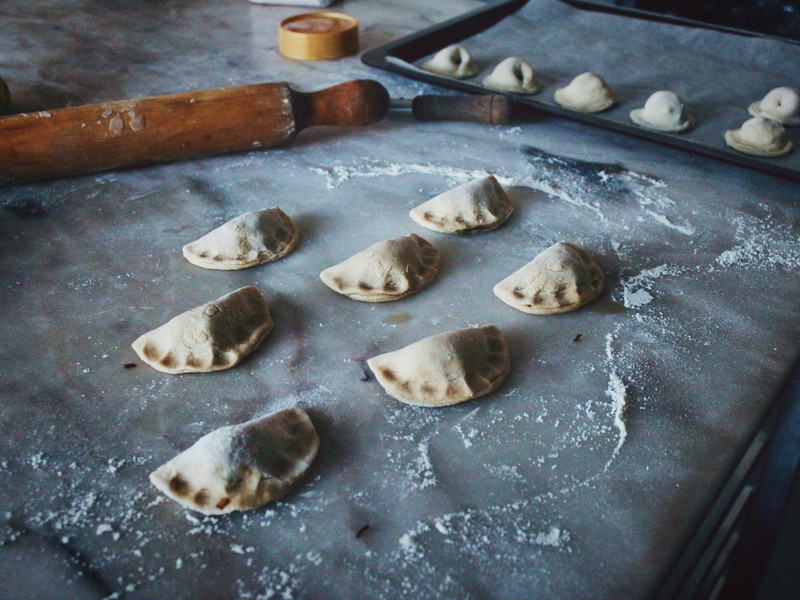
The fire-grilled meats come from Azerbaijani culture, while dishes like khachapuri and khinkali are Georgian. But I don't mean the modern versions you often see today. I mean rural Georgia.
When our Georgian chef first came to Lithuania, he prepared khachapuri using mozzarella because that's what many restaurants—even in Georgia—now do. People like the cheese to be stretchy. It didn't feel authentic to me.
So we travelled through rural Georgia, learned how traditional cheese is made, and began producing it ourselves in Lithuania.
People probably don't expect handmade cheese or freshly baked lavash from a casual Georgian restaurant. How important are the ingredients to you?
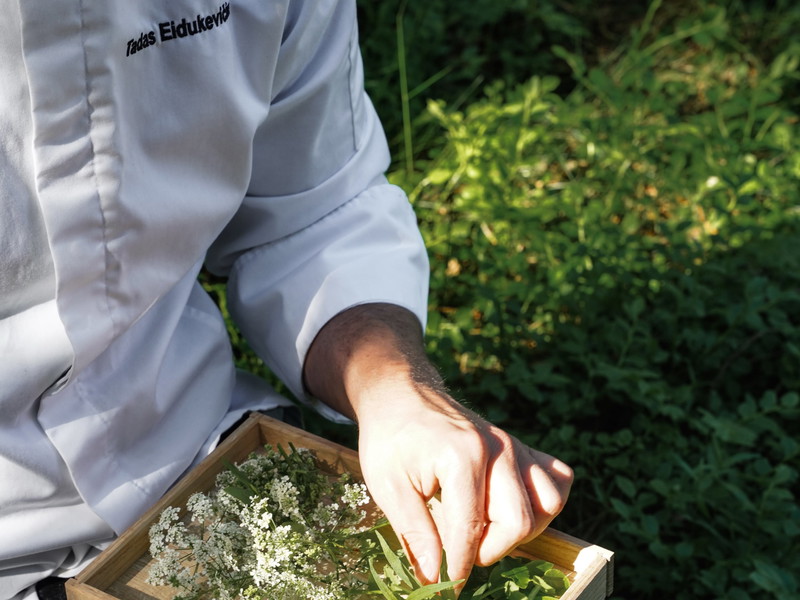
They're essential. When we opened, we bought vegetables from the market across the street. Eventually we realised most vendors were simply reselling produce, and actual farmers couldn't guarantee consistent supply at reasonable prices. So today we source most vegetables from nearby farms in Poland.
Otherwise, we try to make almost everything ourselves.
We buy raw, unpasteurised milk from Lithuanian farmers and produce fresh cheese several times a week.
Our lamb comes directly from Lithuanian farms. We receive whole carcasses, butcher them ourselves, and distribute different cuts across our restaurants.
We prepare our kebab meat from fresh chicken quarters that we cut, marinate, and skewer ourselves without freezing.
Our central kitchen makes hummus, fermented vegetables, and sauces from scratch for all our locations. We don't use added sugar or preservatives.
If we did otherwise, I'd be embarrassed. If a chef friend walked into my kitchen and found frozen, ready-made products, I couldn't look them in the eye.
Ironically, many fine dining restaurants don't do everything themselves, yet that's one of the biggest misconceptions about us. We focus our marketing on what attracts attention, not necessarily on the amount of work happening behind the scenes. Maybe that’s our problem, but as I said, for now I can’t complain.
You have an unusually strong team. Some of your front-of-house people could easily work in Michelin-starred restaurants. Why choose casual dining?
Thank you—that's nice to hear. Some of them actually have worked in award-winning restaurants.
Experience matters for us, but culture matters even more. I want everyone to genuinely enjoy working here because guests can feel it.
People notice that this isn't only an interesting place to eat; it's also filled with interesting, free-spirited people.
Whether you're a guest or a waiter, I want you to feel naturally comfortable. I've always wanted to avoid the atmosphere where customers feel they're constantly being sold something.
To me, that's what hospitality is: the moment when a client becomes a guest.
Whether it's Ugruzina, Azerai, Osh or Rustam Mangal, one thing connects all of Lukrecijus Dūda's projects. None were designed to chase trends. They were built around a clear sense of identity and became the trend-setters themselves.
Throughout our conversation, he returns to the same idea again and again—not Michelin stars, not interiors, not social media, but authenticity. For him, that means building concepts rooted in culture, preparing ingredients from scratch, surrounding himself with people who believe in the project, and creating places where guests simply feel comfortable.
"I want everyone in my restaurants to feel naturally good," he told me earlier.
Perhaps, in the end, that is the simplest explanation for Ugruzina's success.