10 tips for a perfectly imperfect Christmas dinner
When family and friends come to visit during the holidays, hosting can be a challenge. Falstaff has collected 10 guidelines for a truly successful evening.
Family and friends have rsvp'd, the big party is about to start – and the host and hostess have a clear expectation: everything should be perfect. The only problem is that there are always a few pitfalls – from the right seating arrangements to the table decorations, from the choice of wine to dishes that should also appeal to vegetarians and guests with food intolerances. And, of course, all courses need to be made flawlessly and served like clockwork. You should also keep an eye on the conversation – especially when politics and religion rear their heads, the mood can die fast.
Falstaff has collected ten tips and tricks that can contribute to the success of any festive dinner. Our takeaway, which concurs with communication expert Katerina Vetter Kapagiannidou's new book, Was Gäste glücklich macht (Making guests happy): Not everything has to be perfect these days – and hosts needn't do everything themselves!
1. Don't strive for perfection
It is obligatory for a state banquet, but a no-go at a cozy get-together with family and friends: perfection. "If everything seems too perfect and formal, then the guests become stiff", says Kapagiannidou. "They no longer know what they can do and what they can touch. That stresses out guests and hosts alike."
Better: intentionally stage minor negligence. The anecdote about the hostess who deliberately causes the first wine stain on the tablecloth in order to allay the others' fears is well known. Of course, it doesn't have to go that far. But not every cloth napkin has to be ironed to perfection, not every flower in a vase has to be perfectly placed. That takes the pressure off.
2. Pick the right wine
The wines should radiate prestige and appreciation for your guests, but, at the same time, not be overwhelming. In short: Christmas is the time for tried-and-tested classics. Champagne, crémant or prosecco, preferably in the Brut category, are a good choice for an aperitif. Pick a particularly sweet one, as they tend to have the broadest appeal; and choose a bottle where you wouln't mind too much if your aunt adds orange juice. As for white wines, it's best to go with picks that are not overly dry and do not have too much acidity. Grüner Veltliner, Pinot Gris or Pinot Blanc are a good choice, as is a mature Riesling or a classic from France. Red wine can be full-bodied. Christmas is perfect for a mature Bordeaux or Barolo, a fruity Ribera del Duero or a velvety Burgundy. And when, if not now, can you finally open a sweet wine?
3. Drinks need drama
A wine list should always be a bit like a play. A sparkling wine kicks things off by whetting the appetite. If several white wines are served, a barrel-aged white should follow the fruity, lean ones: Barrel-aged wines often have more alcohol and toasty aromas, which overpower the delicate fragrance and freshness of lighter wines. For different red wines, it is advisable to start with the younger, fruity and less tannic wines, and then move up in intensity.
Finally, the finale should be in the spirit of stylish downshifting. After several wines, the table's intoxication level will have risen noticeably, so it's best to give the palate and your guests a refreshing break. Another sparkling wine or, even better, a fruity Mosel Riesling with its famously low alcohol content can work wonders.
4. Watch the seating arrangements
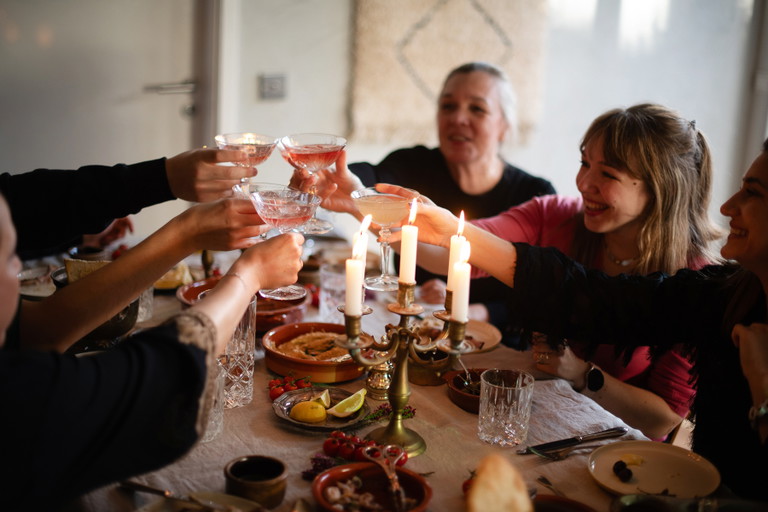
When guests are allowed to pick their own seats, "they tend to seek safety", says Kapagiannidou. In other words, they sit next to the people they feel most comfortable with. That's good because it puts the group at ease. However, if you want to bring new people together – such as your uncle and your sister's boyfriend – you can, of course, create a seating plan. Again, etiquette is your friend: any guest of honor should sit to the right of the host or to the left of the hostess; the latter, however, only if they are male. Notorious complainers should be placed next to entertaining guests who, at best, lift everyone's spirits. Particularly "amusing" guests who tend to overdo it with the jokes should not sit next to each other, as that can be exhausting for everyone. Traditionally, unmarried couples sit next to each other – while married couples, who already know everything about each other, sit separately. Important: The guest of honor does not sit at the head of the table – that seat is always for the host.
5. A secret course can slow things down
Most cooking mishaps happen because you're going too fast. When hosting. everything should be perfectly cooked and served at the right time in unusually large quantities. Sometimes, that can be a tall order. A little trick is the "hidden inbetween course", as Kapagiannidou calls it. It's an uncomplicated, small dish that always fits – such as a light sorbet. This is simply inserted spontaneously whenever things get too stressful. While everyone is enjoying the surprise, the hosts have the opportunity to make up lost time.

6. Conversation: The table determines the topics
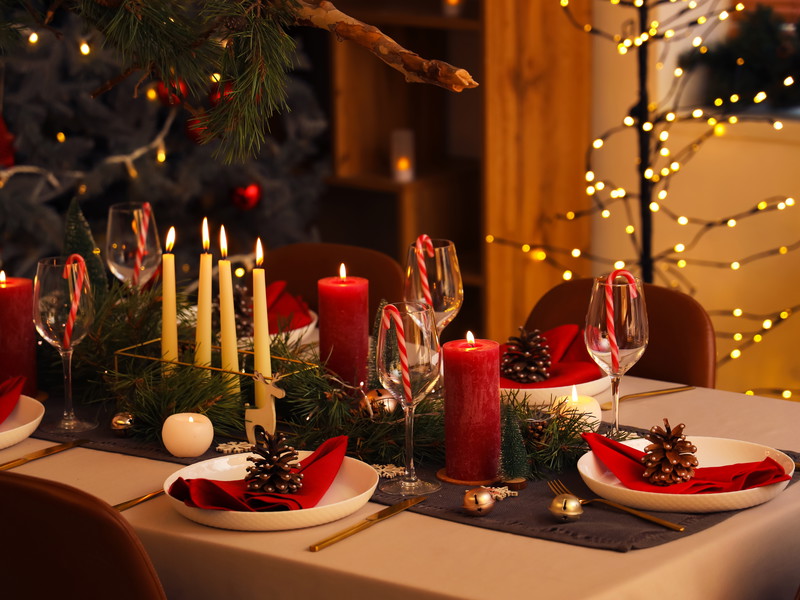
Politics, religion or education: almost any topic can quickly lead to a faux pas at a family dinner – or spark debates that are better avoided. Can you intervene as a host? Yes. "Studies show that around a third of what we talk about is determined by what's on the table", says Kapagiannidou. Table decorations can therefore be a little psychological helper: An old heirloom vase from your beloved grandmother can help family members delve into fond shared memories.
7. Picking the right glass for sparkling wine
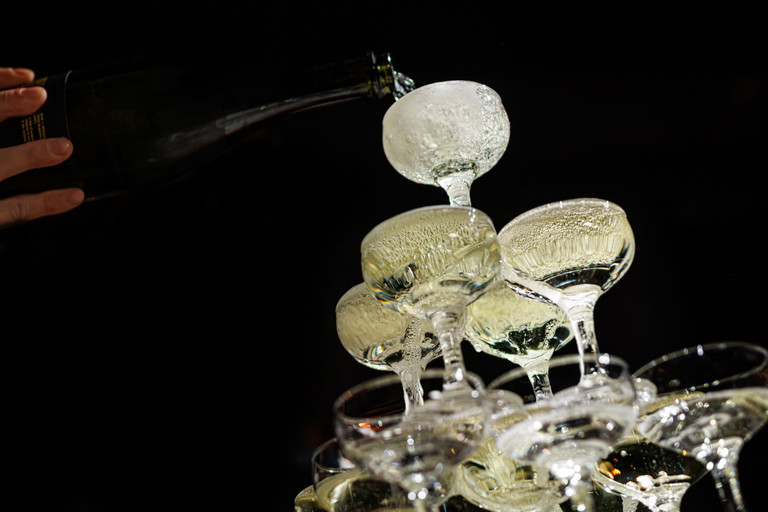
There is no clear-cut answer here: if you want to make an impression, go for the iconic champagne coupe. For the wow effect, stack them into a champagne pyramid. The coupe sits perfectly in the hand, but requires a certain "élégance" in handling. If you move clumsily or clink glasses too hard, you'll spill the contents and are left looking embarassed. However, carbonation evaporates more quickly in a coupe, reducing the enjoyment. Oenophiles revile them because the sparkling wine cannot develop its flavor and effervescence. However, it's not always about the aroma – emotions, showmanship and lifestyle are also major factors.
The classical flute is widely used. It allows you to observe the carbonation rising in long strings of bubbles, creating a visual spectacle. These flutes are often artistically designed and a real talking point! For those with large noses, however, they are not particularly pleasant to drink from – their face will either hit the rim of the glass – or they will have to tilt their heads way back. Flutes are also not great for bringing out aroma. As a champagne expert once aptly described: "Drinking champagne from flutes is like listening to an opera with earplugs."
The tulip-shaped glass is ultimately recommended for full enjoyment: It allows the fine yeast aromas to develop, and a so-called "moussing point", which is found at the bottom of the glass, ensures that carbonation develops evenly.
8. No seperate children's table
Children should always sit at the same table as adults, advises Kapagiannidou. "Eating together is a cultural technique. We should teach our children this." So the so-called children's table away from the grown-ups is out. Not least because older guests in particular are happy to have children close by during the festive season. You can confidently demand good behavior, says Kapagiannidou, but "at some point, it's enough". So you may feel free shorten the time children spend at the table. If they get antsy, they can get up and play, looking forward to Santa.
9. Don't hesitate to accept help
How much time are the hosts allowed to spend in the kitchen? And how long do they have to stay with their guests so as not to appear rude? Rule of thumb: If you can prepare it in advance, do so. Everything else should be done live. Especially in younger, familiar groups, guests can help out if they want to – but only if it's a minor chore. It often creates a good atmosphere if you create a common level of action for all guests. An example: instead of having side dishes perfectly arranged on the table, have them passed around in bowls, as sharing brings us closer. A positive side effect is that vegetarians, food allergy sufferers or people with intolerances can decide for themselves which dishes they want.
10. Shoes on or off, that is the question
It is not uncommon for tempers to flare here. Do guests have to take off their shoes when they enter the apartment or house? No, says Kapagiannidou. Especially on festive days, people invest a lot of effort in the right outfit – and that includes footwear. And: "Nothing is more unfestive than being greeted at the door by a pile of shoes." Incidentally, etiquette experts agree. However, if you absolutely insist on your guests taking off their shoes, you should note this in the invitation. So anyone who wants to can at least bring slippers – or cancel.
Don't miss out!
Sign up now for our newsletter.