5 Museums Every Foodie Should Visit
Food tells stories—some so captivating they belong in museums. From fermented classics to pasta myths, these institutions turn every foodie’s dream into reality.
Anyone who thinks museums are just a bunch of dusty showcases hasn’t yet explored the world of culinary museums. Here, food is culture, history, and experience all at once—and sometimes delightfully surprising.
Seoul–Kimchikan Museum: The Soul of Korea on a Plate
Kimchi is far more than fermented cabbage—it’s a symbol of Korean culture. Seoul’s Kimchikan Museum celebrates this iconic dish with a mix of tradition and interactivity. Visitors can learn how kimchi has been prepared for centuries, discover regional variations, and explore the health benefits of its fermented ingredients. Hands-on workshops invite guests to try their own fermentation, while exhibitions highlight historical recipes, rituals, and seasonal differences. Anyone who has made kimchi themselves will understand why it’s not only delicious but also full of stories.
Address: Insadong-gil 35-4, Jongno-gu, Seoul, South Korea
Opening hours: Tue–Sun 10:00–18:00, Mon closed
Admission: 5,000 KRW (≈ €3.35)
Osaka & Yokohama–Cup Noodles Museum: Instant Classics as a Cultural Experience
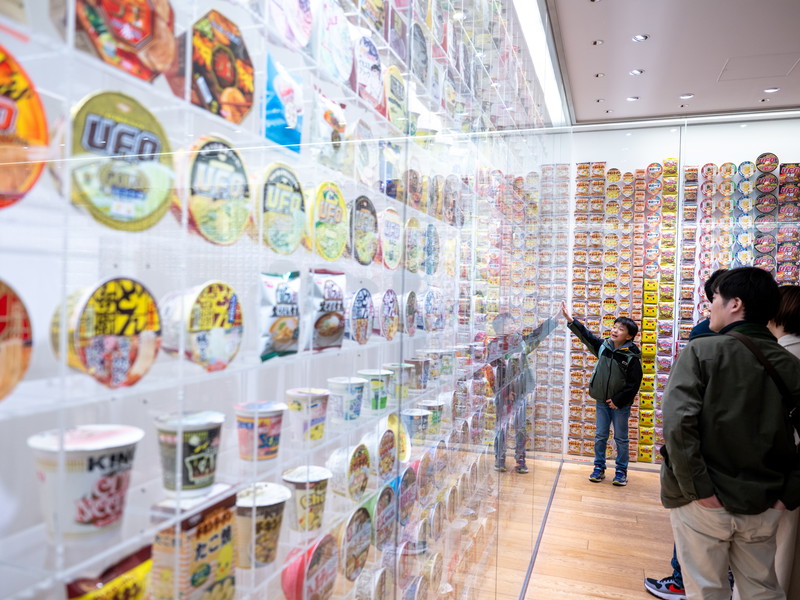
Japan honors one of its most famous culinary inventions of the 20th century with two interactive Cup Noodles Museums. Visitors discover how Momofuku Ando invented the instant noodle in the 1950s and how it went on to become a global phenomenon.
A standout feature is the My Cup Noodles Factory, where guests can design their own noodle cups, choose ingredients, create custom designs, and see the production process up close. Workshops and exhibitions explore the cultural impact of this simple snack—tracing its journey from convenient food to a symbol of globalization.
Address: 2-3-4 Shinko, Naka Ward, Yokohama, Kanagawa Prefecture 231-0001, Japan
Opening hours: Daily 10:00–18:00 (last admission 17:00), closed Tuesdays
Admission: 500 ¥ (≈ €3.30)
Disgusting Food Museum: Questioning the Boundaries of Taste
Launched in Malmö, Sweden, the Disgusting Food Museum showcases over 80 foods from around the world that many might initially find “disgusting”—from fermented insects to pungent cheeses. The museum invites visitors to challenge their own taste preferences and reflect on the cultural diversity of food.
The concept has gone international: Berlin has hosted its own museum since 2021, and Stuttgart currently features a temporary exhibition. Visitors in different cities can see firsthand how cultural identity and taste are closely intertwined. Interactive stations, videos, and sometimes even tastings demonstrate that culinary experiences can provoke, surprise, and delight—and that food is far more than just sustenance.
Berlin: Schützenstraße 70, 10117 Berlin
Opening hours: Fri–Thu 12:00–18:00 (Wed/Thu: groups/workshops on request)
Admission: €10–16 (depending on ticket), children €8, ages 0–5 free
Collecchio–Museum of Pasta: Italian Tradition Brought to Life
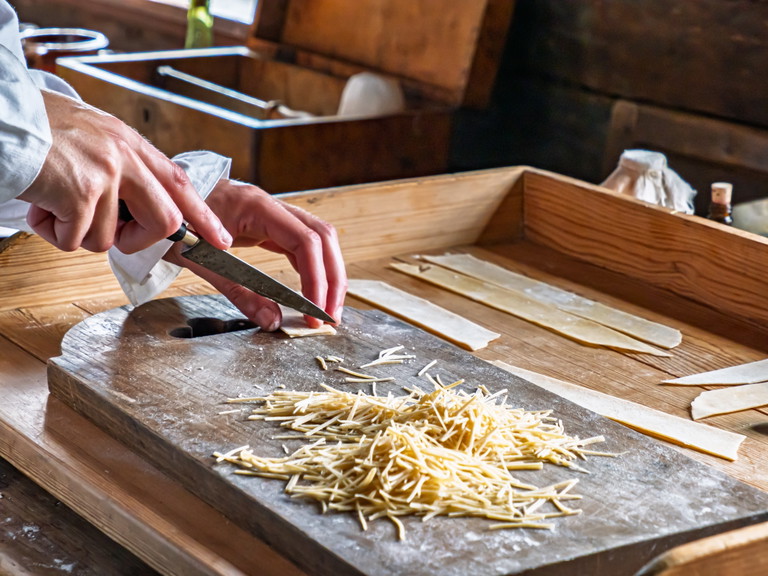
Pasta is more than food—it’s Italian identity on a plate. The Museum of Pasta in Collecchio brings this passion to life, offering a fascinating journey through the history of Italy’s most beloved staple. Exhibits trace pasta’s evolution from grain cultivation to traditional techniques and iconic shapes. Visitors discover why bronze molds give dough a unique texture, how pasta reflects regional culinary traditions, and its role in social rituals throughout Italian history.
Address: Strada Giarola, 11, 43044 Collecchio (Parma), Italy
Opening hours: Sat, Sun & public holidays 10:00–18:00; weekdays by appointment for groups
Admission: €5 (adults), €3–4 (reduced)
Ulm–Museum Bread and Art: Bread as a Mirror of Society
Bread is everywhere, yet few realize how deeply it is tied to culture, religion, and politics. The Museum Bread and Art in Ulm takes visitors on a journey through 18,000 exhibits, spanning ancient baking techniques to modern artistic interpretations. Workshops, special exhibitions, and guided tours reveal how bread has shaped social structures—and continues to do so today.
Address: Salzstadelgasse 10, 89073 Ulm, Germany
Opening hours: Mon 10:00–15:00; Tue, Thu, Fri, Sat, Sun 10:00–17:00; Wed 10:00–19:00
Admission: €6 (adults), €5 (reduced); family tickets and annual passes available