Skip to content
© Stocksy

Away from the hustle and bustle: a wine trip through the Alentejo

Weinreise
Portugal

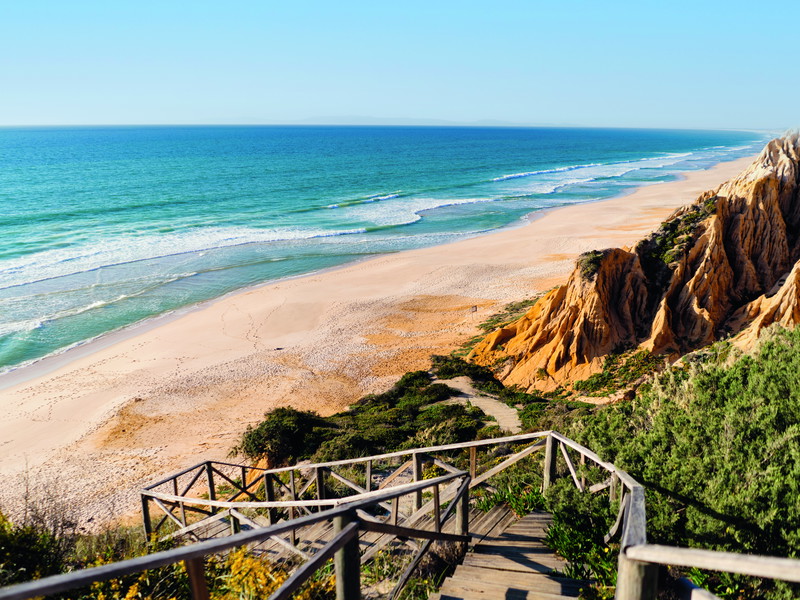
The Alentejo region has quietly but consistently repositioned itself in recent years. Between the beautiful beaches of Comporta and the extensive hinterland, a Portugal far removed from the tourist hustle and bustle is revealed - authentic and unmistakable.

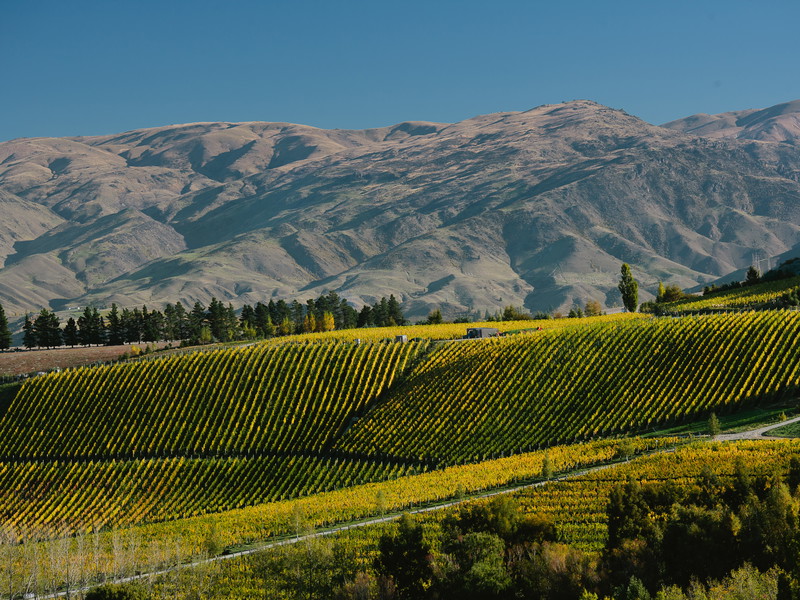
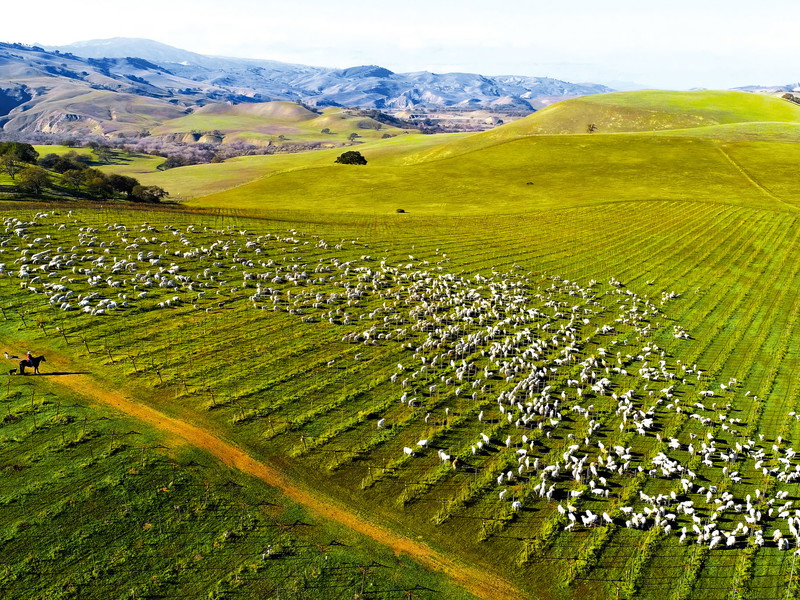
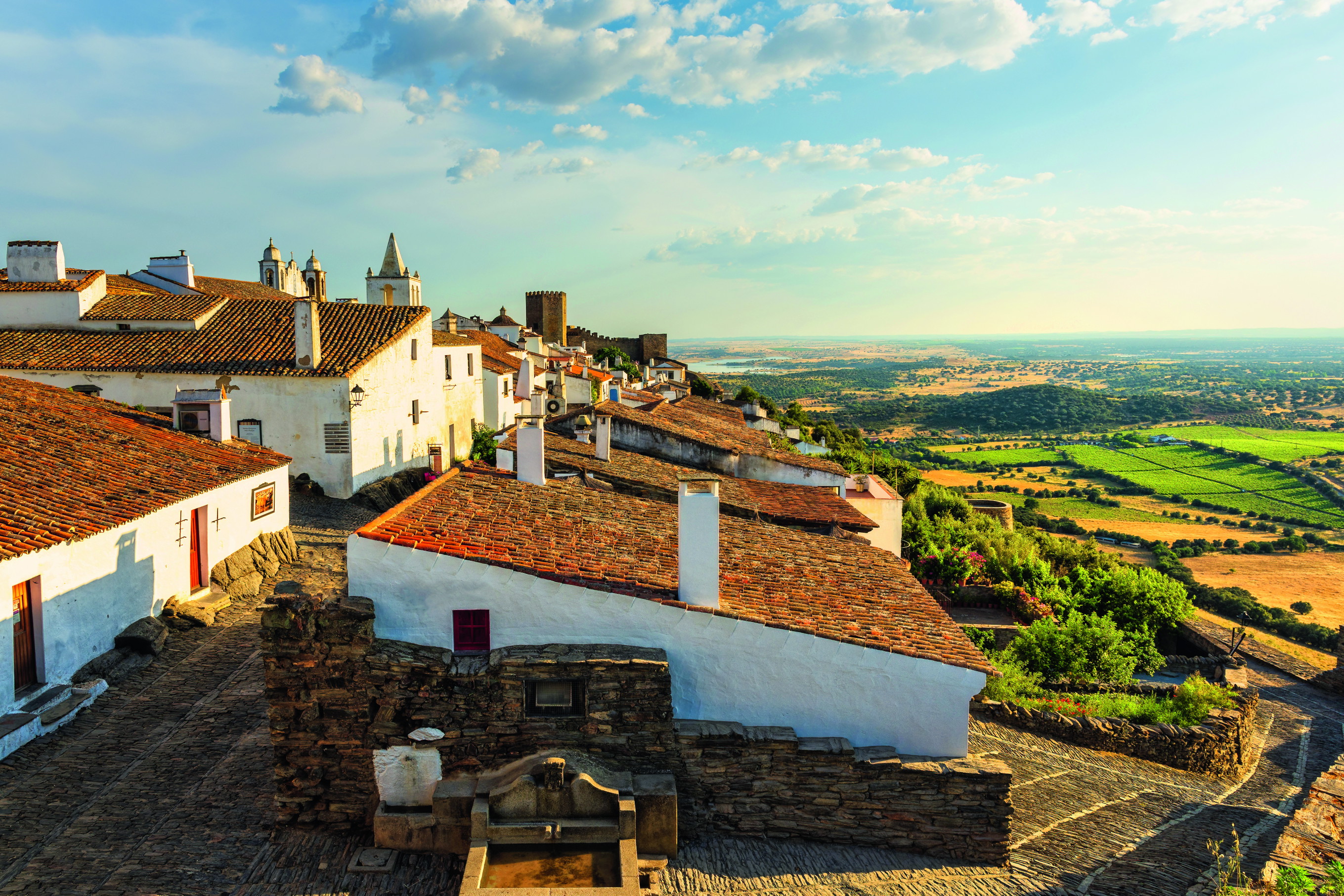
Portugal has long since developed from an insider tip to a popular travel destination. While Lisbon, Porto and the Algarve are increasingly crowded with visitors, the Alentejo is much more relaxed and less crowded - which is precisely why it is one of the most exciting destinations for wine travelers. The region, around an hour and a half's drive east of Lisbon, is vast, rural and, with only around 22 inhabitants per square kilometer, one of the most sparsely populated areas in southern Europe. Gentle hills, extensive fields, cork oak forests, olive groves and vineyards dominate the landscape. In between, there are always villages and small towns with their typical whitewashed houses. Wine explorers will not only find a variety of exciting wineries here, but also a remarkable density of stylish accommodation.

Authenticity instead of trend

Although viticulture has been practiced in the Alentejo for thousands of years, it played a subordinate role for a long time. Large estates, known as latifúndios, dominated the landscape until the middle of the 20th century. It was mainly used for cattle breeding and the production of grain, olives and cork. Speaking of cork: the Alentejo is still the most important cork-growing region in the world. Over 70 percent of Portugal's cork oak forests are located here. Portugal in turn accounts for around half of global cork production.

It was only when Portugal joined the EU that viticulture really took off. Subsidies, the lifting of irrigation bans and the comparatively easy-to-develop hill country attracted investors and caused a boom. However, the wine identity of the Alentejo first had to be redefined. In the 1990s, international varieties such as Cabernet Sauvignon, Syrah and Merlot, which were considered modern and easier to market, dominated. At the turn of the millennium, however, a fundamental rethink began; more and more winegrowers realized that indigenous varieties are not only better adapted to the climate, but also produce more authentic wines with a stronger character. Today, white varieties such as Antão Vaz, Arinto and Roupeiro and red varieties such as Aragonez, Trincadeira and Alicante Bouschet dominate the scene - grape varieties that have contributed significantly to the growing reputation of the wine region.

The diversity of the Alentejo

Officially, the Alentejo is divided into eight sub-regions: Portalegre, Borba, Redondo, Évora, Reguengos, Vidigueira, Moura and Granja-Amareleja. While northern areas such as Portalegre benefit from higher altitudes and the foothills of the Serra de São Mamede and therefore have cooler nights, the south is dominated by much warmer and drier conditions. The soils vary accordingly: granite and slate can be found in the north, limestone and clay soils in the center, and lighter sand and gravel structures in the south.

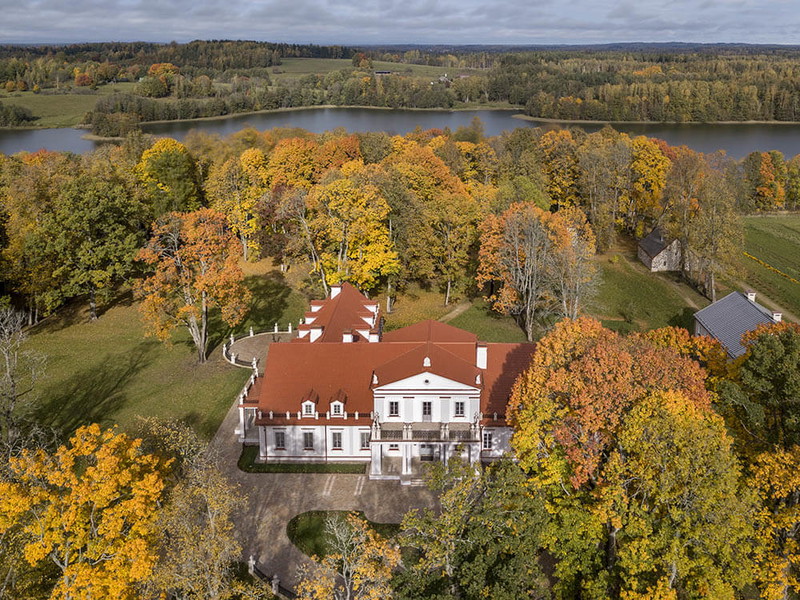
Évora, whose exceptionally well-preserved historic city center has been a UNESCO World Heritage Site since 1986, is a recommended starting point for exploring the region. The Roman temple, the medieval cathedral and the Capela dos Ossos are among the most important sights. Évora offers both traditional and modern regional cuisine. Recommended addresses include the "Restaurante Dom Joaquim", which interprets classic Alentejan dishes in a contemporary setting, and the "Botequim da Mouraria", a small, often fully booked restaurant with a menu that is reduced to a few dishes that change daily. The "Convento do Espinheiro", a 15th-century monastery converted into a hotel, is located outside the city center.

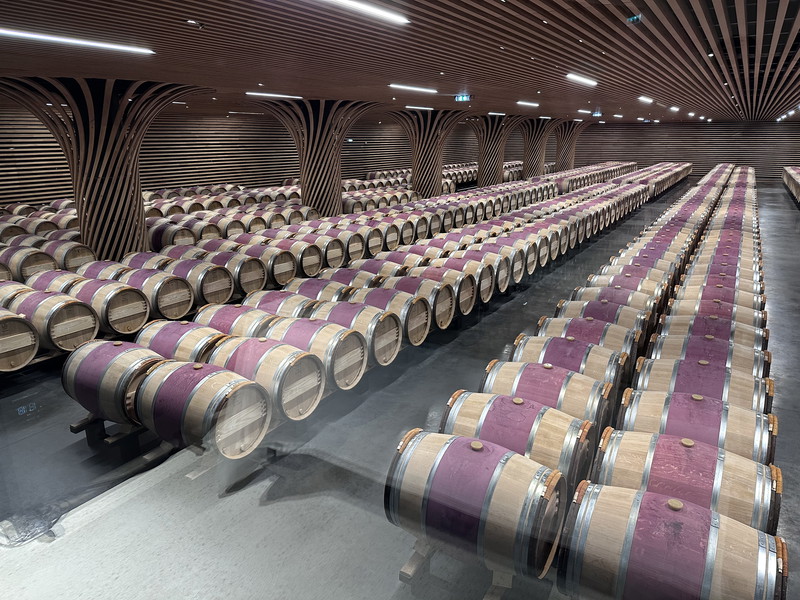
About forty minutes south-east of Évora is the Herdade do Esporão, one of Portugal's most influential wineries. The farm covers around 1800 hectares, with vineyards, olive groves and more - all certified organic. Guided tours of the cellar and olive oil production are offered, as well as tastings. The associated restaurant "Esporão" works consistently with seasonal, local ingredients and has been awarded a star since 2022. If you are in the area, you should definitely visit the pretty village of Monsaraz with a view of the Alqueva reservoir.

Ancient Talhas

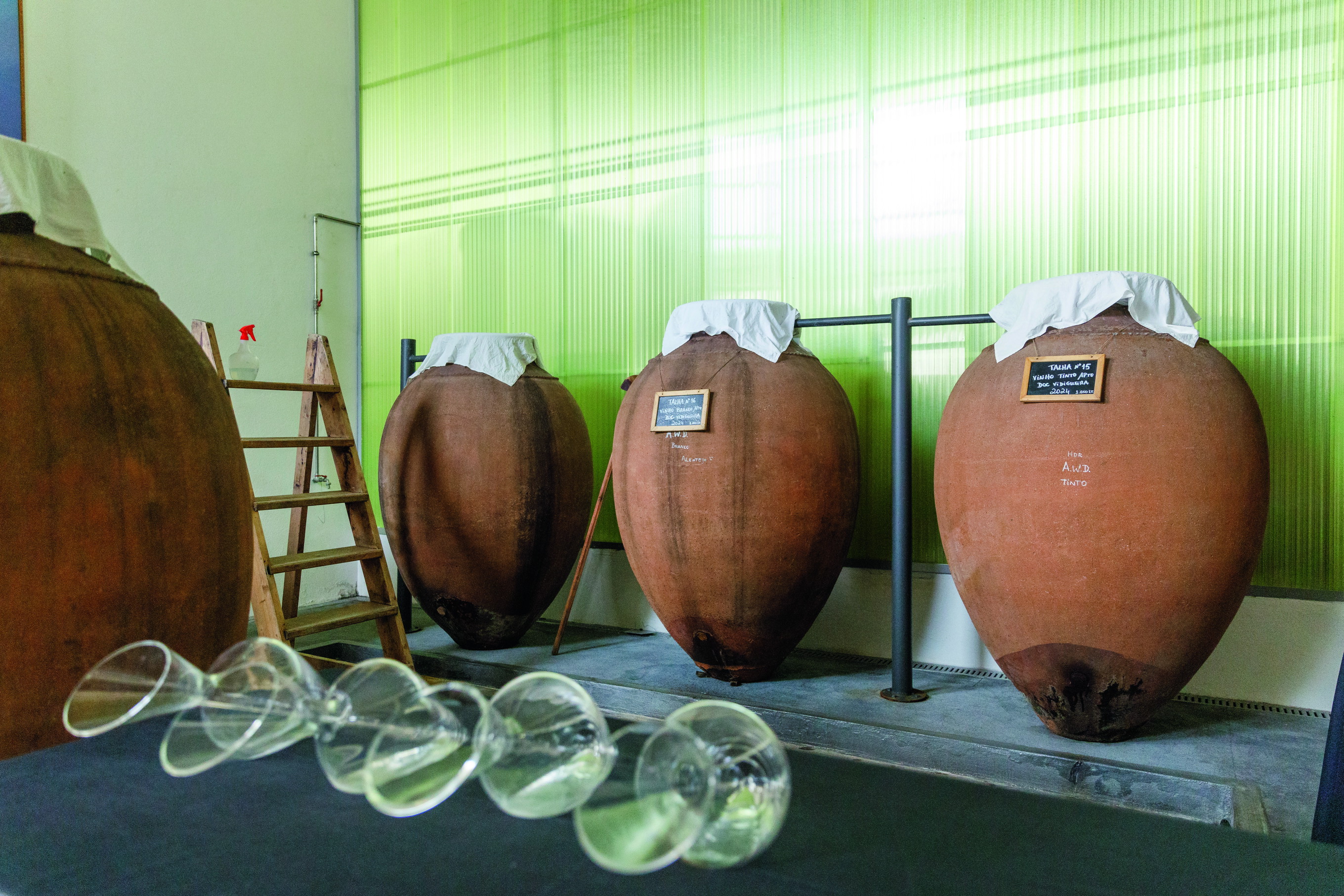
Around half an hour south of Esporão lies Vidigueira, the center of traditional Vinho de Talha. The Herdade do Rocim, which has played a key role in the revival of this historic winemaking process and welcomes visitors, is located here. Talhas are large clay amphorae that have been used to make wine in the Alentejo since Roman times. They are no longer produced today, which is why they are highly sought after. Vinho de Talha has been recognized as its own DOC category since 2010. In nearby Vila de Frades in particular, several farms continue to work consistently using this method.

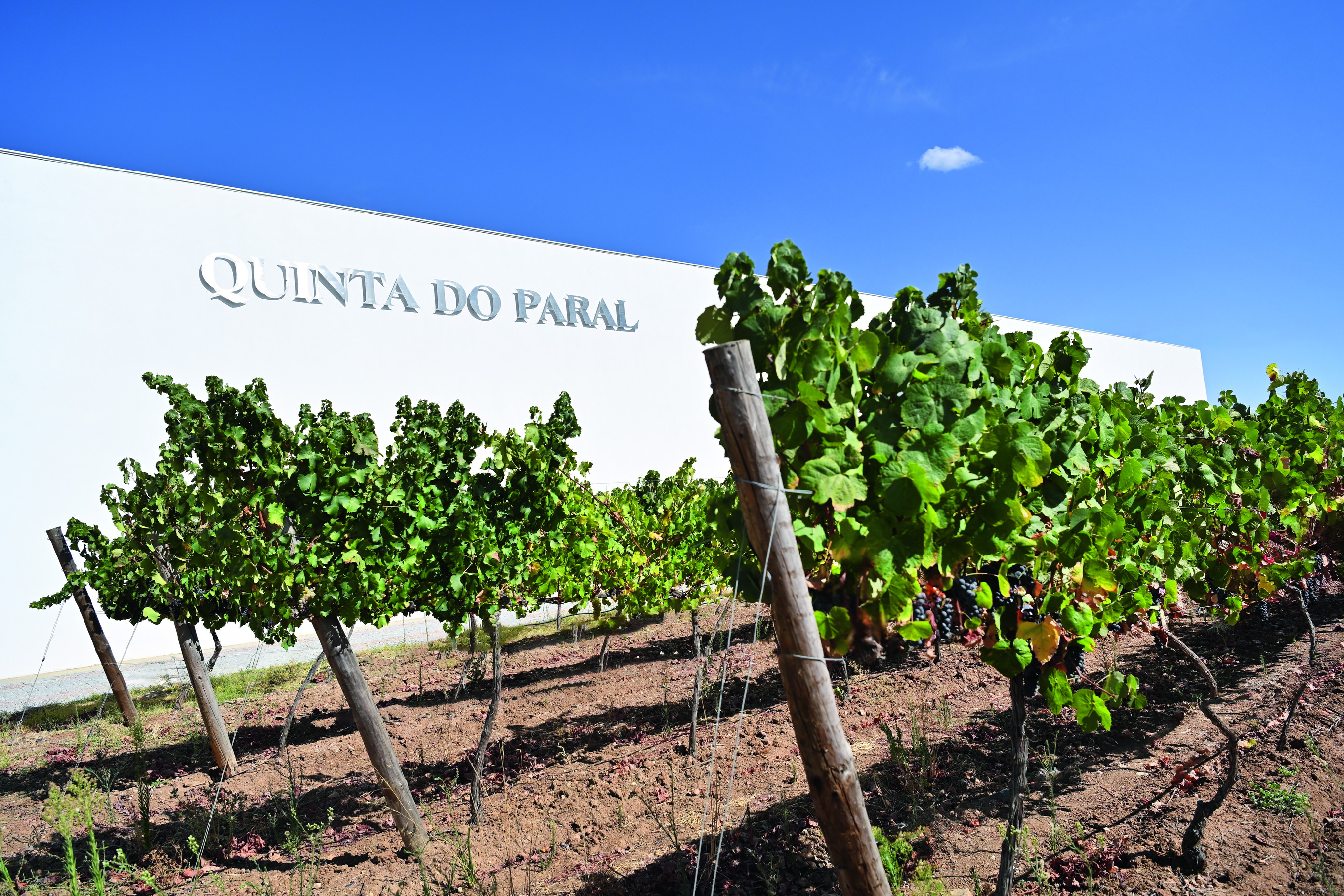
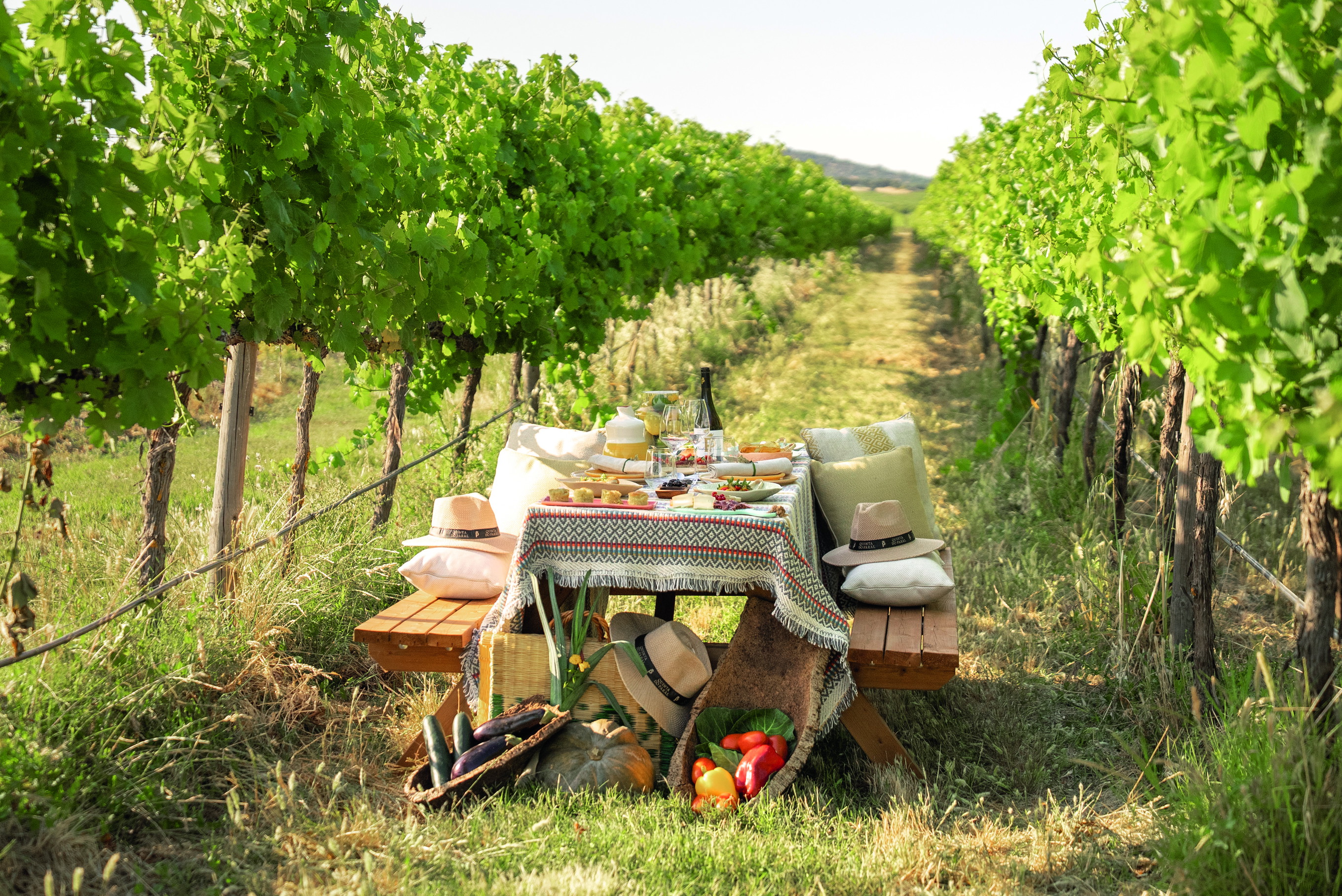
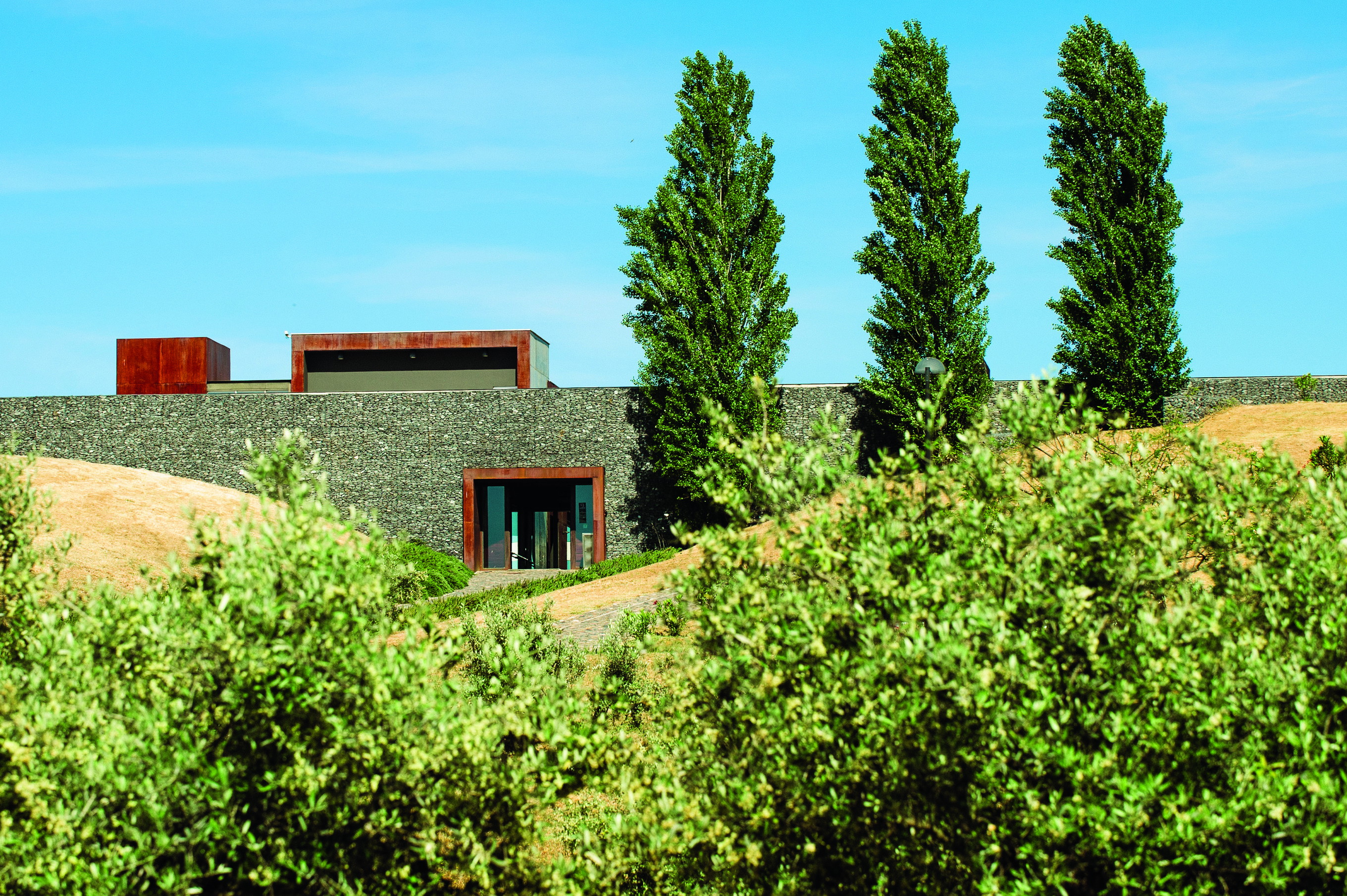
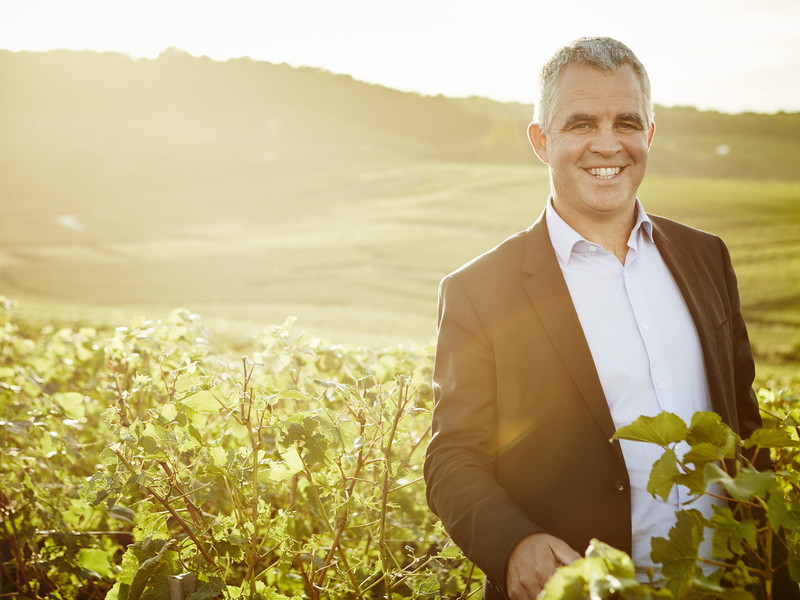
The Quinta do Paral is also located in Vidigueira. The estate was taken over in 2017 by entrepreneur Dieter Morszeck, the former owner of the "Rimowa" suitcase brand, and extensively modernized. Together with the oenologist Luís Morgado Leão and his Brazilian wife, he developed the Quinta do Paral into a magical wine retreat. The vineyards are planted with indigenous grape varieties such as Arinto, Antão Vaz, Touriga Nacional and Alicante Bouschet, some of which are over 40 years old. The top-class wine hotel with 22 rooms is the ideal starting point for tours through the sub-region.

Luxurious coast

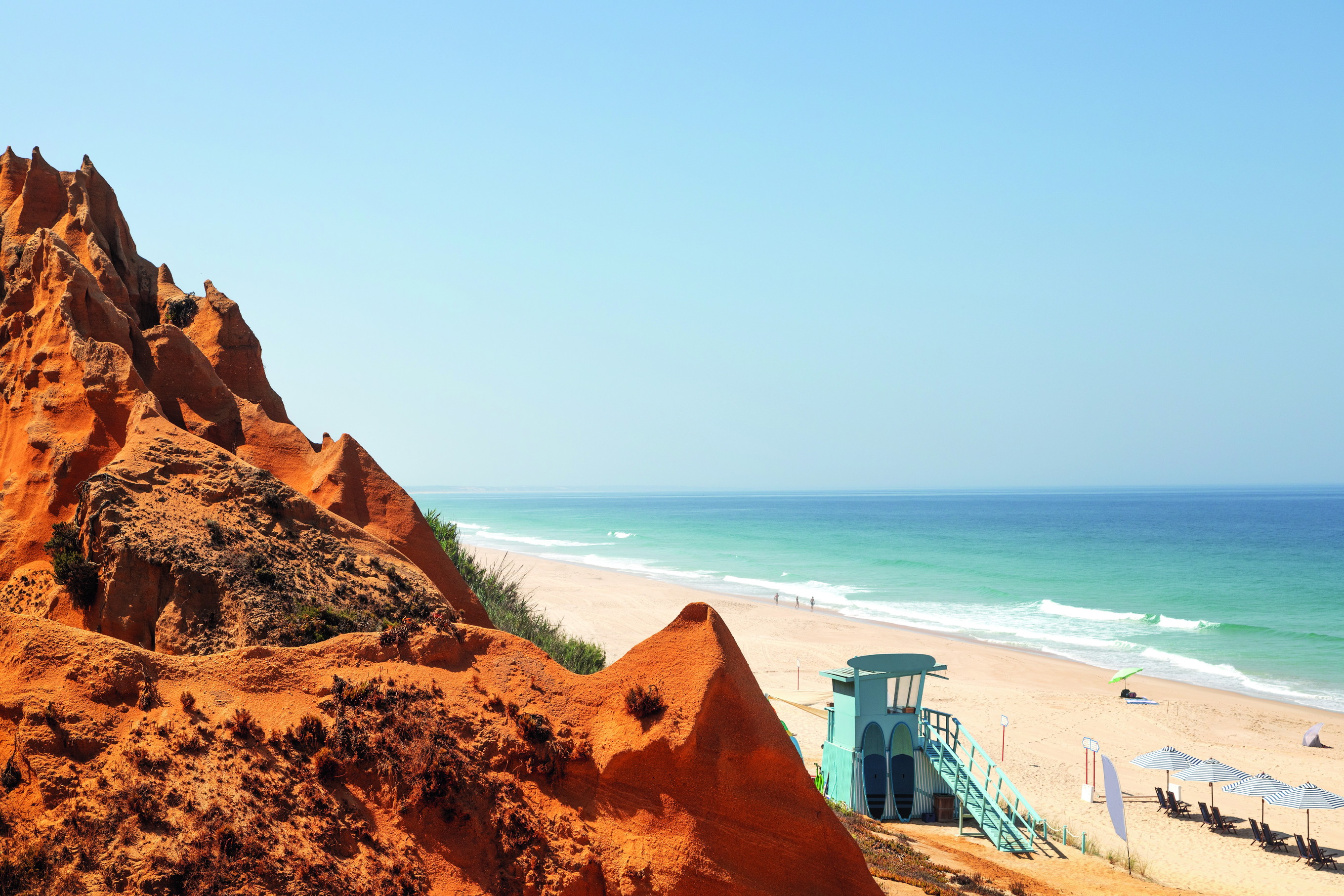
The Atlantic region around Comporta forms a clear contrast to the hinterland. Since the 1990s, the area between rice fields, dune landscapes and pine forests has developed from a largely unknown coastal strip into one of Portugal's most exclusive destinations. Some stars, including Philippe Starck, Christian Louboutin, George Clooney and Paris Hilton, own exclusive properties here. Despite the dynamism, the region relies on restrained architecture and nature-oriented concepts. Luxury and sustainability are subtly combined here. The Alentejo therefore remains the ideal destination for those who want to discover Portugal far away from mass tourism - authentic, diverse and distinctive.

Dominik Vombach
Dominik Vombach
Chefredaktion Schweiz
Find out more
1 / 12