Skip to content

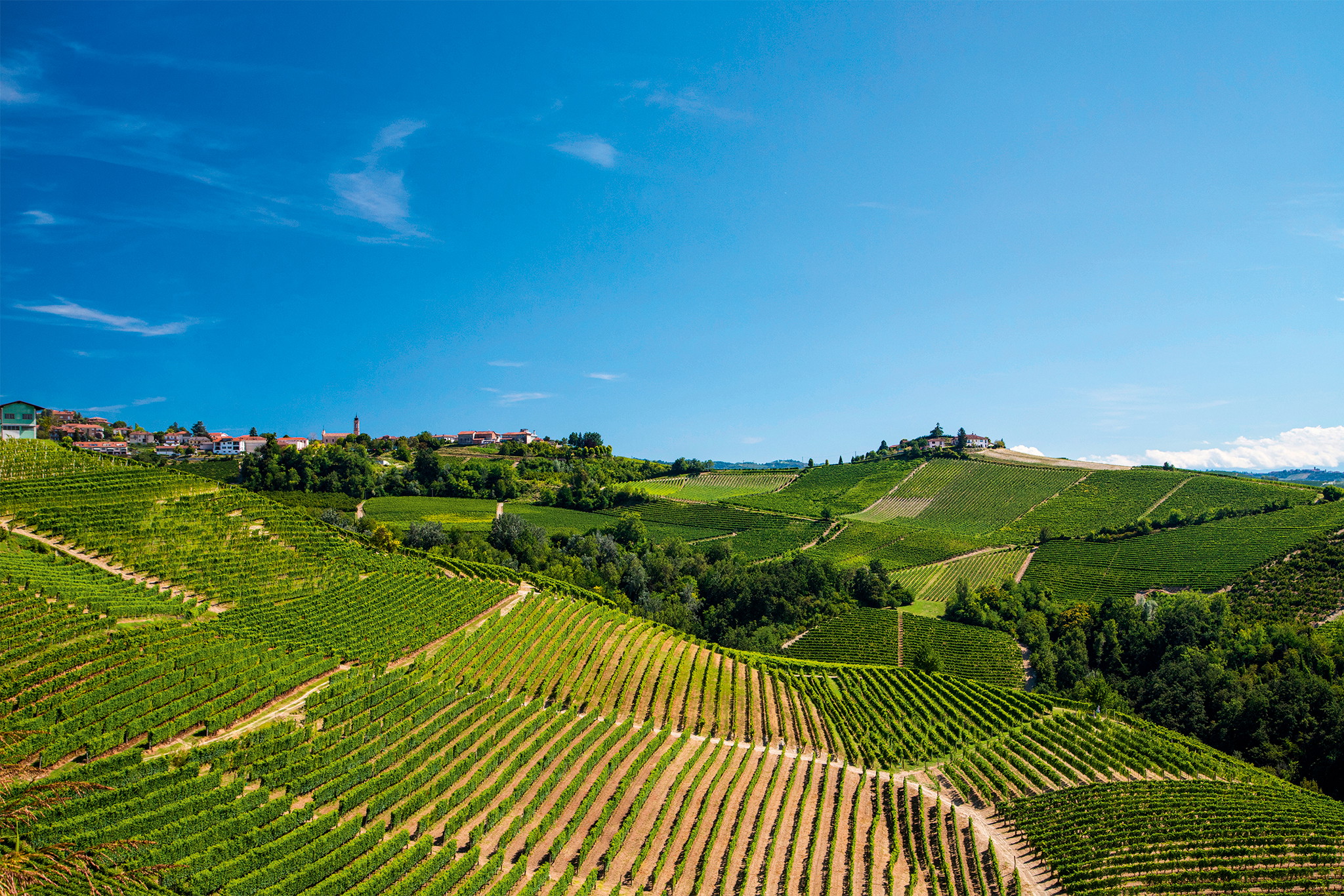
The famous Barolo and Barbaresco vineyards lie close together. The vines for Alta Langa prefer higher altitudes.

The famous Barolo and Barbaresco vineyards lie close together. The vines for Alta Langa prefer higher altitudes.
© Shutterstock

Alta Langa: Alpine Heights, Truffles, and Sparkling Wine

Italien
Weinreise

Monviso towers over the Langa landscape as its signature peak. This imposing giant, cresting at 3,841 meters, gazes down on vineyards rooted in sedimentary soils from an ancient sea that blanketed southern Piedmont some 30 million years ago.

At first glance, Alta Langa shatters classic Italian fantasies: It's a solid 75 miles from the Ligurian Sea, with cooler temperatures than your typical Mediterranean dream, rainy springs, autumn fog that blesses the vines, and snowy winters. Twisty, steep roads enforce a slow savor, while marquee attractions stay blissfully scarce.

The undulating hills, ringed by snow-capped Alps, weave a hypnotic charm that's lured global crowds in recent years—especially October and November, when white truffles reign supreme. Topping the bill: the excellent wines from the Langhe region (Langa in Italian): Barolo and Barbaresco from Nebbiolo royalty. Barbera and Dolcetto deliver their namesake reds, whites star Arneis, Favorita, Nascetta, Timorasso, and Cortese. Chardonnay and Pinot Noir fuel the Alta Langa fizz.

Sweet fizz

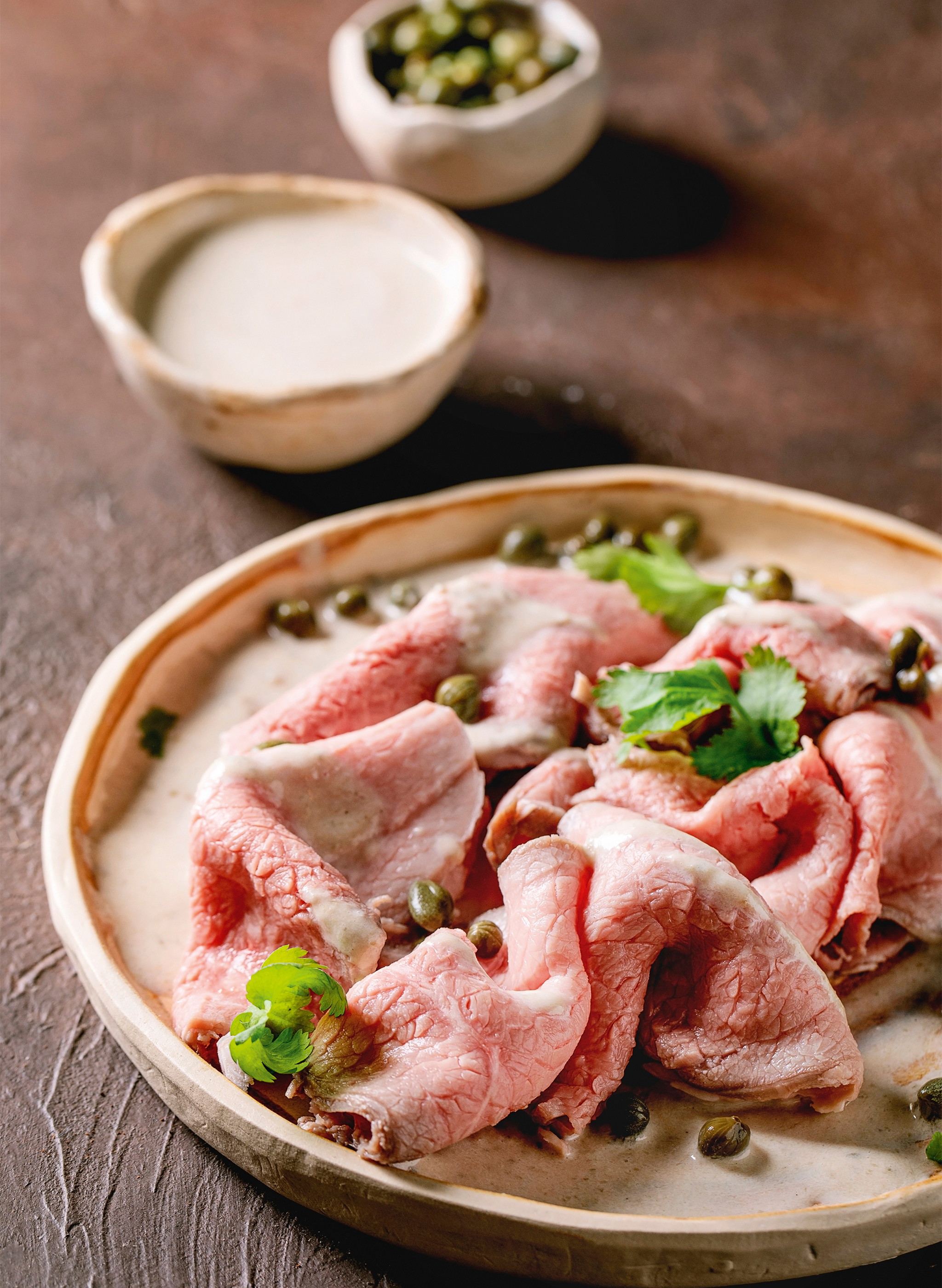
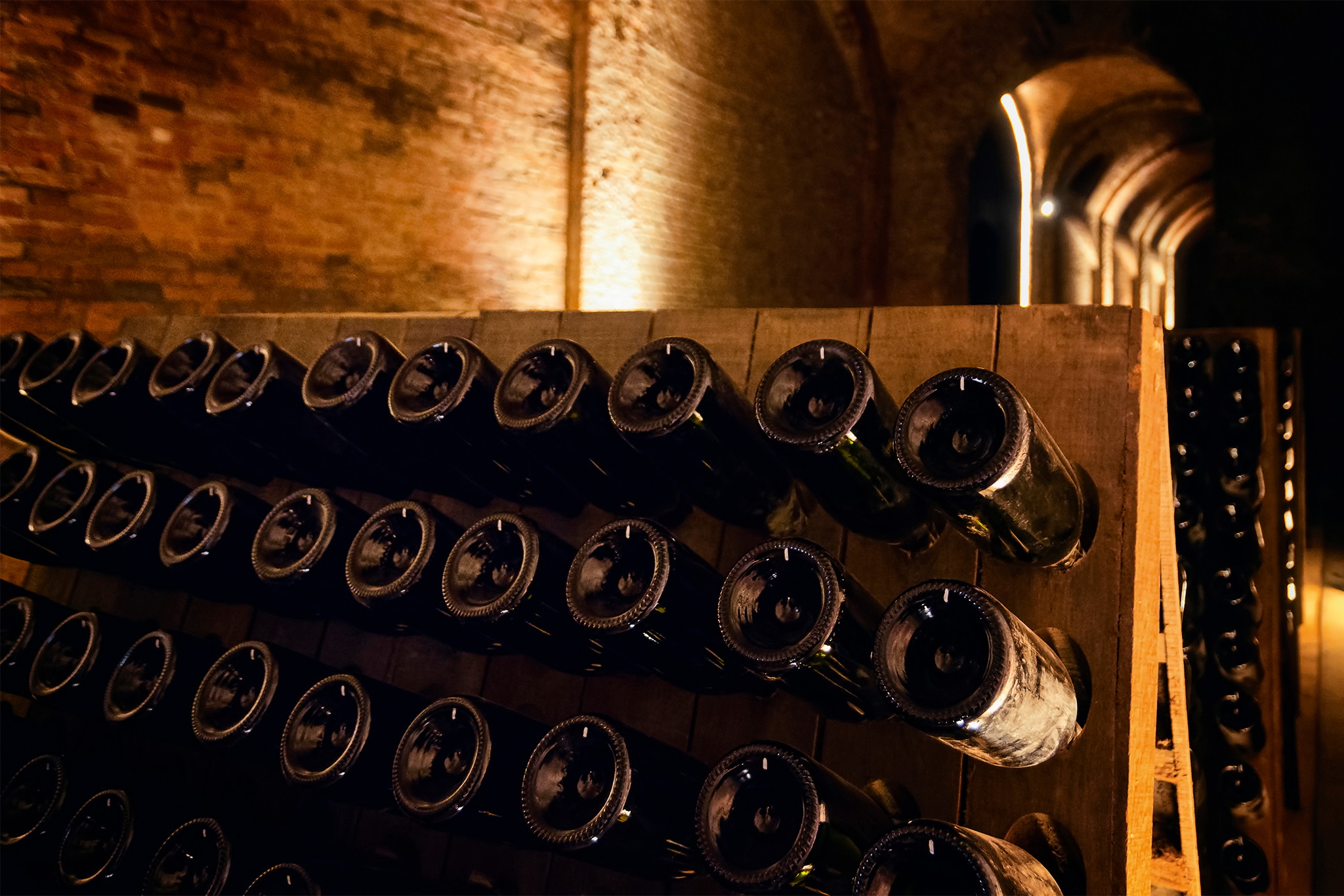
Alta Langa is Piedmont's sparkling wine, always undergoing a second fermentation in the bottle—on par technically and price-wise with Champagne, Franciacorta, Trentodoc, Cava, Crémant, and elite Proseccos (most tank-fermented). It excels as aperitif, with fish or veal, handmade egg pasta, and local Tuma cheese.

Trend drink

Because they are trendy and lucrative, winegrowers add sparkling wines to their lineup of red and white wine. There are 95 producers today (60 in 2023). Another 60 could join soon, their bottles already aging on lees, if the buzz holds steady. Yet crafting a top-tier, bottle-fermented spumante isn't a gimme, even for Piedmont's red-wine rock stars.

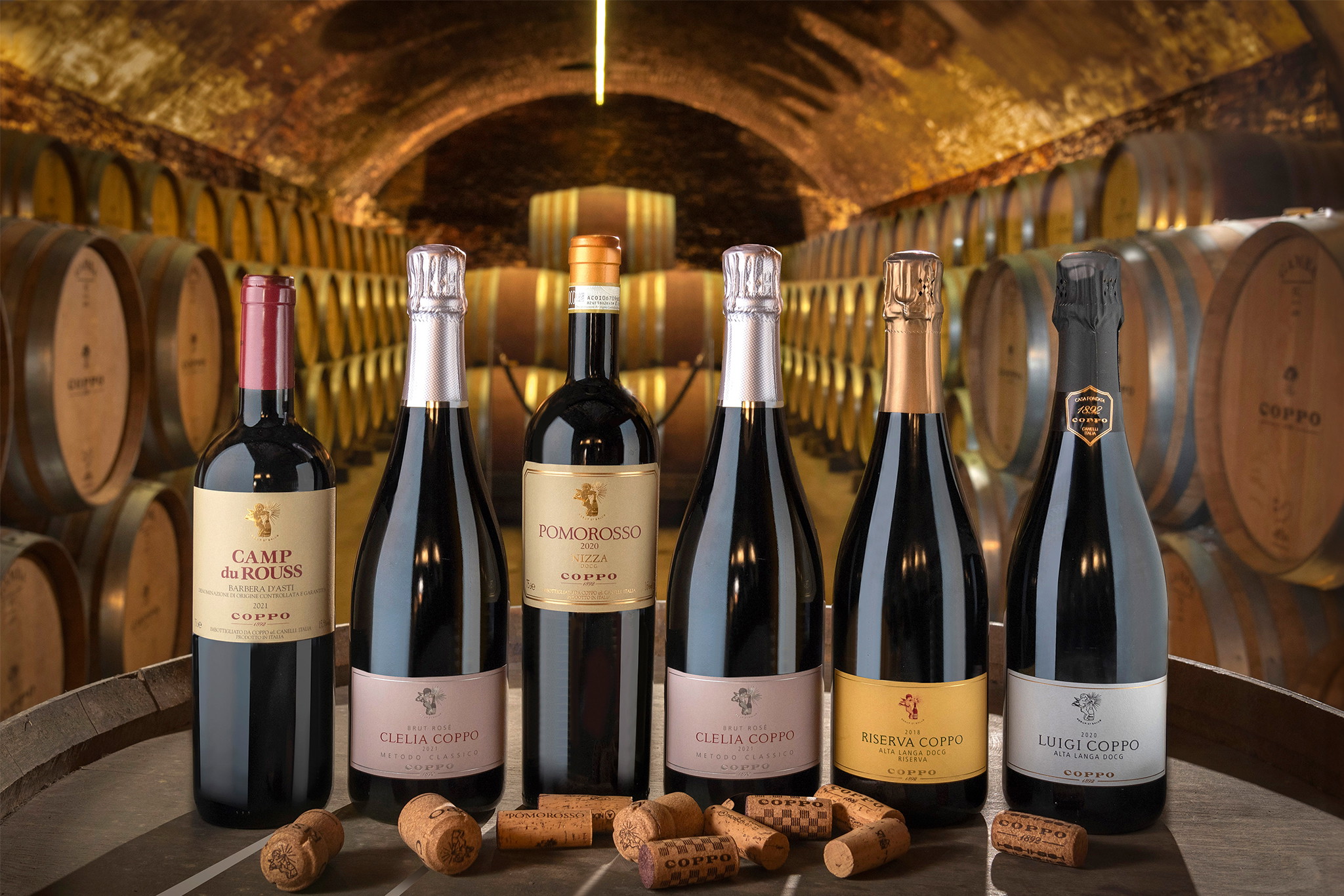
At tastings, a solid dozen from familiar names like Cocchi, Contratto, Coppo, Deltetto, Enrico Serafino, Fontanafredda, Germano Ettore, Marcalberto, Mirafiore, and Tenuta Carretta (alphabetical order) rarely disappoint.

Long before the Barolo Boys turbocharged Barolo and Barbaresco in the 1980s, sparking global Langhe fever, Canelli's producers were all-in on sparklers. World War I killed the vibe. Postwar revival? Slow to nonexistent.

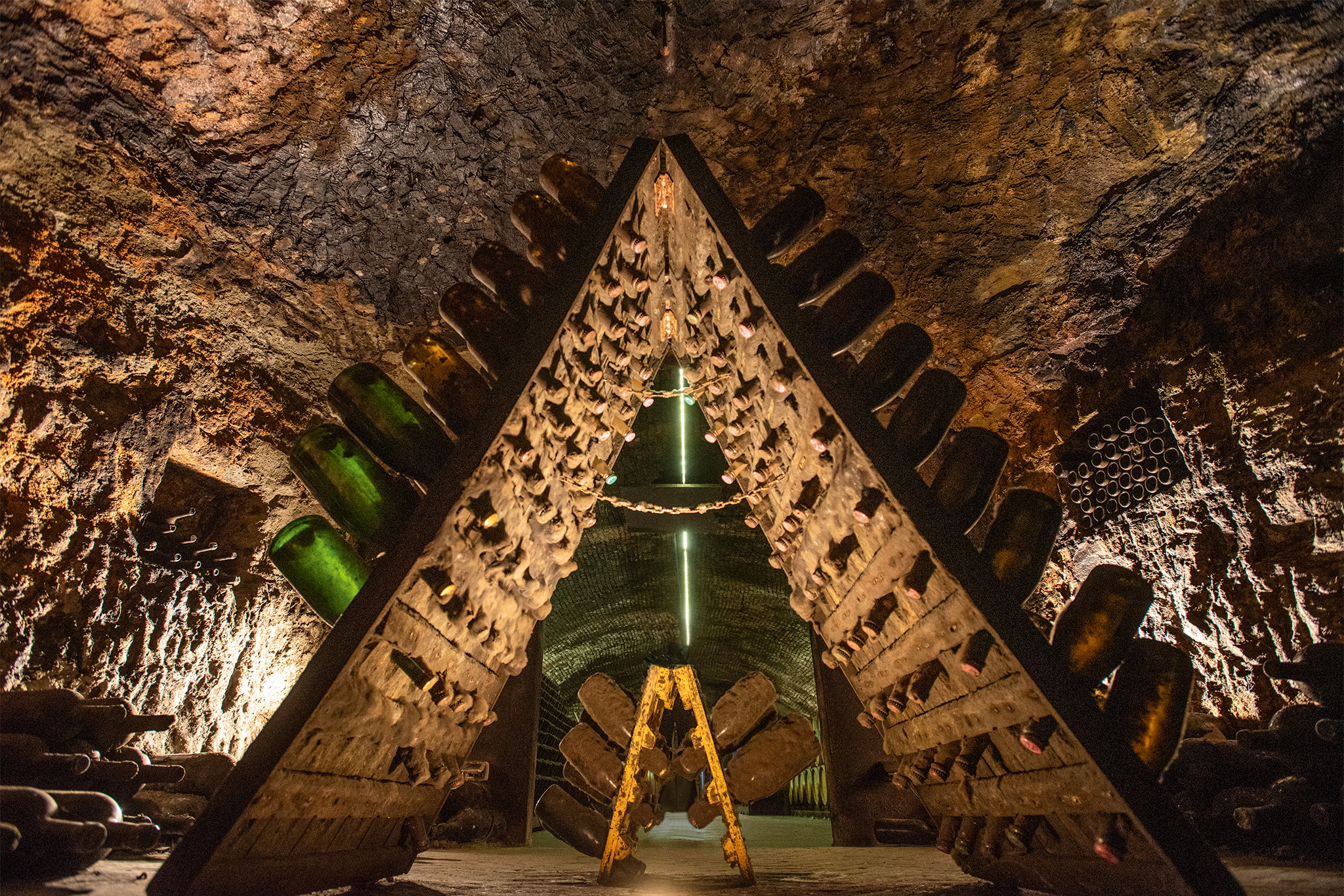
Those vast tufa cellar tunnels still whisper of past glory and scale—you can tour them today. In 2014 they were placed under the protection of UNESCO World Heritage. In 1990, old spumante houses regrouped for "Progetto Spumante". Turin showcase led to "Tradizione Spumante", then "Case Storiche Piemontesi". Come 1999, 48 producers toasted the birth of "Alta Langa" in Bossolasco on May 10 that year, gaining DOC status in 2002 and DOCG status in 2011.

Craftmanship

What's next? The Consorzio eyes vineyard growth toward five million bottles annually, mostly sold at home. For president Giovanni Minetti (also of Tenuta Carretta), the craftmanship behind Alta Langa sparkling wine is what matters most. He wants future members as hands-on craftspeople—from grape to cork—not faceless suppliers for big factories. Round tables among producers will sharpen quality further.

Christian Wenger
Author
Find out more
1 / 12