Skip to content
© Press

Convergence in Copenhagen: Five Days That United the World’s Culinary Elite

Fine Dining
Copenhagen
Denmark

From immersive dinners at “Alchemist” to visionary talks on the future of food, Convergence transformed Copenhagen into a global meeting point for gastronomy. Conceived by Rasmus Munk as a response to a divided world, the new symposium celebrated collaboration, creativity, and the universal language of cooking—across continents, cultures, and cuisines.

For five vibrant winter days, Copenhagen stood at the center of the global gastronomic conversation. From January 29 to February 2, 2026, the Danish capital hosted the first edition of Convergence—a new international gathering created by Rasmus Munk, founder of Alchemist. 

In total, 69 restaurants and bars from 27 countries across six continents took part, bringing chefs from the world’s most influential kitchens together in a rare celebration of collaboration. The idea was born last November, when Munk—concerned by growing polarization—imagined an event where chefs could meet on common ground. 

“I dreamed of a place where we could communicate through the craft we all share,” Munk said. “Where food becomes a way of connecting, not dividing.” 

Global Collaboration, Night after Night

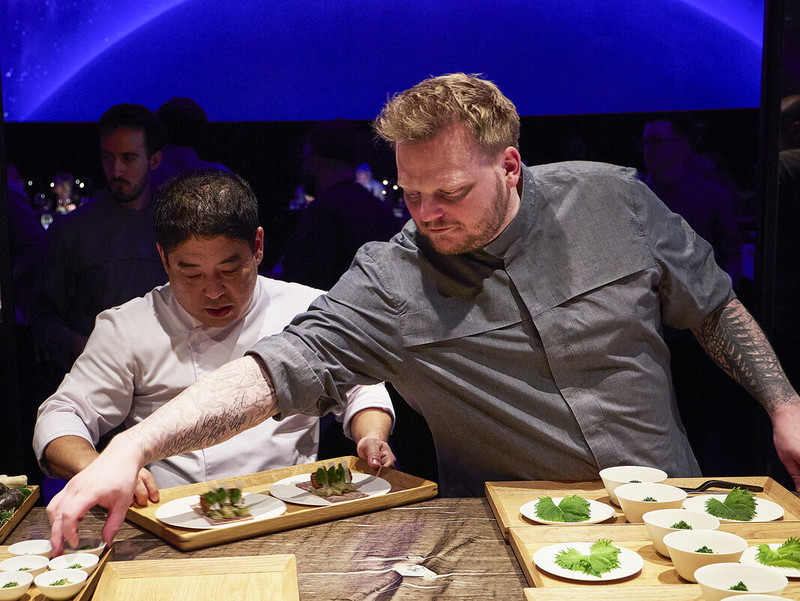
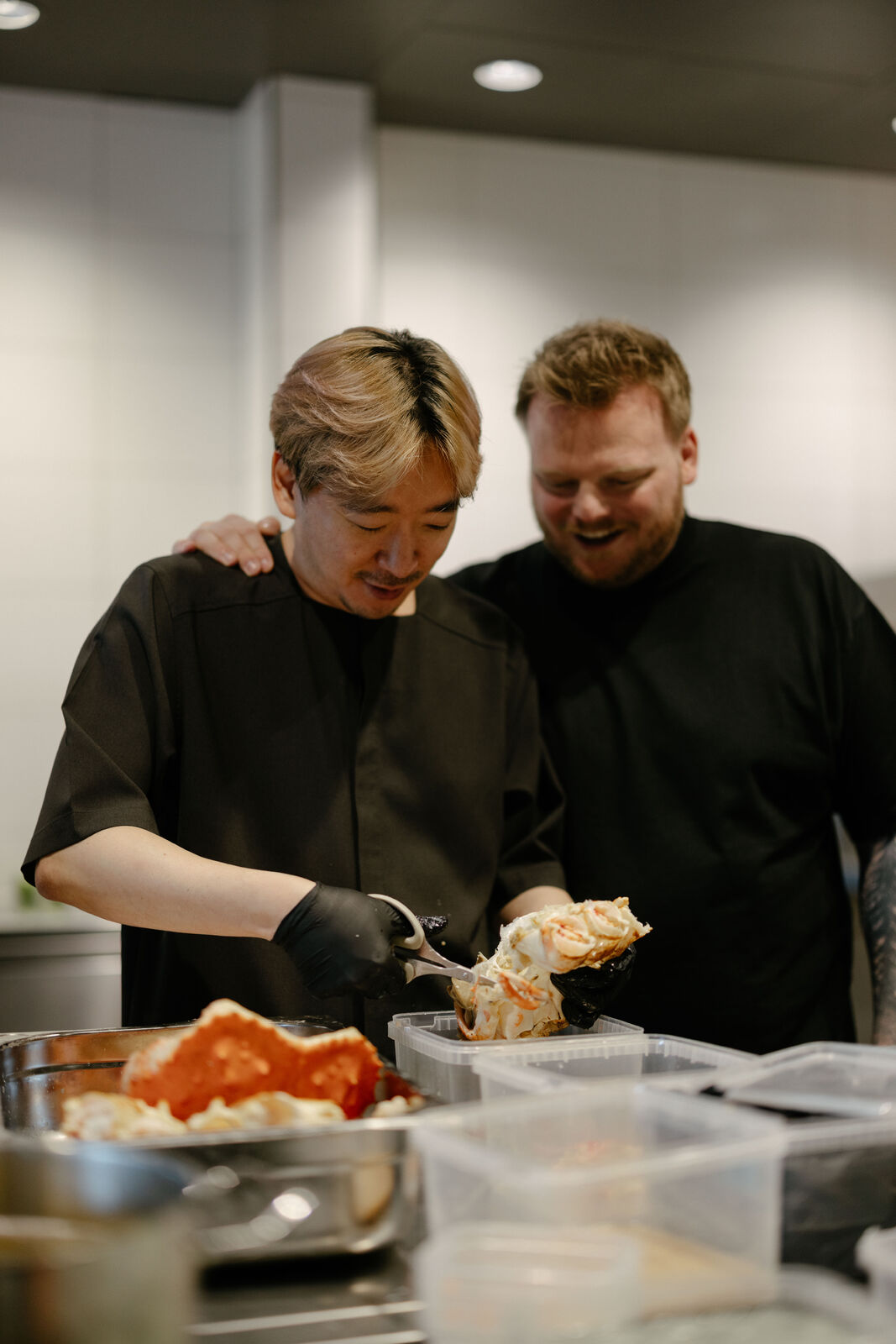
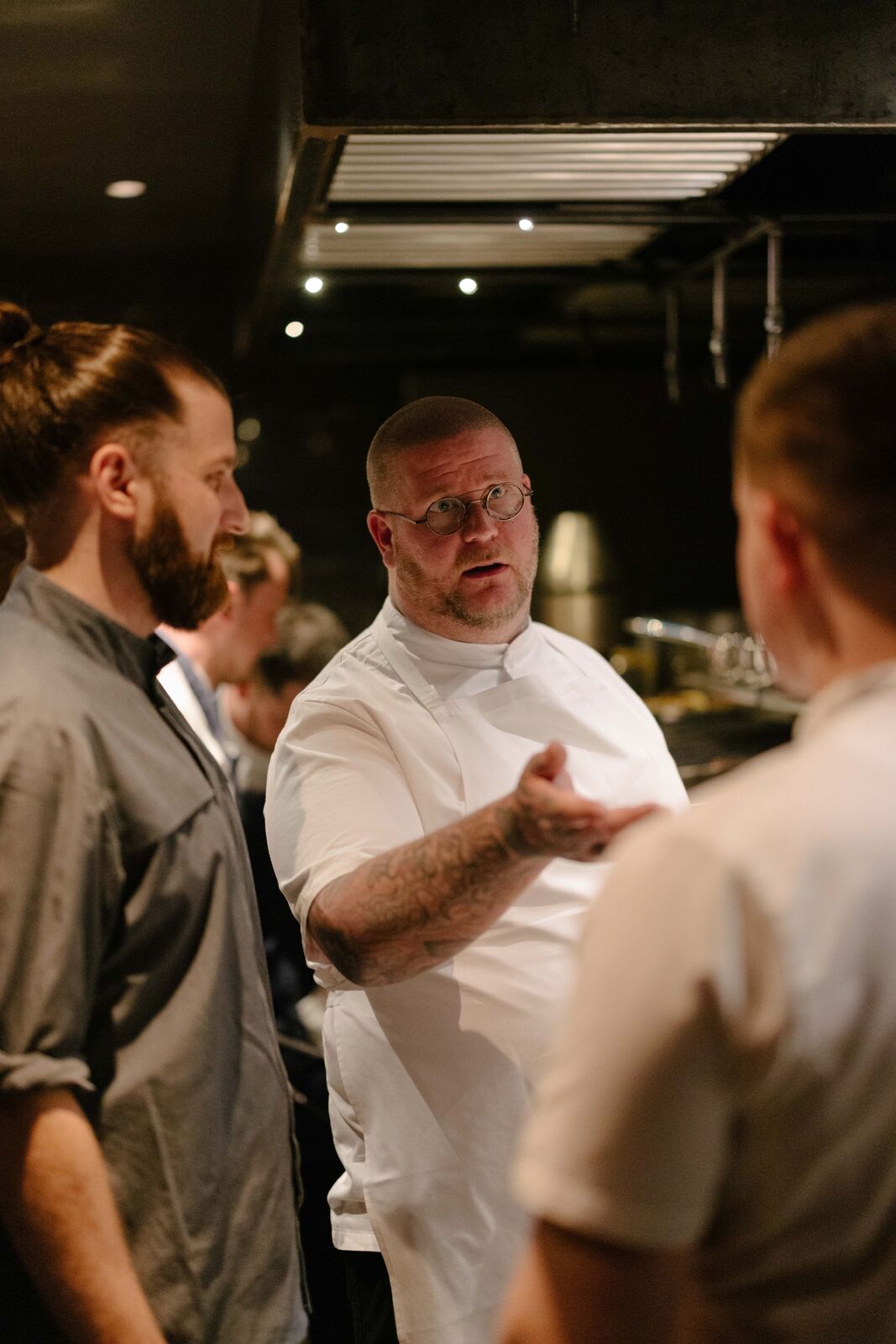
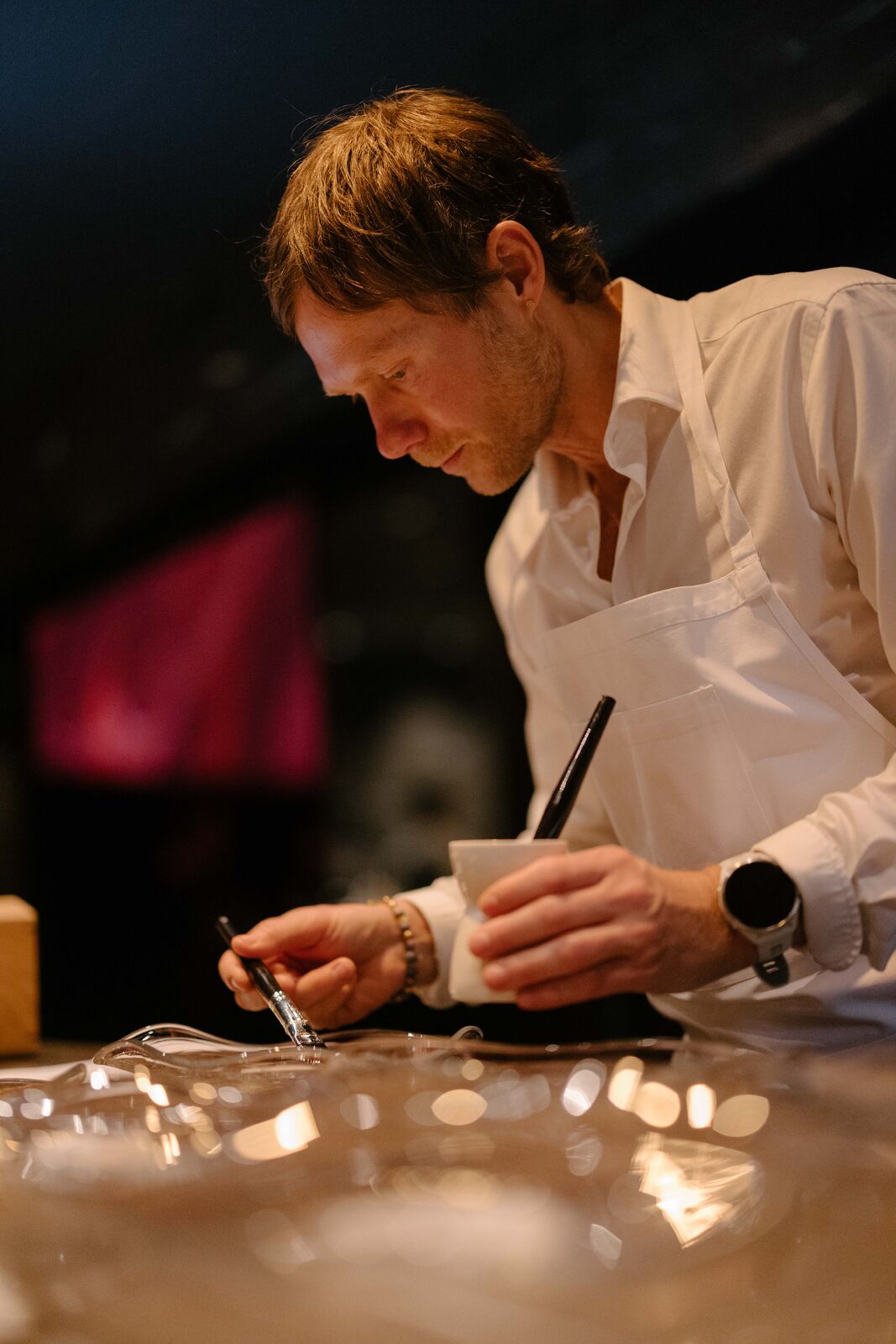
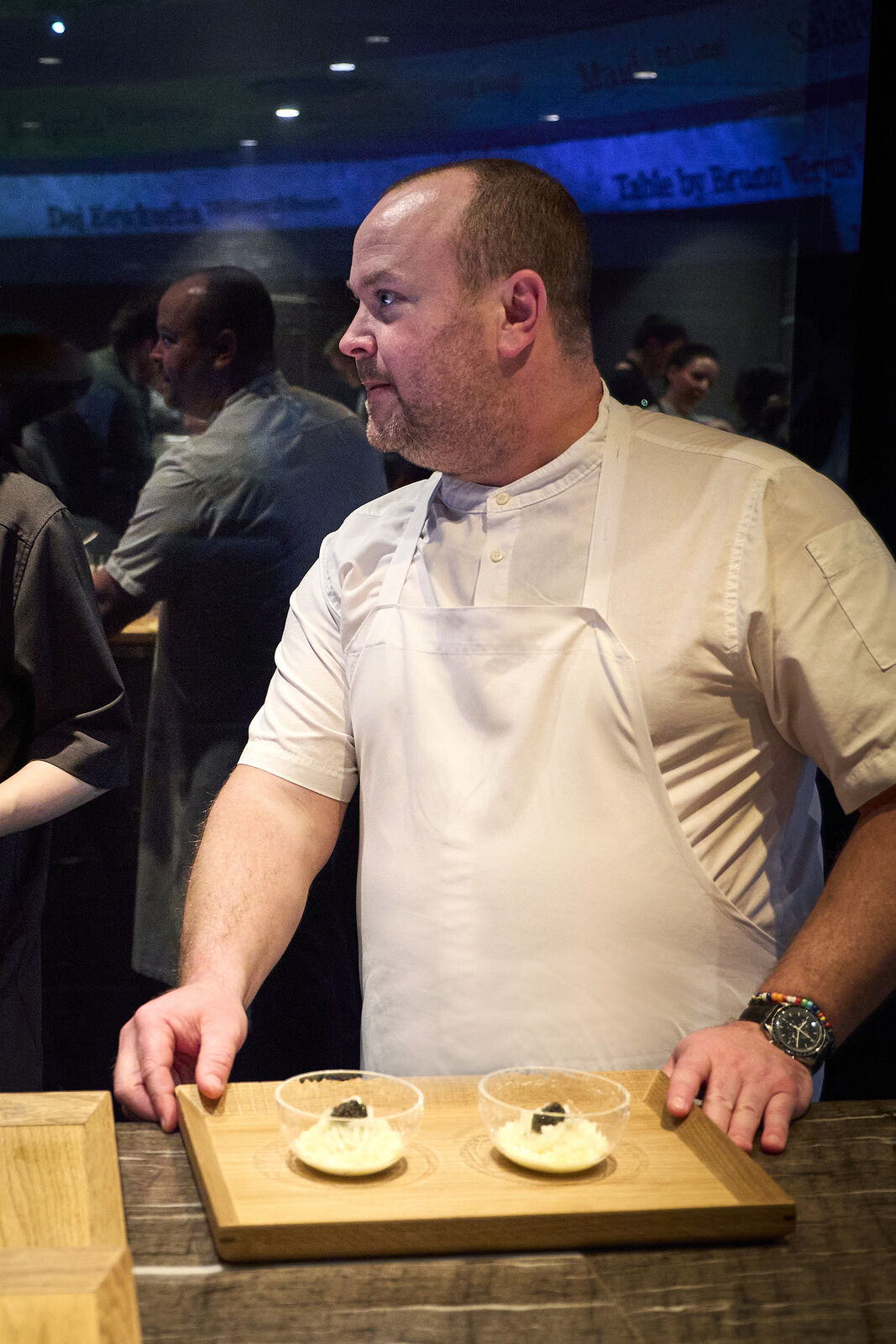
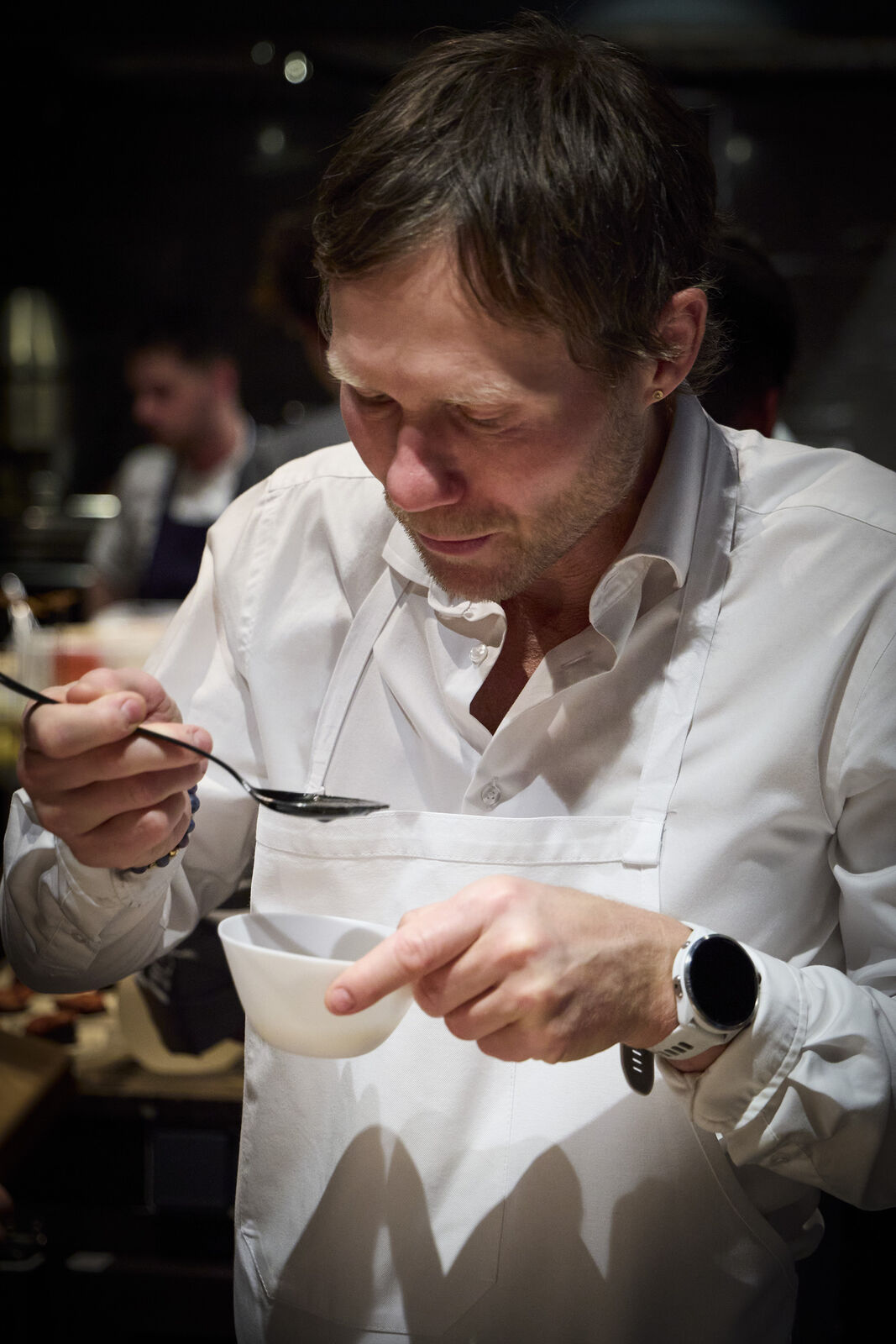
Each of the five evenings saw 12 to 14 international chefs cooking side by side at Alchemist, presenting their signature dishes in collaborative dinners unlike anything previously staged in Copenhagen. 

Participants arrived from gastronomic capitals such as New York, Barcelona, Bangkok and Tokyo, alongside rising culinary destinations including Lima, Cape Town, Mumbai and Quito. 

Denmark’s leading restaurants were naturally well represented, including KoanGeraniumJordnær and Kadeau. 

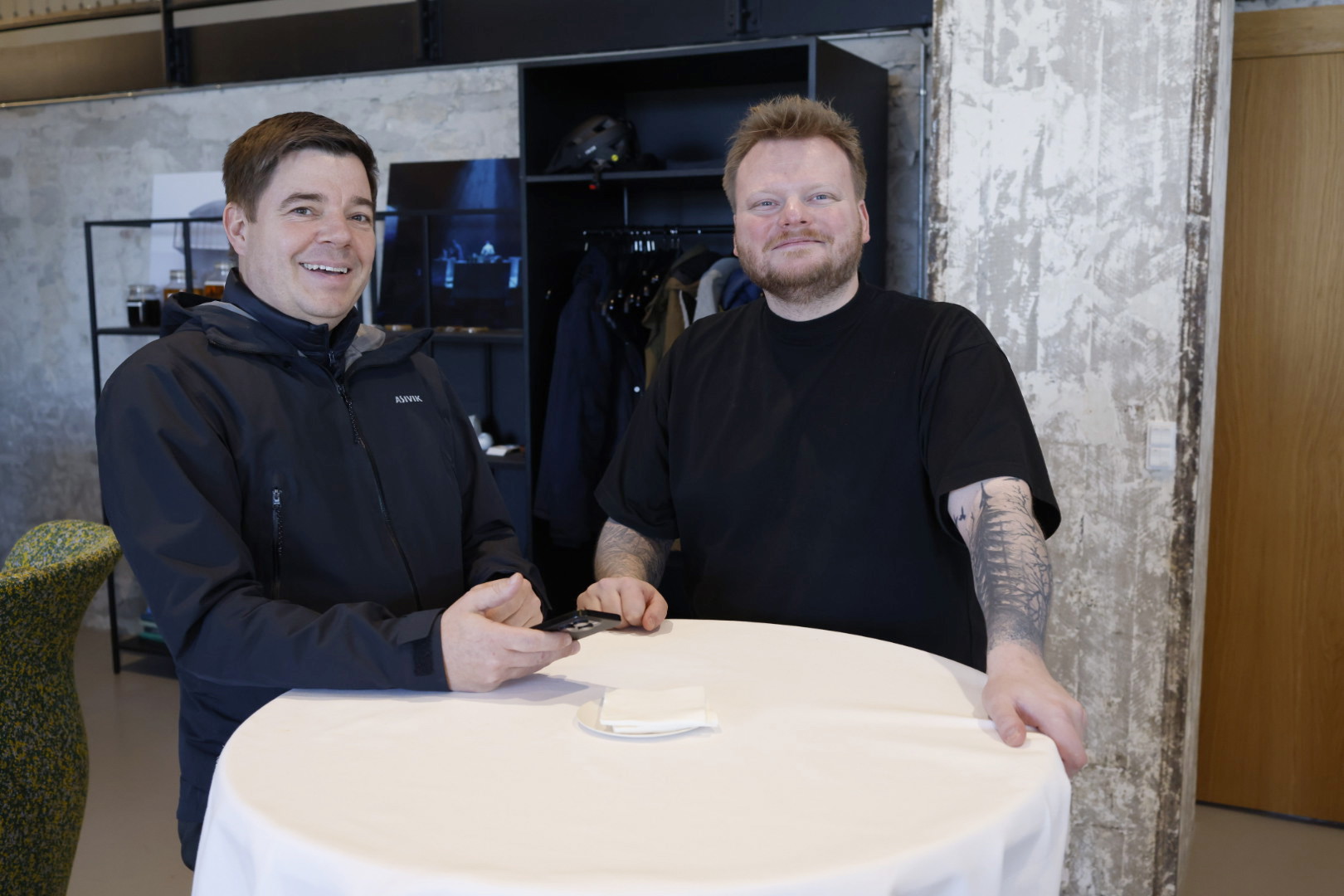
Sweden’s sole representative was Vyn's Daniel Berlin, making his appearance particularly notable among the international line-up. 

Ideas Shaping the Future of Food

Alongside the dinners, Convergence unfolded as a large-scale symposium hosted at Spora, Munk’s innovation hub dedicated to sustainability, science and food systems. 

One of the most talked-about moments came when Spanish chef Ángel León shared the next chapter of Aponiente. 

León outlined what he described as Aponiente 2.0—a future driven even more strongly by research, marine ecosystems and environmental responsibility. 

Aponiente has always been a place of research,” León said. “But now we are entering a phase where cuisine is no longer the center. It’s about awareness, territory and taking on responsibilities we often prefer not to see.” 

Gastronomy as Art

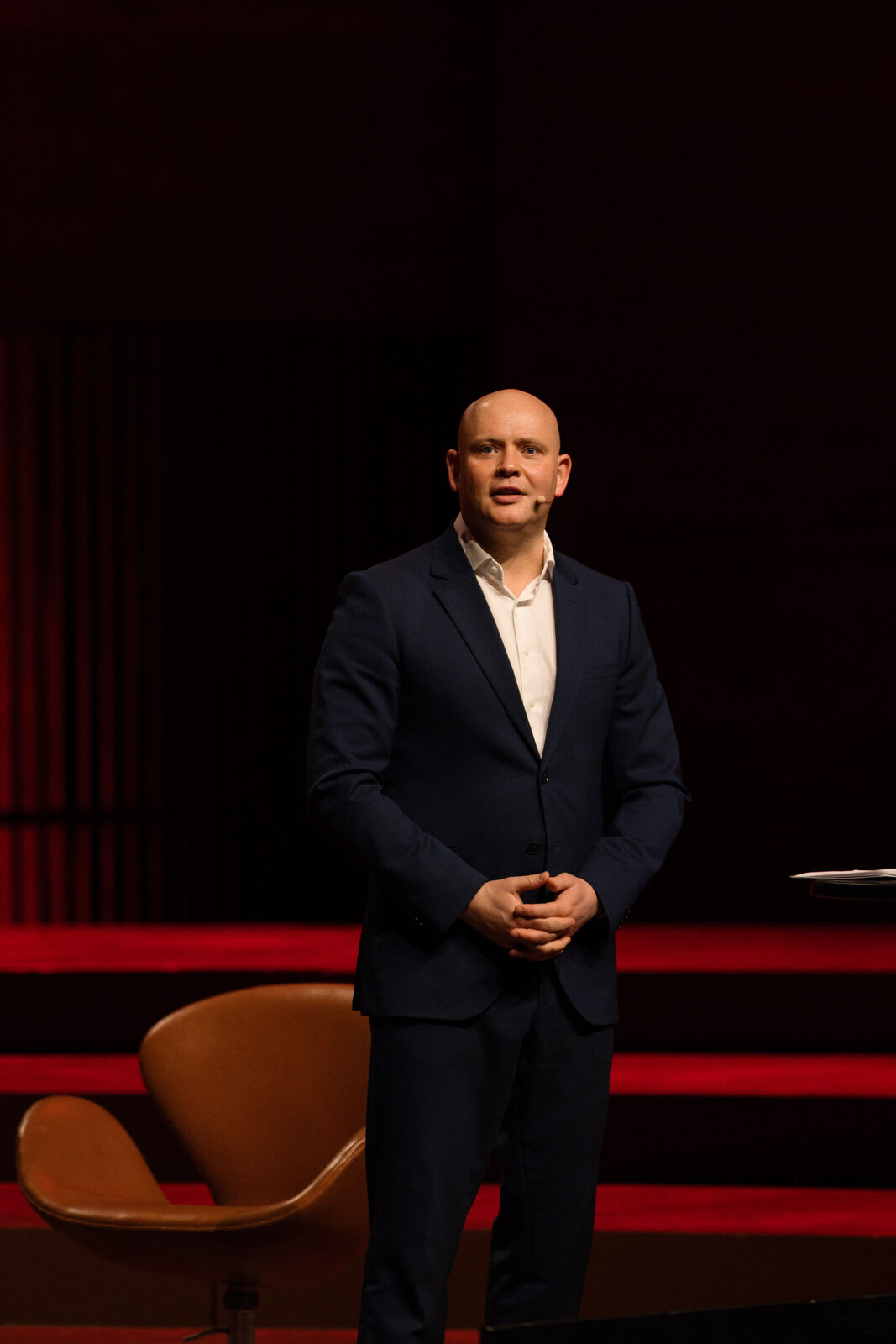
A defining highlight was an announcement by Denmark’s Minister of Culture, Jakob Engel-Schmidt, who shared that the Ministry of Culture would explore whether gastronomy can formally be recognized as an art form. 

“When gastronomy is experienced at the very highest level, it is much more than food. It is art,” Engel-Schmidt said. “Denmark is a country with world-class gastronomy, and it is natural to investigate whether we can recognize it as an artistic discipline.” 

If realized, the move would mark a historic shift in Danish cultural policy and further cement Denmark’s role as a global gastronomic leader. 

A new annual gathering

Beyond its high-profile dinners and speakers, Convergence succeeded in opening elite gastronomy to a broader audience—engaging chefs, students, producers and the public in conversations about culture, sustainability and creativity. 

And this was only the beginning. 

“We plan for Convergence to return every year,” Munk said. “It should serve as a platform for dialogue, collaboration and cultural exchange—across gastronomy, art and society.” 

After five intense and inspiring days, Convergence left Copenhagen energized—not only as a host city, but as a true crossroads for the future of global gastronomy. 


Tove Oskarsson Henckel
Find out more
1 / 12