Skip to content
© Piret Hanson

Gobi's Chef's Table – an experimental laboratory for Georgian cuisine

Restaurant
Nordics

Traditional Georgian cuisine is popular the world over. New Georgian cuisine, on the other hand, is virtually non-existent. You won't find it in Georgia itself, or in the big cosmopolitan cities. And yet, you can find it in Tallinn, Estonia. Falstaff went there to investigate.

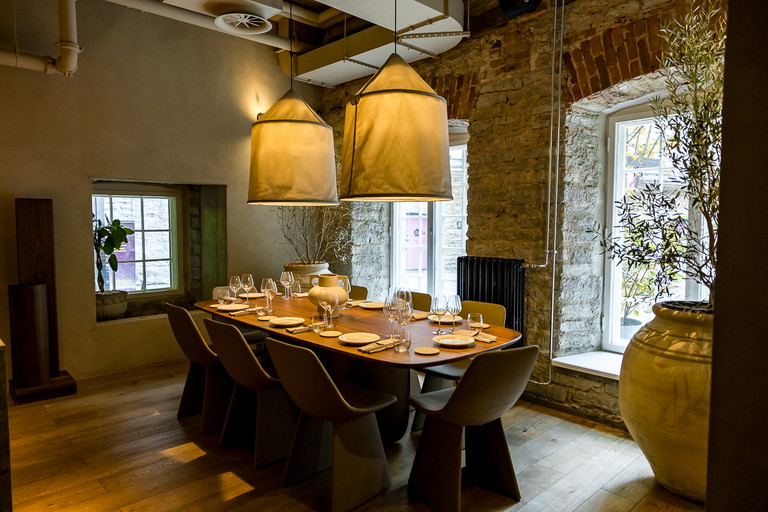
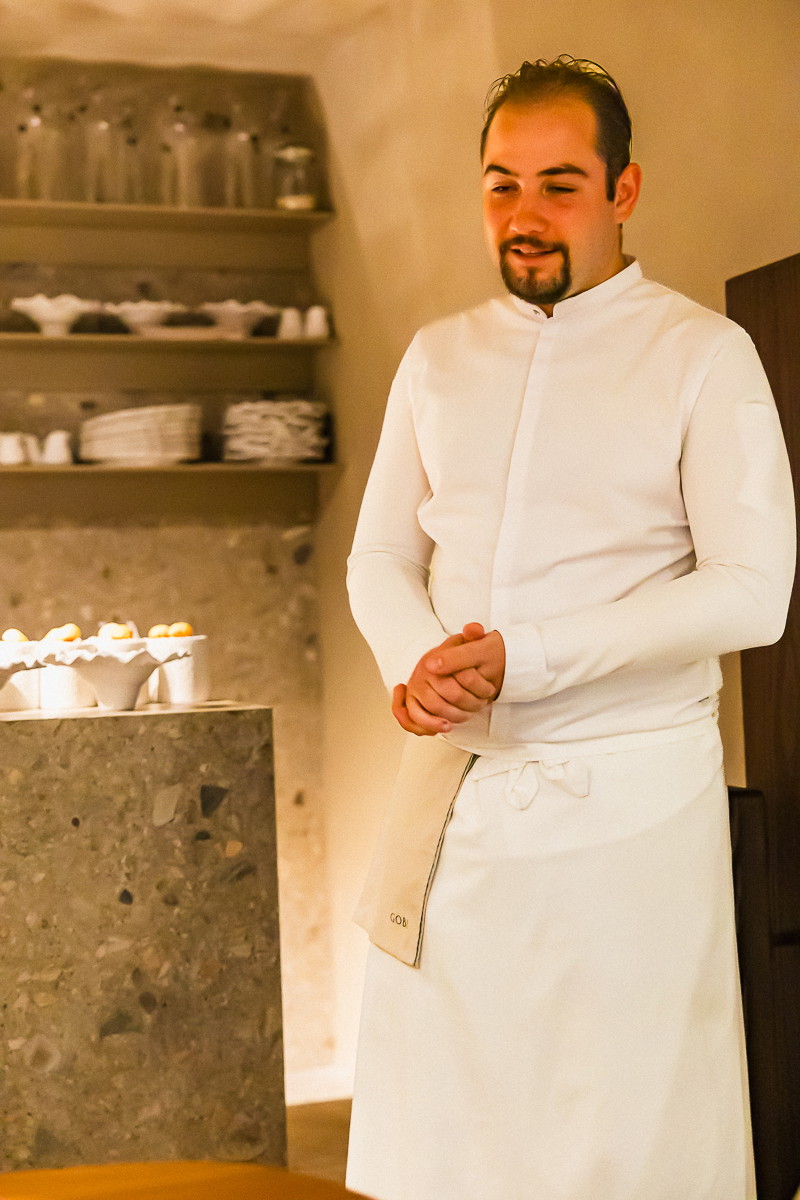
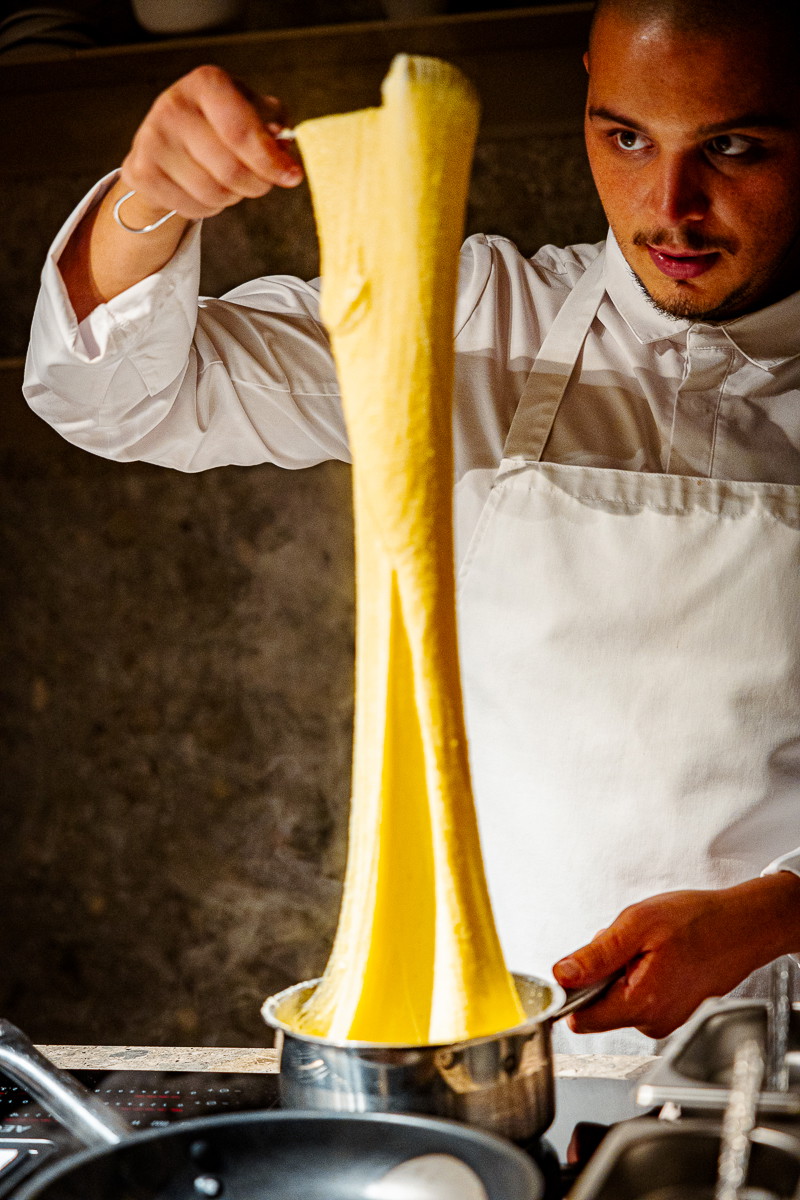
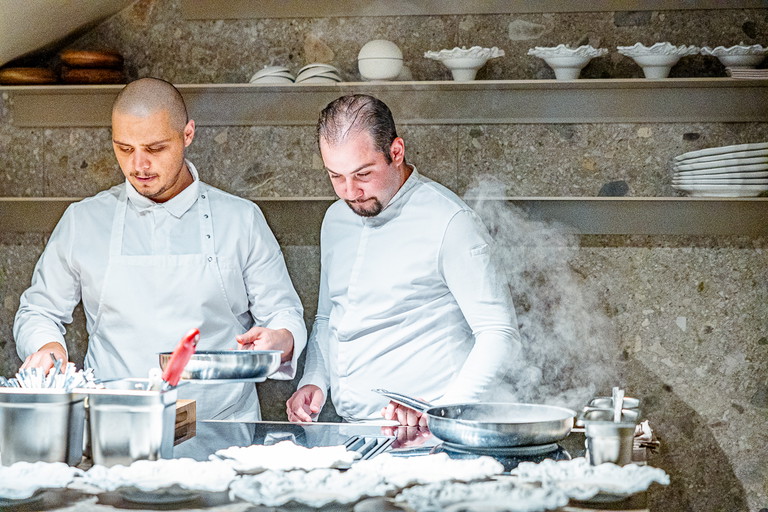
"Gobi" is Georgian for a wooden stool from which food is served. It is also the namesake of a unique restaurant in Tallinn –and unique is no exaggeration. It's one of the few places that experiments with new Georgian cuisine, offering a chef's table where six to eight guests can enjoy dishes prepared in front of them that no one else has ever tried before.

©Piret Hanson
©Piret Hanson

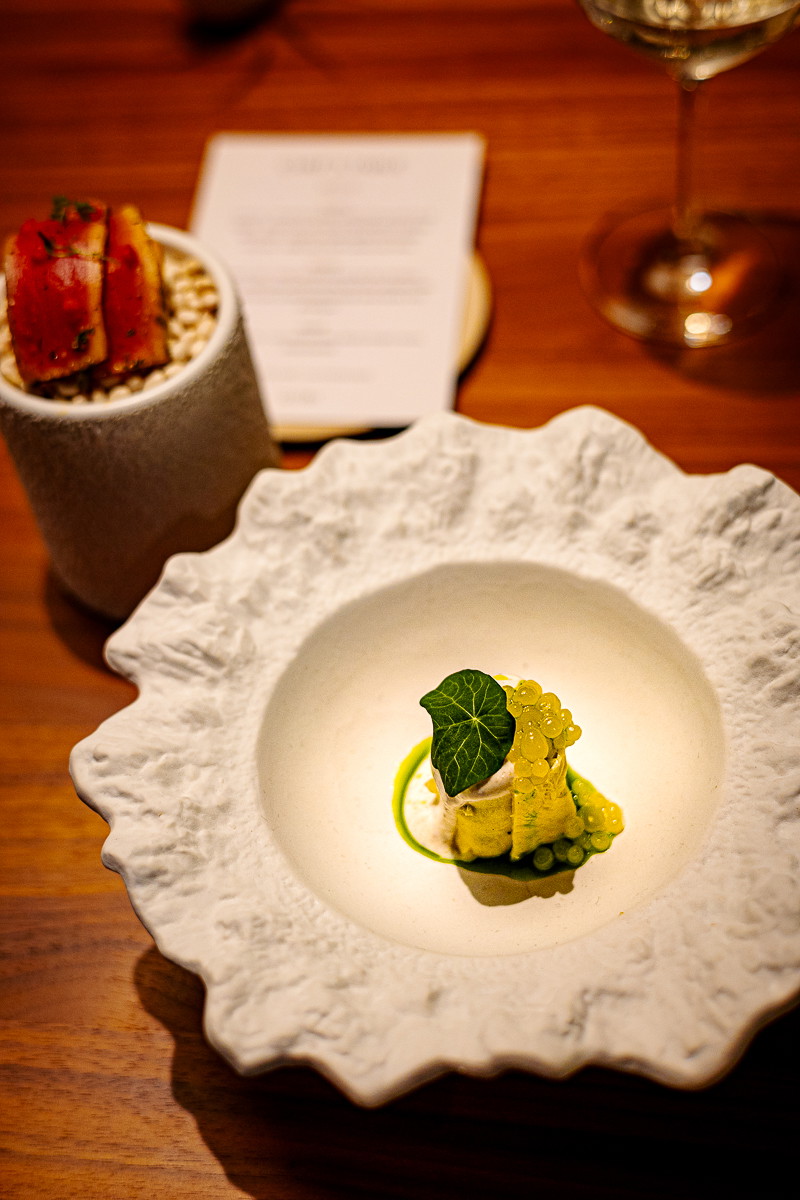
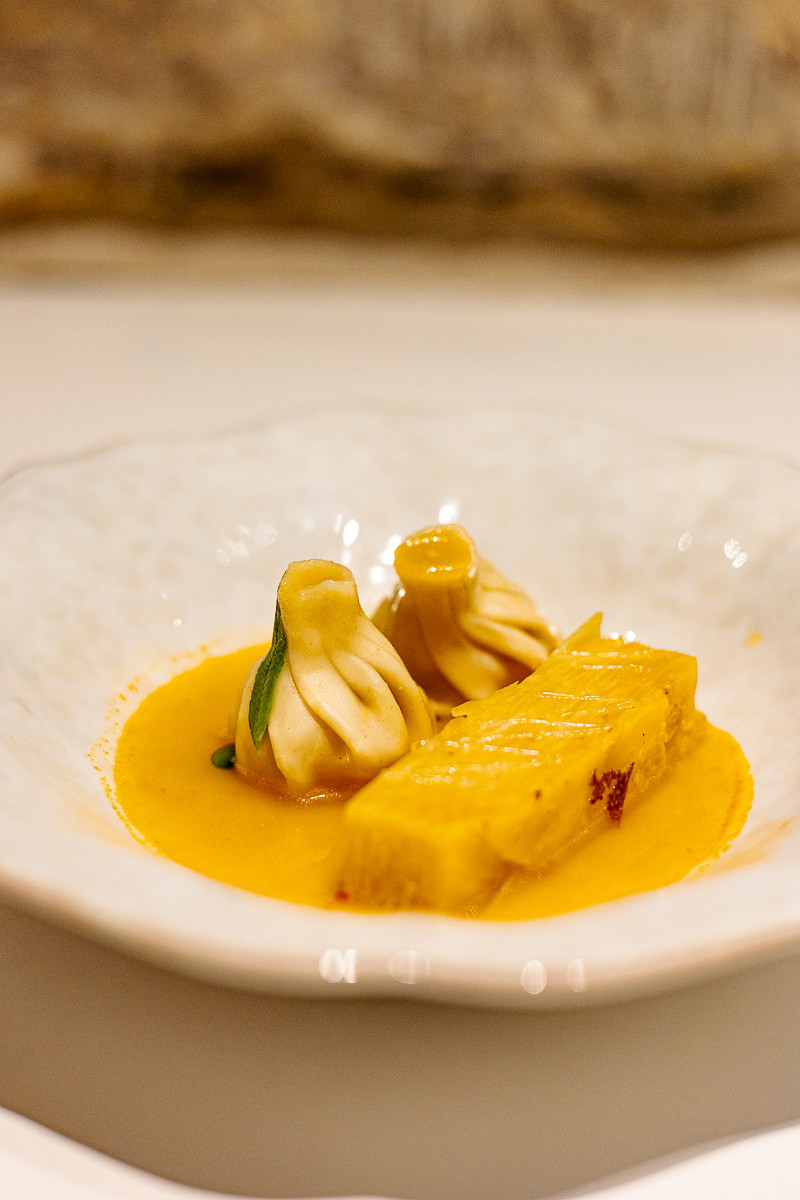
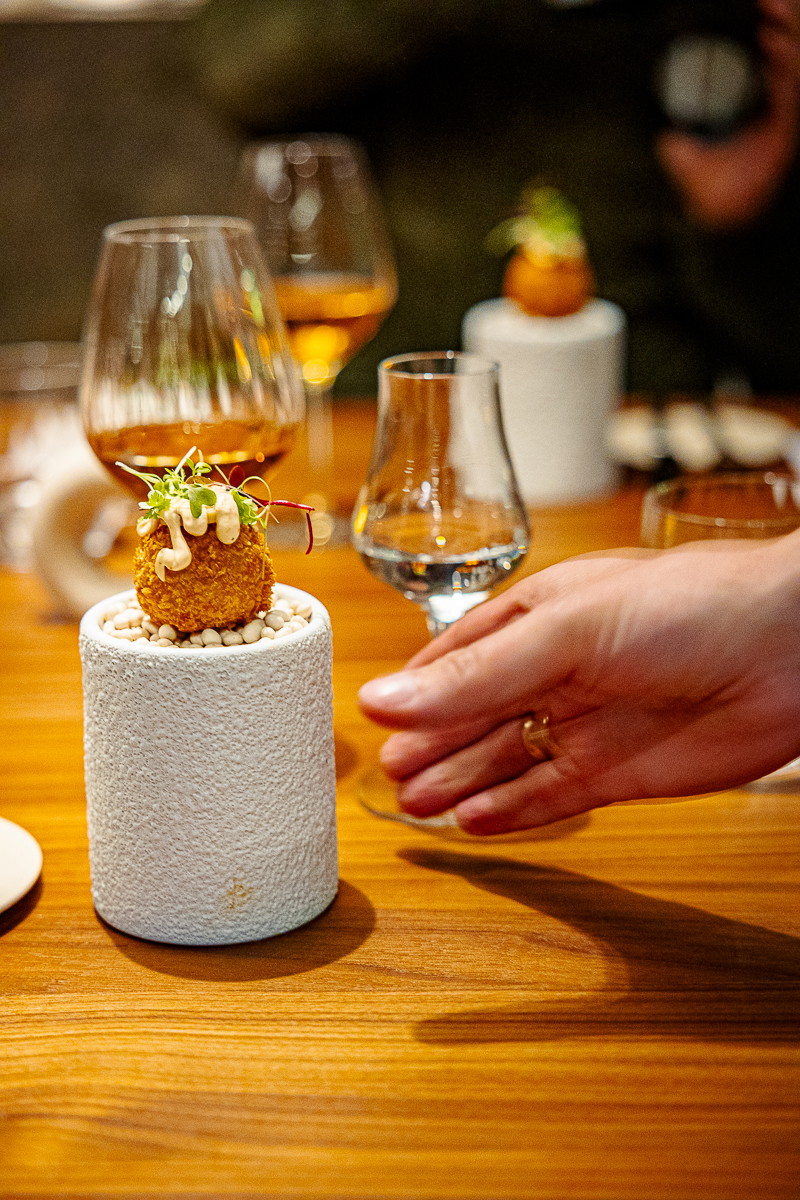
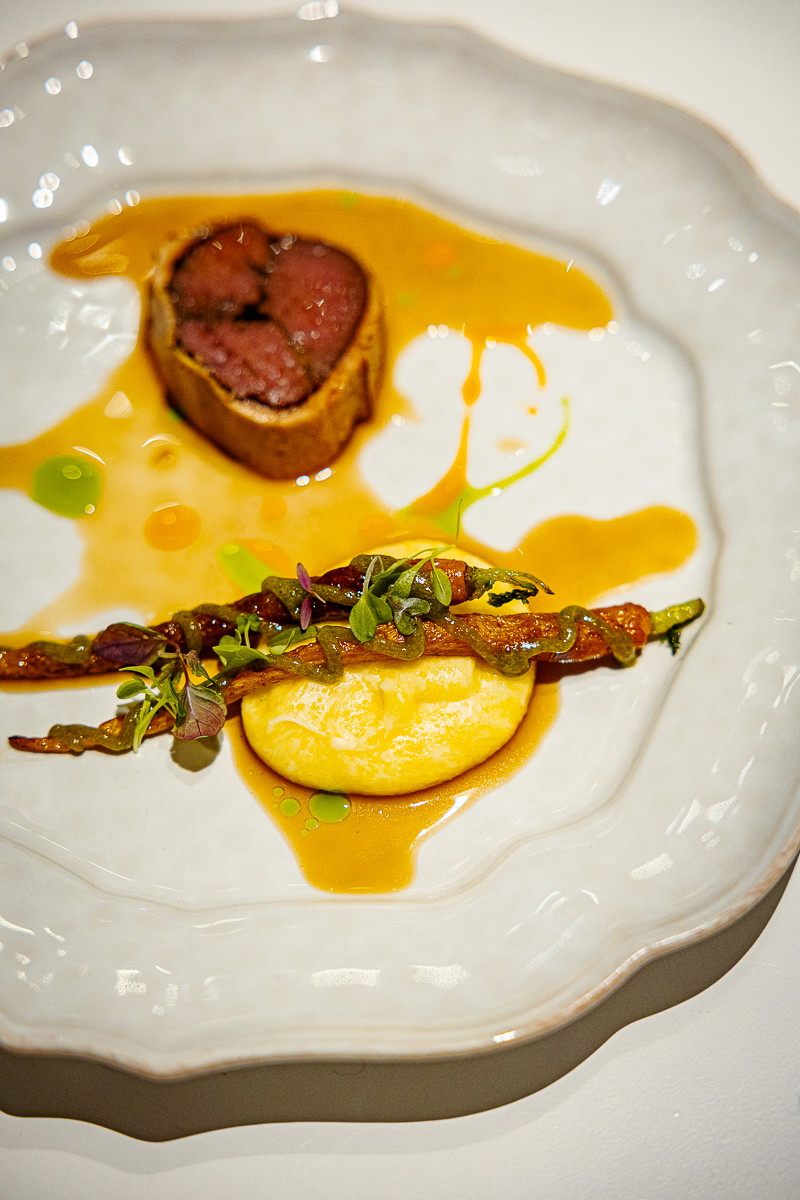
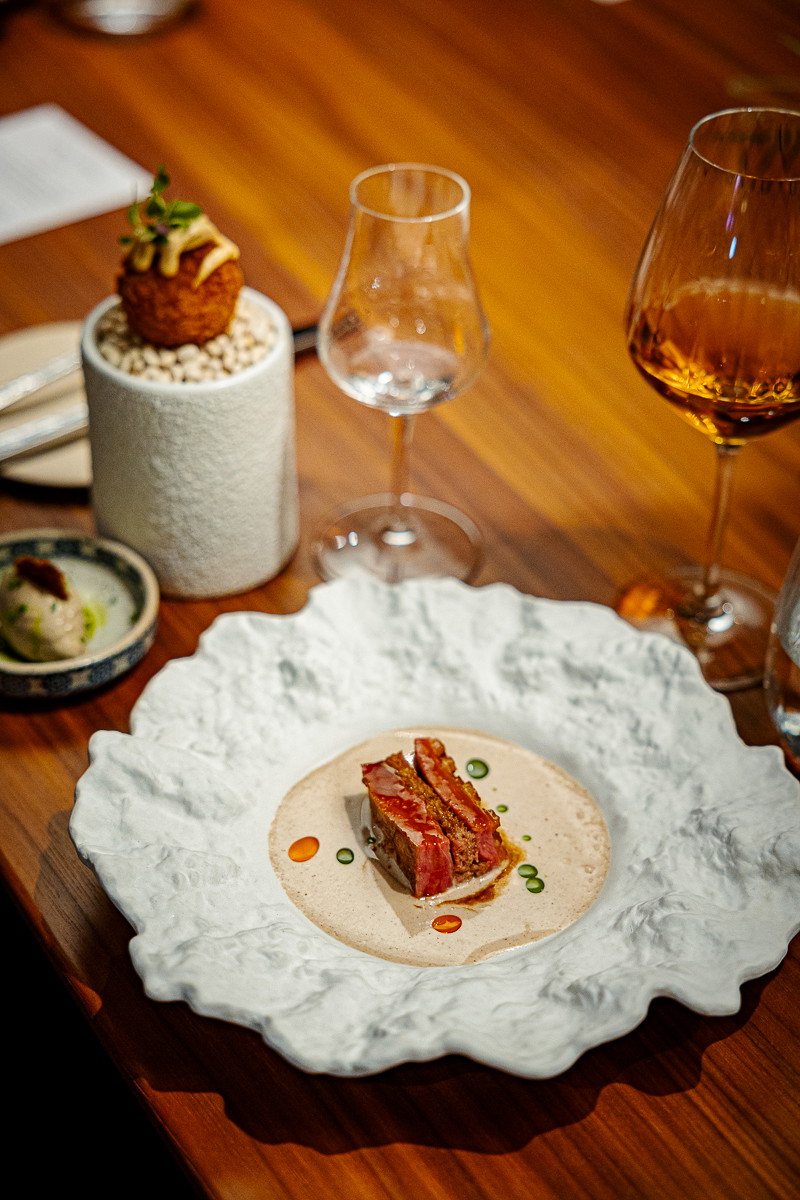
Japanese ponzu sauce with Georgian adjika flavors. Hinkalis in kombu broth. Khartcho soup has become espuma, while saperavi is served as soup instead of wine. Many of the traditional elements of Georgian cuisine are present, but flavors from the rest of the world are there too, refusing to fall by the wayside. Is this still Georgian cuisine? Or is it rather a fusion of many different culinary cultures?

These are questions that every diner has to ask themselves, and the restaurant's chef, Luka Khinkiladzet, is very interested in the answers. Considering that the Chef's Table experience costs €250 a head and is bookable only for a minimum of five and no more than eight adventurous diners, anyone willing to participate in the experiment must be a serious food lover.

The chefs are happy to elaborate on the dishes they cook, creating a completely different kind of expectation in each patron – and an irresistible urge to say what they think after tasting. Dishes that receive universal acclaim find their way onto the tasting menu in the restaurant on the other side of the curtain, making guest feedback an essential part of the Chef's Table experiment.

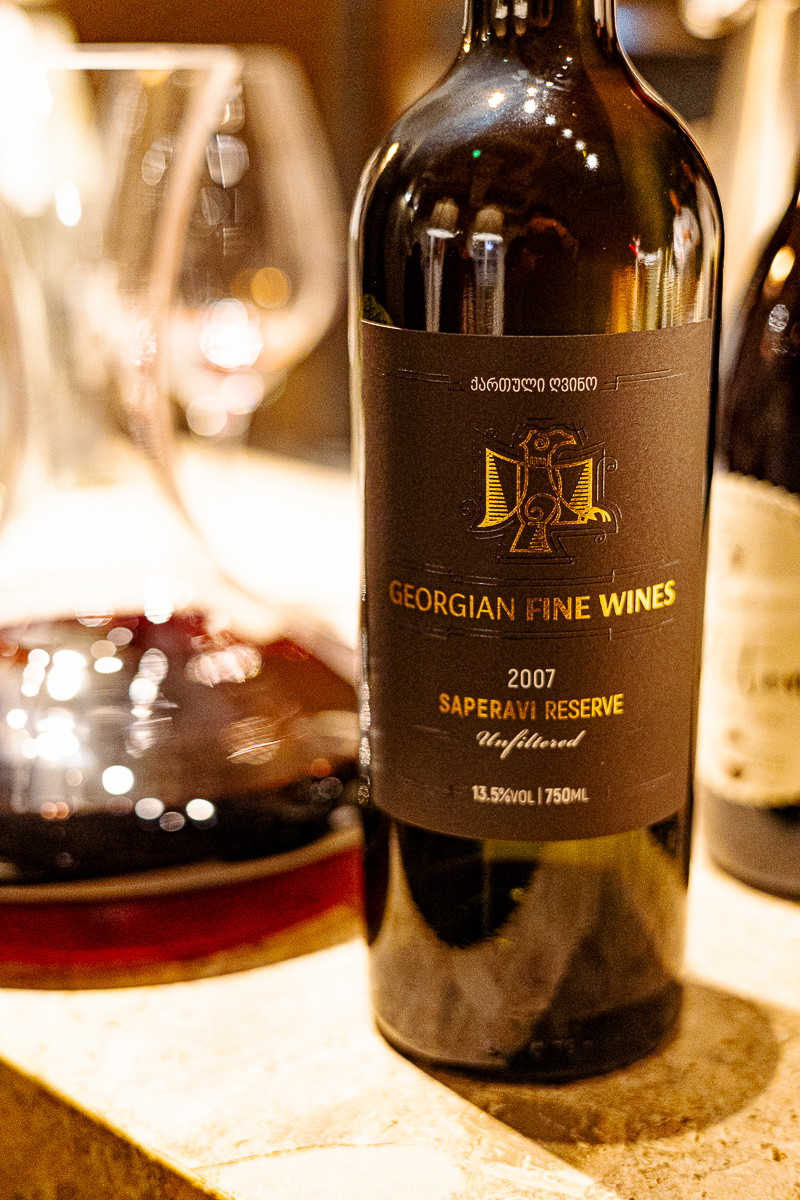
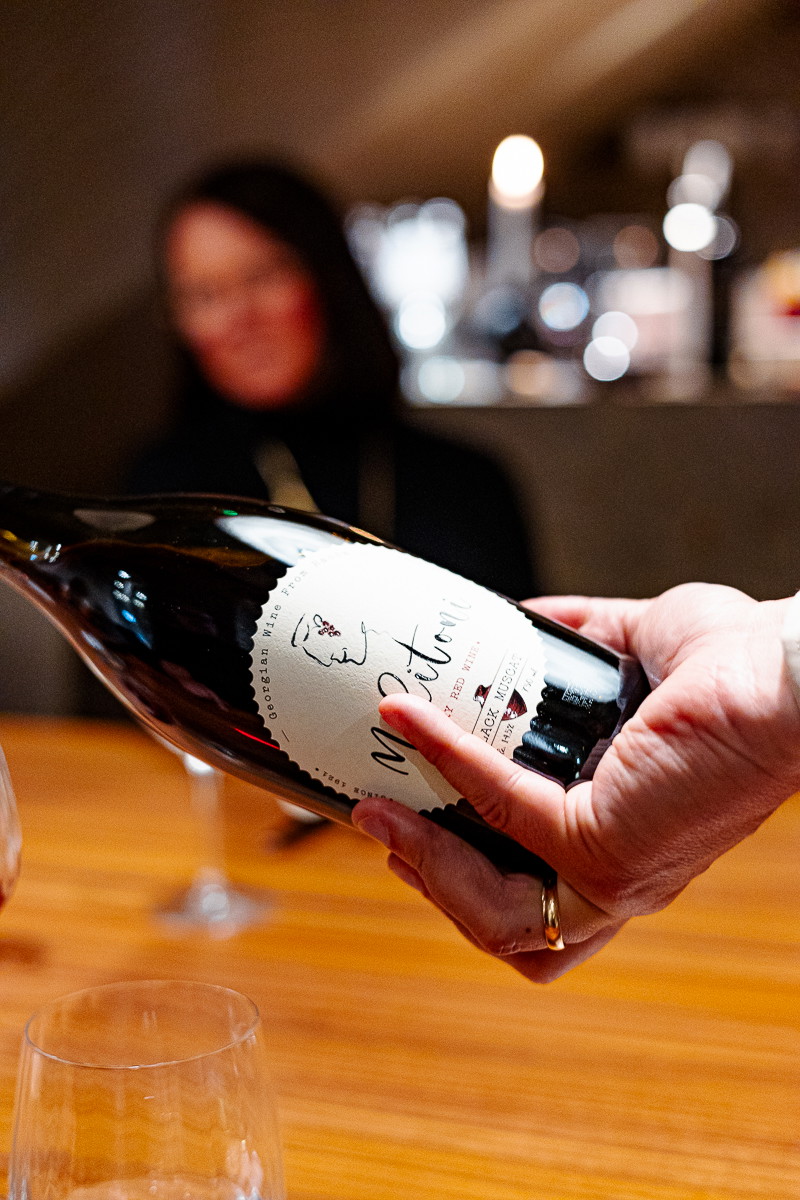
The wines served at the Chef's Table are undeniably Georgian. They are also likely to be the kind that you have never had the pleasure of drinking before, as they are also experimental products from very small producers. The general public has certainly heard about Georgian wines, but few have experienced them; and Gobi is one of the few places you can find them outside of the trendy cellars of Tbilisi. If you get the chance, they are definitely worth a try. The fusion of Georgian and European winemaking traditions produces impressive results.

Georgians claim that their nation boasts the largest number of indiginous grape varieties – many of which grow only there. Indeed, winemaking is a way of life in Georgia, offering a treasure trove of unexpected tastes and exclusive experiences – like wine made from a varietal that only grows in a single Georgian village. The vintages served at the Chef's Table are therefore as exclusive as the food itself.

The menu at the Restaurant caters more to traditional Georgian food lovers, unless they order a tasting menu. Here, the dishes have a clearer connection to their origins, but no one can escape new flavors at Gobi. Why are there only a handful of restaurants like Gobi that are dedicated to new Georgian cuisine? Like Italy, Georgia has a deep respect for tradition. Challenging convention is severely criticized and practically impossible. So if you want to taste the cutting edge of Georgian cuisine, go to Tallinn instead of Tbilisi.

©Piret Hanson
©Piret Hanson

DON'T MISS OUT!

Sign up now for our newsletter.

Aivar Hanson
Author
Find out more
1 / 12