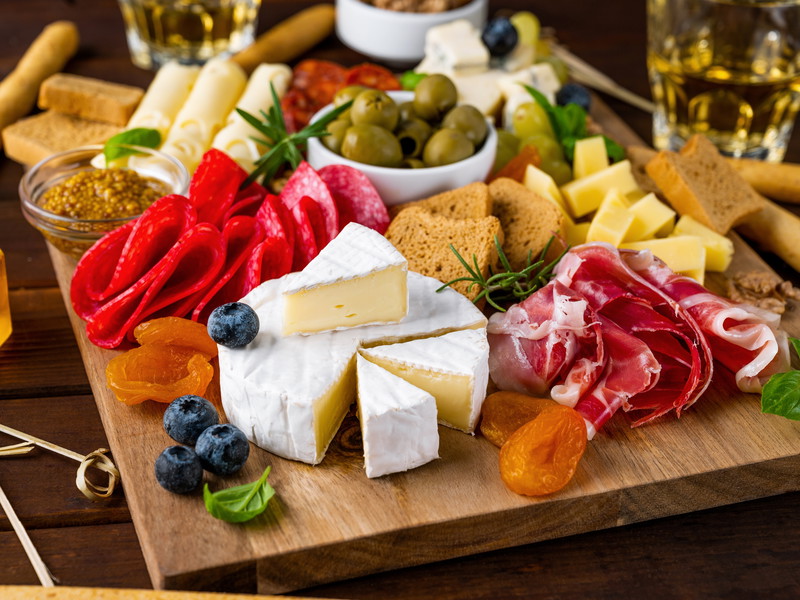
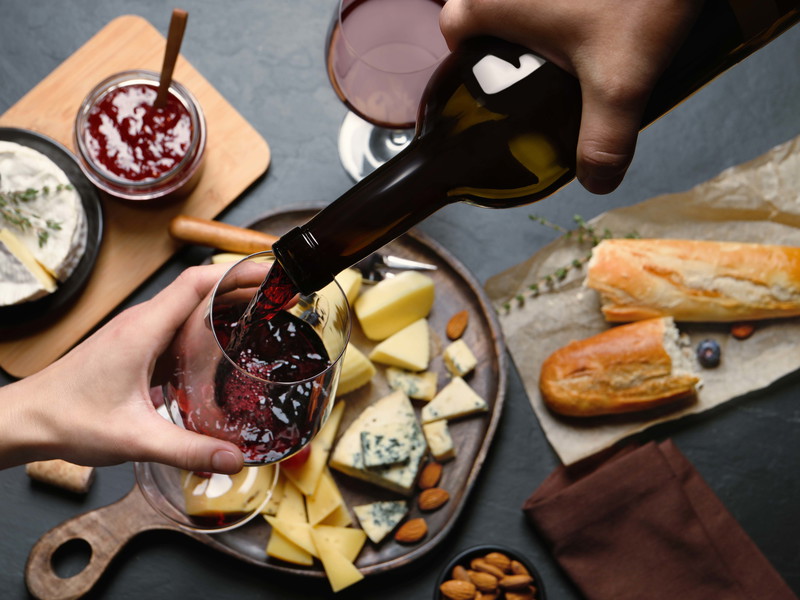
A charcuterie board is, at its core, an artfully arranged platter of cheeses, cold cuts, and fruit or vegetables—a delight for the eye and the palate. While the term derives from the French word for “charcuterie” (translation: cold cuts), it has evolved to describe a vibrant assortment of small bites presented on a board that is pleasing to the eye and is meant to be shared it. Its popularity has surged in recent years. Whether enjoyed during a laid-back evening with friends, at a picnic, or as a showstopping centerpiece for a party, a great charcuterie board is versatile, eye-catching, and encourages sharing.
To learn how to elevate a simple cheese platter into a true culinary statement, we turned to Emmy Rener (@sophisticatedspreads). With more than 118,000 followers on Instagram and 333.6K on TikTok, Rener has built a devoted audience around her passion for cheese boards, grazing tables, and creative recipes.
Variety Is Everything
“For every cheese board I make, I’m looking for a mix of textures, flavors, and colors,” Rener says. That means pairing soft, hard, mild, bold, creamy, and aromatic cheeses for a dynamic tasting experience. Her rule of thumb: number of guests ÷ 2 = number of cheeses—so for 10 guests, aim for five types of cheese and three types of cold cuts.
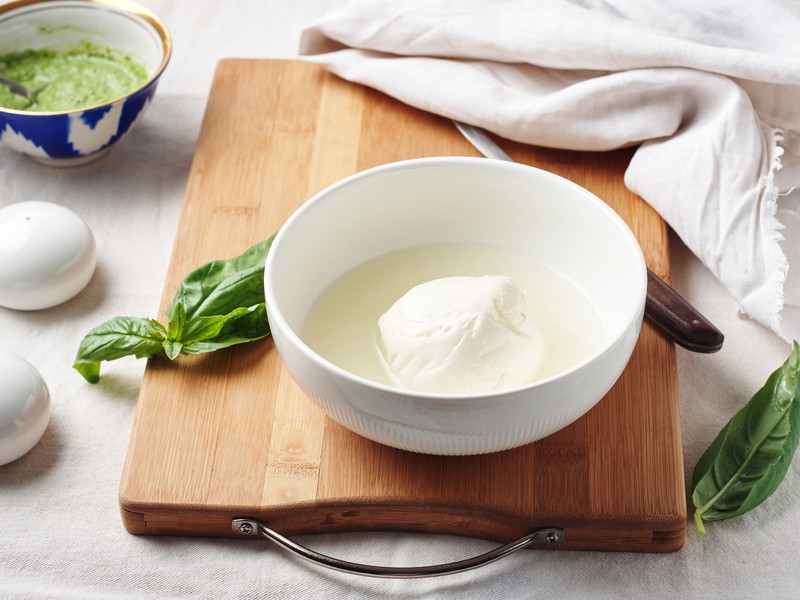
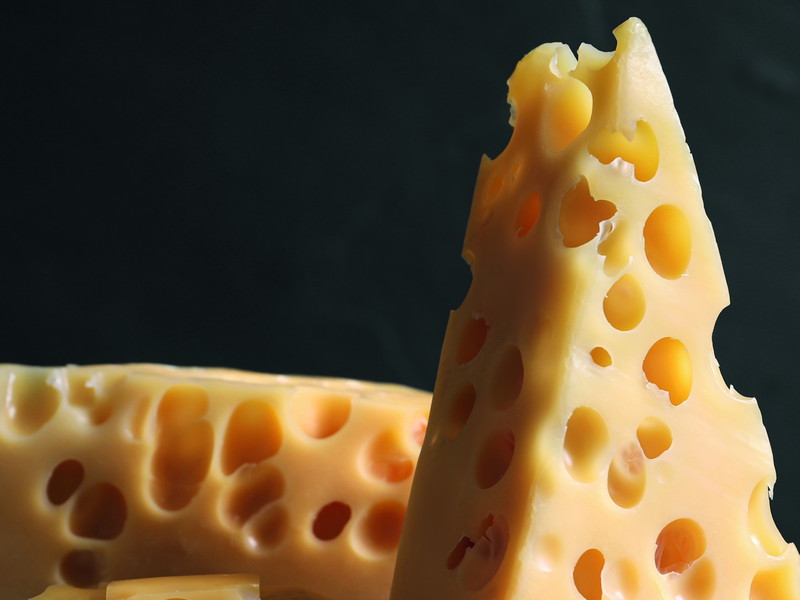
Curating the selection with intention pays off. A strong blue cheese or a red smear option offers aromatic contrasts, while a creamy goat’s cheese or triple crème brie adds a smooth aroma. A semi-soft cheese such as young Gouda or Cheddar provides balance, and a firm classic like Comté or Gruyère rounds off the board.