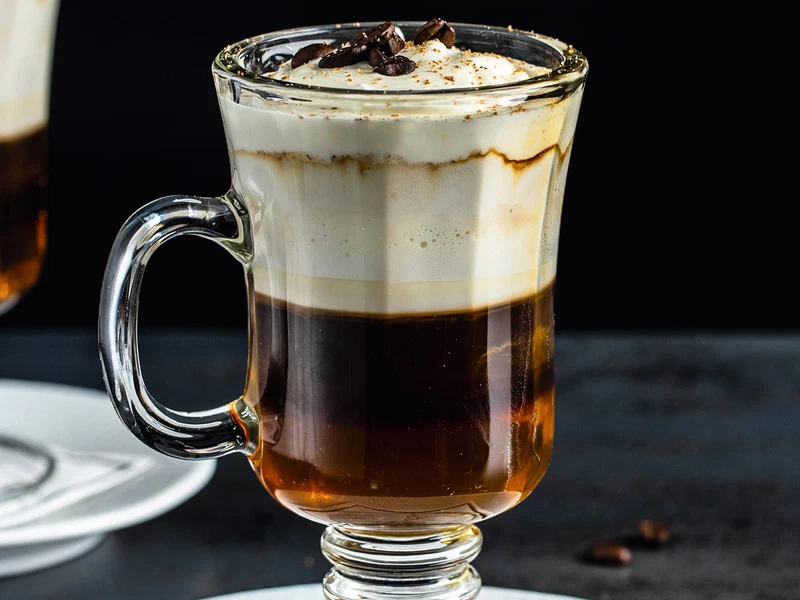
Music and coffee? That's the perfect recipe for a catchy tune. That's exactly what happened at this year's Eurovision Song Contest. And even though Estonian artist Tommy Cash only came in third with "Espresso Macchiato", he still managed to electrify Europe. The infectuous pop song with a jazzy undertone was the most clicked YouTube video among the ESC finalists – a viral success that has given the classic coffee creation unexpected popularity.
Espresso Macchiato
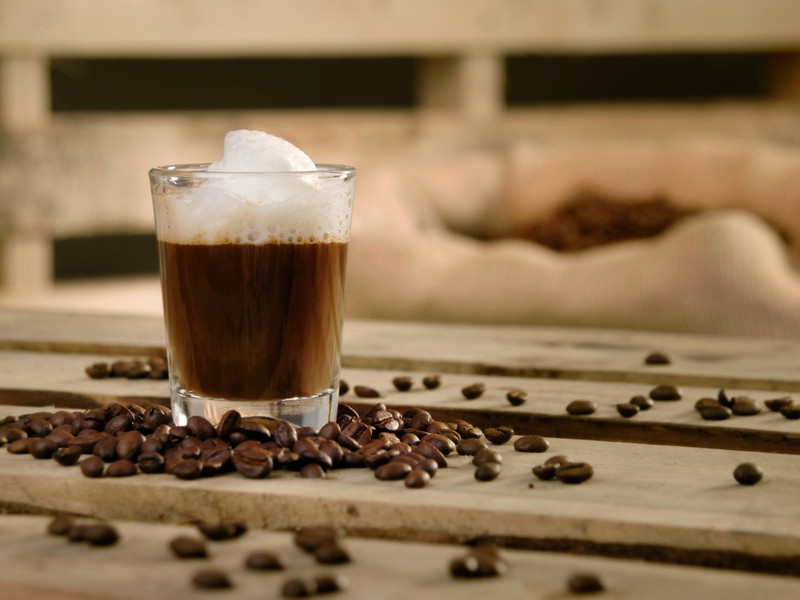
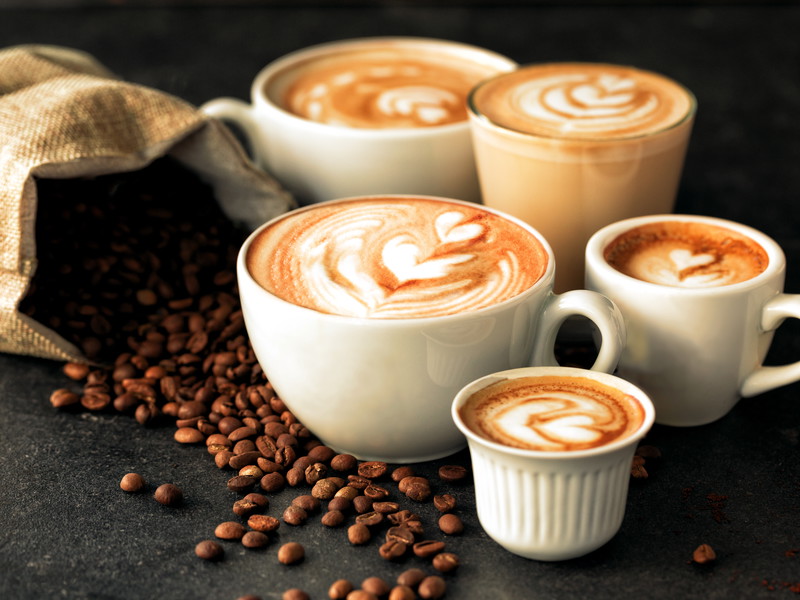
The espresso macchiato comes from Italy and literally means "stained espresso". This refers to a strong espresso that is "marked" with a touch of milk foam – just enough to take the edge off the bitter intensity without diluting the typical coffee flavor. It is the perfect choice for anyone who finds cappuccinos too creamy, but espressos too bitter.
How to make the classic
1. The beans are key
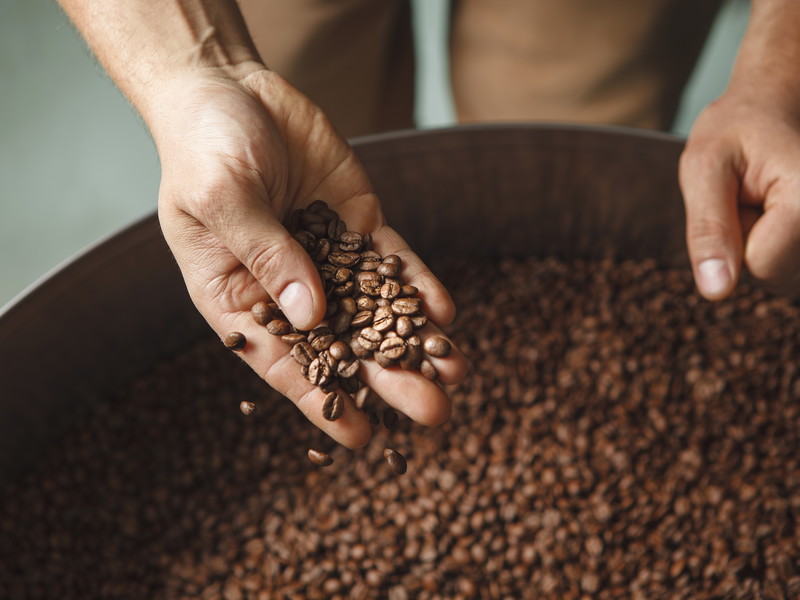
Choose high-quality Arabica or Arabica-Robusta blends with a medium roast level. Espresso thrives on its aroma, so freshly ground coffee is vital. If you don't have your own grinder, you should check the roasting date when buying and only store small quantities.
2. The machine sets the stage
A portafilter machine is ideal, but a good espresso pot (mocha pot) or a fully automatic machine can also be used to conjure up a decent espresso. Important: stick to 25-30 ml with a brewing time of around 25 seconds – this allows the full aroma to develop without any bitter substances.
3. The milk foam tops it off
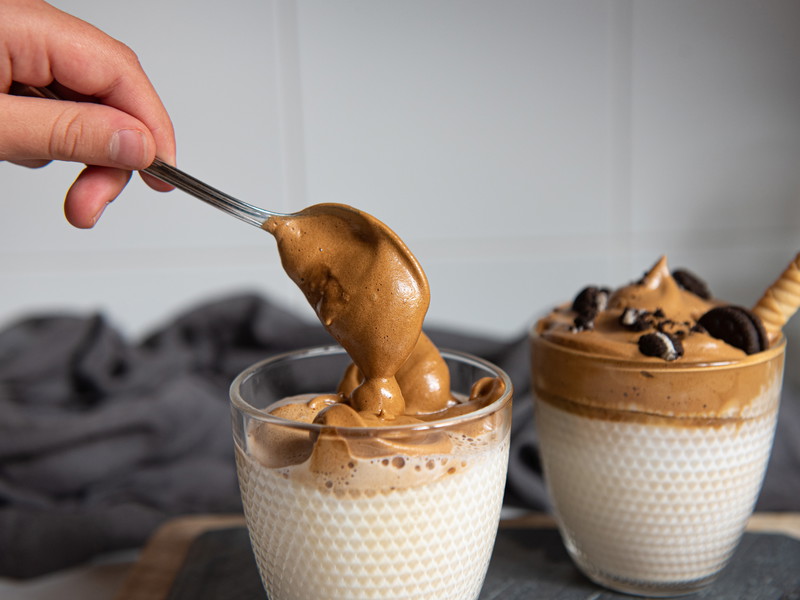
The foam should be finely-pored and creamy, not too hot (around 60-65 °C). The best way to make it is with a steam wand. If you don't have one, you can use a milk frother or shake the milk vigorously in a screw-top jar before warming it slightly.
4. The composition
First, pour the espresso into a preheated cup. Then use a spoon to add a dollop of milk foam on top. No latte art, and go easy on the milk – just a delicate accent is enough. Just "macchiato".