Skip to content
© Aukštoji Liškiava

Returning to Silence: How Aukštoji Liškiava Is Redefining Lithuanian Wellness

Lithuania
wellness
Gourmet

As wellness culture increasingly shifts away from excess and toward stillness, places built around silence, nature, and emotional balance are gaining new meaning. In the forests of Dzūkija, Aukštoji Liškiava reflects this quieter direction — combining slow wellness, regional gastronomy, and a deep connection to landscape into an experience designed not to impress loudly, but to help guests reconnect with themselves.

Returning to Silence: How Aukštoji Liškiava Is Redefining Lithuanian Wellness

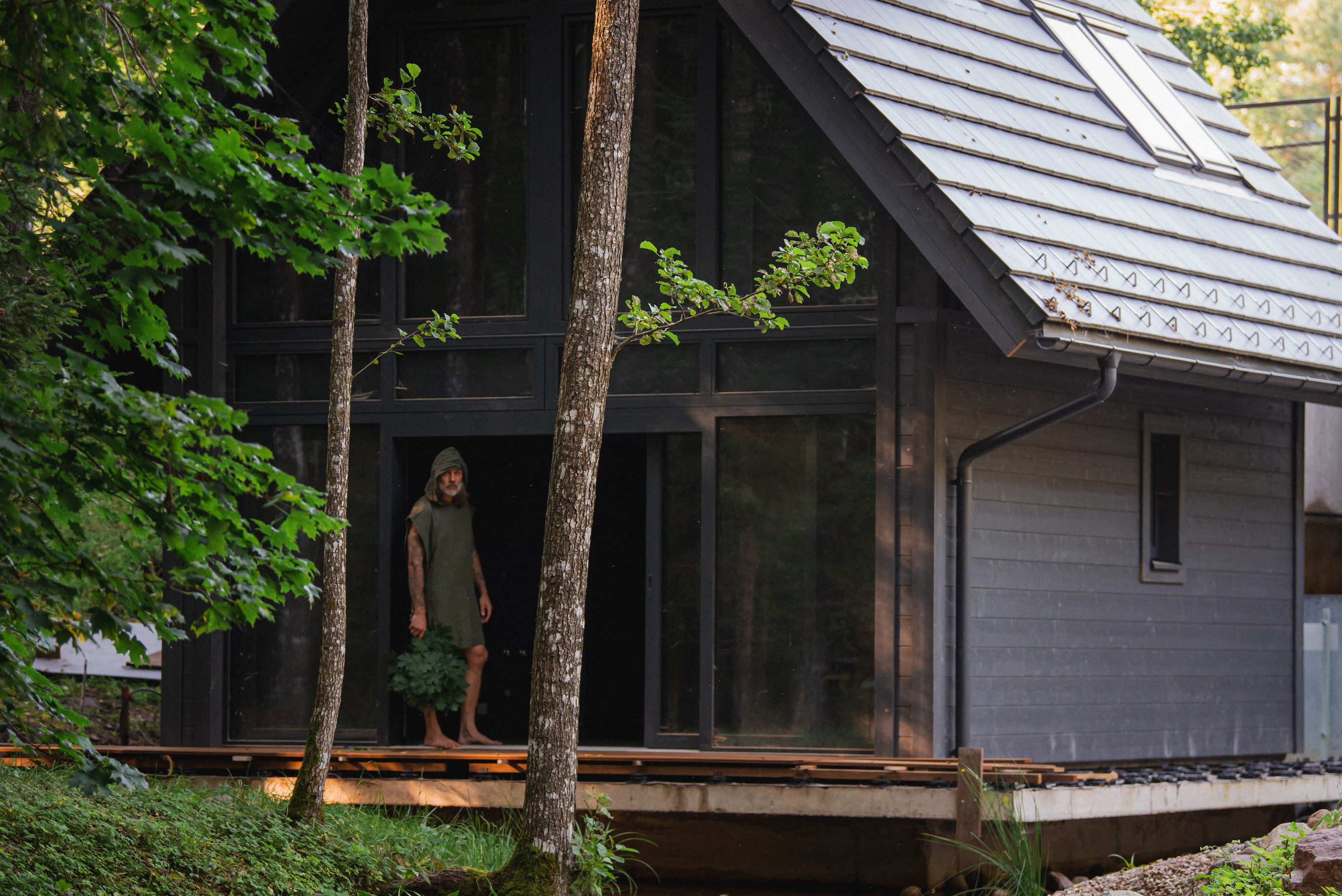
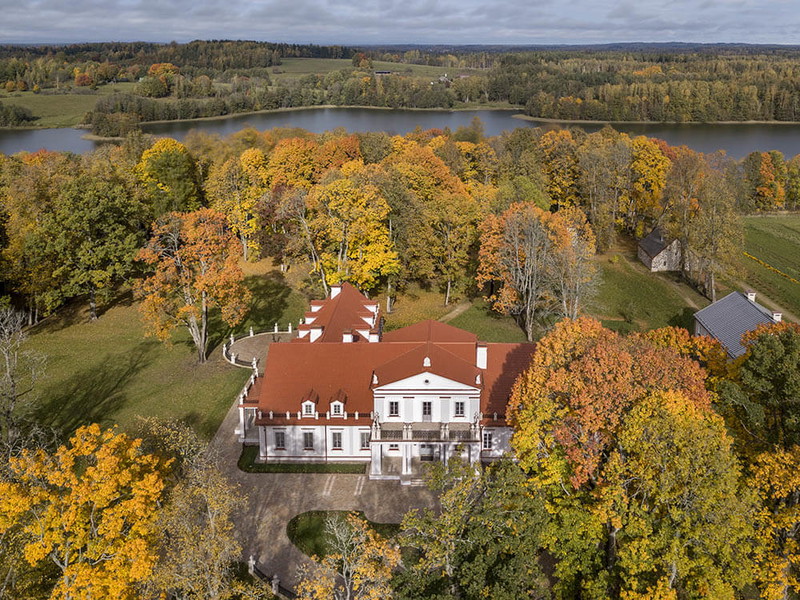
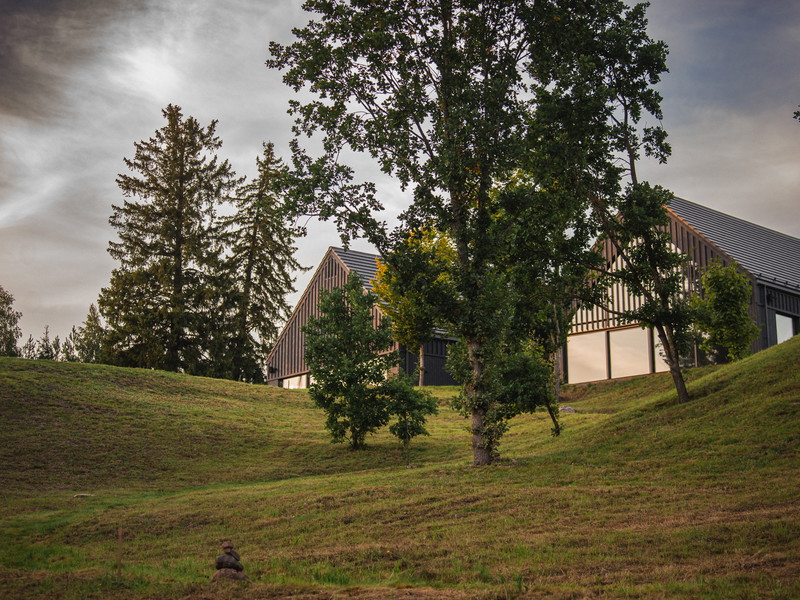
Among the pine forests and mist-covered meadows of Dzūkija, Aukštoji Liškiava was not created as a traditional SPA resort. It emerged instead as something quieter, more instinctive — a place shaped by landscape, silence, and the growing desire to step away from constant movement. The creators behind the project, Marius Valukynas and Tomas Glavinskas, describe the residence not as a luxury destination in the conventional sense, but as an experience designed around emotional stillness, sensory awareness, and a return to oneself.

A Place Where People Change

“That realization came very early,” they explain. “As soon as we started spending more time here, we understood that a traditional hotel model — where the main focus is the number of rooms or treatments — simply would not work in this place. Nature dictated a completely different rhythm.”

The founders say the most important aspect of the project became not the infrastructure itself, but the emotional state guests carry home afterwards. “We wanted to create a place where a person does not simply stay overnight, but truly shifts — physically and emotionally.”


“We wanted to create a place where a person does not simply stay overnight, but truly shifts — physically and emotionally.”

Marius Valukynas and Tomas Glavinskas

Founders of Aukštoji Liškiava

Marius Valukynas and Tomas Glavinskas

Founders of Aukštoji Liškiava

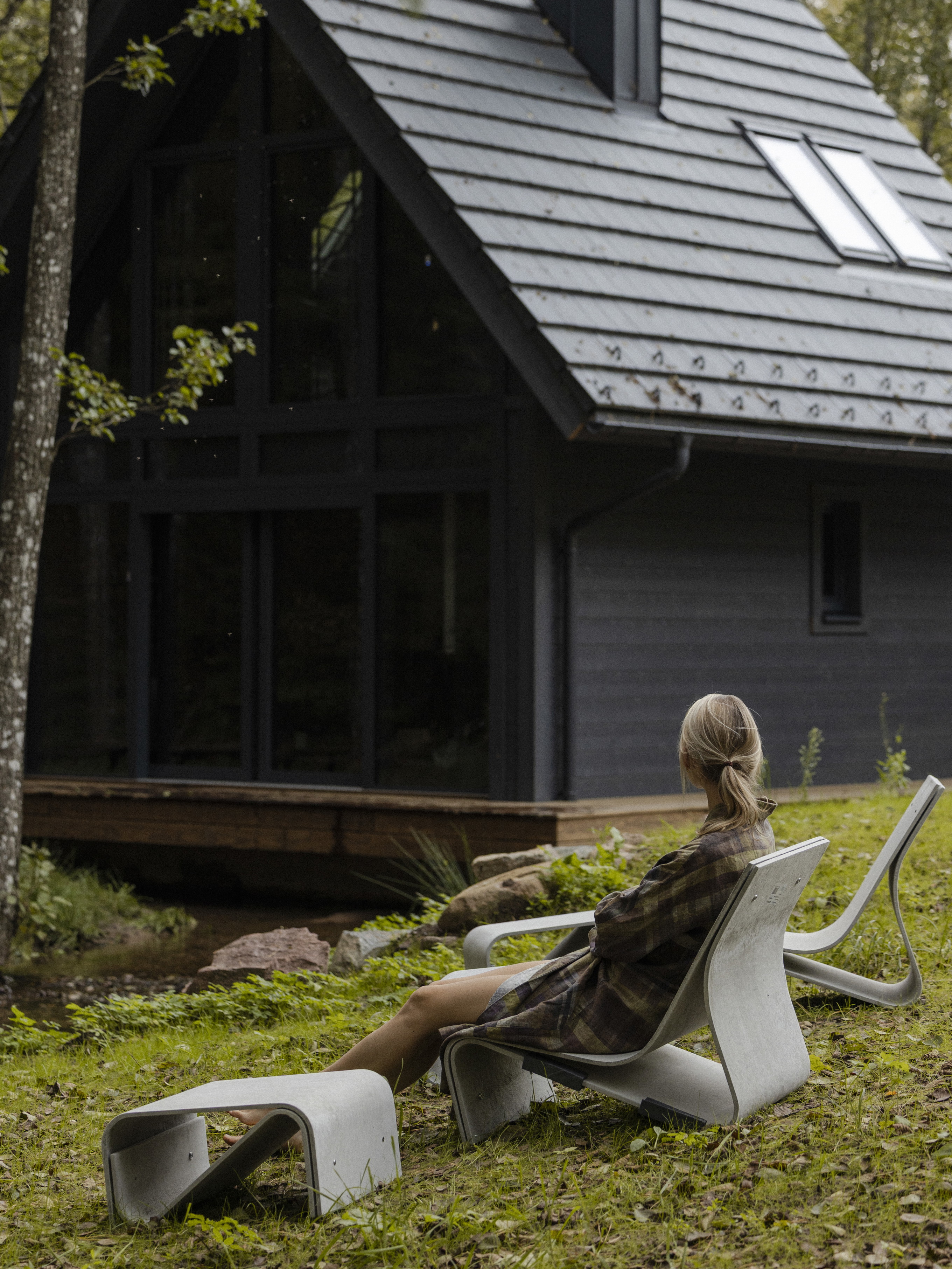
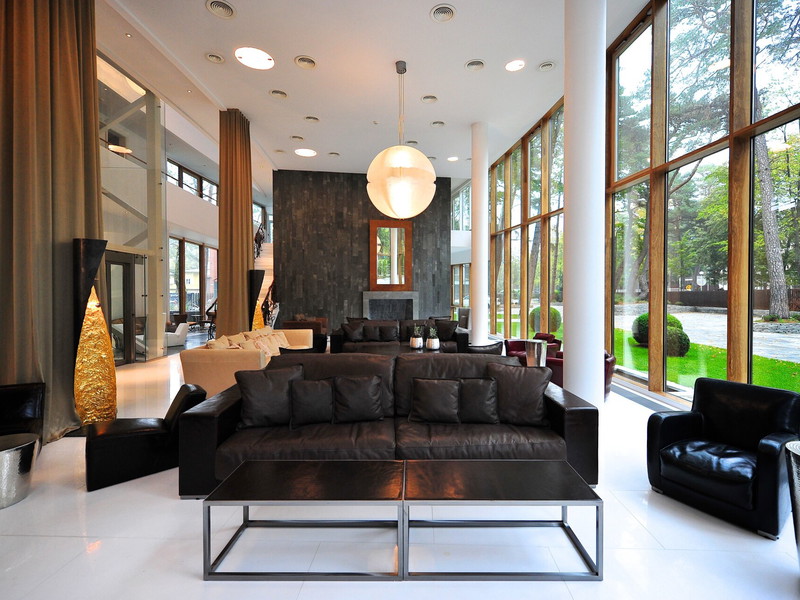
That philosophy can be felt throughout the residence. Large windows open directly into the forest landscape, interiors avoid unnecessary visual noise, and every material, texture, scent, and transition between spaces feels intentionally restrained. “For us, the idea of returning to oneself meant simplicity,” they say. “Not austerity, but a conscious rejection of excess.”

In practice, this translated into architecture built around natural materials, muted tones, soft light, and a strong connection with the surrounding environment. In the SPA spaces, pace became just as important as the treatments themselves. “We wanted guests to feel absolutely no rush,” the founders explain. “Even in hospitality, we paid attention to making people feel naturally cared for, rather than formally served.”

A Place That Could Only Exist Here

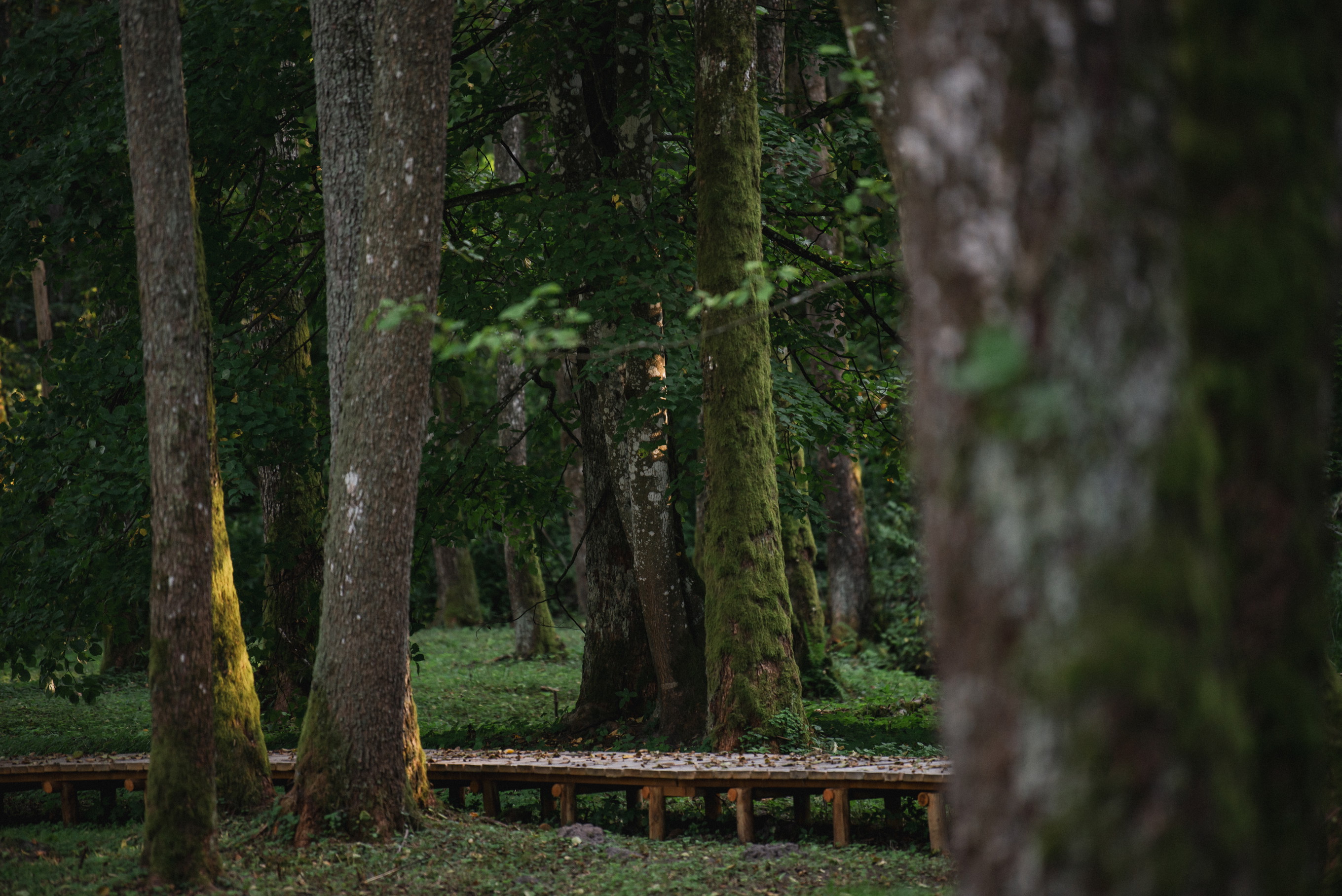
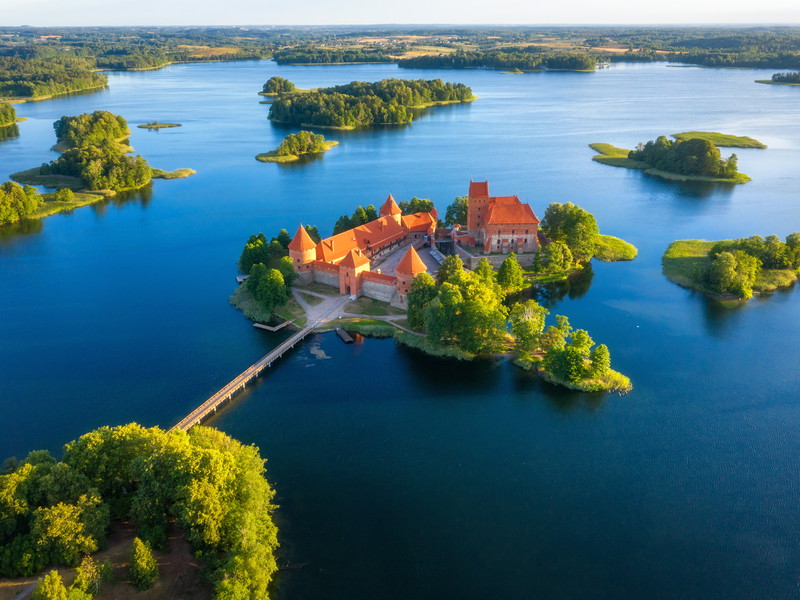
The landscape of Dzūkija became inseparable from the identity of the project. According to the founders, Aukštoji Liškiava would likely have become something entirely different in another region. “The forests, the terrain, the water, even the quality of light here feels different,” they say. “We wanted the architecture not to compete with the landscape, but to complement it.”

That relationship with place extends beyond aesthetics. The creators speak often about “the whispers of the past” and the slower rhythms historically tied to the region. Instead of creating what they call “imported luxury,” they wanted the project to grow organically from local atmosphere and cultural memory.

This approach also reflects broader changes happening in international wellness culture. Conversations around slow travel, forest therapy, and silence have become increasingly prominent in recent years, something the founders see as a direct response to modern exhaustion. “People today are tired not only physically, but informationally,” they explain. “Constant speed has become the norm, and even rest has often turned into another activity to consume. Now people are searching for authenticity, silence, and fewer stimuli.”

For them, contemporary luxury is increasingly defined not by what is added, but by what is removed. “Sometimes the greatest luxury is not what you receive,” they say, “but what you are able to step away from, even briefly.” That understated atmosphere has attracted guests searching not for demonstrative luxury, but for emotional clarity. According to the founders, today’s visitor values privacy, aesthetics, calmness, genuine hospitality, and meaningful rest over spectacle.

“We notice more and more people coming here not to actively spend a weekend, but simply to pause,” they say. “And perhaps this is one of the greatest needs today.” That philosophy shapes Debesylas Forest SPA — the residence’s wellness space built around ritualistic movement through saunas, water therapies, stone treatments, open-air bathing, and relaxation zones. The experience unfolds slowly, leading guests “from warmth into clarity, from silence into even deeper silence.”

The Lithuanian sauna tradition also became an essential part of the project’s identity. “For us, the sauna is more than a SPA element,” the founders explain. “It is a ritual that reconnects a person with the body.”

They emphasize that Lithuanian wellness culture still retains something many international destinations have lost — authenticity. “Our strength lies in a genuine relationship with nature,” they say. “Wellness here still feels real, not overly staged. We have forests, seasonality, and a strong sauna culture that remains deeply connected to everyday life.”

Forest Gastronomy at Viensėdis

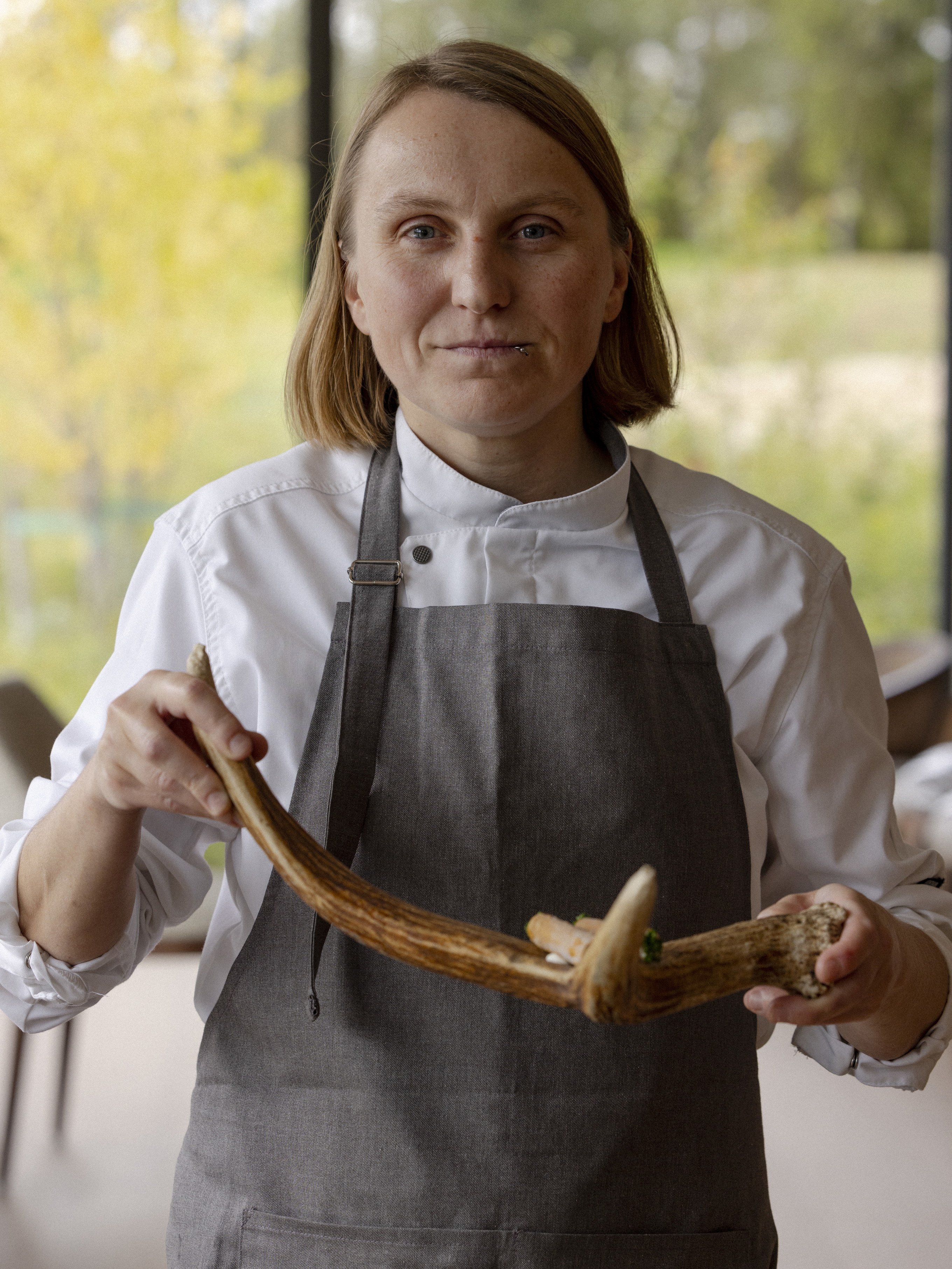
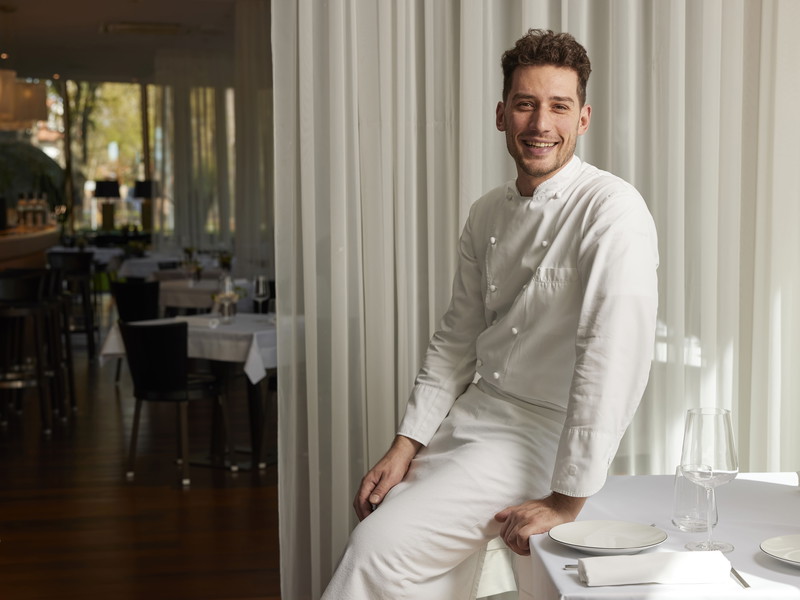
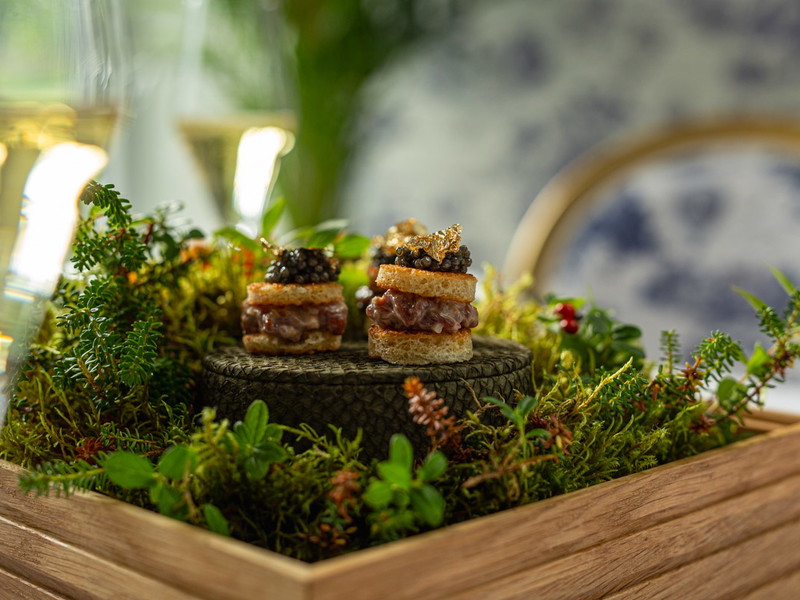
The same philosophy continues in the residence’s restaurant Viensėdis, led by chef Eglė Kaminskaitė. With nearly two decades in professional kitchens, Kaminskaitė approaches gastronomy as an emotional and sensory extension of the landscape itself. “This place was born from the breathing of the forest and silence,” she says. “Every dish and every technical detail in the kitchen is created so dinner becomes a meaningful experience. I understand eating not as a rushed satisfaction of hunger, but as a way of being.”

This place was born from the breathing of the forest and silence. Every dish and every technical detail in the kitchen is created so dinner becomes a meaningful experience. I understand eating not as a rushed satisfaction of hunger, but as a way of being.”

Eglė Kaminskaitė

Chef of the Restuarant Viensėdis

Eglė Kaminskaitė

Chef of the Restuarant Viensėdis

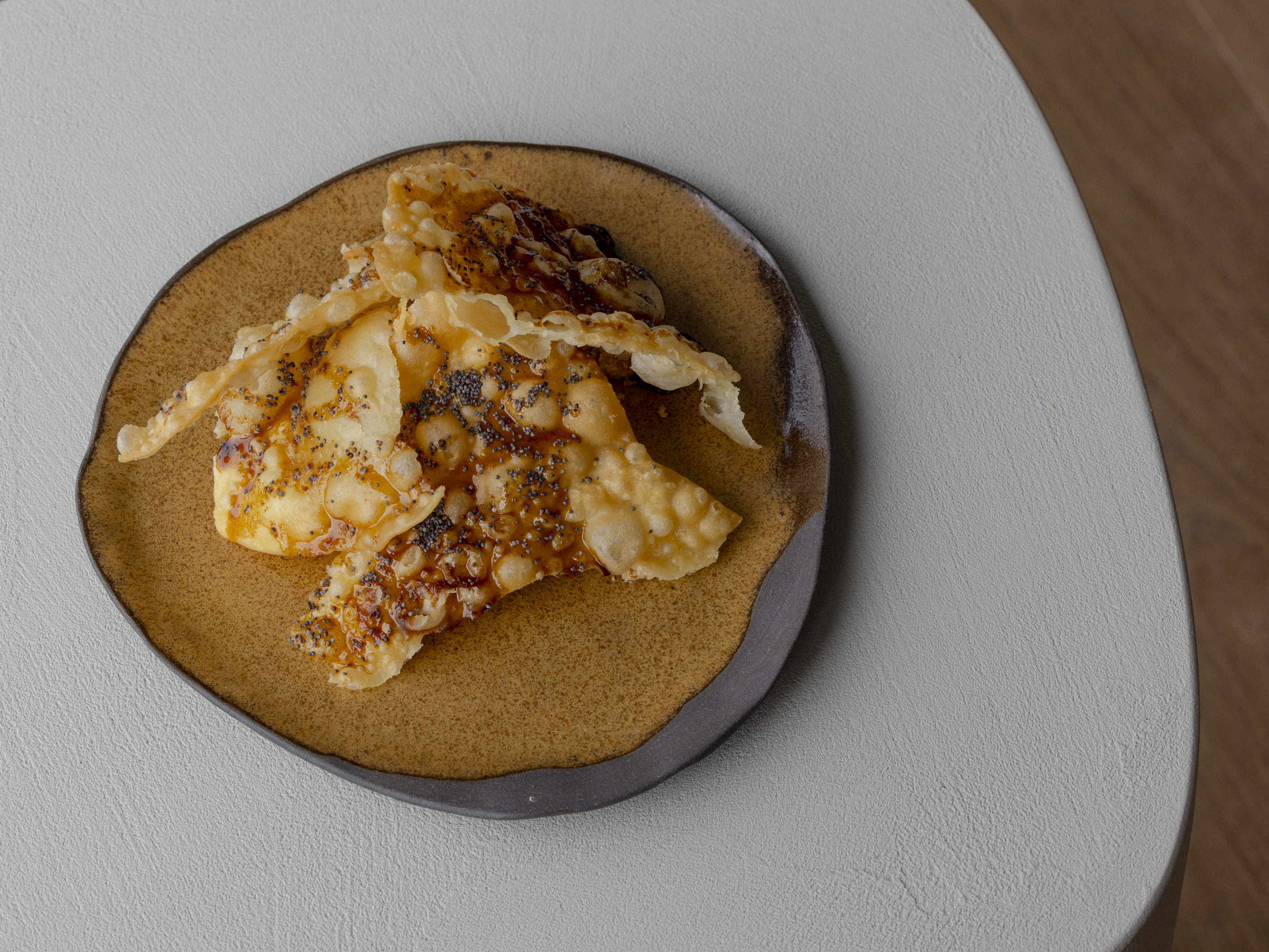
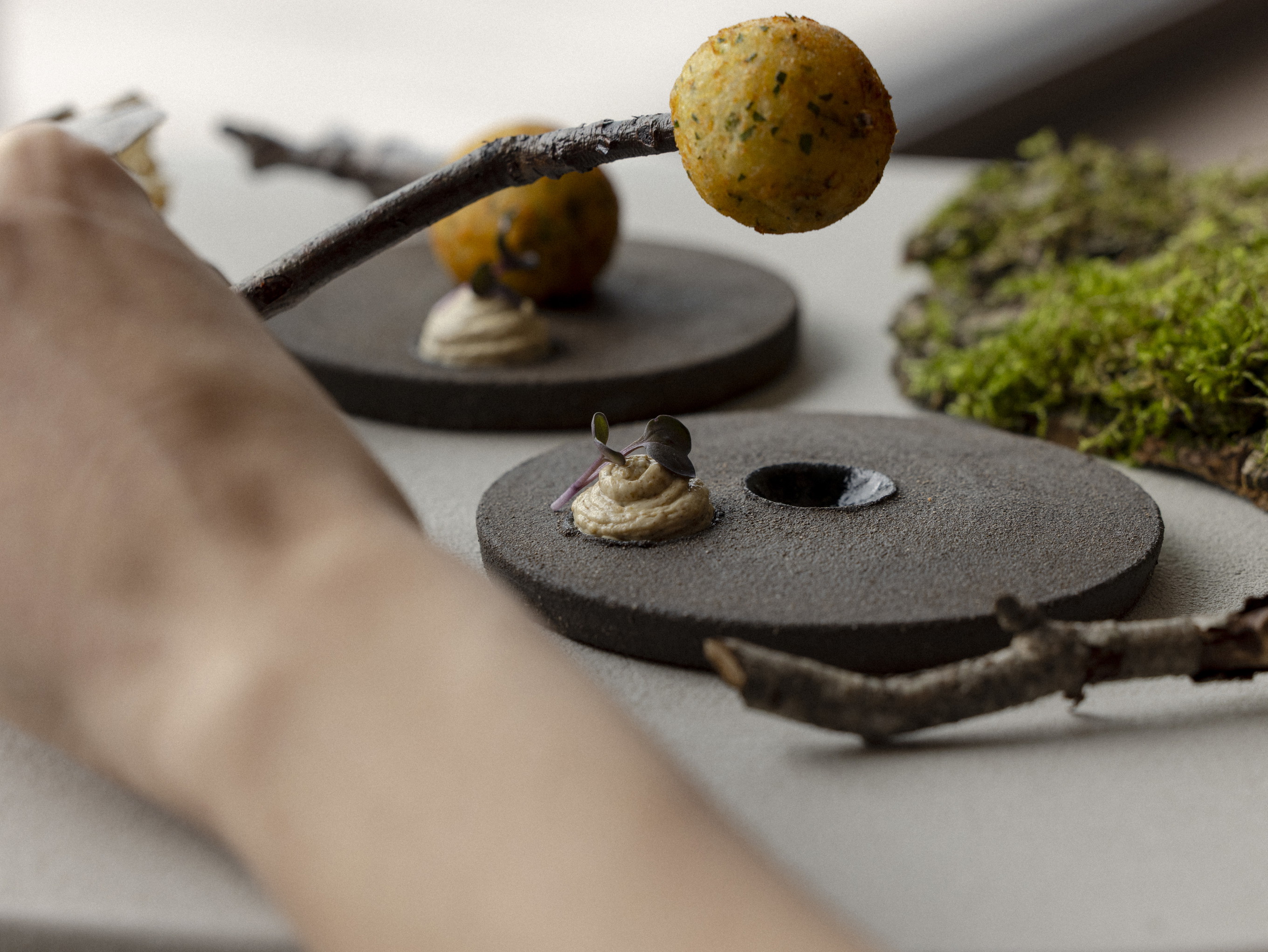
For the chef, gastronomy at Aukštoji Liškiava begins with the senses long before the first bite. “We create connection with nature and with oneself through textures, scent, and touch,” she explains. “It begins with rough clay dishes in the hands, continues through a wild welcome snack served on deer antler, and finishes with the deep aroma of game.” Kaminskaitė sees food as an act of togetherness rather than consumption. “I want to remind guests that eating is not mechanical,” she says. “It is an experience of presence.” 

Her menus follow the rhythm of Dzūkija’s forests and seasons closely. During colder months, the kitchen focuses on aged venison, smoked eel, and warming juniper beer. Summer shifts toward lighter, greener expressions built around forest herbs, edible meadow flowers, sorrel, nettles, and seasonal freshness.

“Summer in Dzūkija is the moment when forest herbs reach their peak,” she explains. “After the softness and heaviness of winter flavours, this freshness gives guests energy and vitality. I think of it as a ‘green return to oneself’ — recreating the feeling of walking barefoot through wet grass.”

Reinterpreting the Region of Dzūkija

Kaminskaitė describes today’s “taste of Dzūkija” as something evolving rather than frozen in tradition. “For me, it is no longer simply an archaic regional cuisine,” she says. Her approach balances local culinary identity with fine dining precision. “I call this balance refined simplicity,” she explains. “It is not about hiding tradition behind modernity. It is about distilling it.”

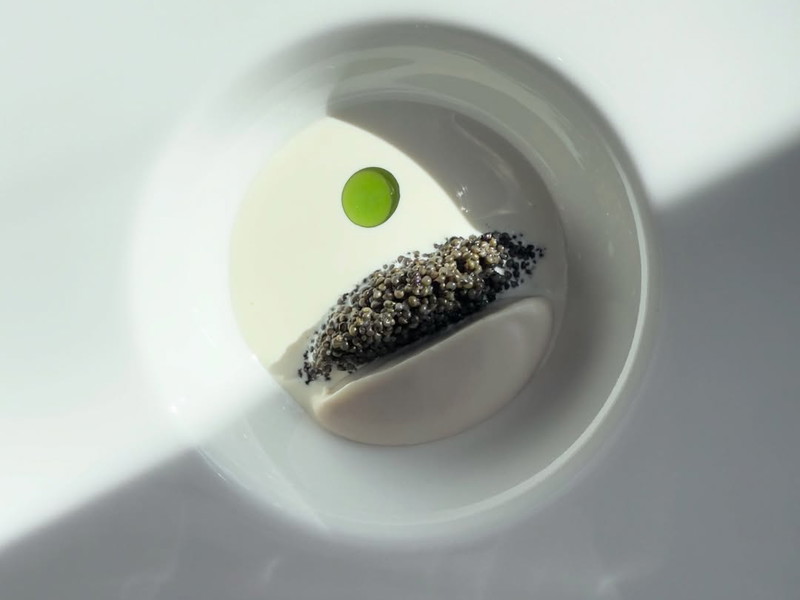
Traditional Lithuanian ingredients remain central: venison, mushrooms, buckwheat, beetroot, kefir, smoked fish. Yet they appear through contemporary techniques and unexpected compositions. Instead of classic aspic, guests encounter venison aspic with horseradish ice cream. Beetroot is paired with bread ice cream. Carrot appears alongside chocolate and kefir ice cream.

“The regional ingredient always remains the epicentre of flavour,” Kaminskaitė says. “Modern technique simply gives it another form.”

One of the clearest examples of the restaurant’s philosophy is the quail dish she identifies as the menu’s emotional centrepiece. Yellow chanterelles placed on a dark earthy base remind mushrooms growing beneath pine trees, while Jerusalem artichoke purée and crisps add textural contrast. A deep poultry jus ties the plate together.

“For me, this dish speaks about calmness and love for our land without words,” she says.

Another highly personal element is the restaurant’s juniper beer, which Kaminskaitė calls one of the project’s gastronomic symbols. “Juniper is probably my favourite spice,” she admits. “If venison or mushrooms are gifts from the forest, then juniper is the smell and backbone of the forest itself.”

The beer’s resinous, smoky flavour profile is designed specifically to mirror the surrounding pine woods and pair naturally with game dishes. Seasonal brewing also reinforces the chef’s philosophy that flavour should always follow nature’s cycle.

A Story Rather Than a Performance

Kaminskaitė believes contemporary diners increasingly seek emotional storytelling rather than visible luxury. “Today’s guest rarely comes to a restaurant simply to be impressed by expensive imported ingredients,” she says. “People are searching for meaning and connection.”

For her, true luxury lies in authenticity: venison from nearby forests, herbs gathered locally, dishes connected directly to the environment visible outside the dining room windows. “When you see not only food on the plate, but autumn, fog, the work of a local farmer, and the silence of Dzūkija — eating becomes intellectual and emotional,” she explains.

The chef describes herself not only as a cook, but almost as a guide translating the landscape into flavour. “Through food, I tell the story of Aukštoji Liškiava’s silence,” she says. That emotional layer is precisely what many guests seem to carry away from the residence. Not simply memories of a SPA or a tasting dinner, but a feeling difficult to recreate in everyday life — a temporary slowing of time itself.

Asked to describe in one sentence what visitors ultimately leave with, the founders answer simply: “The feeling that, at least for a short while, they managed to pause and hear themselves again.”

Find out more
1 / 12