Skip to content

Elias Karroum’s Hedvig Embraces Classic Swedish Comfort Food

Nordics
Sweden

Best known for popular venues like Beirut Café and Paulas, Karroum's latest venture, Hedvig, just opened in the centrally located Östermalmshallen, Stockholm’s historic food hall. Familiar and cozy, it's a fitting backdrop for winning hearts with classic Swedish home-style cooking.

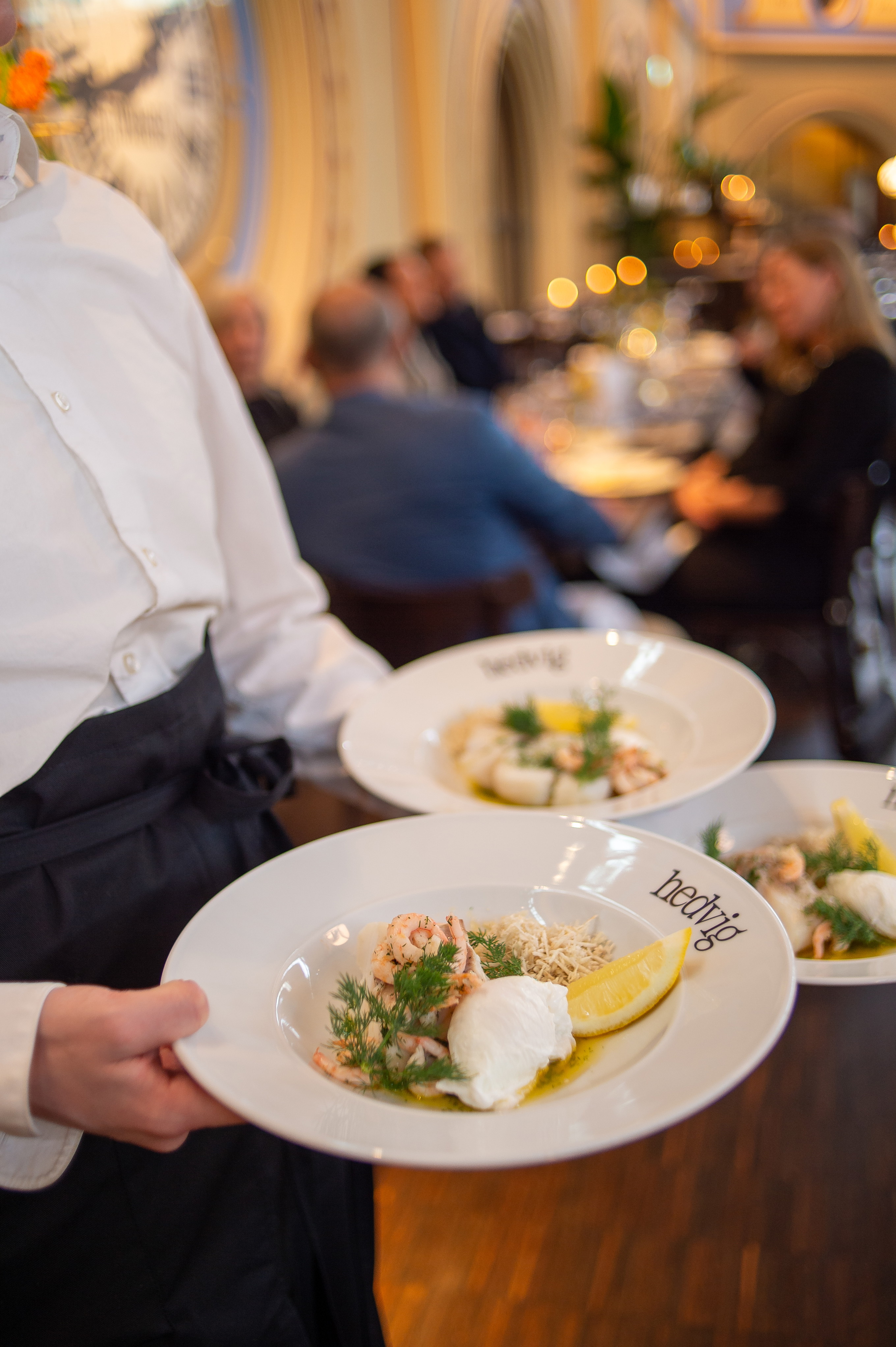
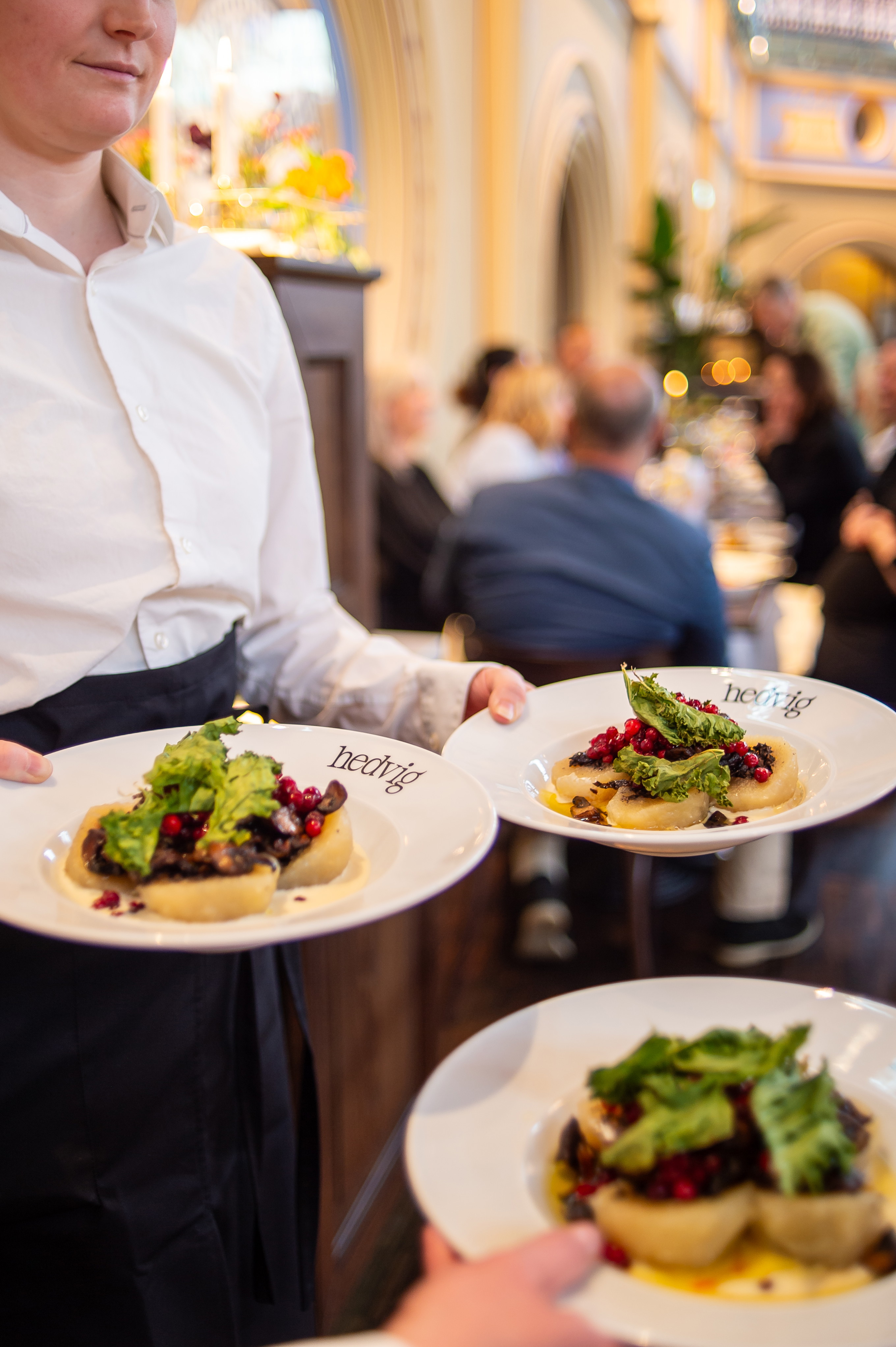
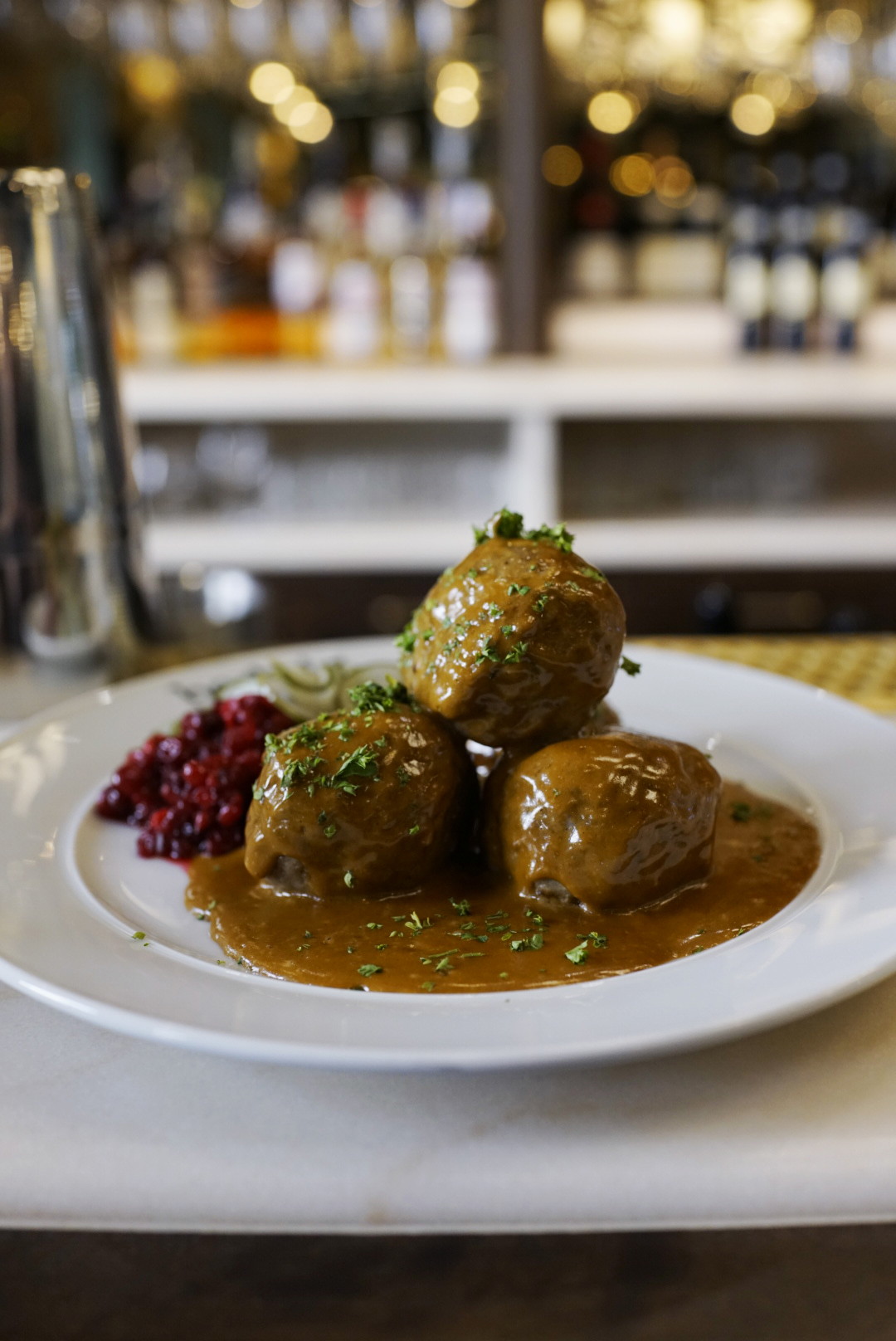
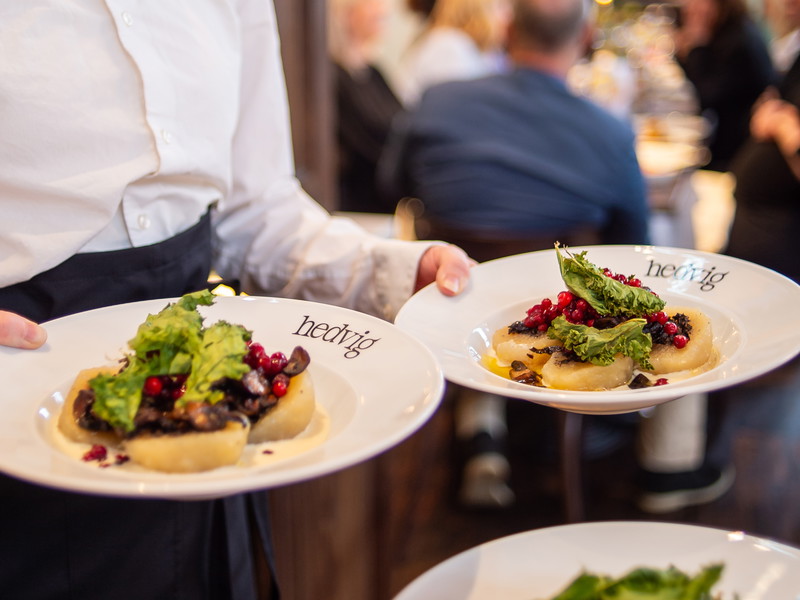
After years of domination by New Nordic cuisine and sharing plates celebrating hyper-seasonal produce, Elias Karroum's latest project, Hedvig, brings the Stockholm dining scene back to its roots: Serving traditional Swedish favorites like pork with onion sauce, meatballs with creamy mash, kroppkakor (potato dumplings), herring, and toast Skagen, it prides itself on the famliar flavors locals have enjoyed since childhood. It's refreshing to see Karroum reintroduce Stockholm to husmanskost — food that is honest, hearty, and comforting.

But what is husmanskost, really? It’s food rooted in Sweden’s rural heritage, built on simple but deeply satisfying meals using local ingredients. Think slow-cooked stews, root vegetables, potatoes, grains, and traditional sauces — all made from scratch. Though some of today’s favorites have been shaped by centuries of cultural exchange or immigrants from Turkey, Germany and Russia, it remains deeply Swedish in its essence.

Over the past decade, Swedes have embraced traditional cuisine from further afield – particularly Ukraine, Germany, and Thailand — but there’s still something deeply satisfying about coming back to your culinary home. That’s exactly where Hedvig comes in.

A family affair

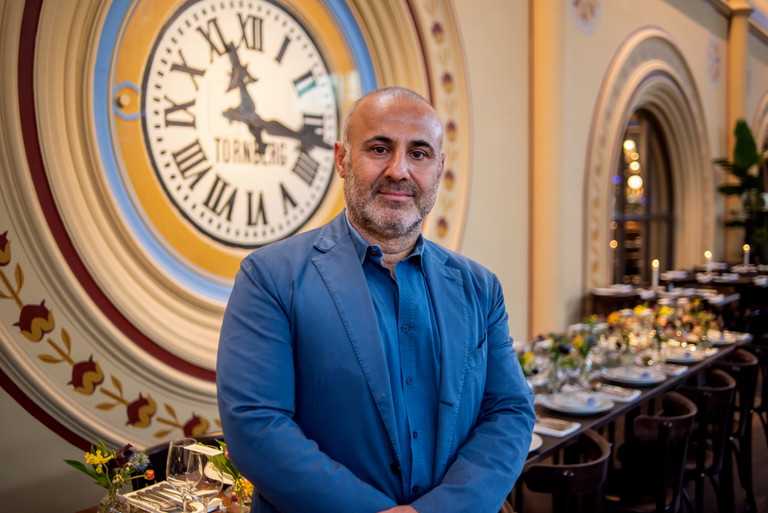
Karroum is best known for transforming Stockholm’s dining scene with Beirut Café, a Lebanese fine-dining restaurant that became a go-to for Sweden’s musical elite, serving guests like Max Martin, Justin Timberlake and Britney Spears. Opening its doors in 1999 on Engelbrektsgatan, it quickly gained a reputation for its authentic meze and private VIP area. After the pandemic, it moved into the Östermalmshallen — right next to Hedvig. ”Beirut Café is a bit of a family affair,” Karroum says, as he gives us a tour of the historic market hall. ”I’ve had venues here for 20 years, and now my wife, son, and daughter all work alongside me. My mother is 80, but she still comes in twice a week to roll vine leaves and help fold meat pastries.”

Elias Karroum.
© Ivan da Silva, Zap PR
Elias Karroum.

Home cooking

As at Hedvig, everything at Beirut Café is prepared from scratch. Karroum’s own history is woven into his restaurants: Originally from eastern Turkey, his family — Christian Syriacs — fled from the genocide in 1915, moving from Syria, then Poland, then back to Syria before finally settling in Sweden in 1967. “At home, we ate Lebanese home cooking made by my mother — lots of stews and vegetables,” he recalls. “Our house became a popular gathering spot, and my friends always stayed for dinner.”

Although he had a love for cooking early on, Karroum helped out in his father’s grocery store after school while dreaming of becoming a professional footballer. He played for Brommapojkarna’s A-team, ran a restaurant by the sports ground, and even managed a lunch spot in Solna. But the financial crisis of the early 1990s forced him to rethink his plans. He ended up joining Café Opera’s football team and working at their group’s restaurants, including Stallmästaregården and the iconic Operakällaren, under celebrated chefs like Verner Vögeli and Stefano Catenacci.

“But one day, the head chef at Stallmästaregården shouted at me. He grabbed my pot of tournéed potatoes and threw them across the floor, yelling, ‘You’ve done it wrong — start over!’ That was when I realized I didn’t want to work like that,” Karroum says. He left, later running Åhléns’ restaurant on a franchise before opening Beirut Café in 1999.

© Ivan da Silva, Zap PR

Enterpreneur at heart

At Hedvig, diners can order a classic SOS (herring, cheese and butter) — a miniature version of the medieval brännvinsbord (literally “snaps table”), which preceded thesmorgasbord, where snacks were washed down with beer and aquavit before dinner. Here, it’s offered in several creative variations.

Karroum has always been an entrepreneur at heart. Today, in the grand Östermalmshallen, he runs not just Hedvig and Beirut Café, but also Bistrot du Passage, Paulas and Gabagool. With its roots stretching back to 1888, the market hall isn’t just a foodie destination — it’s a living piece of Stockholm’s cultural heritage.

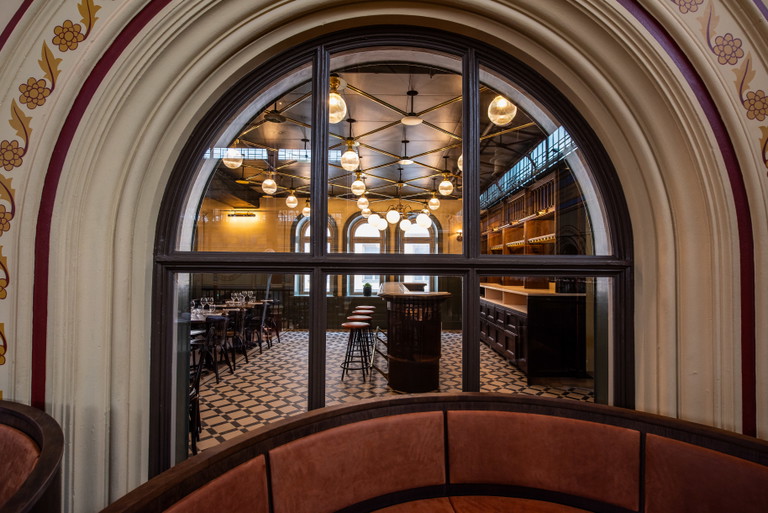
“The idea behind Hedvig — named after the nearby Hedvig Eleonora Church — is to honor traditional Swedish cuisine. I want to create a place where people can experience the comforting, deeply rooted flavors of our food culture — in a setting that’s 135 years old, blending old-world charm with today’s dining trends. It should feel genuine and relevant at the same time,” Karroum explains.

Respecting history

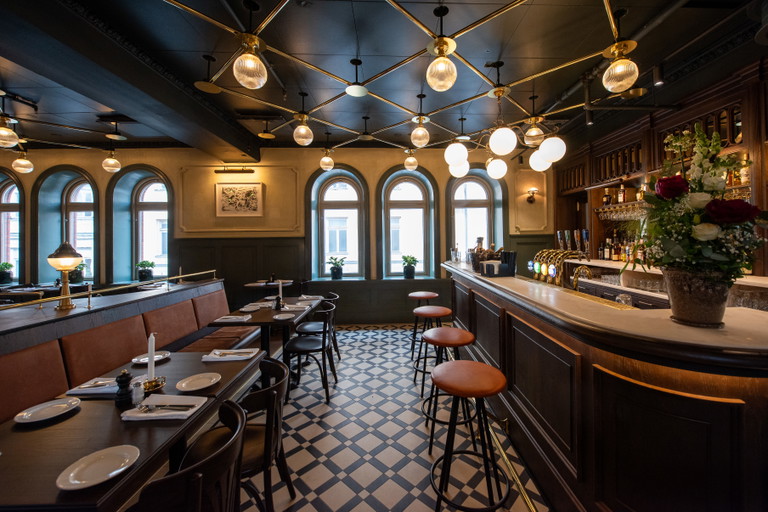
No detail is left to chance: Local design firm Skuggan crafted the interior to harmonize with the historic architecture while feeling warm and contemporary. During our conversation, it’s clear how much Karroum is loved in Stockholm’s restaurant scene. Guests frequently stop to greet him. “I don’t really see this as work,” he says, smiling. “It’s my hobby. I’m happy to stand here for twelve hours doing what I love. It’s the best thing I know — and being able to make a living from it is just fantastic.”


© Ivan da Silva, Zap PR

Established in 1888, Östermalms Saluhall has been named the 7th best food hall in the world. Recently renovated, the former indoor market has long been a sanctuary for gourmets, foodies and anyone with a passion for fine cuisine. Here you’ll find a wide range of restaurants and delicacies.

Restaurang Hedvig
Östermalmshallen, Humlegårdsgatan 3, Stockholm, Sweden
www.restauranghedvig.se

Tove Oskarsson Henckel
Find out more
1 / 12