Skip to content

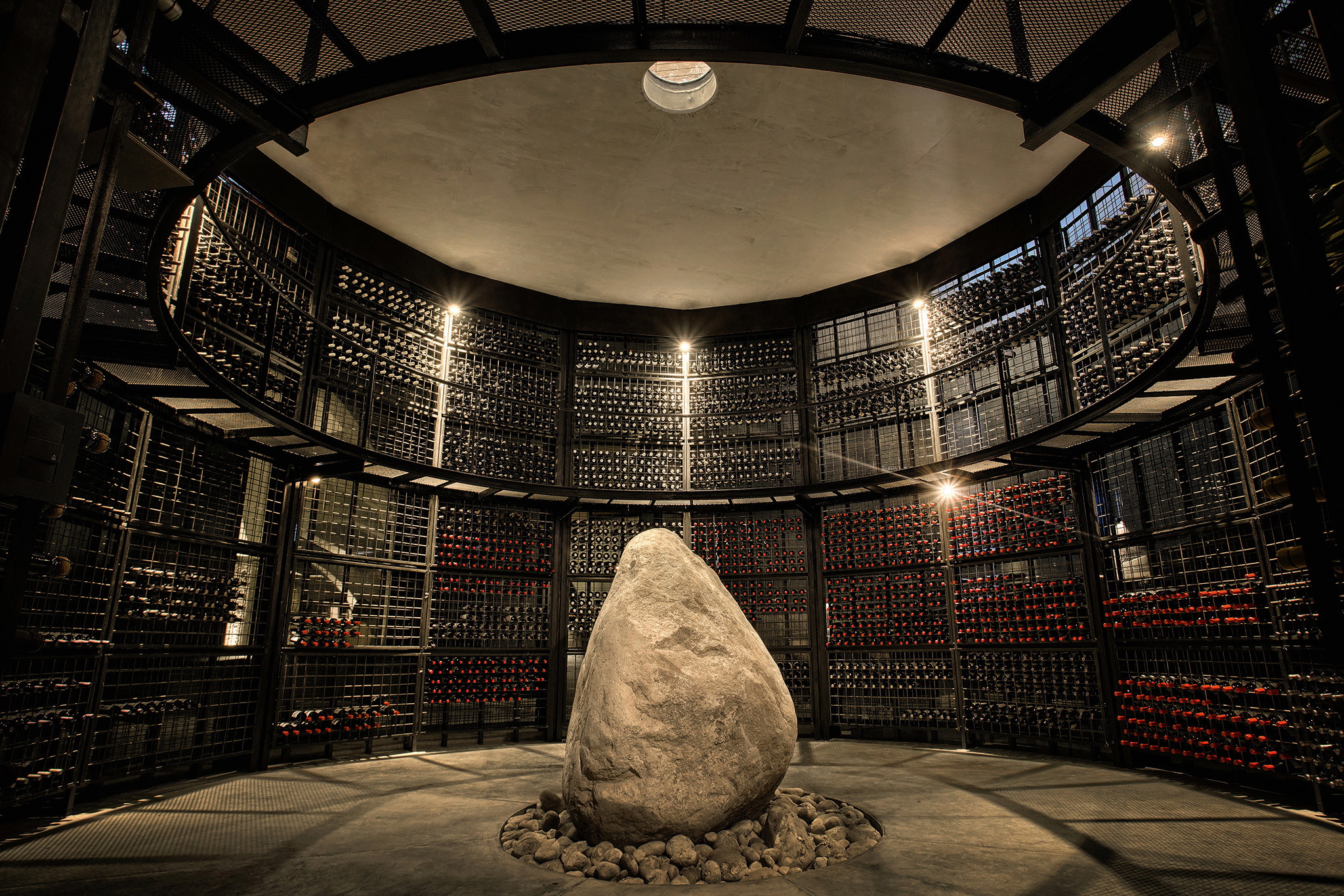
The Zuccardi winery in Argentina's Valle de Uco uses concrete fermentation racks to carefully extract the tannin-rich Malbec.

The Zuccardi winery in Argentina's Valle de Uco uses concrete fermentation racks to carefully extract the tannin-rich Malbec.
Zuccardi Valle de Uco

Malbec: Why the old red wine variety is considered a gentle giant

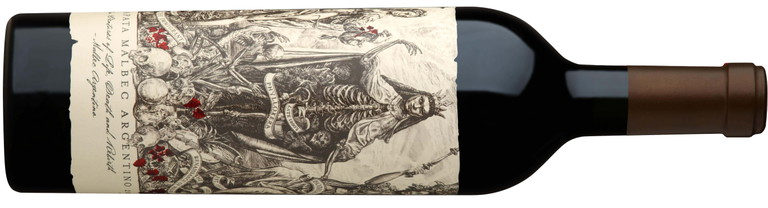
The old red wine variety Malbec began its journey from Cahors to South America in the 19th century and reached its second heyday in Argentina. Today, these velvety, spicy wines can be found in many growing regions around the world.

The old French red wine variety Cot almost certainly originated in the Cahors region in the former Quercy area in the southwest, which is now formed by the Lot department and parts of Tarn-et-Garonne. The grape variety has been known here since the 16th century. It has officially been called Malbec since 2007. From here, barrels of "vin noir" were transported downriver to Bordeaux as early as the 18th century, where the deep, dark, full-bodied wines were only too gladly used to give their own wines a little more colour and stature. So it was only a matter of time before someone came up with the idea of planting the variety on the spot.

The first mention comes from Pomerol, where a certain Fontemoing said in 1761 that he had planted the "Noir de Pressac" on his Château Trocheau. And it points to the true starting point of the variety's spread in Bordeaux, namely Château de Pressac in Saint-Émilion. Between 1737 and 1747, Vassal de Montviel planted his vineyard here with the "Auxerrois", which was soon also cultivated by his neighbours. To this day, the cuvée from Château de Pressac contains one percent Malbec, which is called Noir de Pressac here.

Photo provided

The dark-coloured variety spread north along the right bank to Bourges and Blaye as "Cor". In Graves and Médoc, the new variety was initially known as "Éstrangey" - the foreigner. A physicist named Lutkens planted them in the south of the city of Bordeaux. From Sainte-Eulalie near Bordeaux, a merchant and vine school owner named Sieur Malbek propagated it in the Médoc region, where it first took root before 1780. There is still a Château Malbec there, which is now owned by the Castel Group.

In Pauillac, it was still referred to as Cahors before 1783, but the name "Malbeck" now also appears for the first time as a synonym. By 1830, it was already generally recognised as Malbec and one of the important and valuable varieties for the production of red Bordeaux wines. In the 19th century, Malbec was an integral part of the region's best wines. And not only most of the wines that were classified in the Médoc in 1855 had a Malbec component. In Saint-Émilion, Malbec occupied up to 60 percent of the vineyards until the outbreak of the phylloxera catastrophe. Cheval Blanc was no different.

In the years between 1853 and 1868, the French agricultural engineer Michel Pouget brought Malbec and other Bordeaux varieties to Argentina, where the variety developed well and eventually found more than just a second home. But what happened in France?

End due to phylloxera

In the dark years between 1875 and 1890, phylloxera destroyed over 2.5 million hectares of vineyards in France. The whole of Europe was hit hard by the effects of this small insect. Like the Phylloxera vastatrix itself, the solution came from North America. By grafting European noble vines (from Riesling to Cabernet Sauvignon) onto the rootstocks of American vines, phylloxera was defeated in our latitudes. However, it turned out that this method did not work equally well for all grape varieties. The American rootstocks led to stronger growth of the Malbec shoots than was the case with its own roots. The grape set was also much stronger. In an often cool and rainy climate like that of Bordeaux, this quickly became a problem, as the grapes no longer ripened sufficiently.

Other red grape varieties, on the other hand, coped very well with the new rootstocks and produced good, ripe grapes. No wonder winegrowers slowly but surely lost interest in Malbec. A devastating frost in the Gironde vineyards in 1956 finally spelled the end for the Malbec variety in France. After that, less cold-sensitive varieties such as Merlot and Cabernet Sauvignon were used for the new plantings. Today, Malbec can still be found in Bordeaux, but only as a rarity. In the entire Gironde, the area is in the three-digit hectare range.

Photo provided

Even in its original home along the River Lot in Cahors, Malbec had to endure difficult times. Before phylloxera, there were still around 60,000 hectares of vines here around 1866. However, after the Second World War, when the problem with the American records was brought under control through research and care, some courageous winegrowers tried to make a new start. Here, too, the frost struck mercilessly in 1956.

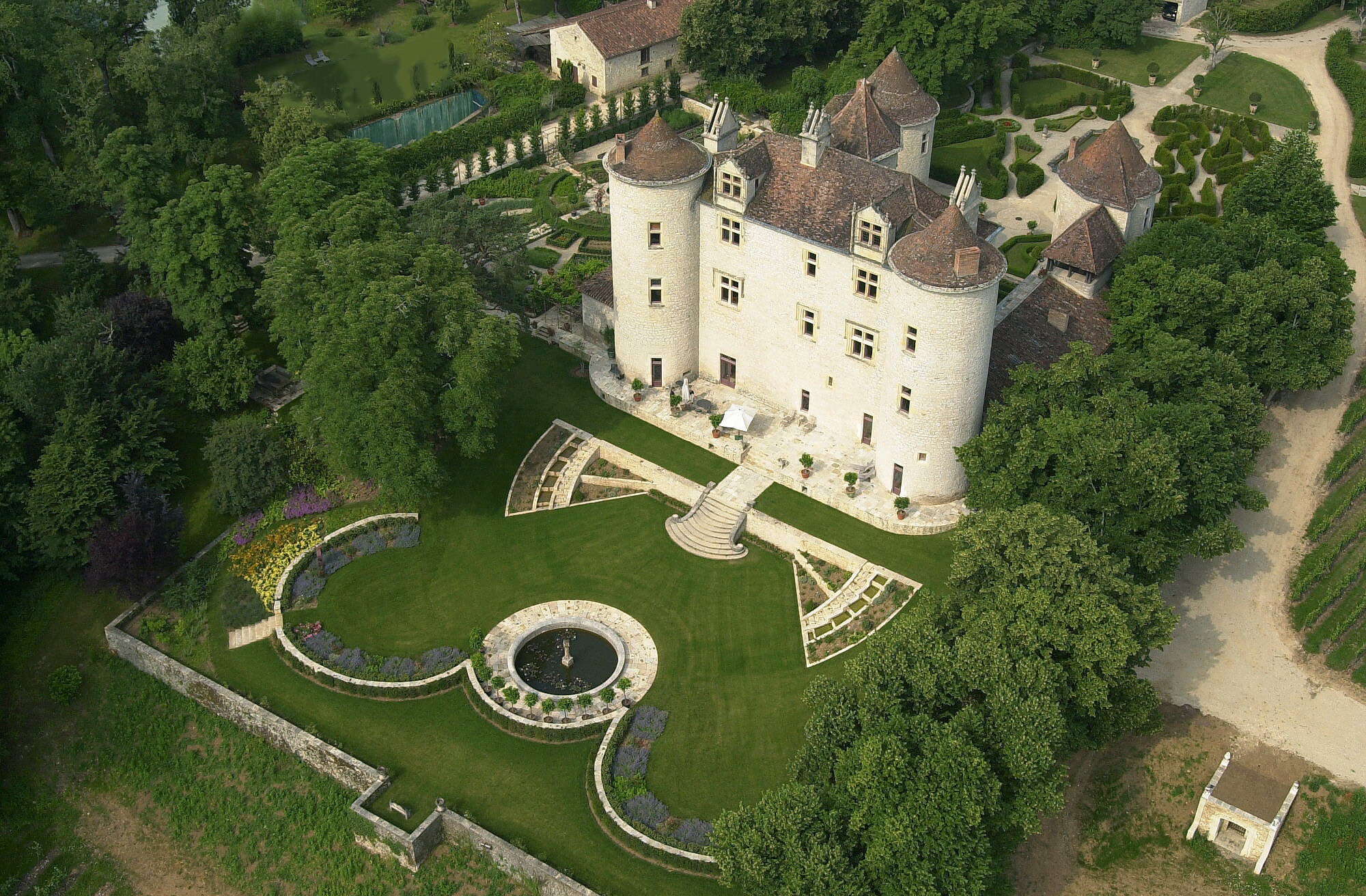
When Cahors was finally elevated to Appellation Contrôlée status in 1971, there were 440 hectares in yield. A good 50 years later, Cahors is once again the largest growing region for Malbec in Europe. A merit of a handful of winegrowing families who never let themselves be dissuaded from their path. And which were supported by the great international interest shown in the Malbec variety in faraway Argentina: the wines of Château du Cèdre and Lagrézette, Clos Triguedina, and later also Château de Chambert and Lamartine.

Postscript: a red Cahors AC can be a single-varietal Malbec, but only has to contain 70 percent. The rest may be Merlot or Tannat. The best soils here are the coveted sandy limestone plateaus - similar to Saint-Émilion in Bordeaux.

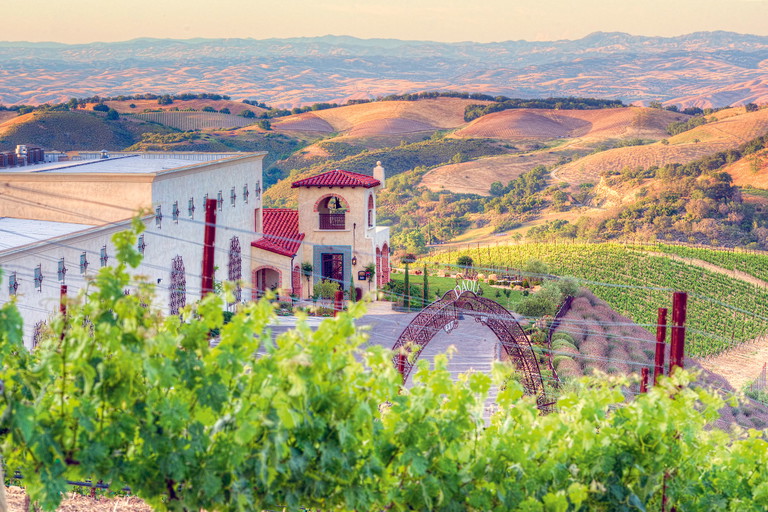
Adrianna Catena and Alejandro Vigil have realised their dream of running their own winery in Mendoza with El Enemigo.The DAOU winery in Napa Valley successfully focusses on Malbec.
Foto beigestellt
Adrianna Catena and Alejandro Vigil have realised their dream of running their own winery in Mendoza with El Enemigo.The DAOU winery in Napa Valley successfully focusses on Malbec.

New world, new happiness

Malbec, which emigrated to Argentina in the mid-19th century, quickly took deep roots there and proved to be a great stroke of luck in the course of its development. This is because the variety found ideal conditions in the dry climate and long growing seasons, especially in the area of today's Mendoza growing region.

The greatest advantage however, was that the sandy, crystalline soils of the region made it impossible for phylloxera to penetrate, and so Malbec enjoyed a true renaissance in Argentina. Around 1900, a real wine boom began in Mendoza; thanks to the railroad line, the wines produced here could be transported economically. Pioneers such as Nicolas Catena, whose great-granddaughter Laura Catena now runs the world-famous Catena Zapata winery, planted his first Malbec vines on the banks of the Tunuyán River back in 1902. Numerous immigrant families from Spain and Italy contributed their know-how to the emerging wine industry.

Almost 50,000 hectares were already planted in Mendoza after the Second World War, and Malbec was the leading red wine variety. However, a series of economic crises hit the country and in the 1970s only cheap wine could be sold locally. There was hardly any export. The Malbec vineyards were sacrificed and varieties were planted for simple mass-produced white and rosé wines. At the beginning of the 1980s, there were only 14,000 hectares of Malbec left in Argentina.

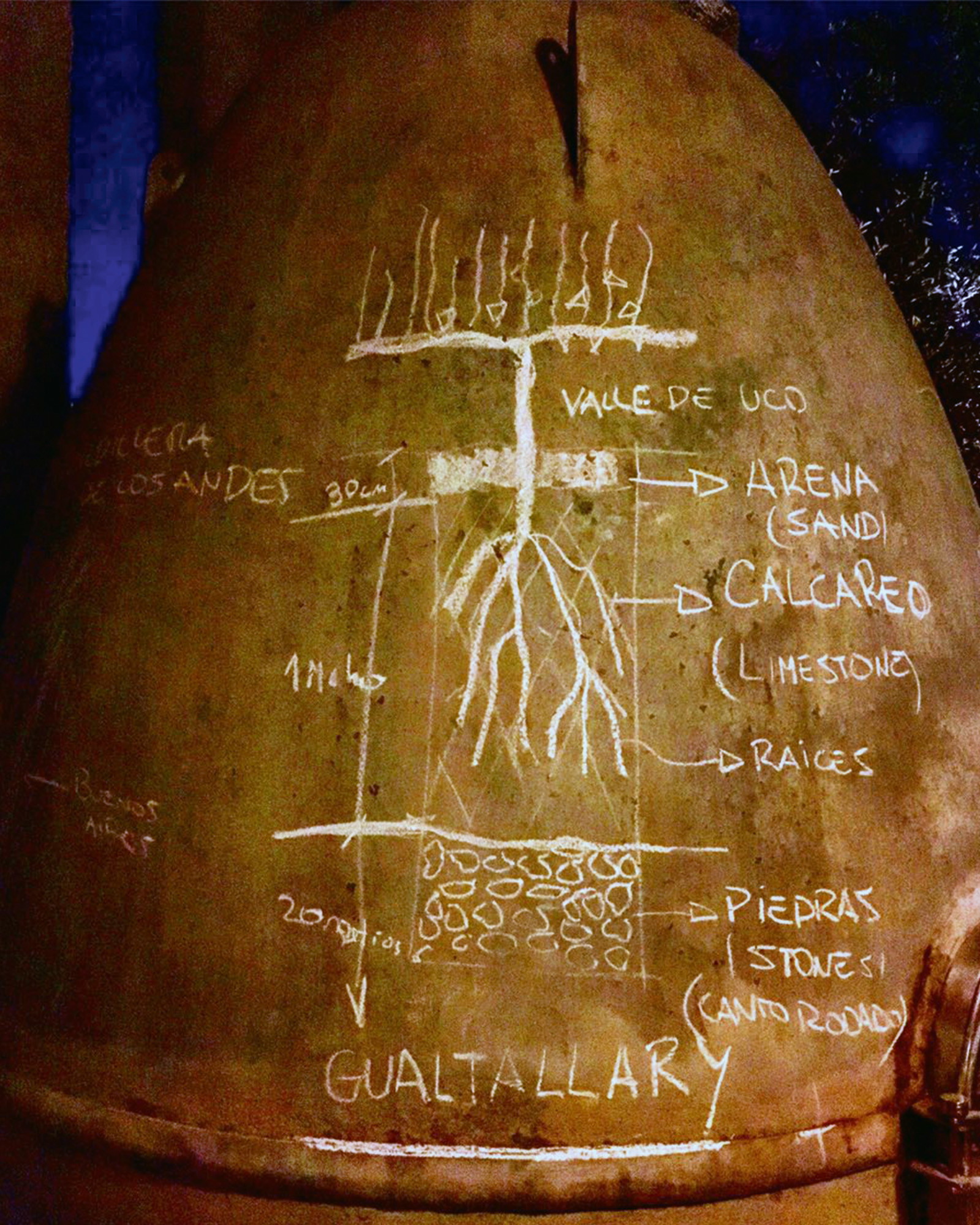
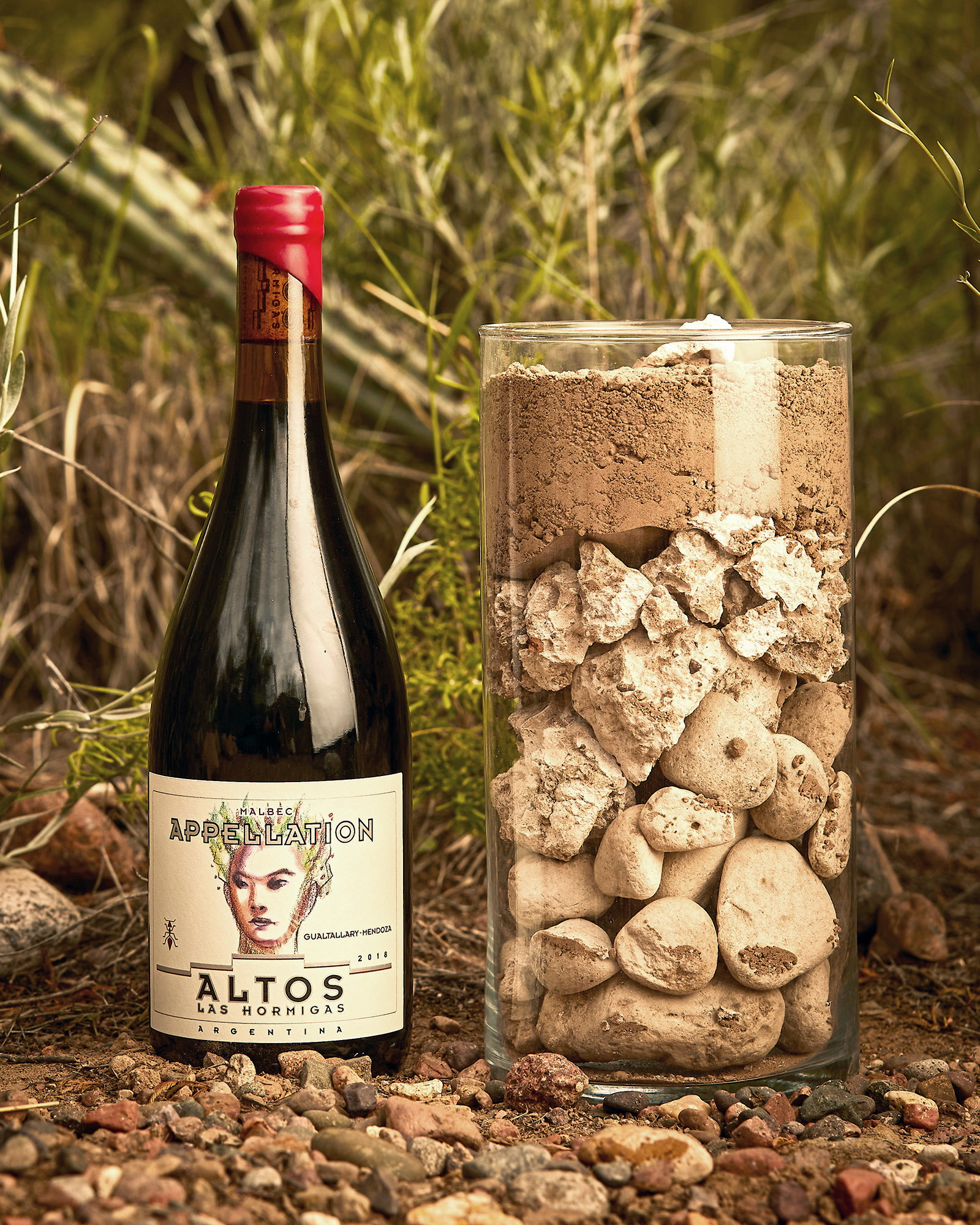
The fact that there are twice as many today is thanks to some quality pioneers who set out in search of the best terroirs and found them at cool altitudes above 1000 meters above sea level. Today, the most exciting Malbecs in the world by far are produced in the dizzying heights of Gualtallary. They are the flagship of Argentinian wine production. Malbec first appeared at the Wine Experience in New York in 1995. In 1998, Robert Parker awarded a Malbec Alta from Catena 94 points. The spell was broken and the variety was back on the big stage of the wine world.


Malbec Global

Today, the South American wine miracle has found imitators all over the world and Malbec has found its way into numerous warm, dry growing regions. There are excellent producers in DAOU or Devil Proof in California, in Chile and also in Australia. Down Under, the variety is usually found in blends with Cabernet Sauvignon, such as Wendouree or Vasse Felix. Due to climate change, the first pioneers are also enthusiastically trying out the variety in cooler regions such as Germany (Fürst Hohenlohe Oehringen, Stachel), Switzerland (Cave Biber in Salgesch) and Austria (Kraft, Thomas Haider). So it will be interesting to see where this promising variety will gain a foothold in the future.

Photo provided
Peter Moser
Peter Moser
Chefredakteur Wein
Find out more
1 / 12