Skip to content
© Provided

Sustainability shapes Michelin Nordics 2026

Gourmet
News

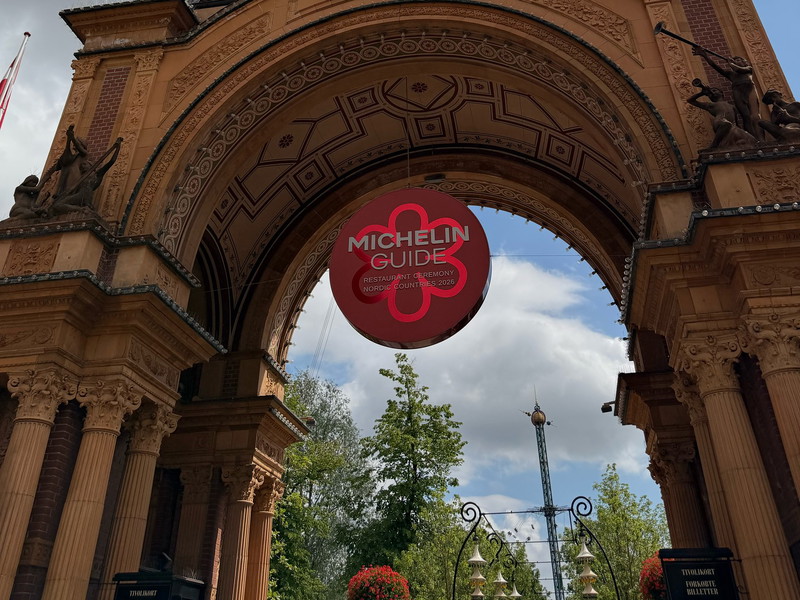
Sustainability and a strong sense of place emerged as defining themes at the MICHELIN Guide Nordic Countries 2026 ceremony. From newcomers such as ESSE, Boreal, and Credo to newly promoted Grön in Helsinki, this years awards celebrated restaurants rooted in local ingredients and long-term thinking. The evening's biggest winner was Kadeau Copenhagen, which earned its third MICHELIN Star for its deeply personal expression of Bornholms culinary heritage.

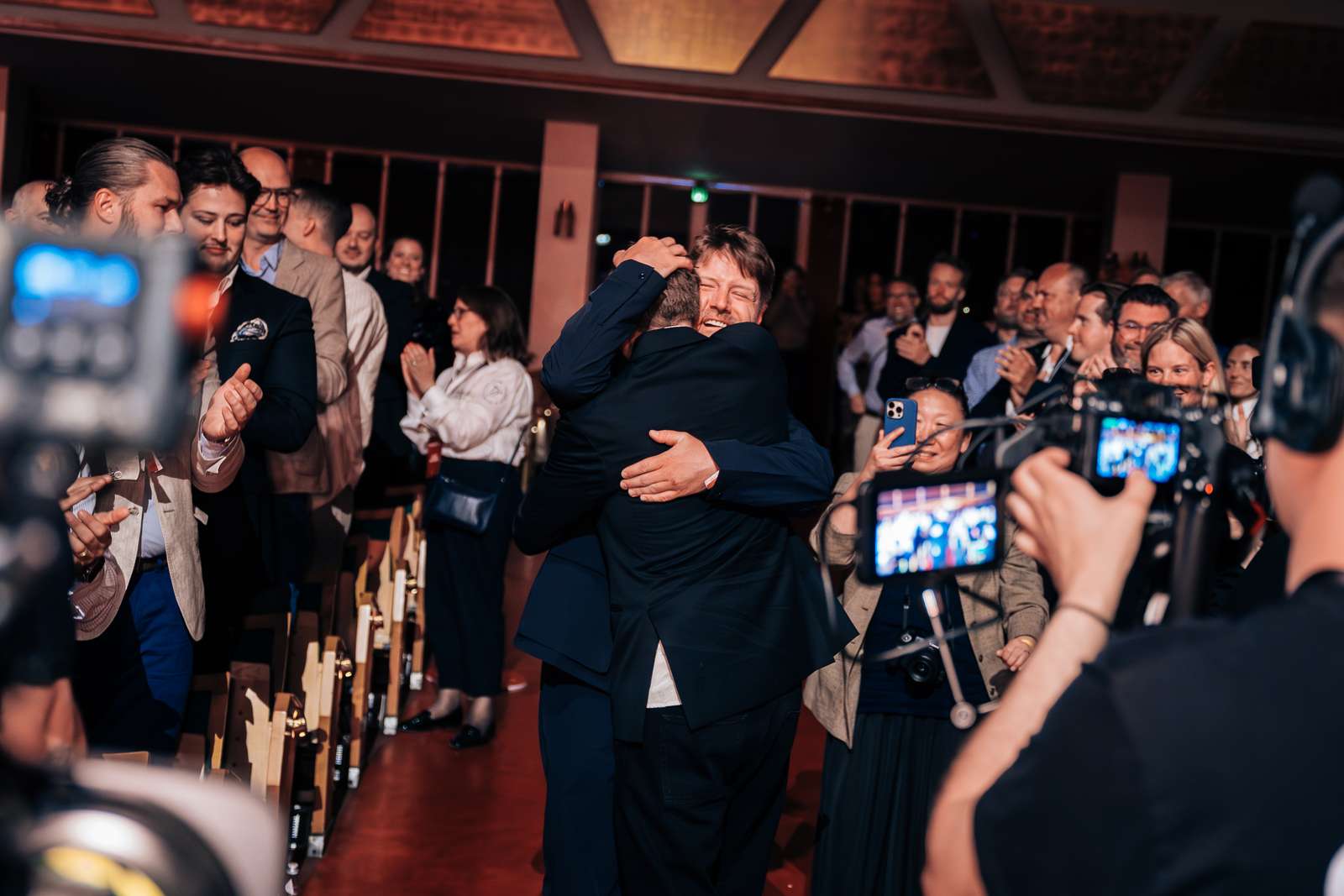
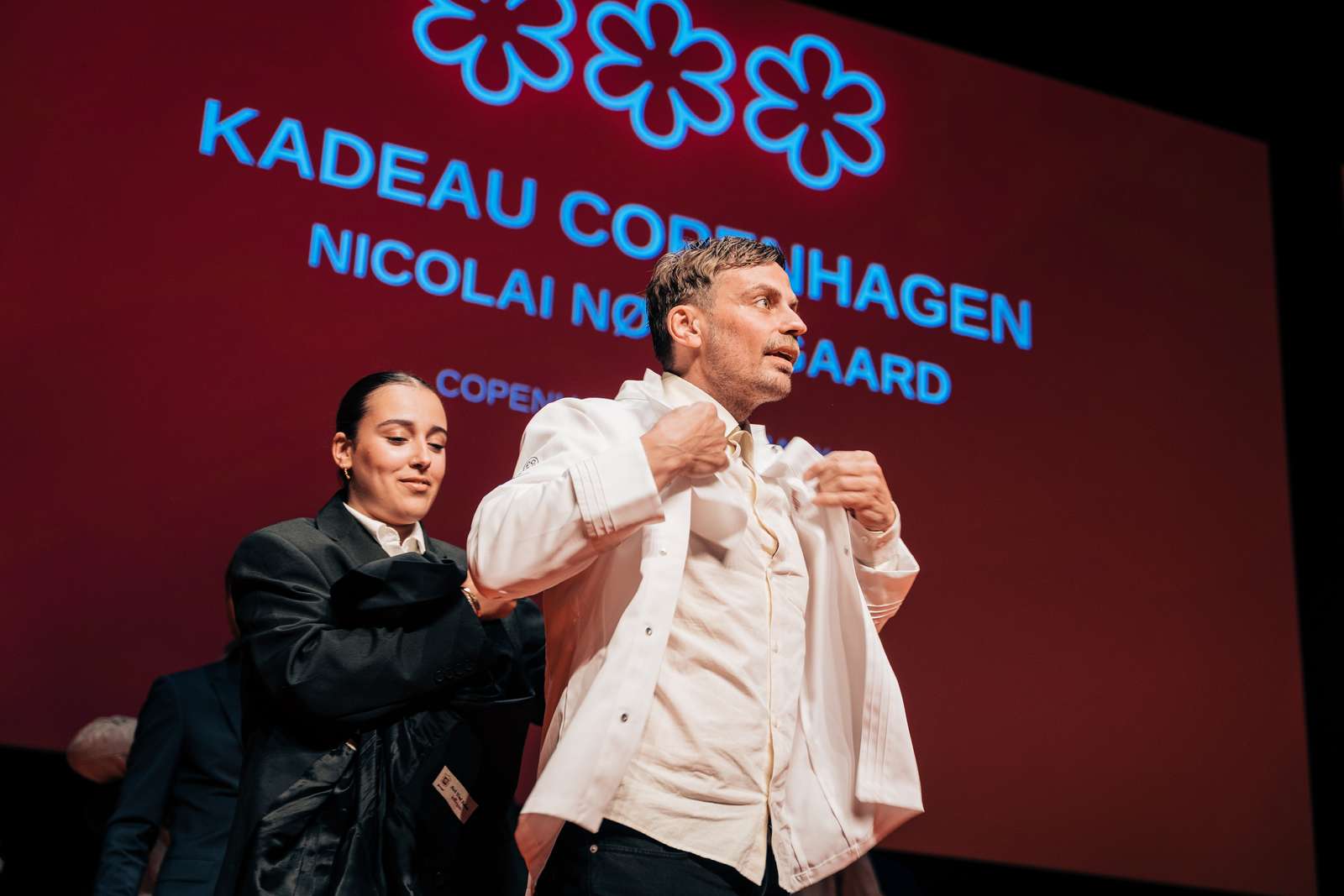
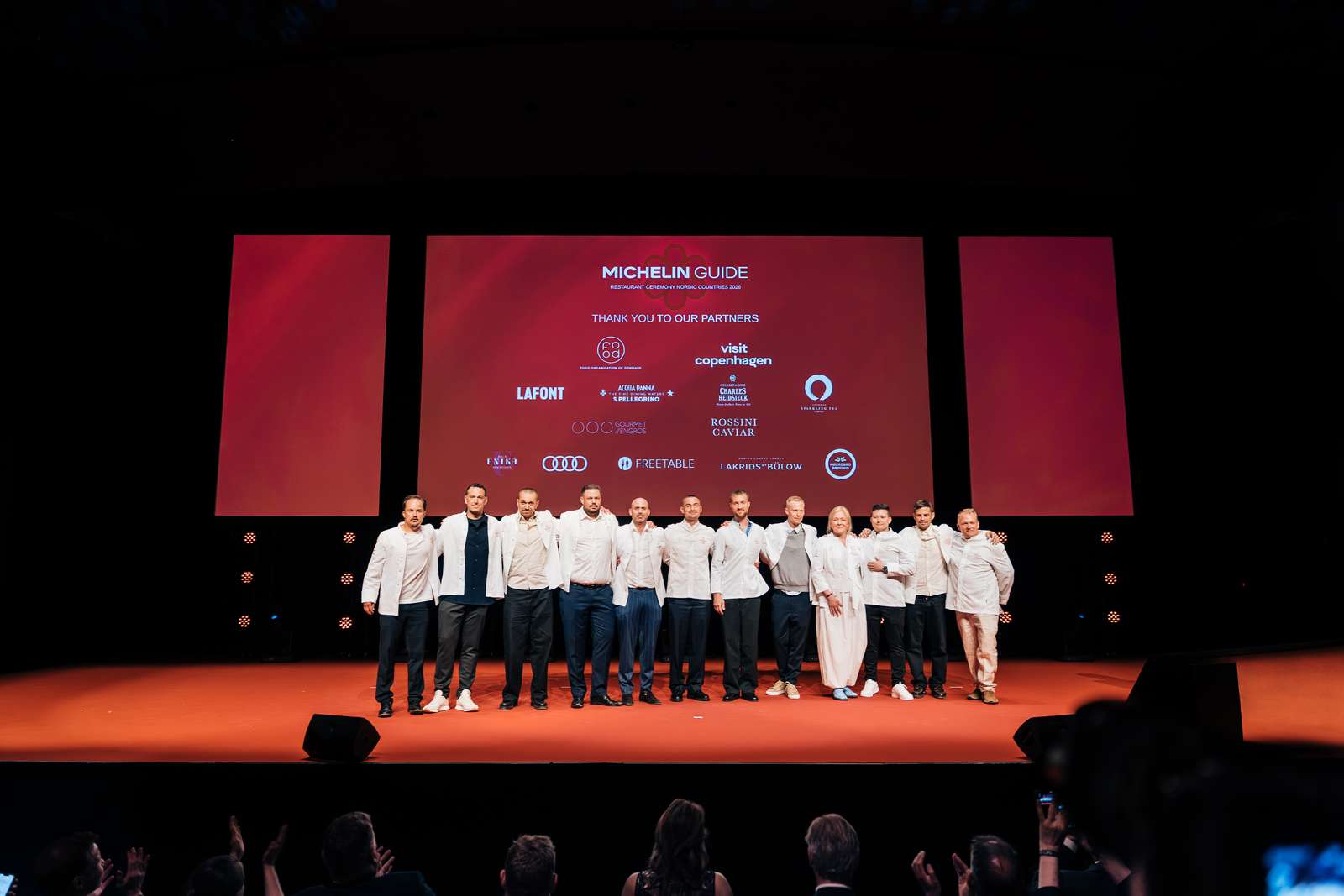
The Nordic restaurant scene reached a historic milestone yesterday evening as Kadeau Copenhagen was awarded its third MICHELIN Star at the MICHELIN Guide Nordic Countries 2026 ceremony, cementing chef and founder Nicolai Nørregaard's place among the world's culinary elite. Held before an audience of chefs, restaurateurs, and industry leaders from across the region, the annual ceremony highlighted not only the extraordinary quality of Nordic gastronomy but also a growing sense of community, responsibility, and evolution within the industry. For many, the evening belonged to Kadeau.

After earning its first MICHELIN Star in 2013 and a second in 2018, the Copenhagen restaurant finally reached the guide's highest distinction. According to MICHELIN inspectors, Kadeau's cooking has achieved a rare balance of technical precision, emotional depth, and a profound sense of place, drawing much of its produce and inspiration from the island of Bornholm. Moments after receiving the award, Nørregaard was still processing the news.

"I have no idea how it feels yet," he admitted. "It's been a long build-up. You hear people talking and, no matter what, it gets into your head."

The self-taught chef claims that thrnever been a specific target. Instead, the driving force has always been a desire to improve.

"The changing of the seasons forces us to be creative," he said. "We need to make it better than last year, better than six months ago. Maybe that's what keeps pushing us."

When asked what the distinction meant to him, the usually composed chef became emotional.

"It means everything."

Yet Nørregaard was quick to redirect attention towards the team around him, many of whom have worked alongside him for more than a decade.

"A lot of our senior team members have been with us for between five and 12 years," he said. "Of course, it means a lot to build on that."

That sense of loyalty and long-term commitment emerged as one of the defining themes of this year's guide.

Speaking after the ceremony, MICHELIN's anonymous chief inspector described Nordic gastronomy as something unique within the global restaurant landscape.

"What we saw on stage this evening reflects something very special about the Nordics," he said. "It's really a family event. Eating and gastronomy seem to bring people together."

The inspector pointed to the strong emotional bonds within many of the region's leading restaurants. At newly starred ESSE in Copenhagen, for example, much of chef Matthew Orlando's former Amass team returned to work with him when he launched his new project.

While sustainability continues to be a major focus throughout the Nordic restaurant scene, the inspector suggested that responsibility has become equally important.

"I see sustainability, but I also see responsibility," he explained.

The year's awards reflected a dining culture that continues to evolve. Two restaurants were promoted from one to two stars: Gaptrast in Bergen and Grön in Helsinki, both praised for highly refined cooking delivered in a relaxed and contemporary setting.

Nine restaurants received their first MICHELIN Star, including ESSE, Lille Mølle, and Okê in Denmark; Boreal in Finland; and Credo, Kvitnes Gård, and Mirabelle by Ørjan Johannessen in Norway.

According to the chief inspector, another notable trend is the emergence of more flexible restaurant models. Rather than focusing exclusively on lengthy tasting menus, some chefs are finding ways to serve their local communities throughout the day.

"We're seeing more restaurants offering different experiences at different times," he said. "Perhaps lighter lunches, à la carte options, or shorter menus alongside more ambitious evening offerings."

At the same time, intimate counter-dining concepts continue to gain momentum, with guests increasingly seated around open kitchens where they become part of the experience itself.

The inspector also pushed back against recurring suggestions that fine dining is losing relevance.

"There is no single trend," he said. "Some restaurants are full as soon as reservations are released. Others are quieter. It depends on how well restaurants connect with their guests."

The success of both Grön and Gaptrast would appear to support that view. While firmly rooted in fine dining, both restaurants embrace a more relaxed approach to hospitality, reflecting a broader shift away from formality without compromising culinary ambition.

For Sweden, the evening brought no new stars, but there was still recognition for some of the country's leading talents. Carl Frosterud of Stockholm's two-star AIRA received the MICHELIN Service Award, while Adam Dahlberg and Albin Wessman were honoured with the MICHELIN Opening of the Year Award for their new Stockholm restaurant Adam Albin.

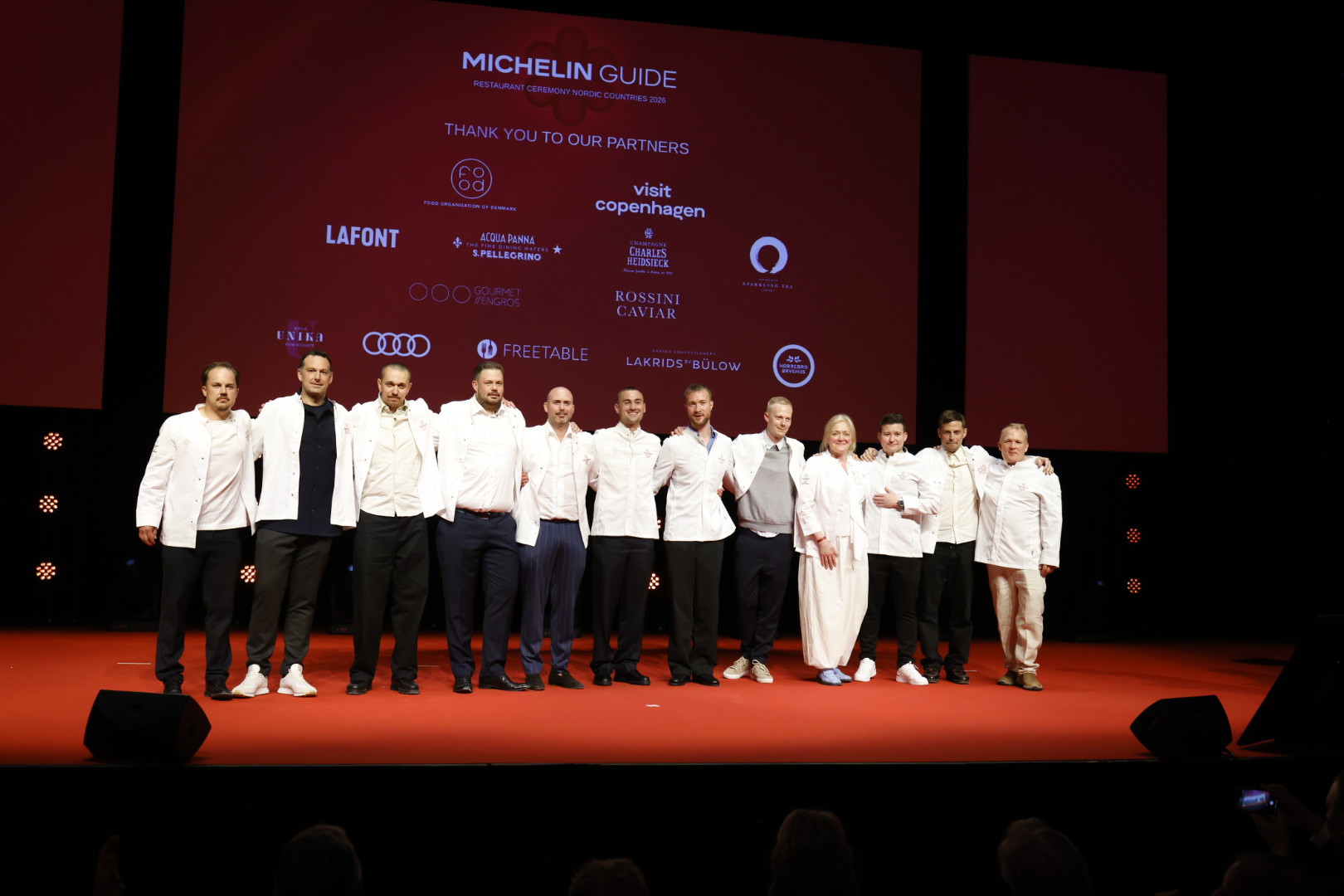
In total, the 2026 MICHELIN Guide Nordic Countries recommends 286 restaurants across the region, including six three-star establishments, 15 two-star restaurants, 78 one-star restaurants, and 48 Bib Gourmand selections.

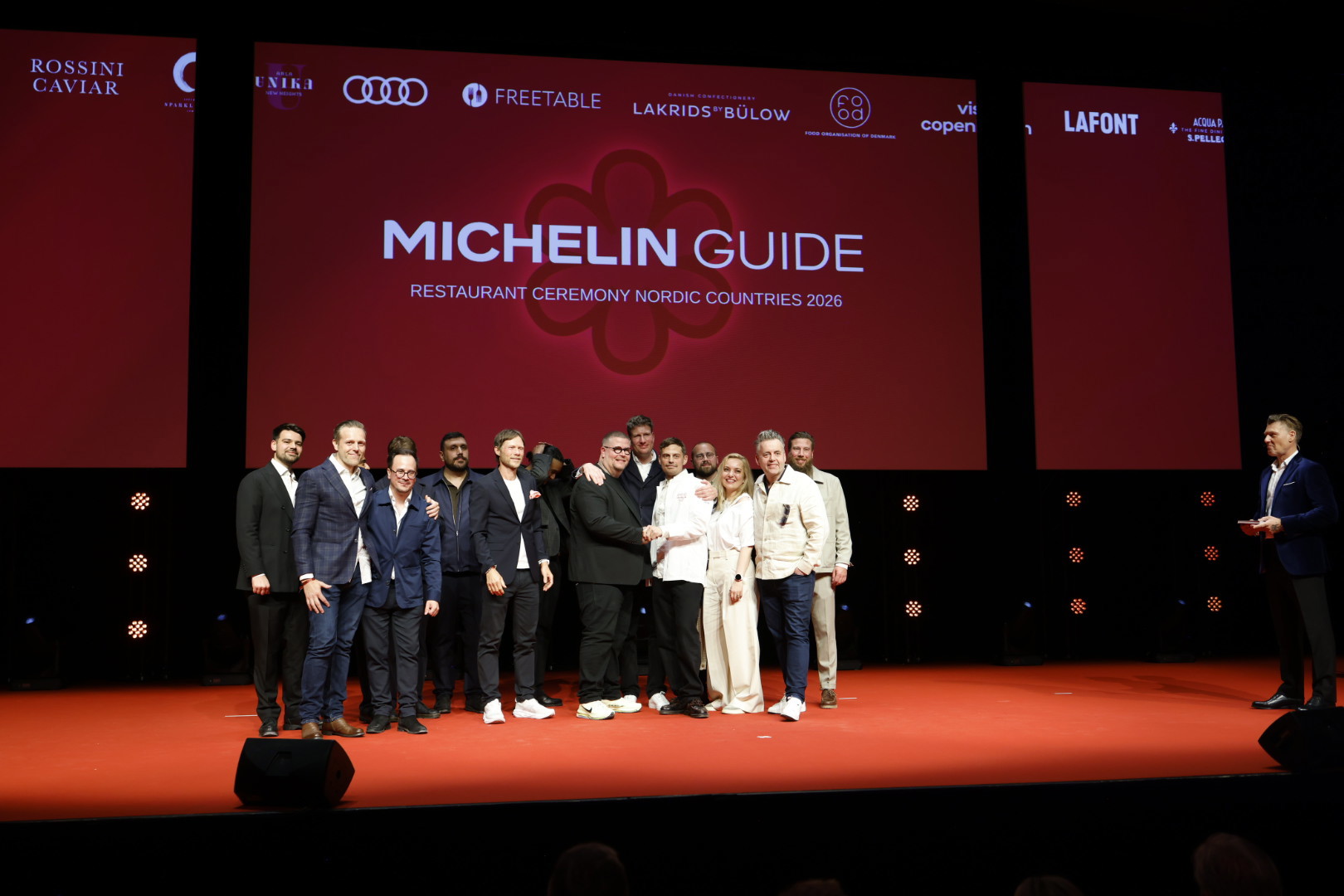
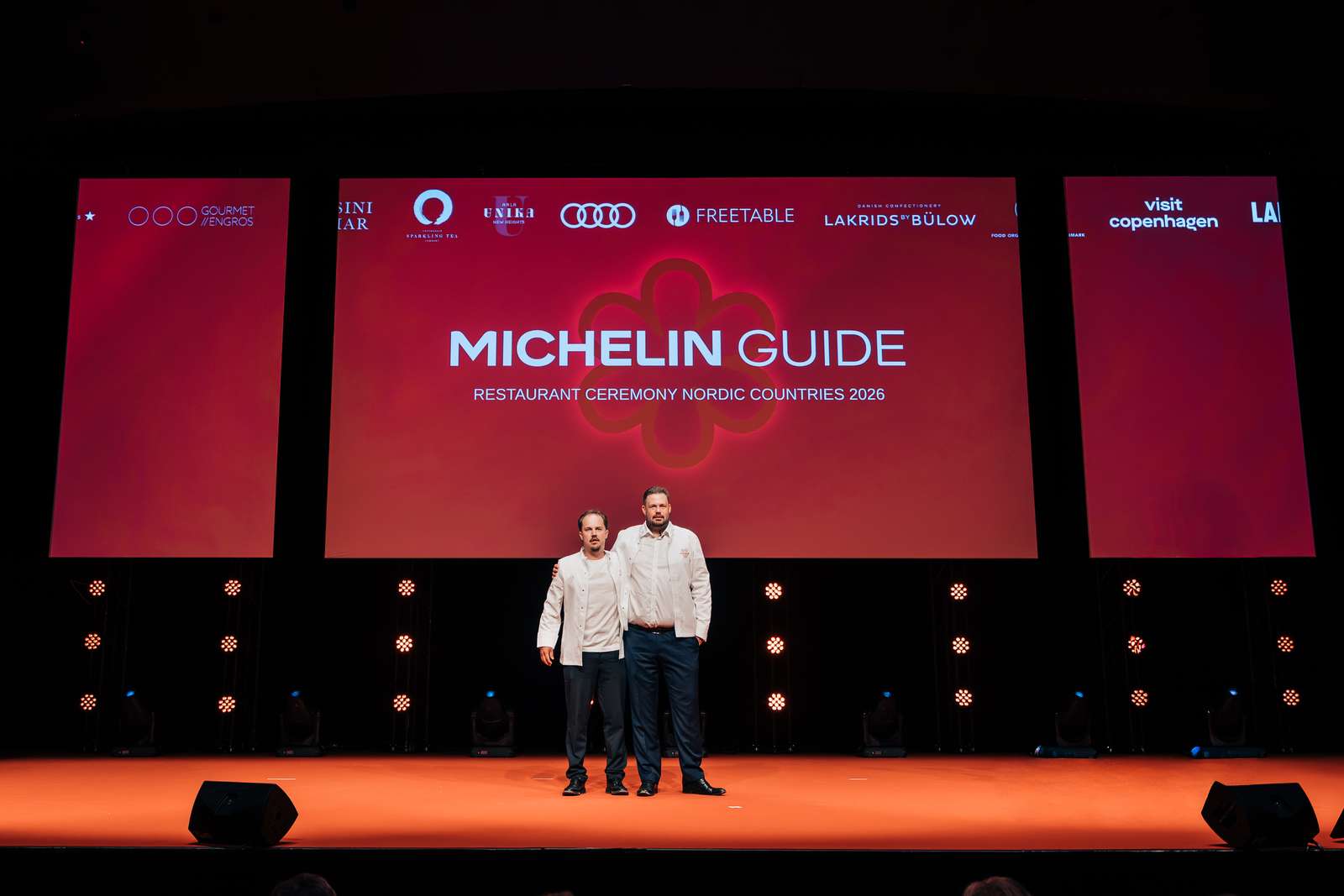
Yet when the celebrations had ended and the awards handed out, one image remained: Nicolai Nørregaard surrounded by a team that has spent years building something uniquely their own.

For MICHELIN, Kadeau has now reached the summit. For Nørregaard and his team, the journey that began on Bornholm has become one of the defining success stories in modern Nordic gastronomy.

Tove Oskarsson Henckel
Find out more
1 / 12