Skip to content
© Katerina Bengtsson Kupcik

Sweden’s Blue Food Revolution

Fine Dining
Sweden

Along Sweden’s wild West Coast, oysters, mussels, and seaweed are redefining Nordic cuisine. From Gothenburg’s cutting-edge kitchens to remote archipelago farms, “blue food” is leading a deliciously sustainable shift.

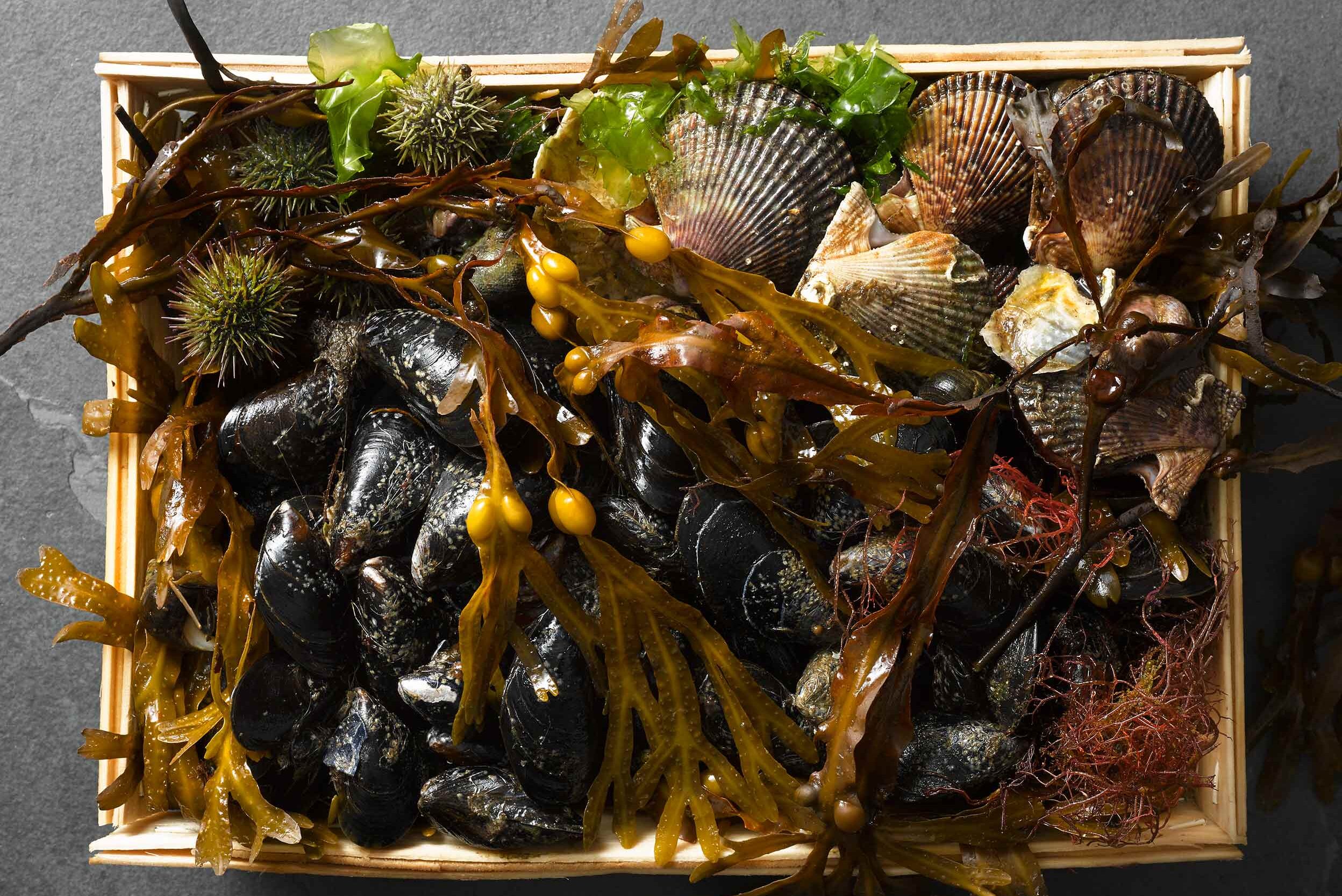
From the clear, cold waters of Sweden’s West Coast to the creative kitchens of Gothenburg, “blue food” is making waves in contemporary Nordic cuisine. The term describes sustainable, nutrient-rich ingredients from the sea—such as seaweed, mussels, oysters, and other farmed or wild marine delicacies—that can help feed a growing world with a lighter climate footprint. As chefs, producers, and foragers embrace this ocean larder, blue food is emerging as both a culinary trend and a forward-looking response to environmental challenges.

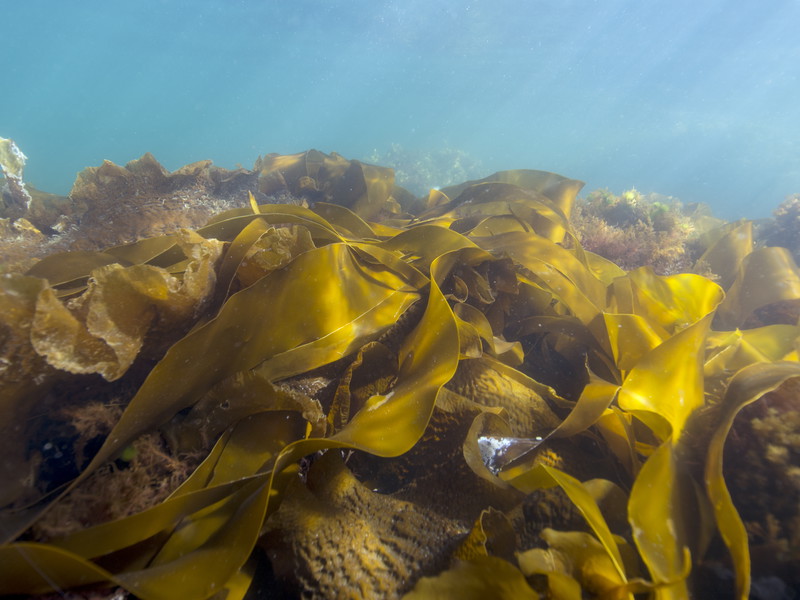
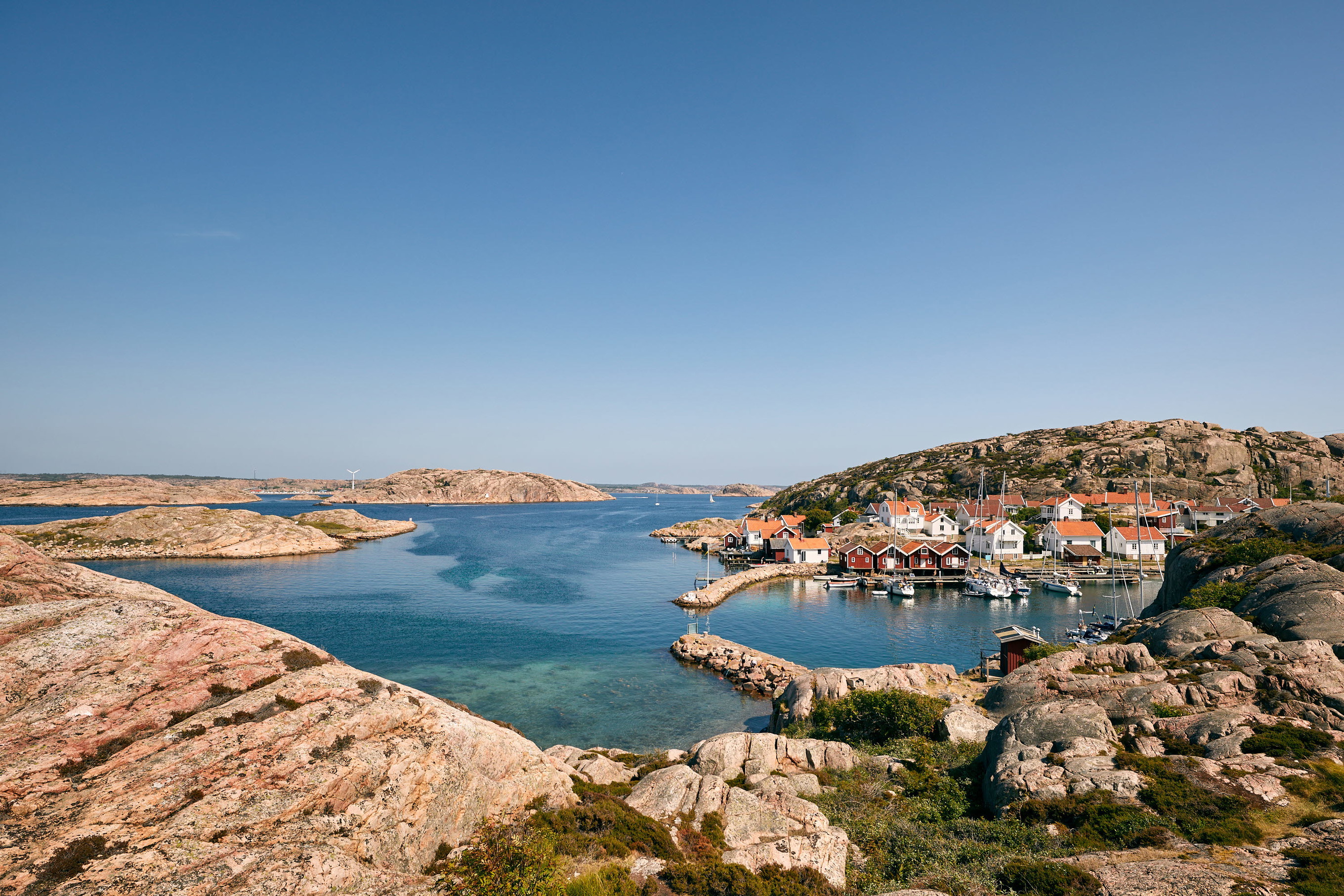
Along the Bohuslän coastline and in the Gothenburg archipelago, the movement is particularly vibrant. Here, long traditions of fishing meet cutting-edge ideas in aquaculture and foraging, with seaweed farms, shellfish safaris, and chef-driven collaborations drawing in curious diners from Sweden and abroad. What was once seen as seaside scenery—kelp forests, mussel ropes, rocky oyster beds—is now being recognized as one of the region’s greatest gastronomic assets.

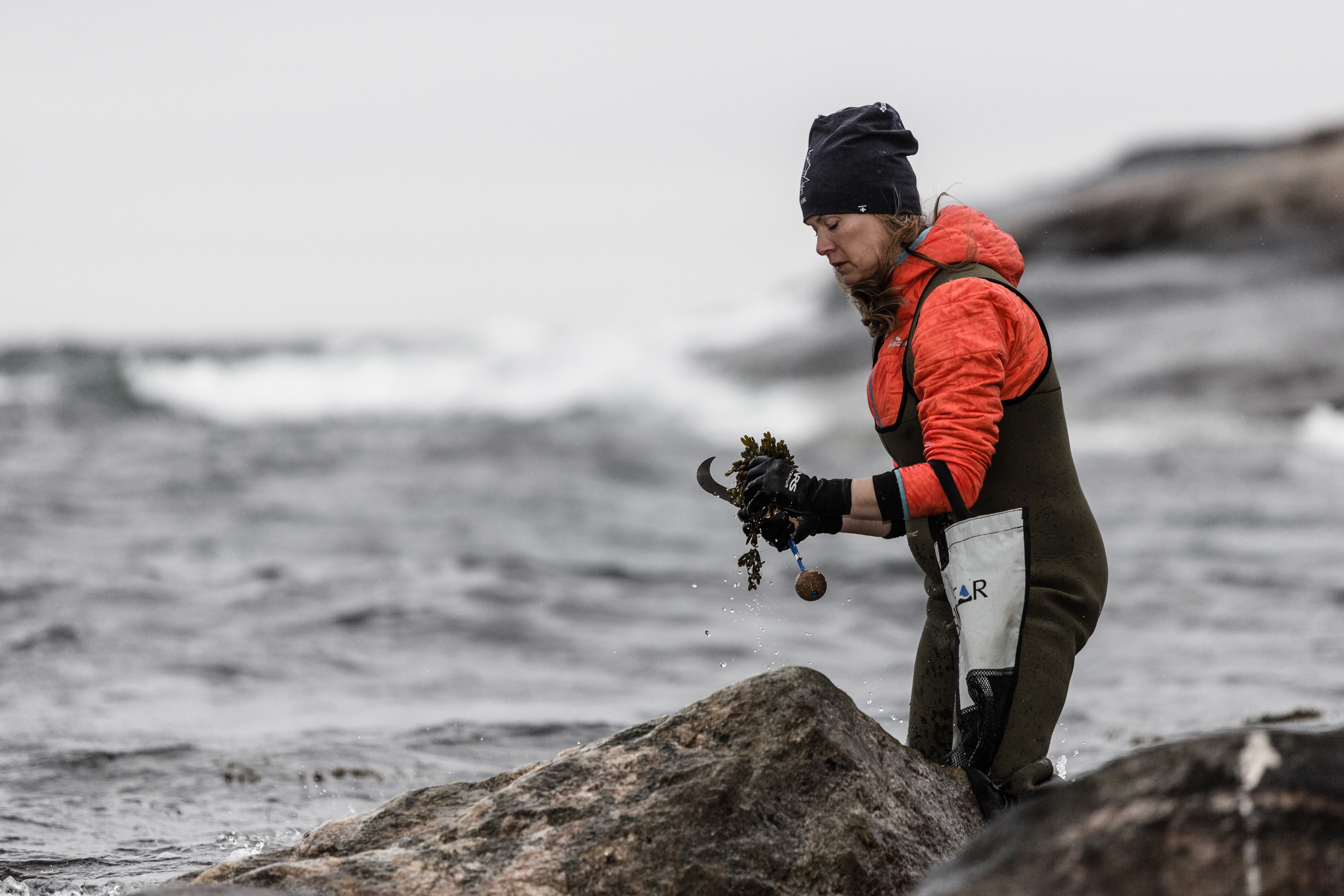
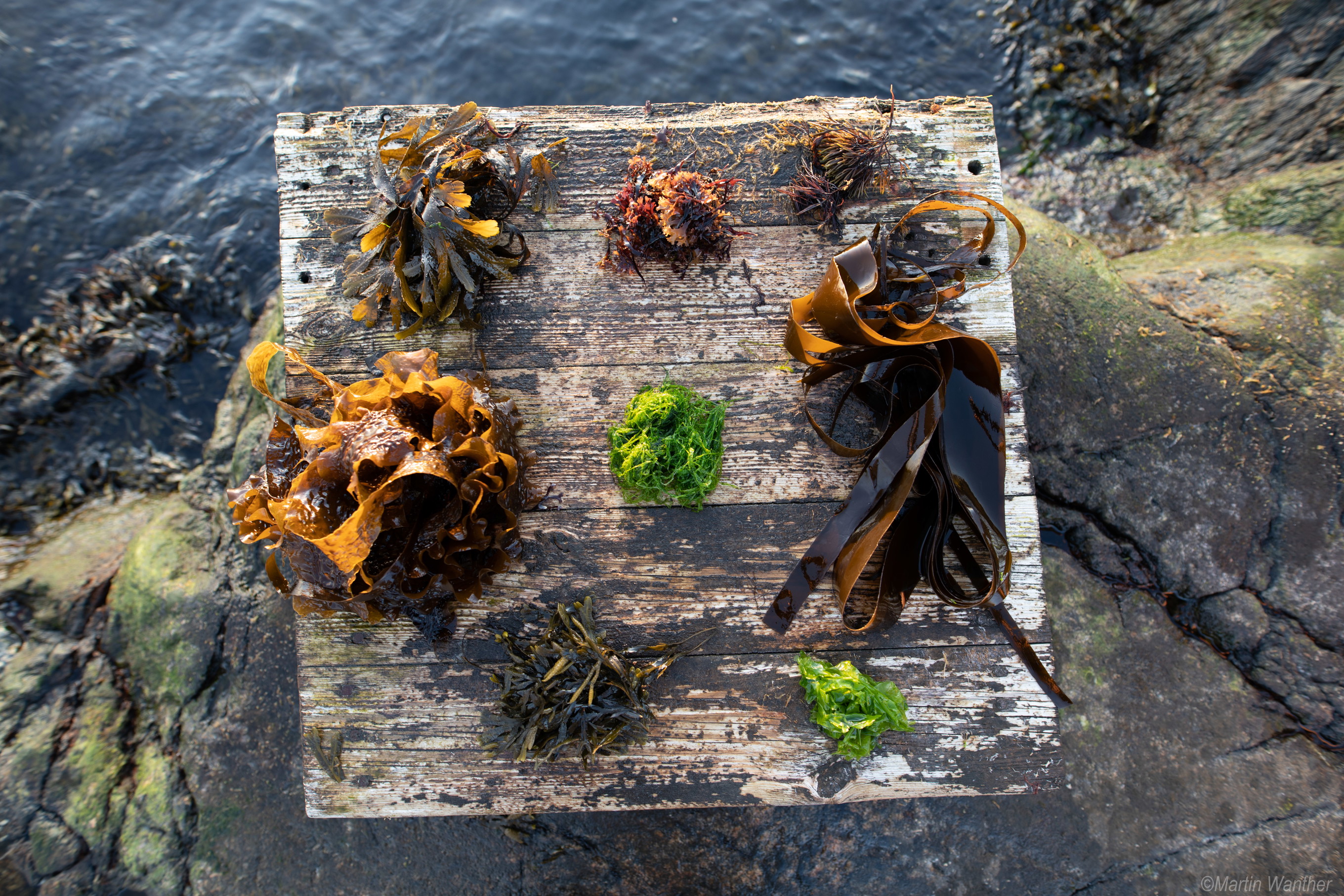
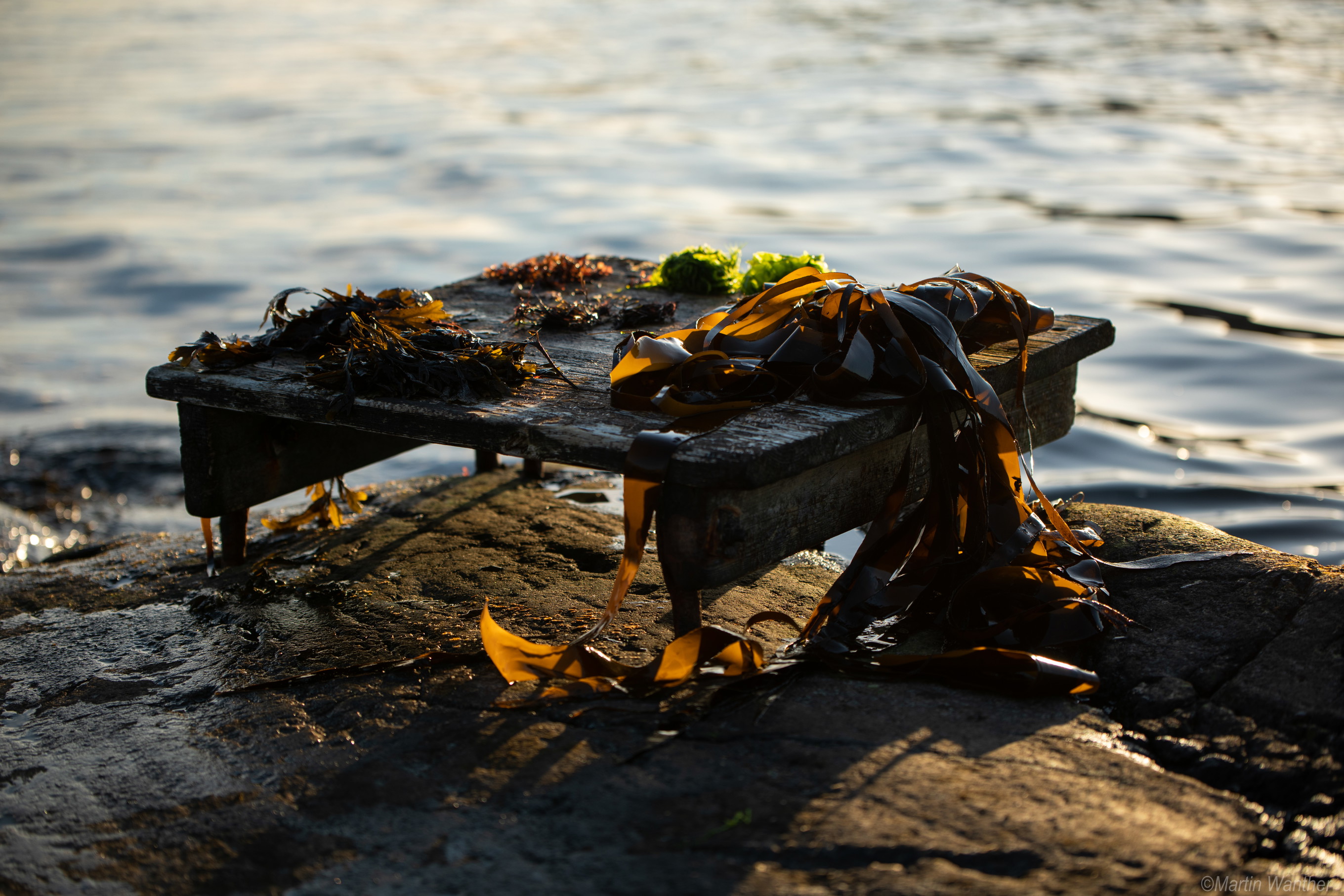
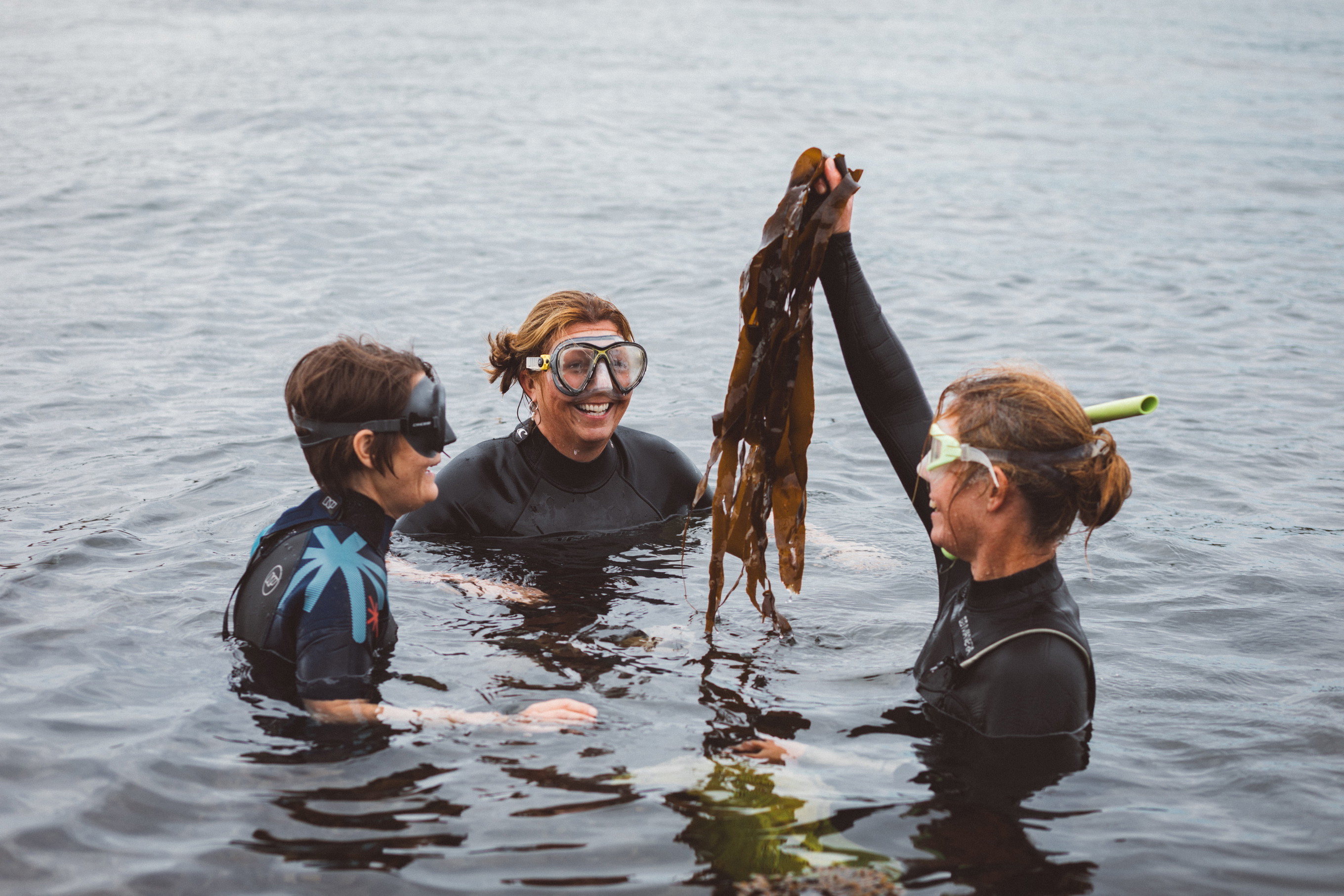
Seaweed is a familiar sight along Sweden’s West Coast, carpeting rocks and drifting in the shallows, but few have viewed it as a gourmet ingredient. For Linnéa Sjögren, founder of Catxalot, seaweed has become both a profession and a passion, after years spent harvesting marine algae for leading Swedish restaurants and exploring its many culinary and nutritional possibilities. Today, she shares this expertise through hands-on workshops and coastal retreats that invite guests to experience seaweed up close.

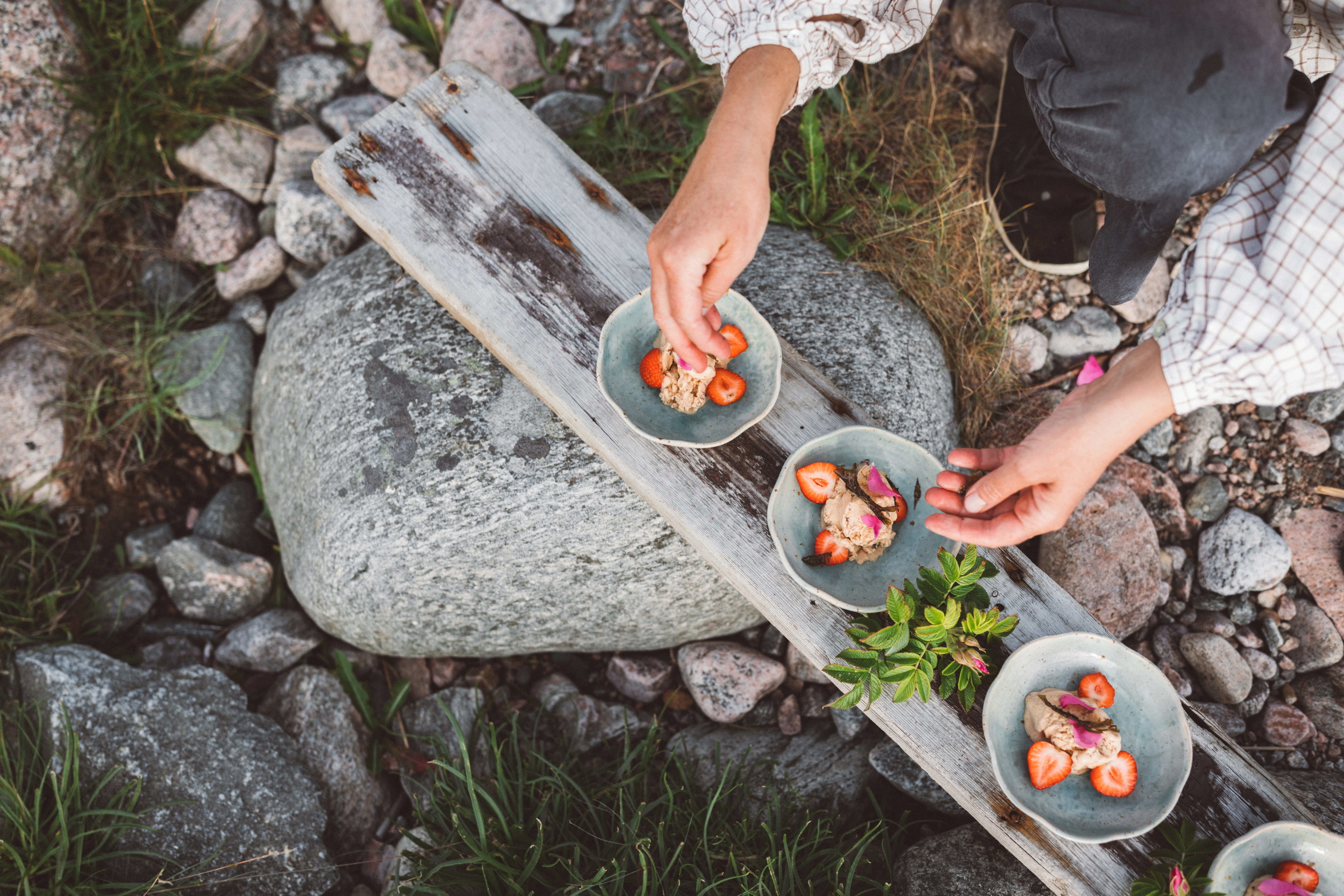
Catxalot is based in the small seaside community of Grebbestad on the West Coast, but its activities extend to popular coastal destinations such as Smögen and Grundsund, as well as to larger cities including Gothenburg, Stockholm, and Malmö. A centerpiece of the program is a two-night retreat where guests learn to identify and harvest edible seaweed sustainably, then transform their finds into flavorful dishes in a communal seaside kitchen, for example in Stockevik near the traditional fishing village of Fiskebäckskil. Wild swims, guided foraging sessions, and discussions about nutrition and sustainability are all part of the experience, and seafood lovers can add seasonal extras such as lobster (October to December) or langoustines, which are available year-round.

Address: Grebbestad, Sweden
Website

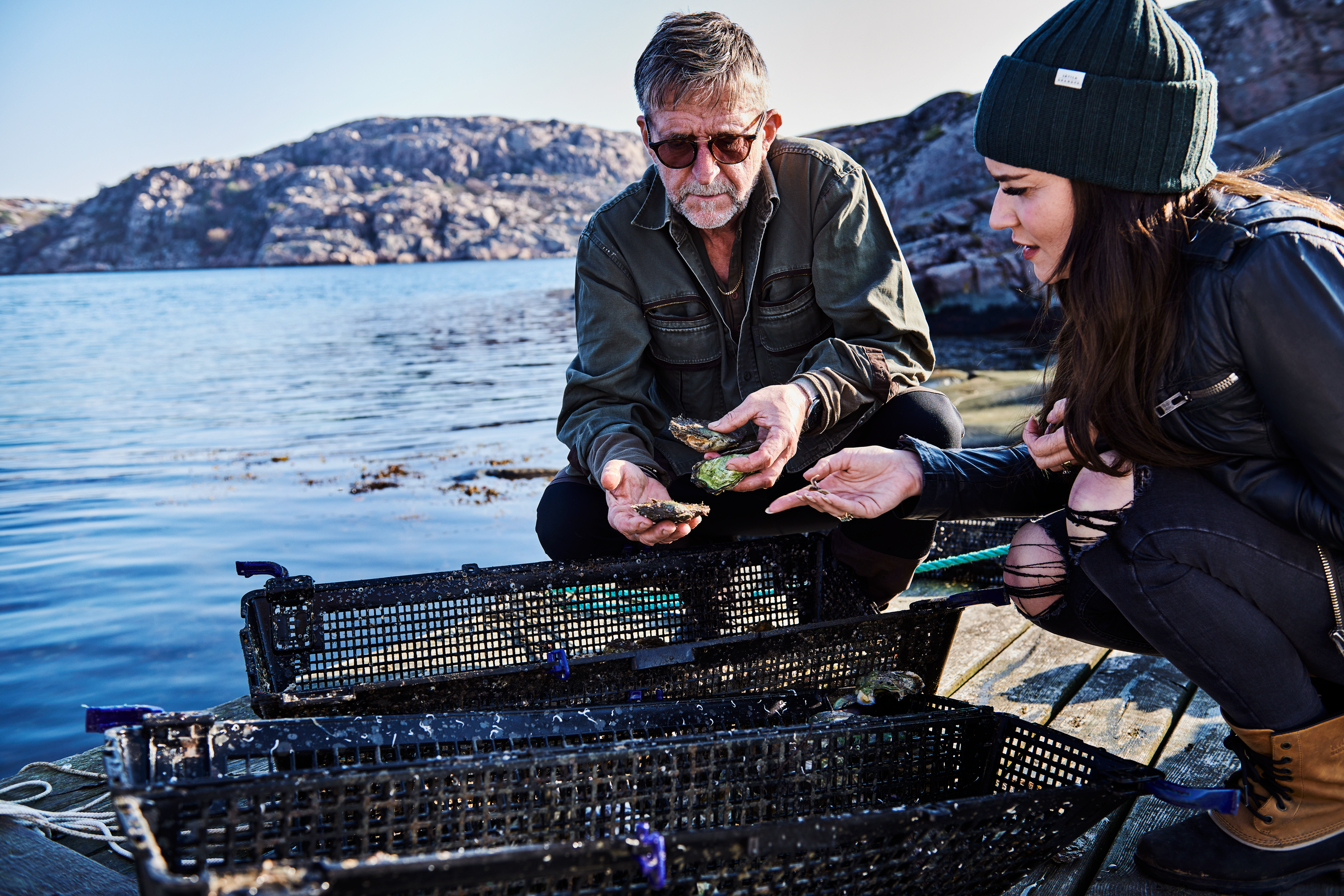
In the northern harbor of the town of Lysekil, where rust-red granite cliffs frame deep-blue water, classic wooden yacht Signe sets the stage for a true shellfish adventure. Guests step aboard in the Norra hamnen (north harbor) and head out into the protected Gullmarsfjord and the open Skagerrak, Sweden’s primary marine research fjord and a hotspot for shellfish. On these tours, Lysekils Ostron & Musslor gives visitors a rare glimpse into the world of mussel and oyster cultivation.

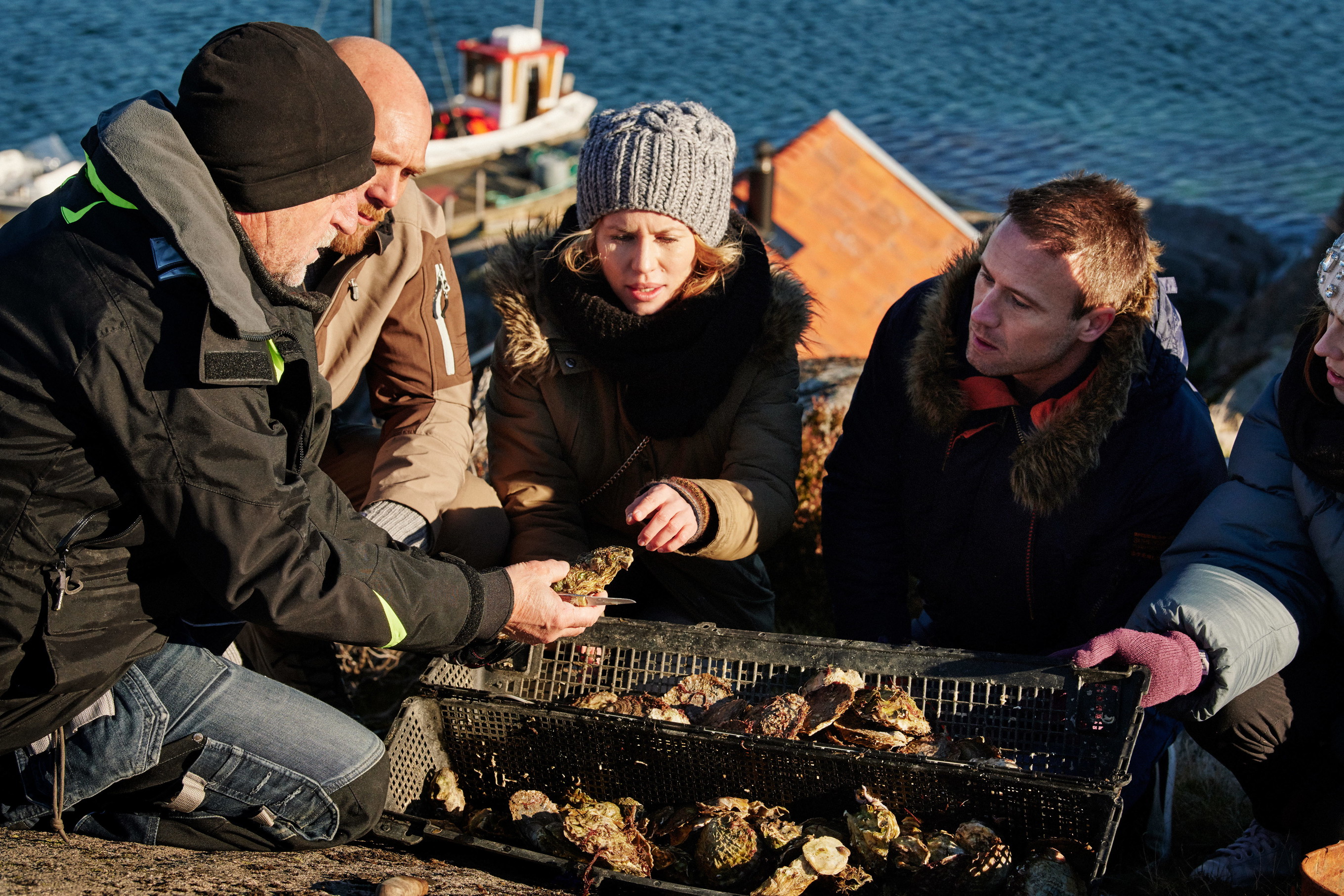
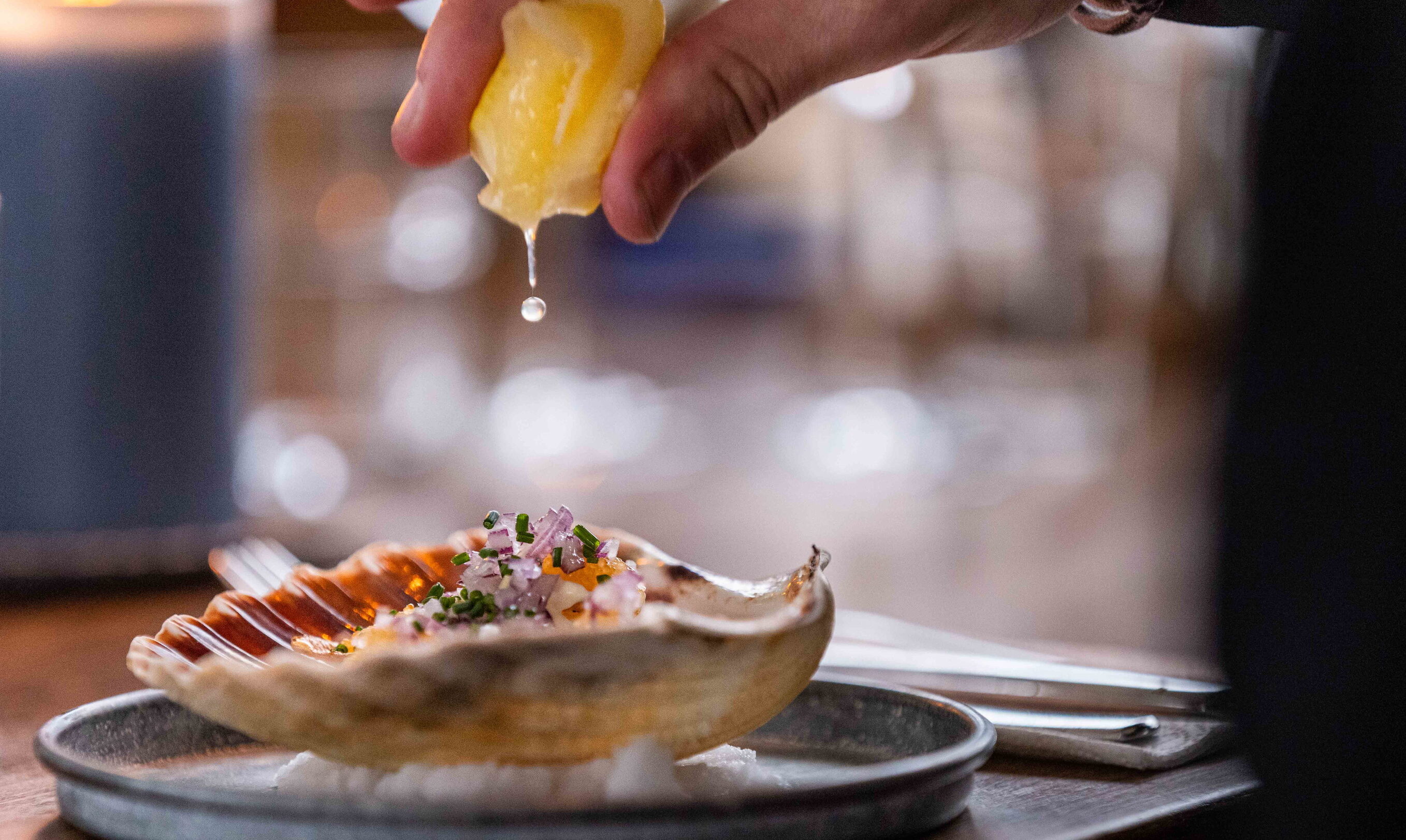
The journey includes a stop at mussel farms in the archipelago to see how the shellfish grow suspended in the nutrient-rich currents, followed by a visit to oyster beds that are home to Sweden’s native flat oyster, Ostrea edulis. On the tiny island of Käringeholmen, freshly harvested oysters are opened on the rocks and served alongside steaming mussels cooked in wine and cream—a quintessential West Coast feast. Lars and Maivor Marstone have spent more than two decades refining these experiences, which are also offered as part of packages at regional hotels such as Vann, Slipens, and Strandflickorna, each featuring a two-course seafood dinner back on dry land.

Address: Norra hamnen, Lysekil, Sweden
Website

Founded in 2020 but rooted in generations of fishing and farming, family-run Tångkullan has quickly become a key name in Sweden’s emerging seaweed scene. The project grew out of long open-water swims along the coast, which sparked the family’s curiosity about the underwater forests they passed every day. That curiosity led to the creation of what is described as Sweden’s first community-supported seaweed farm, inviting consumers to support cultivation in return for regular deliveries of fresh seaweed.

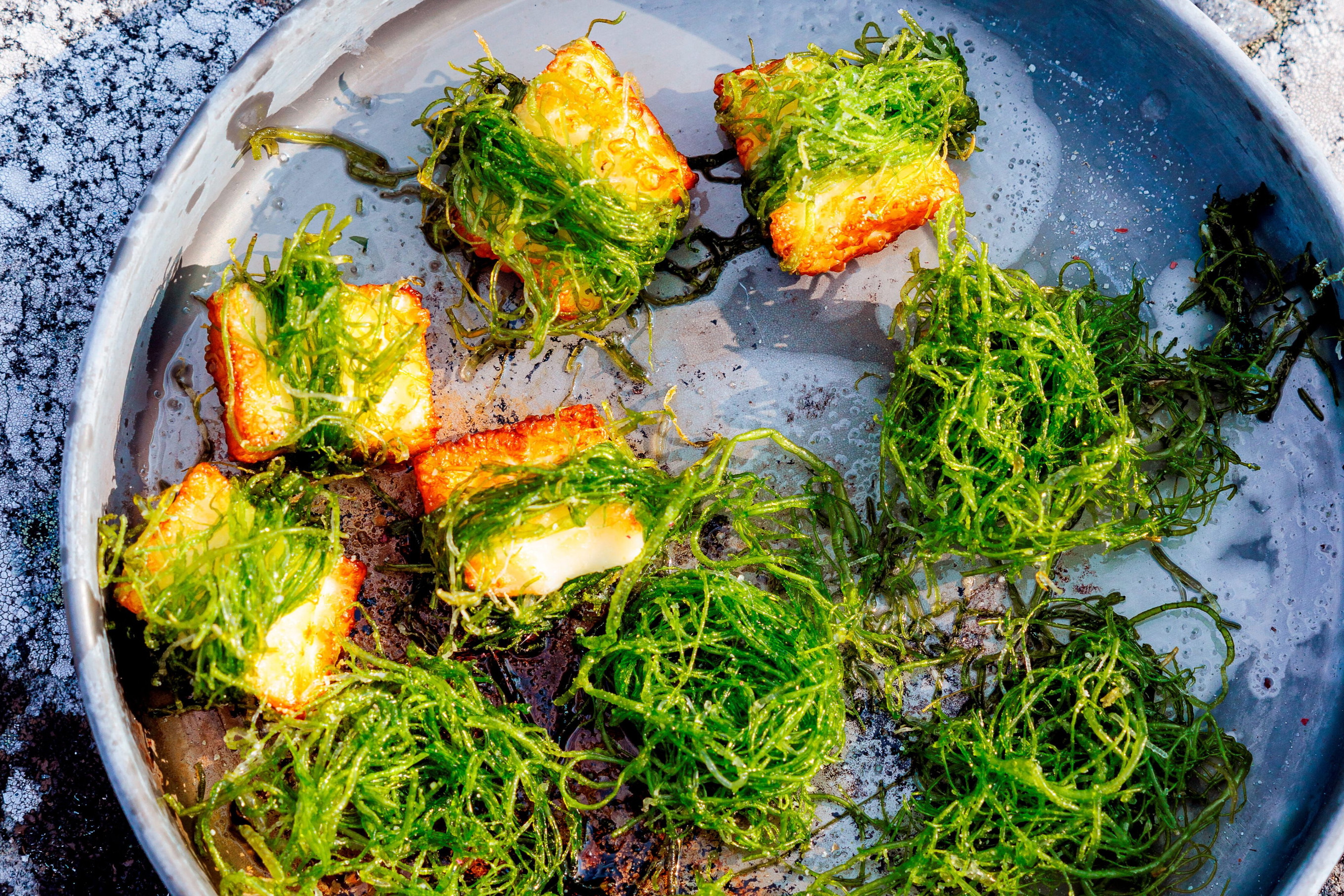
Beyond farming, Tångkullan is winning fans with its inventive pop-up kitchen, Tångeriet, which appears in unexpected locations and collaborates with other local producers. Menus might feature grilled cheese sandwiches enriched with seaweed, seaweed sorbet, or other playful dishes that highlight marine flavors in accessible, comforting formats. Those who cannot attend a pop-up can order curated seaweed boxes, packed with hand-harvested varieties and easy-to-follow recipes, making it simple for home cooks to start incorporating sea greens into everyday meals.

Address: Sunnanö 141, Borlänge, Sweden
Website

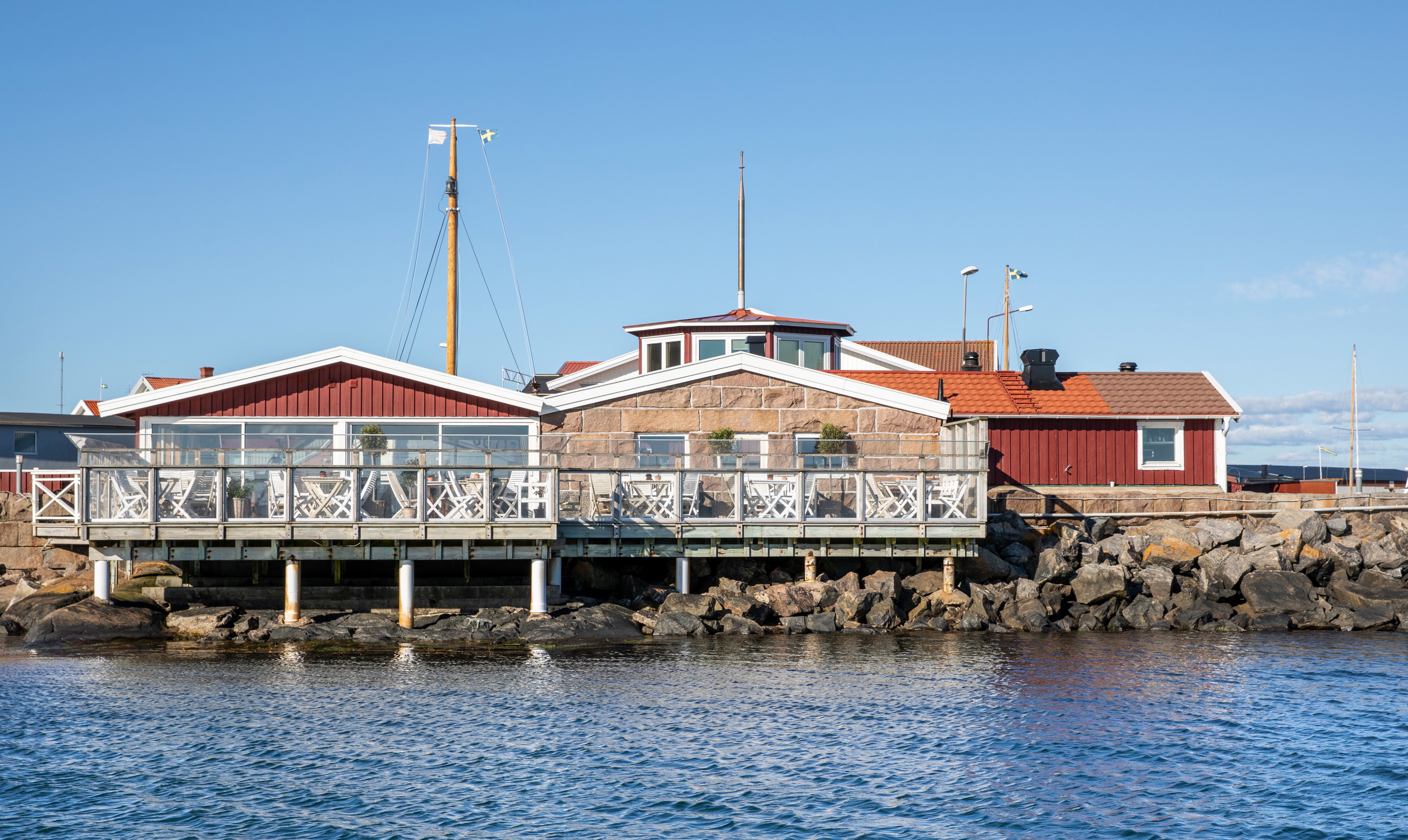
On Hönö, one of the islands in the Gothenburg archipelago, Tullhuset is a beloved address for seafood enthusiasts. Overlooking the harbor, the restaurant is run by Preben and Sofie Pedersen, who focus on local, seasonal ingredients sourced from the surrounding waters and small-scale producers. In recent years, that philosophy has naturally expanded to include seaweed, supplied by hand-harvesting specialist Cassandra Köbbel of Ten Island Seafarm.

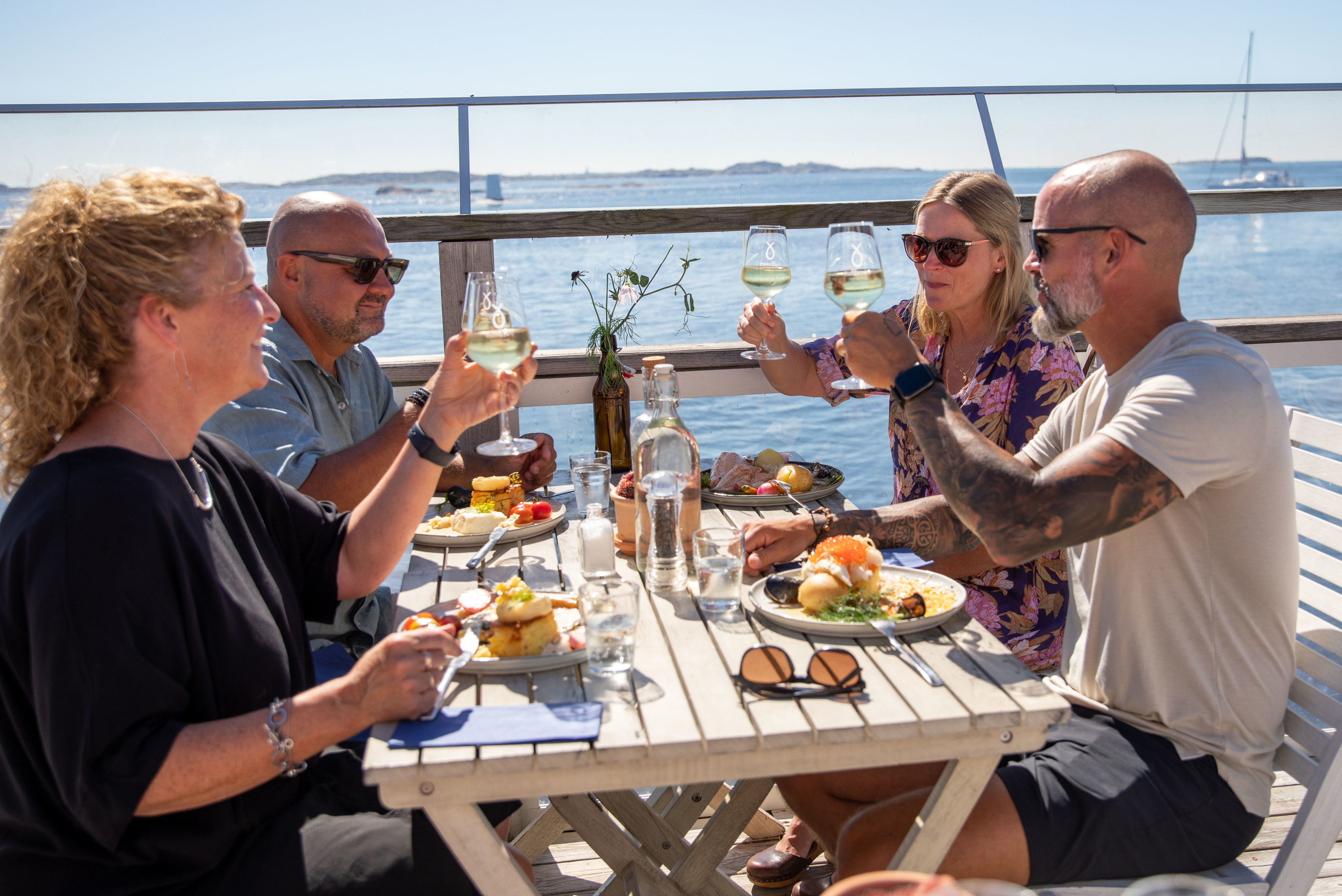
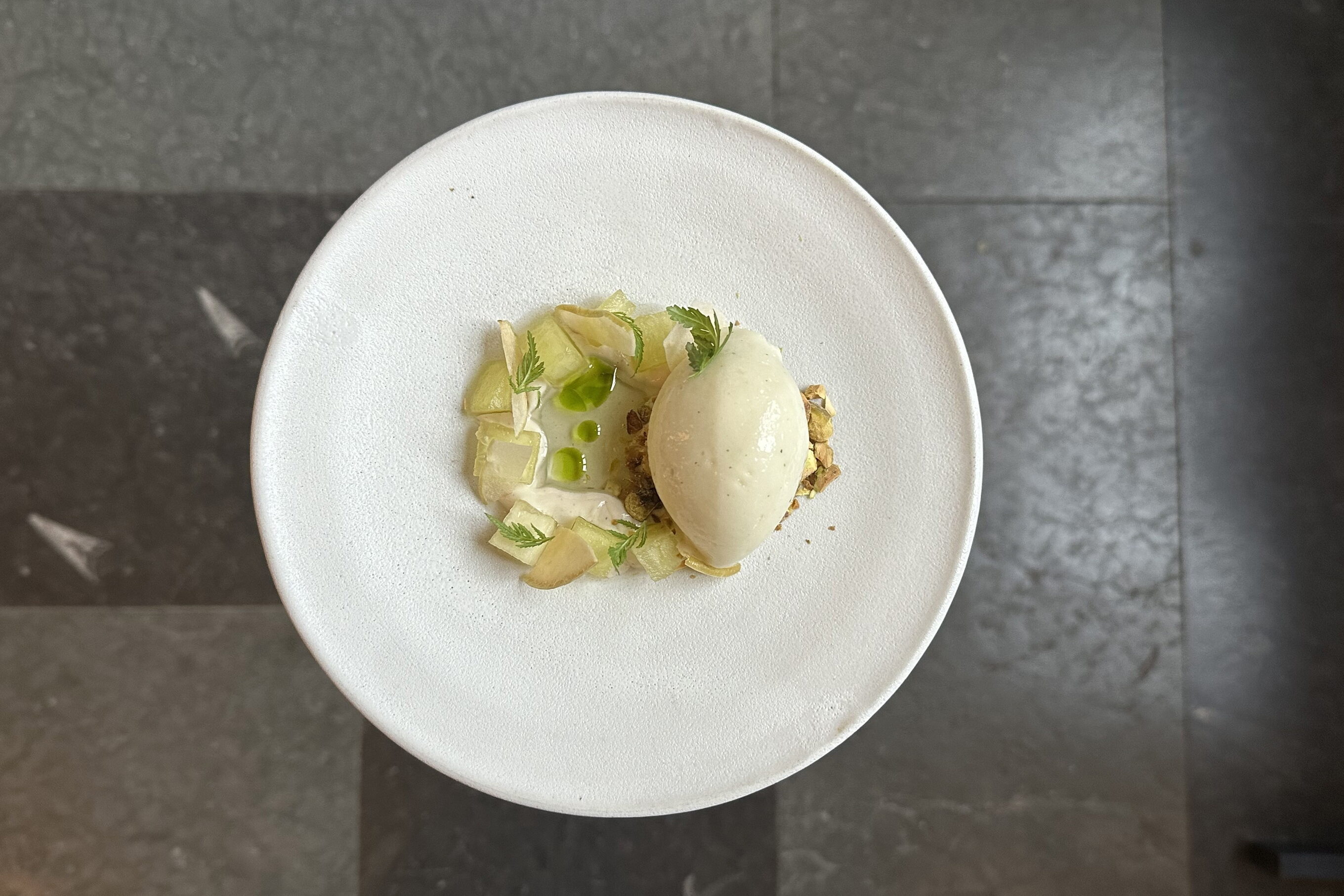
At Tullhuset, seaweed is woven thoughtfully into the menu, appearing in smoky appetizers, in richly flavored sauces, and even in sweet, candied desserts. A signature dish is the restaurant’s much-talked-about fish gratin, baked with the day’s catch, mussels, prawns, duchess potatoes, and a luxurious lobster sauce—an elevated take on a traditional Scandinavian comfort dish. At the bar, guests can explore seaweed in liquid form, with offerings like seaweed-infused gin, seaweed soda, and Tångkraft, an organic drink made from seaweed that showcases its savory, mineral character in a refreshing way.

Address: Västra vägen 3, Hönö, Sweden
Website

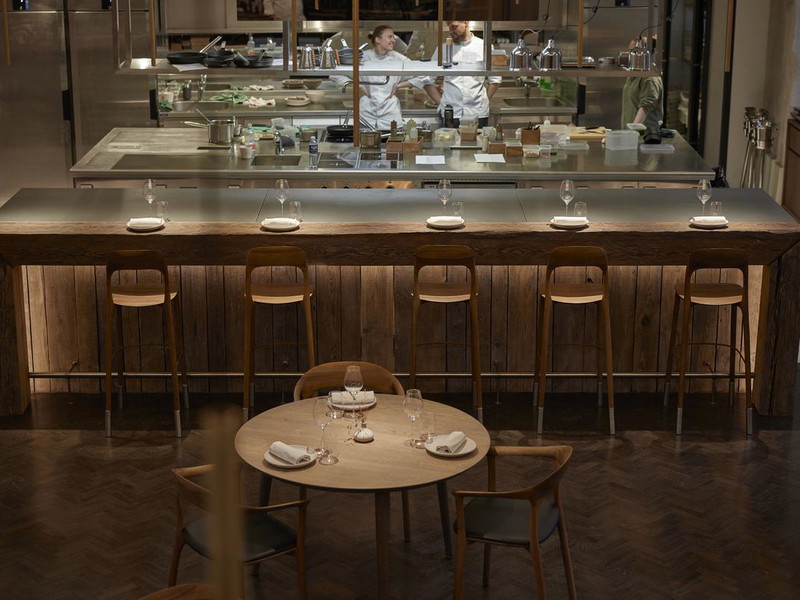
In the heart of Gothenburg, within the city’s grand former post office building near the central station, fine-dining restaurant Vrå presents an elegant marriage of Nordic terroir and Japanese technique. The kitchen works closely with small-scale fishers, farmers, and Ten Island Seafarm to source sustainable seafood, vegetables, and seaweed, creating menus that feel both rooted in the Swedish West Coast and inspired by Japan.

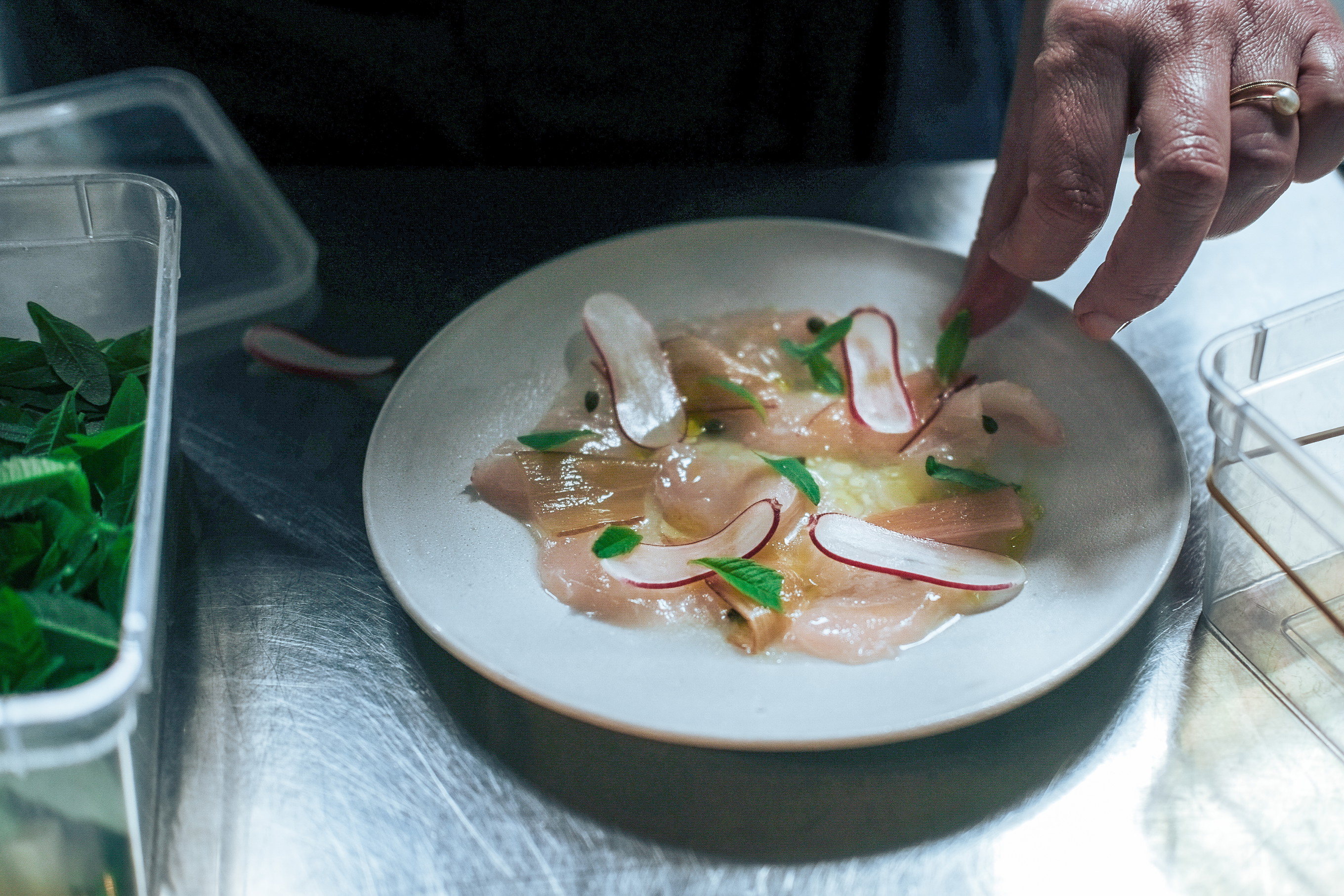
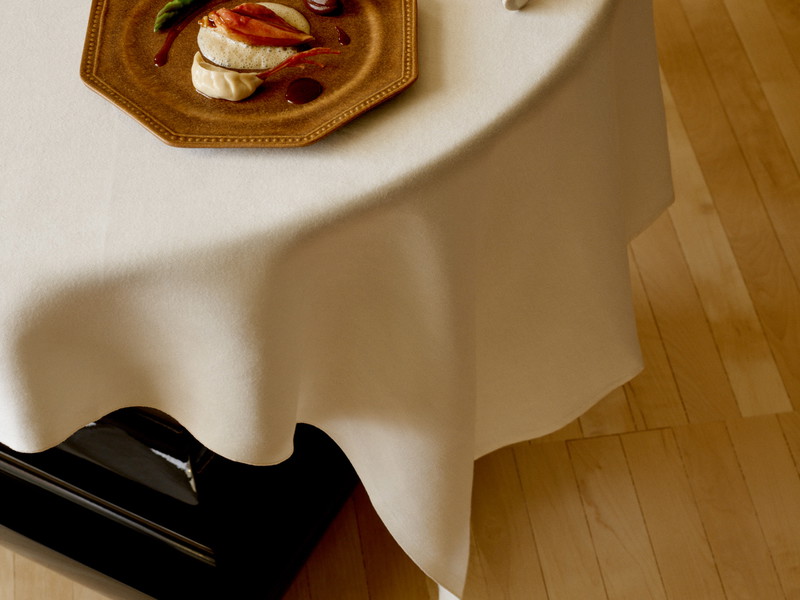
Diners can expect refined plates such as creamy potato purée dusted with smoked mussel powder, delicate sashimi accented with shiso and ponzu, or salt-baked celeriac served with grilled leek, pickled wild garlic, and smoky sugar kelp. The dramatic dining room, with its industrial windows, glass-fronted booths, and atmospheric lighting, forms a striking backdrop for multi-course tasting menus that highlight the complexity and purity of regional ingredients. With its focus on precision and produce, Vrå has become a benchmark for the blue food movement in an urban fine-dining context.

Address: Drottningtorget 10, Gothenburg, Sweden
Website
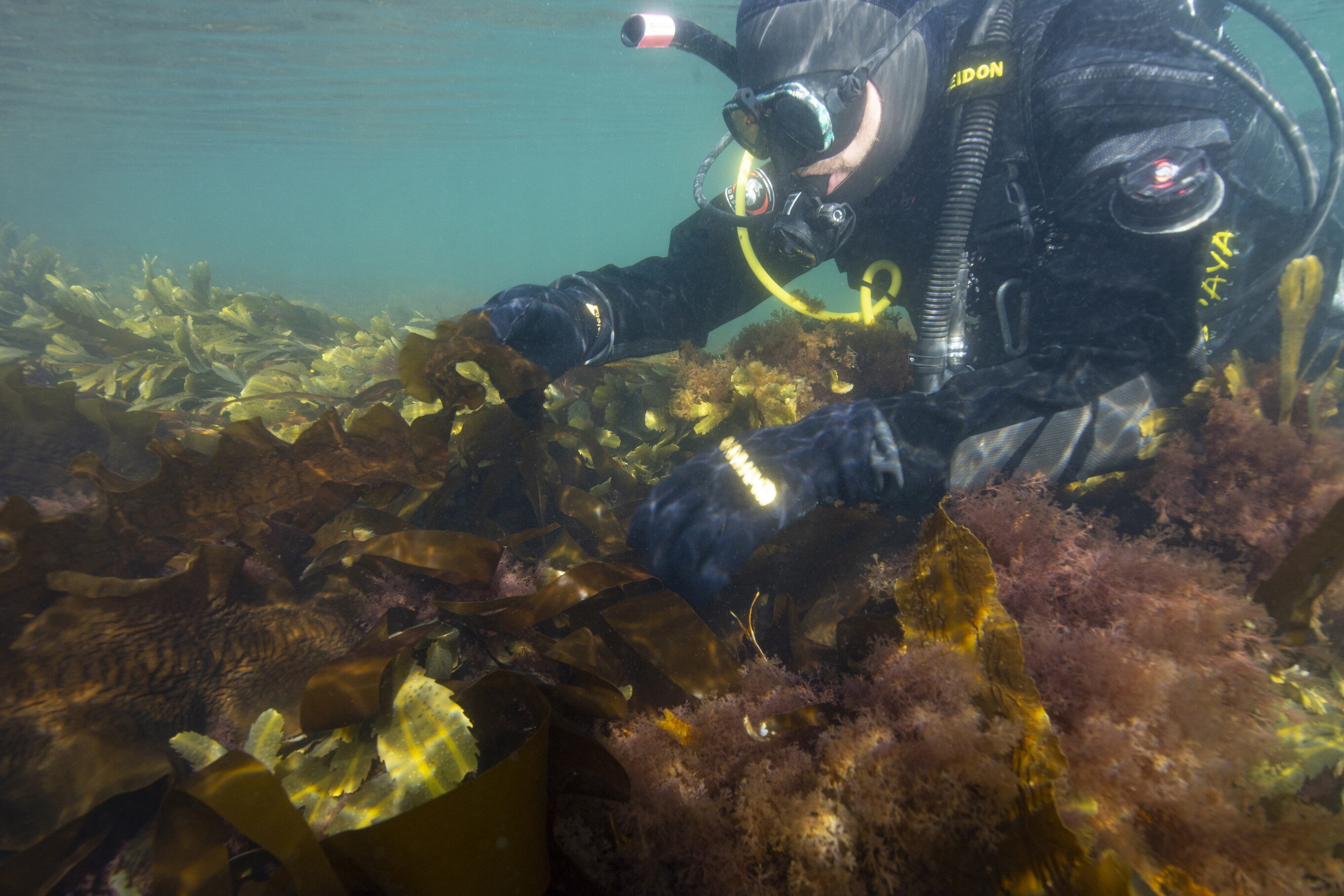
Sweden’s ragged coastline and scattered islands hide an astonishing diversity of edible seaweeds, and forager, diver, and sustainability advocate Karolina Martinson has made it her mission to bring them onto more plates. Under the name Algblomman, she works on product development for restaurants—her seaweed pesto herring balls are a favorite at Popsicle Café on the island of Donsö—while also guiding guests on immersive seaweed experiences. Her work demonstrates how seaweed can be both a traditional ingredient and a modern, climate-smart resource.

Algblomman’s offerings range from lectures and guided hikes to seaweed safaris and outdoor cooking adventures, often set in the Gothenburg archipelago around the island of Vrångö. One experience might involve sampling seaweed tapas on a floating wood-fired sauna before spending the night in one of Kajkanten Hotel’s cozy boathouses right on the water. Another could combine a foraging walk and a refreshing swim with a beachside meal cooked from whatever the sea and shore provide that day. It is an intimate, sensory way to discover blue food at its source.

Address: Vrångö, Gothenburg Archipelago, Sweden
Website


Linda Iliste
Author
Find out more
1 / 12