Niederkofler’s “Atelier Moessmer”: Cuisine at High Altitude
As the Olympic Winter Games unfold across northern Italy, another kind of excellence draws discerning travellers to the Dolomites. In Brunico, Norbert Niederkofler’s Atelier Moessmer offers a different expression of mastery,one where the mountains dictate the rhythm, and every dish speaks of place.
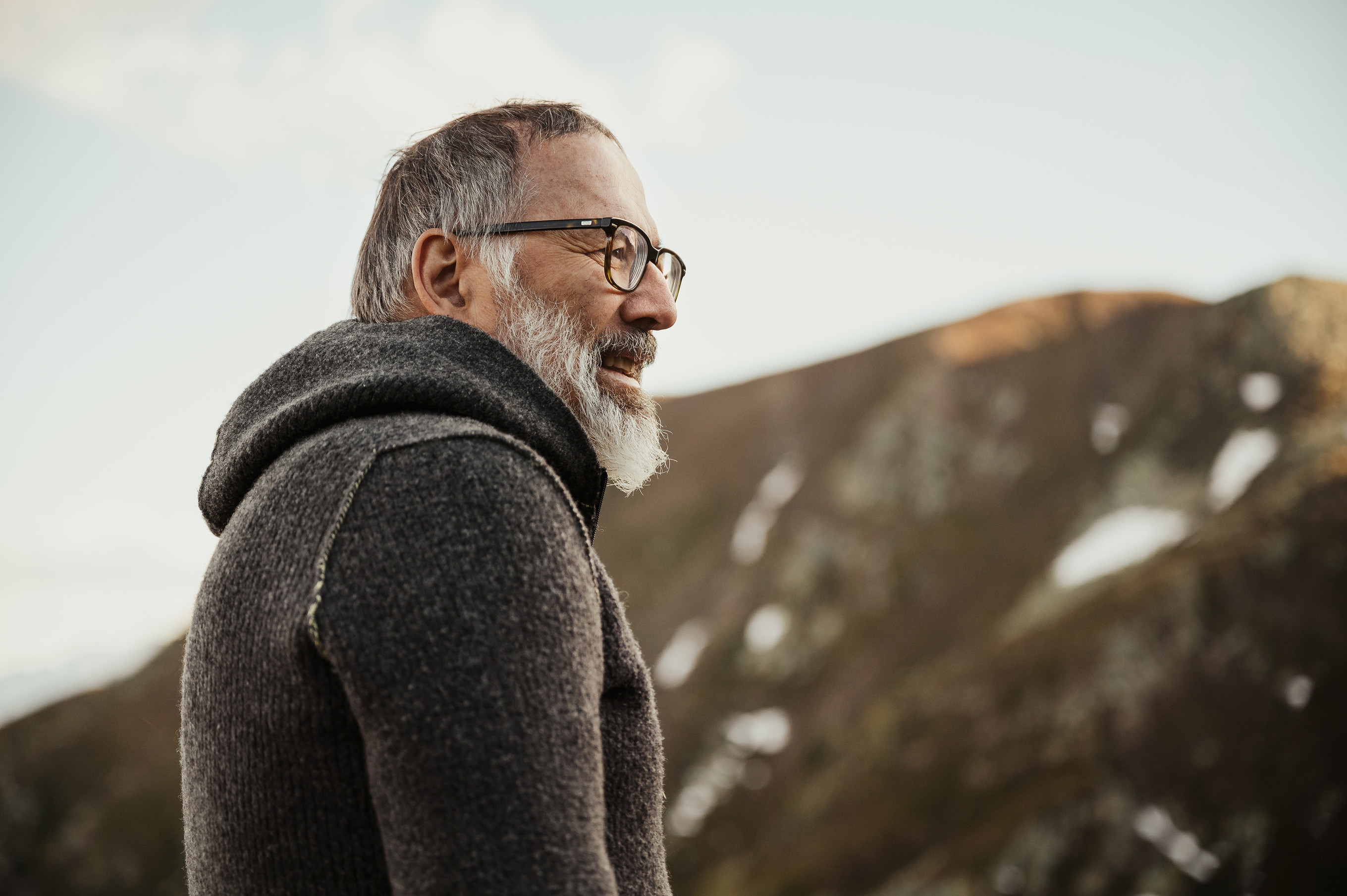
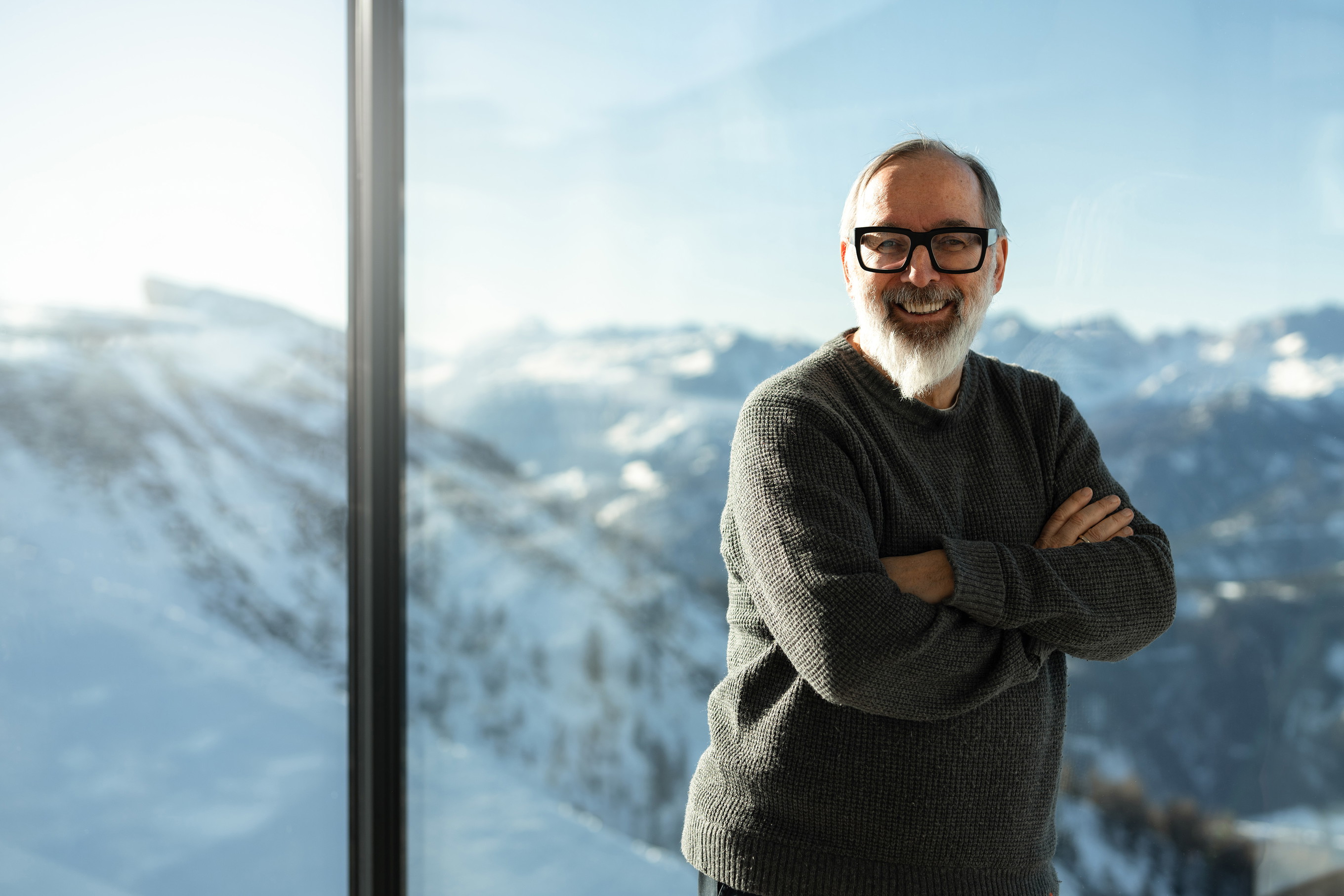
With the Olympic Winter Games underway, the global spotlight is fixed on northern Italy. Yet long before the first medal ceremony, the region had already been attracting a different kind of devotee. Culinary pilgrims come not for spectacle but for substance, to experience the work of Norbert Niederkofler—a chef who has built one of Europe’s most singular restaurants by allowing the mountains to dictate everything.
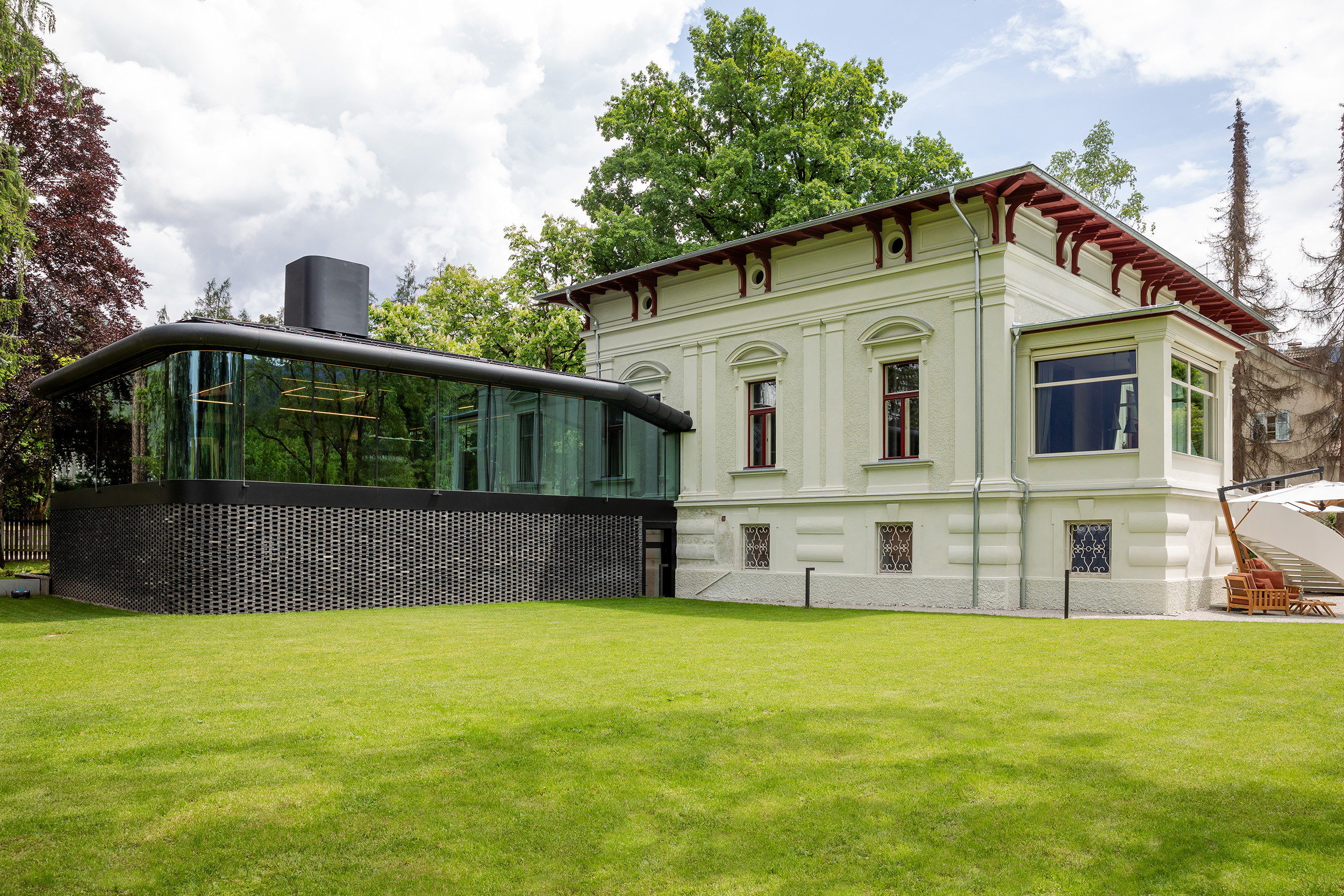
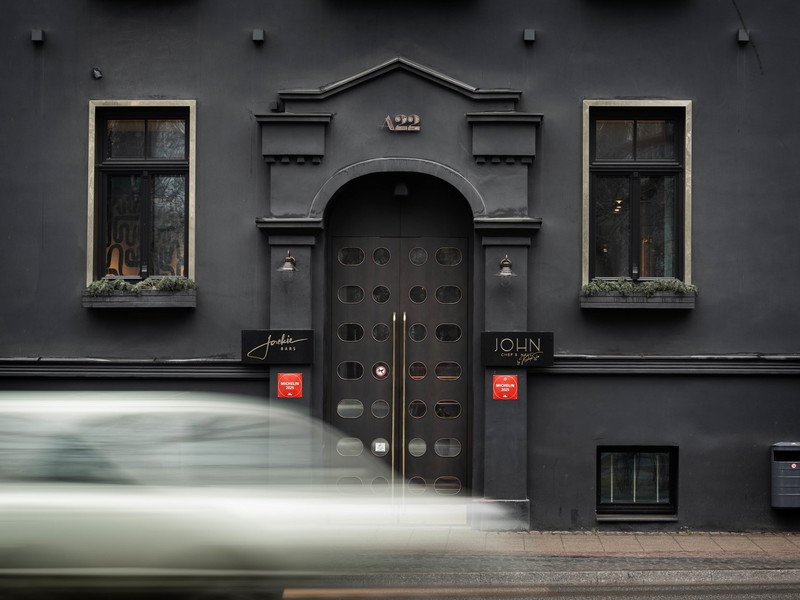
At Atelier Moessmer in Brunico, he has created a house where the landscape is not merely a backdrop, but the narrator. Ring the bell and step into Atelier Moessmer, the villa opposite the historic Moessmer textile mill in Brunico: Niederkofler’s new chapter after departing his legendary three-Michelin-starred St. Hubertus at Rosa Alpina. The move was deliberate. “I passed this house every day on my way to work,” he recalls. “I always knew that one day I wanted to do something here.”
The feeling seemed to be mutual. Within months of opening, Niederkofler reclaimed his three Michelin stars—confirmation that the vision had lost none of its clarity.
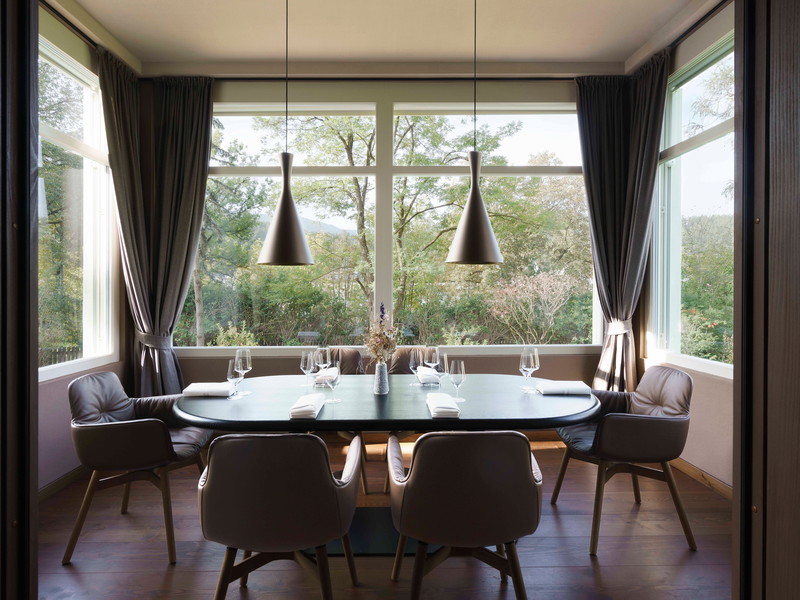
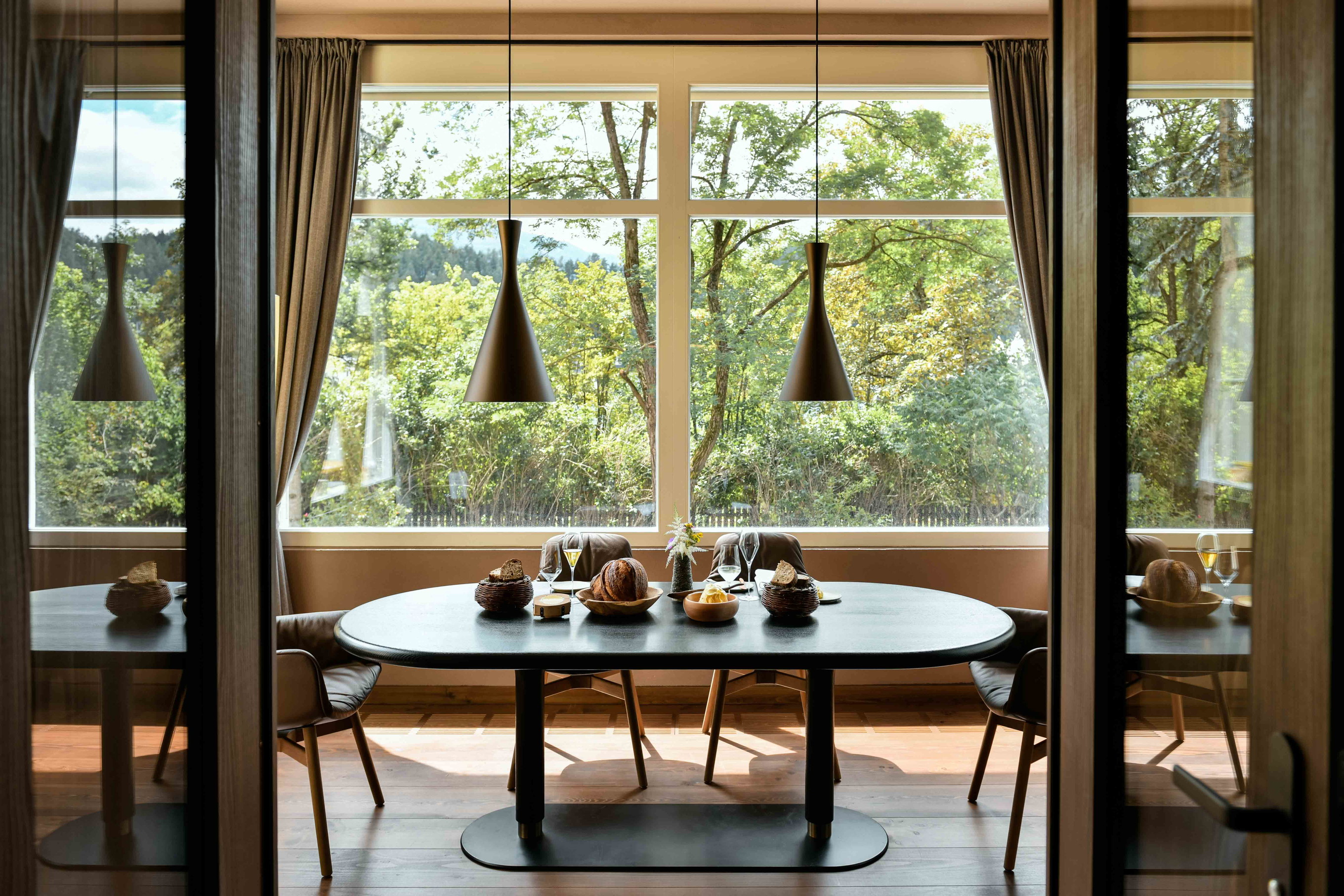
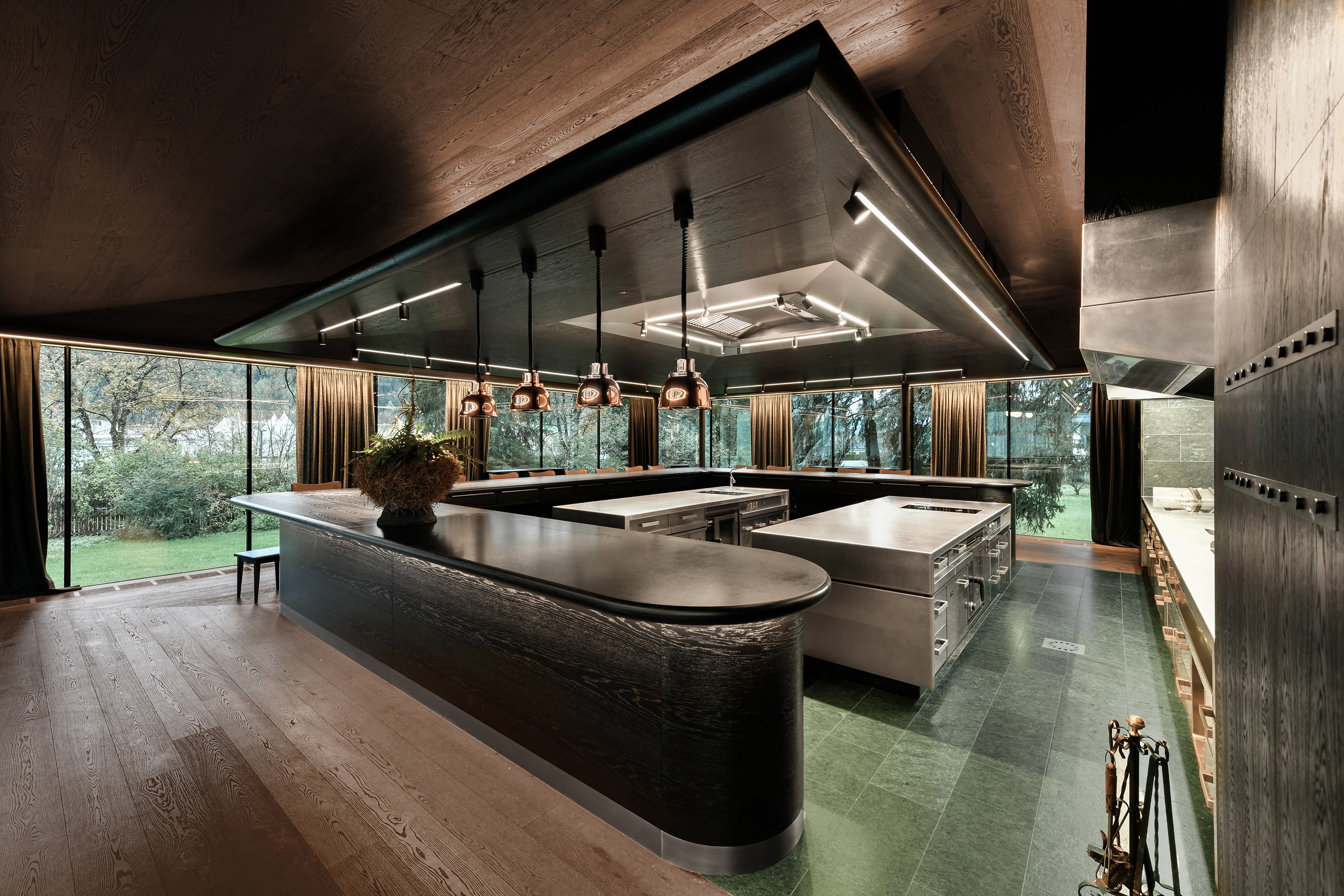
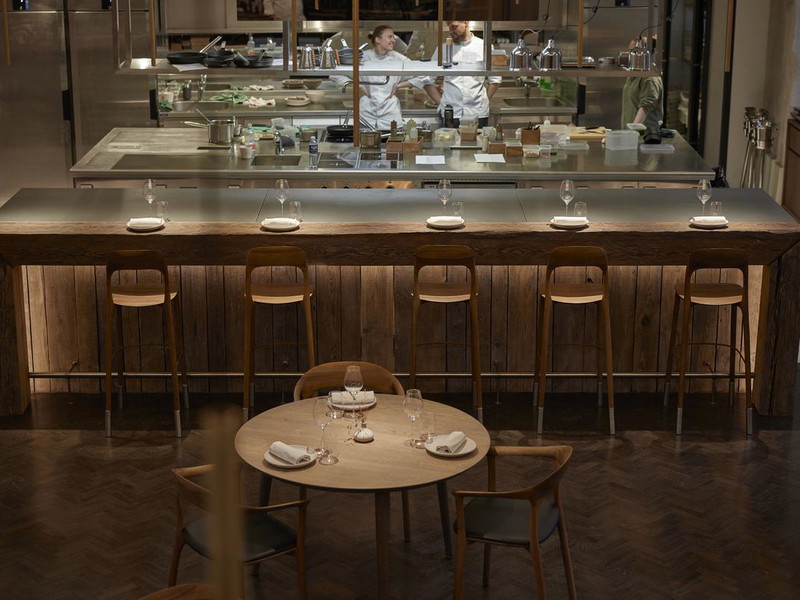
At Atelier Moessmer, a bell replaces the usual front-of-house choreography. Kitchen and service move in quiet synchrony, less performance than living organism. The architecture sets the tone: warm, intimate, subtly theatrical. Ceilings soar more than four meters high, acoustics are finely calibrated, and music lingers almost imperceptibly. Moessmer’s textile heritage—loden, tweed, cashmere—is woven into the interiors, anchoring the space in local craft. On one wall, a three-dimensional collodion artwork of a Dolomite peak makes a quiet assertion: Here, the view is not outside the window, it is the room itself. “If you want people to remember a place,” Niederkofler says, “you have to give them a story, not just a meal.”
Four Seasons, Thousands of Meters, and a Moving Harvest
One of Brunico’s great luxuries is the clarity of its seasons. At St. Hubertus, Niederkofler worked largely within two. Here, he embraces all four, stretching the arc of ingredients and expression. The kitchen follows altitude the way a vintner follows sun exposure. Spring begins in the lower valleys around Bolzano and Merano. Summer ascends, with herbs foraged at elevations up to 2,500 meters. Late summer brings the last wild greens; autumn delivers berries, mushrooms, and the depth that arrives with cold mountain nights. For nearly eight months of the year, the Dolomites offer abundance—if one is attentive enough to see it.
Roughly 30 farmers and producers collaborate directly with the restaurant. There are no middlemen. Orders are personal; payments go straight to those who grow, raise, or forage the ingredients. The impact extends beyond the dining room. Farmers who once supplied milk to cooperatives now produce their own butter and cheese. Craft regains its viability. Gastronomy becomes an ecosystem rather than an isolated luxury.
If the mountains are the reason, they must be the method”
When Niederkofler introduced Cook the Mountain in 2008, many thought he had gone too far. By then, his résumé reflected the classic grand tour—international training, impeccable technique, rising acclaim. Yet the more success he achieved, the more he sensed a creeping uniformity. “Write down twenty luxury ingredients,” he says, “and you’ll find them in ninety percent of fine-dining restaurants.” The issue was never quality; it was identity. He began asking guests why they had traveled there. The answer was always the same: the mountains. “If the mountains were the reason,” he says, “then the mountains had to become the method.”
The rules that followed were exacting: no greenhouses, no citrus, no olive oil, no waste. What sounds almost whimsical in theory becomes rigorous in practice. Remove citrus and olive oil, and half of Mediterranean reflexes disappear. Remove greenhouses, and the modern calendar collapses. Remove waste, and the kitchen must think like a farmer, a butcher, and a preservationist at once. “It’s a playground,” Niederkofler says. “Rules create freedom.”
Technique, Not Nostalgia
Cook the Mountain is not pastoral romance; it is technical discipline. Whole animals are butchered in-house. Fermentation, preservation, and classical foundations are essential tools. Koji, miso, and kimchi appear here as well—but crafted from local grains and legumes rather than imported soybeans. “You cannot innovate without tradition,” Niederkofler says. “Without classical knowledge, there is no safe freedom.”
Even the house vermouth follows that logic. Its story begins not at the bar but in a high-altitude Riesling vineyard more than 900 meters above sea level, where young vines yield grapes not destined for top-tier wines. The team harvests by hand, presses the juice onsite, ferments it in glass demijohns, and later infuses it with alpine herbs, hay, and honey before aging it in small barrels. The aim is not novelty for novelty’s sake, but coherence: If the mountain sets the terms, everything must begin at its source.
Where Sustainability Means Respect
Niederkofler is wary of the word sustainability. “It means too much and nothing at the same time,” he says. Instead, he speaks of respect—toward nature, producers, people, and culture. Sustainability can be claimed; respect must be practiced.
That conviction underlies CARE’s, his platform for dialogue that extends beyond gastronomy into technology, fashion, and industry. It also shapes daily life at Atelier Moessmer. The team is young, the restaurant operates year-round, and knowledge is passed on deliberately to ensure the philosophy endures beyond its founder.
Seventeen years after Cook the Mountain was first written down, a concept once dismissed as overly rigid now feels prescient. By choosing less—less imported ease, less geographic excess, less illusion—Norbert Niederkofler has given the mountains a voice.

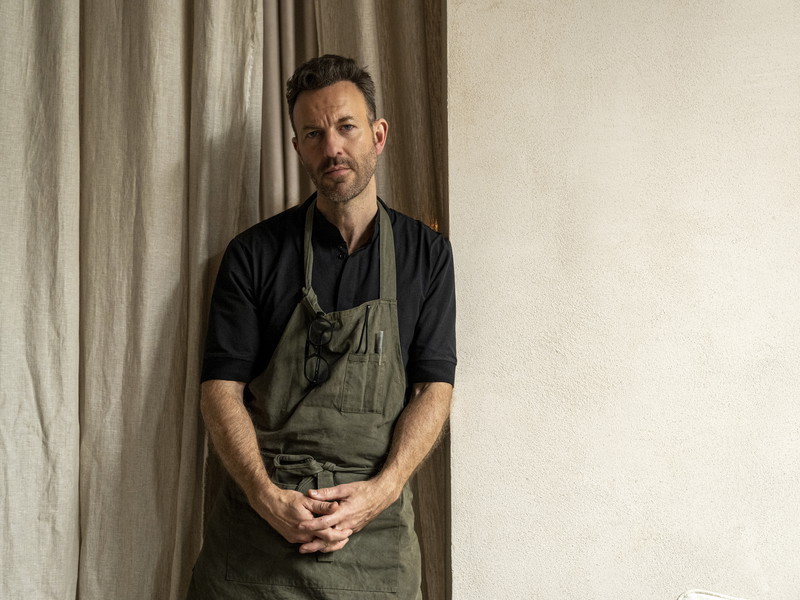
Norbert Niederkofler is one of Italy’s most influential chefs and the founder of the Cook the Mountain philosophy, rooted in seasonality, regional sourcing, and responsible practices in the Dolomites. He leads the three-Michelin-starred Atelier Moessmer in Brunico as well as AlpiNN Food Space & Restaurant on Kronplatz, where the lively, bistro-style Food Space serves seasonal dishes designed for sharing, guided by regional ingredients and the mountain’s natural rhythm.
He also oversees Ansitz Heufler by Norbert Niederkofler, a Renaissance residence built in 1580 and meticulously restored under his direction. Here, his alpine ethos continues through refined South Tyrolean cuisine shaped by local produce, wild herbs, freshwater fish, and sustainably sourced meats from the surrounding valleys.