The Playlist Behind the Plate
From three-star foyers to fast-food counters, music shapes how a restaurant feels before the first bite. In Stockholm and beyond, curating playlists reveal what belongs, what clashes, and when silence is the strongest choice.
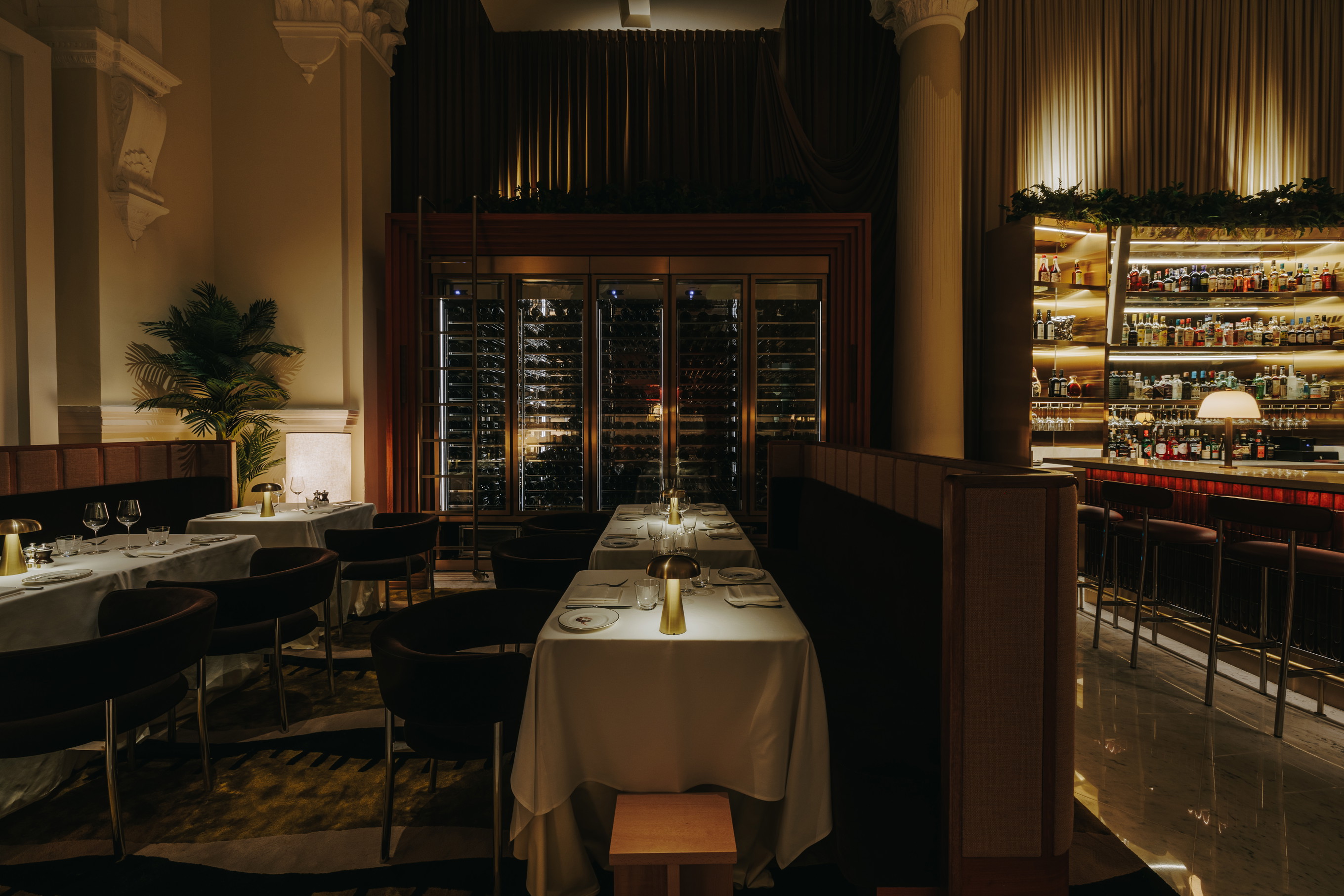
Eating out is sensory by design. Flavor and aroma, yes—but also the room itself: materials, textures, light. And then there’s sound: voices, resonance, rhythm. Nothing is accidental—not the heavy drapes, the sleek dividers, or the music filtering through the speakers. But what, exactly, goes into a playlist? And is there such a thing as the perfect restaurant soundtrack?
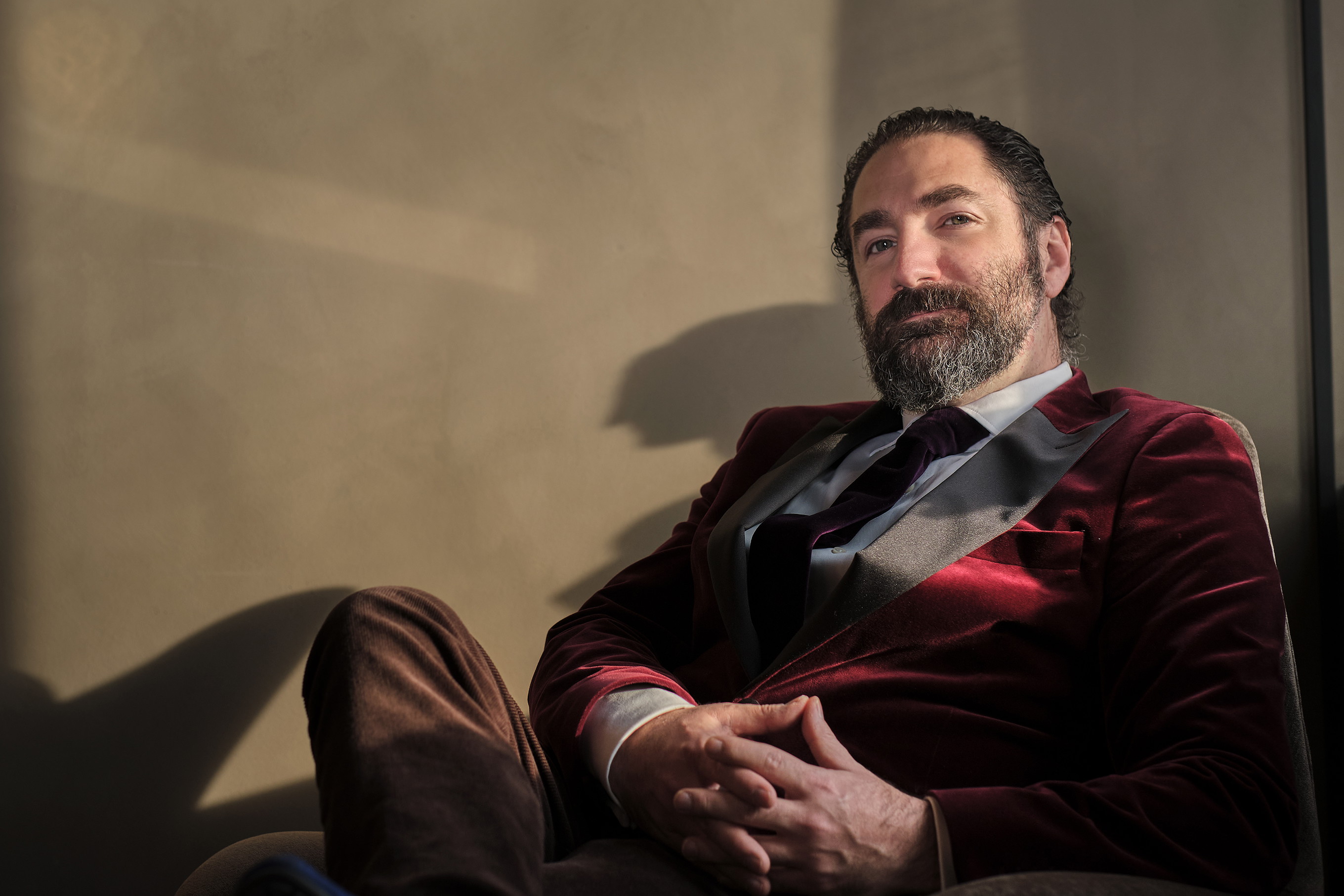
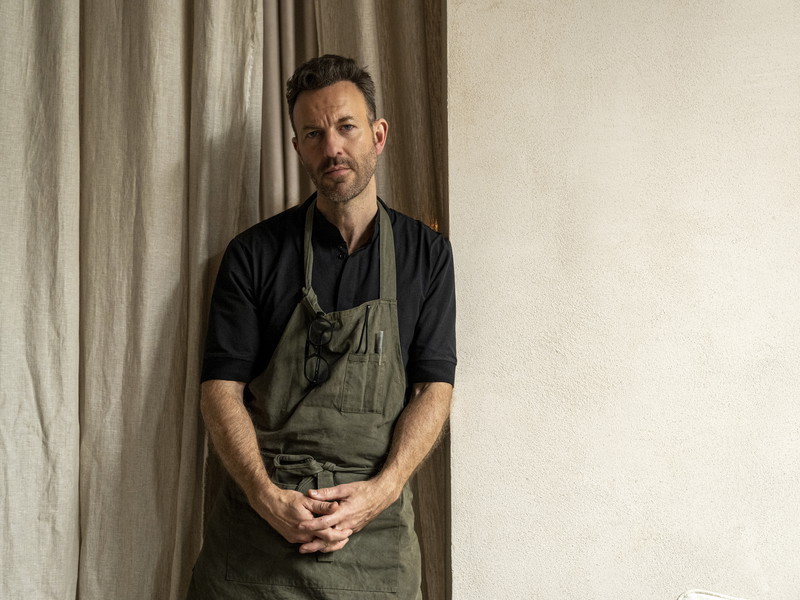
Across the industry, in Sweden and around the world, there’s broad agreement that music should feel like part of the brand: an atmosphere you can hear. But that atmosphere shifts from one concept to the next, and so does the method behind it. For Stefan Gissberg, context is everything. As Communications and DNA Director at The Frantzén Group—the international hospitality company founded by Swedish chef Björn Frantzén, known for its high-end restaurants, bars and gastronomic experiences—he knows a thing or two about building identities. “Every restaurant and concept has its own profile and idea, and music is an important part of the guest experience,” he says. The overarching musical direction is always discussed with Björn Frantzén first, before Gissberg takes it further.
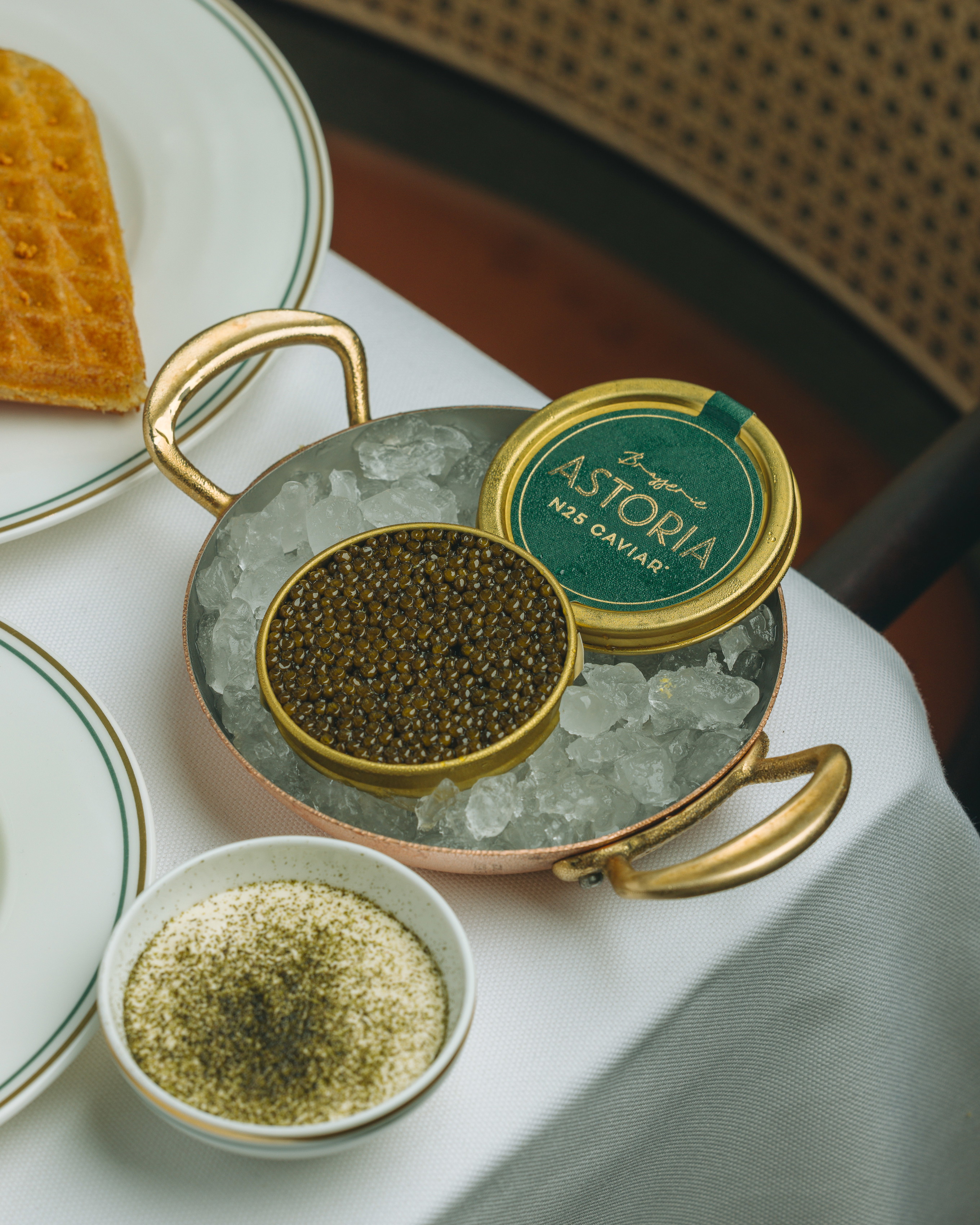
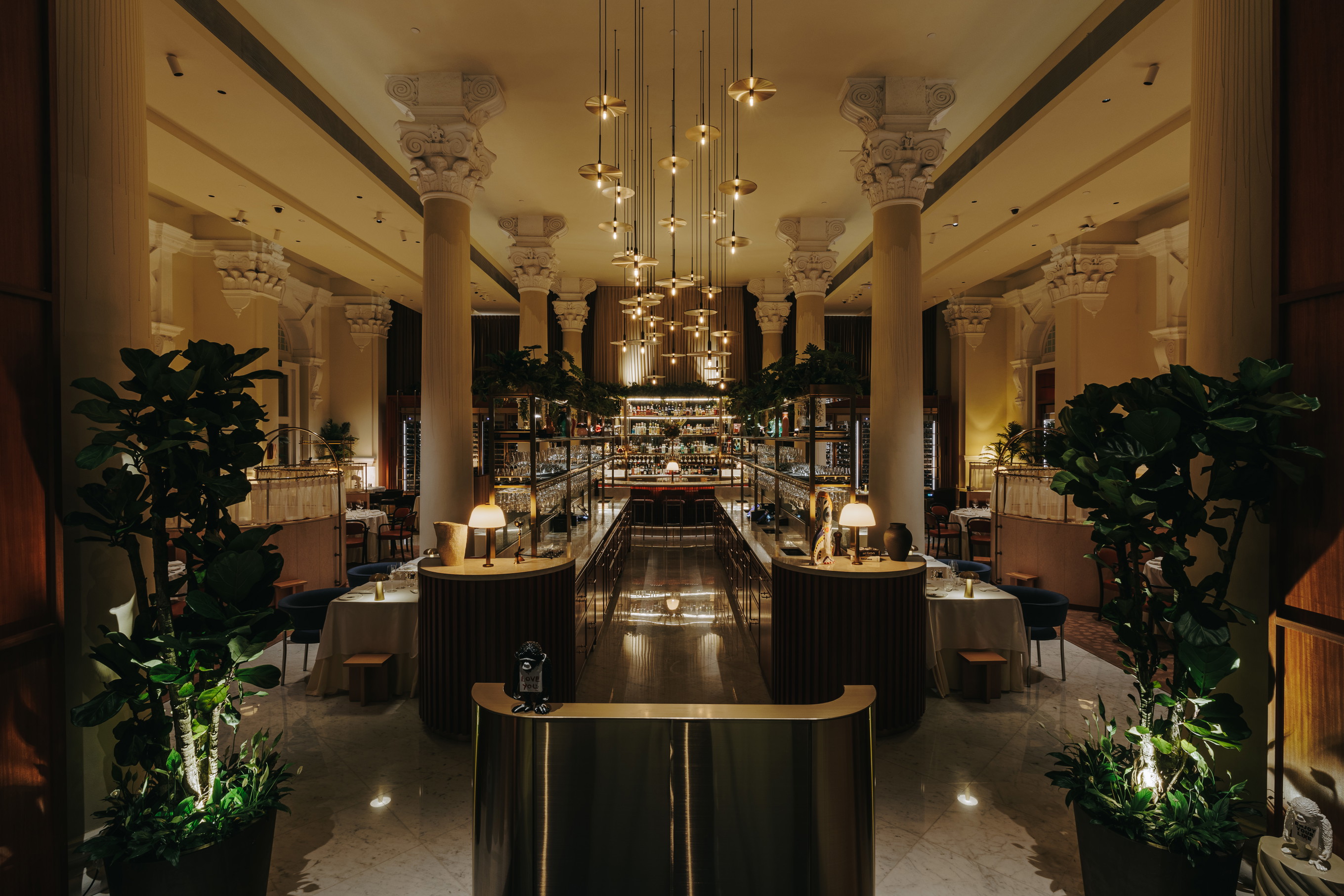
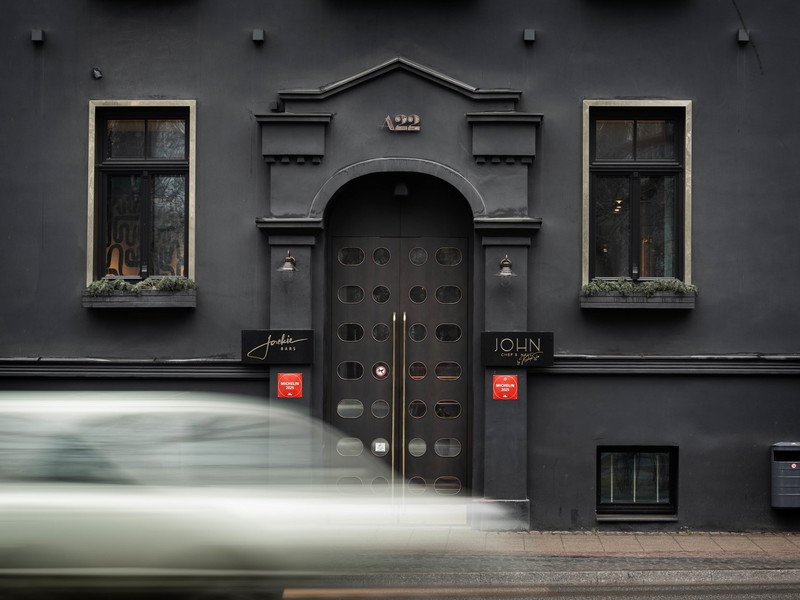
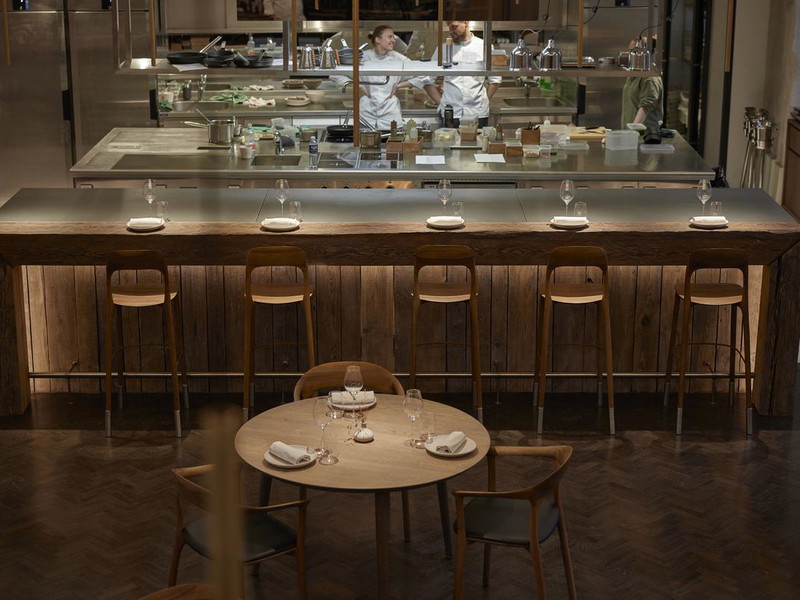
In other words, what works at the Frantzén Group’s chic brasserie Astoria in Singapore isn’t necessarily right for three-star Frantzén in Stockholm. At the latter, you step in from the street into a quiet foyer that feels almost ceremonial. Anticipation builds as you continue down a corridor to a dark, silent lift. The doors close; the lights dim—and a snippet of Guns N’ Roses’ 1987 hit “Welcome to the Jungle” kicks in. “Sometimes we’ll use a remix that fits the 20 seconds the lift takes,” Gissberg explains. “At Frantzén, the music is about creating a relaxed, disarming atmosphere—and offering a counterpoint to what guests might assume a three-star experience should feel like.” But it’s also important not to cross the line. You mustn’t, as he puts it, become too challenging or overly conceptual.
Arman Naféei, former Musical Director for all André Balazs’ hotels, argues that the best restaurant music is defined by the fact that guests may not even register it. He calls it “a shadow” that should never lead, only follow. Linus Lutti, Events Manager at the Swedish restaurant group Svenska Brasserier, disagrees. “If we don’t want guests to notice the music, we don’t play any, full stop,” he says, pointing to the dining room at Stockholm’s classic seafood institution Sturehof. Located at Stureplan, one of Stockholm’s main nightlife hubs, it is a well-known social stage. The restaurant’s own buzz is soundtrack enough.
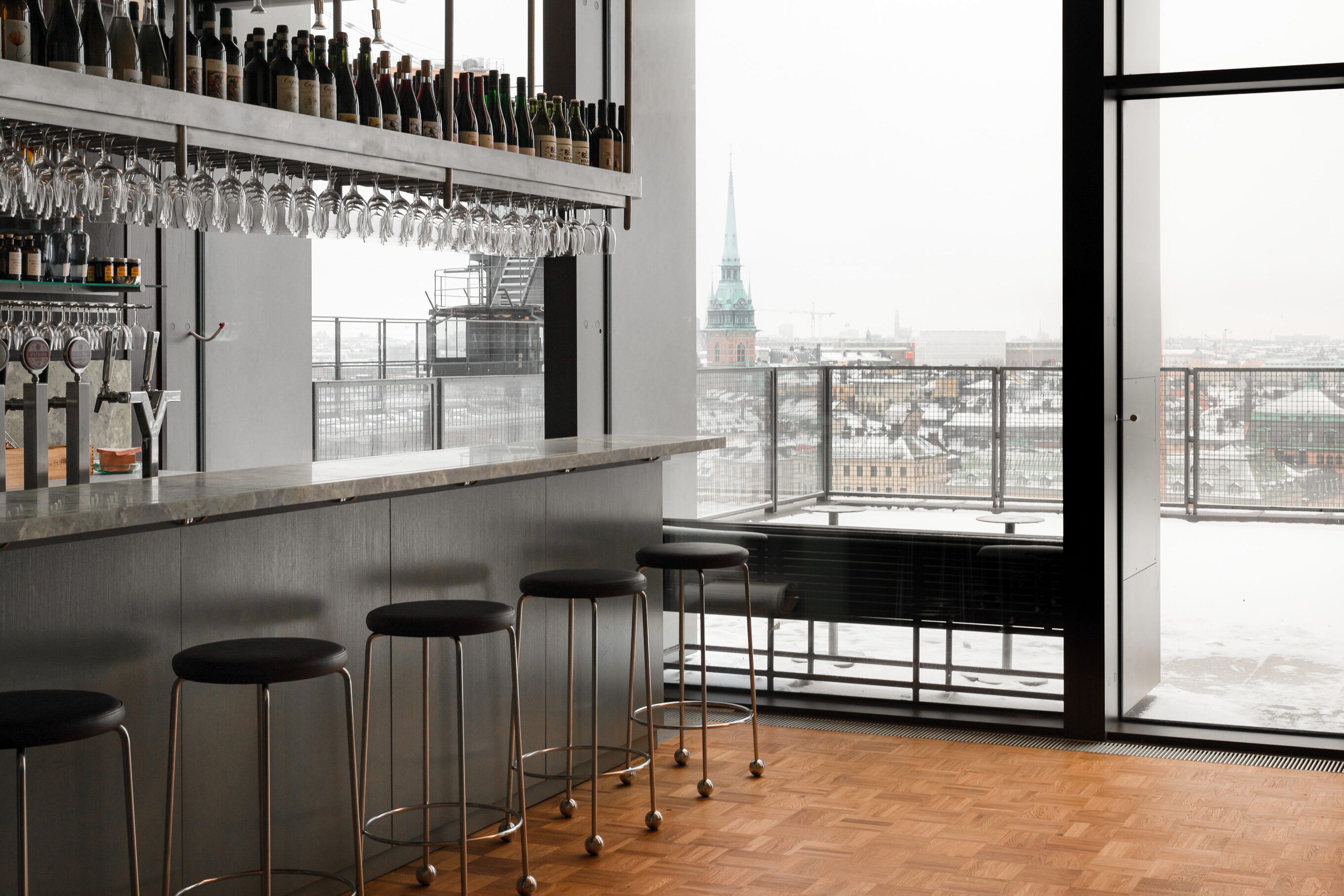
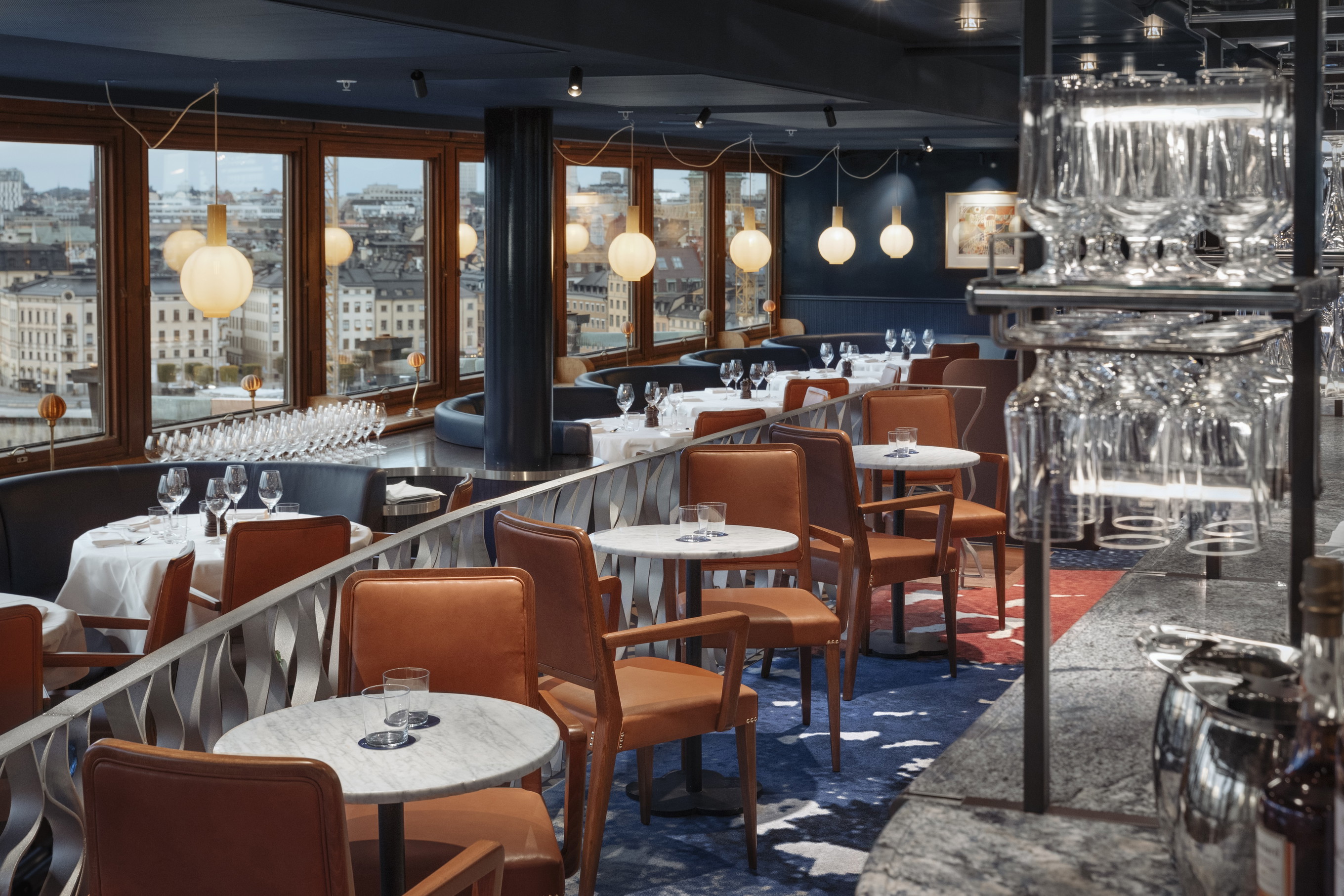
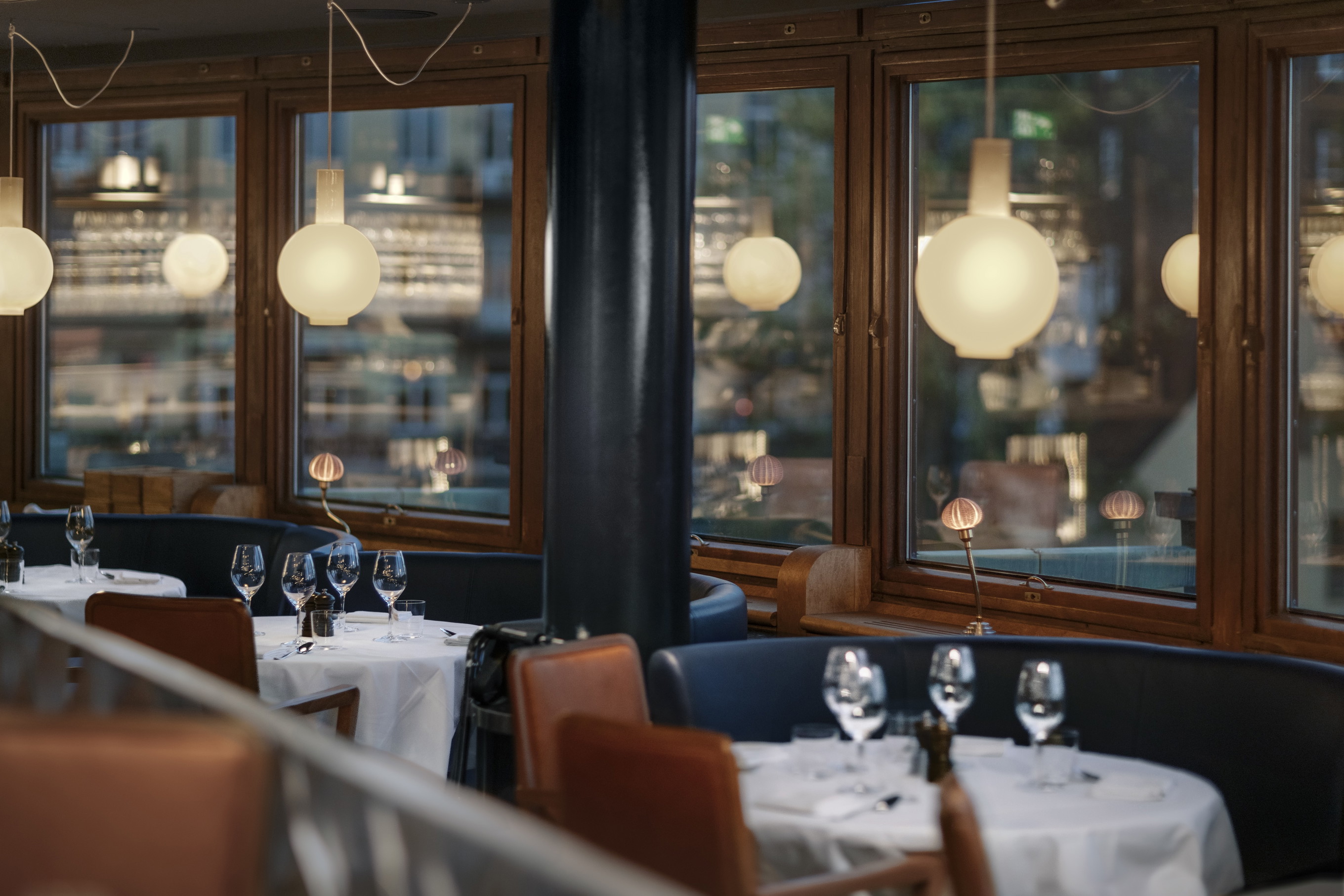
By contrast, at Svenska Brasserier’s Gondolen—a long-running Stockholm landmark with panoramic city views—the aim is to heighten a sense of understated elegance. “That’s why we’ve chosen live music. We have a trio playing cool jazz every day of the week, all year round. Then, at Café Klotet, we mainly choose freer, non-Western music to reinforce the feeling that we want to step outside the usual frame of what a restaurant should look like and sound like.”
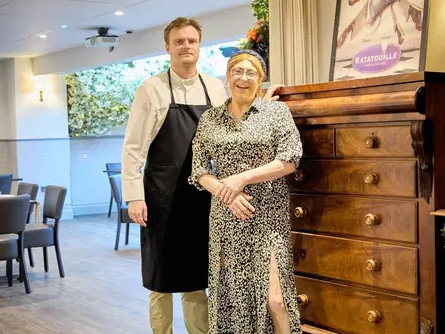
Mario E. Moroni—co-owner, restaurateur, head sommelier, and the person responsible for music at La Tour and Le Bar in Stockholm—points out that certain styles can create stress rather than ease. “Even if they’re wonderful in other settings, passionate opera arias, frenetic classical pieces in the vein of ‘Flight of the Bumblebee’ and Tchaikovsky’s 1812 Overture are out.”
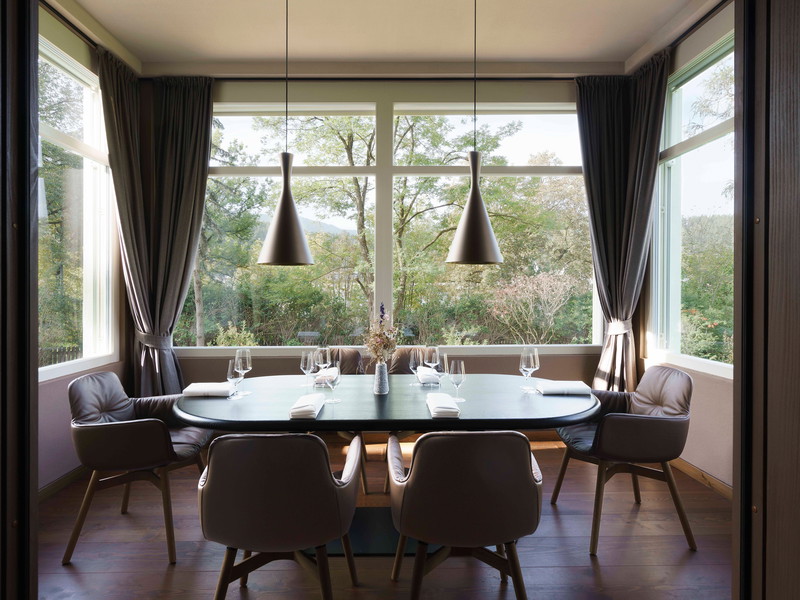
At La Tour and Le Bar, Moroni adds, the intention is to create a home-away-from-home feeling. “We’re mainly aiming for warmth and comfort.” Different playlists are designed to match different moods depending on the time of day, and what’s being served. “The bar has its own playlist that’s a bit more rebellious, a bit rowdier than the dining room,” he says. Softer sounds—blues and jazz with hints of unhurried samba—fill La Tour’s lounge during afternoon tea. Early in the evening, songs by the Rat Pack drift through the room, joined by French, Italian and Swedish artists from the same era. “It’s uplifting without becoming intrusive. Later, when the restaurant is full and the energy lifts, we play—completely unapologetically—the best pop from the 80s. We love it, and our guests really appreciate it too.”
Fast-food chains use music too, to shape mood and behavior. “At heart, we want our guests to feel welcome. That includes every touchpoint, and music is one of them,” says Linus Blom, Brand Manager at Swedish hamburger chain MAX Burgers. He explains that they’ve developed a carefully considered music strategy called “Sweden’s yummiest music taste”. The playlist is updated monthly. “We want the music to be inclusive without being predictable. It should add a little excitement and, ideally, an element of recognition,” he continues. For instance, they would rather play an artist’s second-most famous track: familiar enough to anchor the room, but still a choice that piques curiosity.

Blom recalls a particularly memorable visit to the glitzy (and now closed) Reina nightclub in Istanbul. It was the early 2000s, and after he and his party had finished their meal, the evening shifted into a house-driven nightclub atmosphere. “What’s unforgettable isn’t the food or the music itself, but how Reina’s team used the entire bridge directly in front of the venue, spanning the Bosphorus, as a gigantic equalizer, where the bass, treble and every beat were visualized. It was a powerful way of integrating the music into the experience as a whole.”
Mario E. Moroni, too, has a restaurant music memory, though it came neither from speakers nor from any planned set-up. Quite the opposite. Many years ago, one of his restaurants was visited by two prominent performers: Tommy Körberg and Elaine Paige, best known to English-speaking audiences for their musical-theatre work. “They were in great spirits and had a wonderful evening. Later, to the delight of the other guests, they started singing at their table. There were goosebumps all around, and for many it became a moment they’ll never forget.”