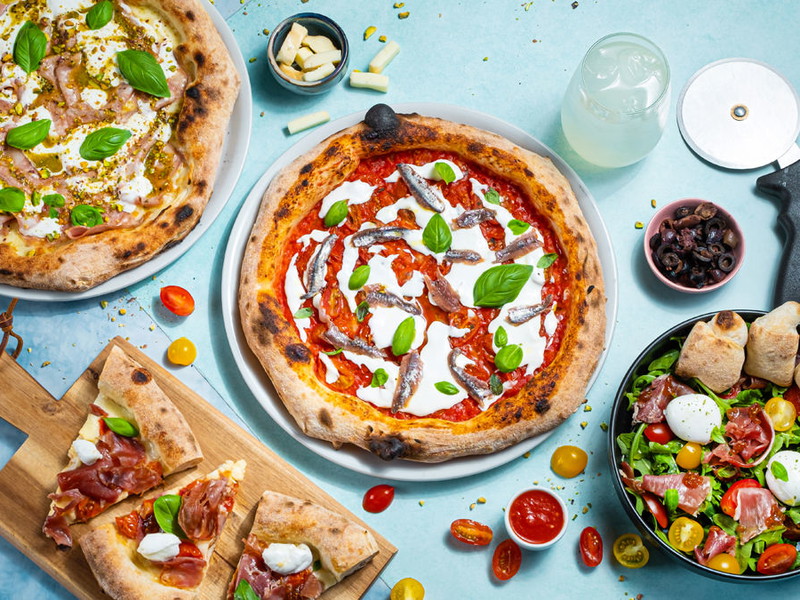
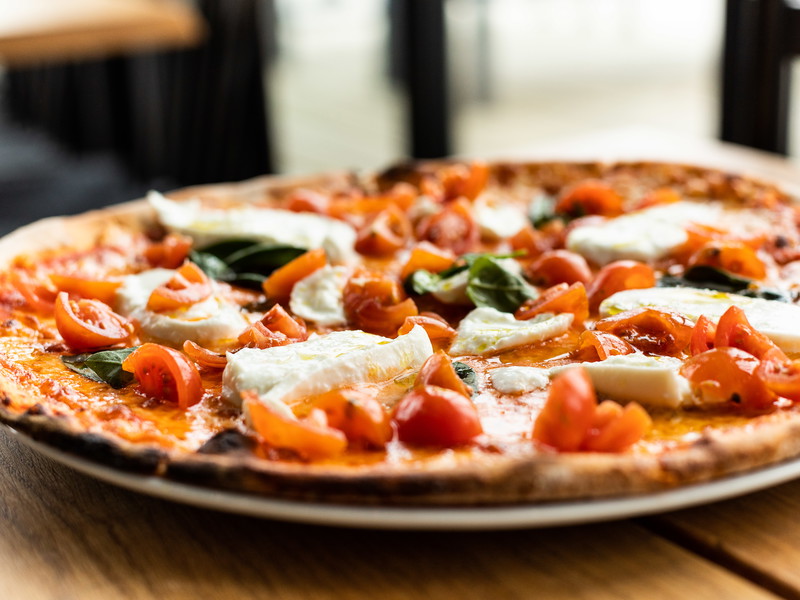
Whether thin and crispy or with an airy, risen edge in true Neapolitan style, pizza inspires passionate debate. Which toppings are acceptable (certainly not pineapple) and how long the dough should rest are subjects that regularly spark heated discussions. Less well known, however, is that in Italy, the way pizza is eaten follows its own traditions. Take a closer look and you'll quickly notice that the crust is far more than a mere side note. On the contrary, for many Italians it is one of the most coveted bites.
The Proper Way to Eat It
For once, there is no need to argue about whether pizza can be eaten without a knife and fork. After all, pizza originated in Naples as an uncomplicated street food. Even so, there is a particular eating technique that is especially common in southern Italy: the pizza is first cut into slices. The tip of each slice is then folded inward, helping the toppings and cheese stay in place and preventing anything from dripping. The crust serves as a natural handle.
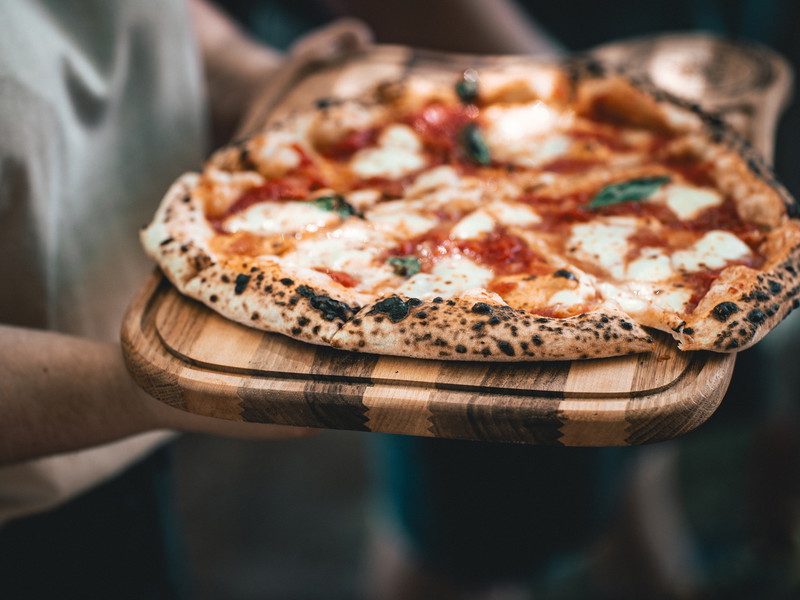
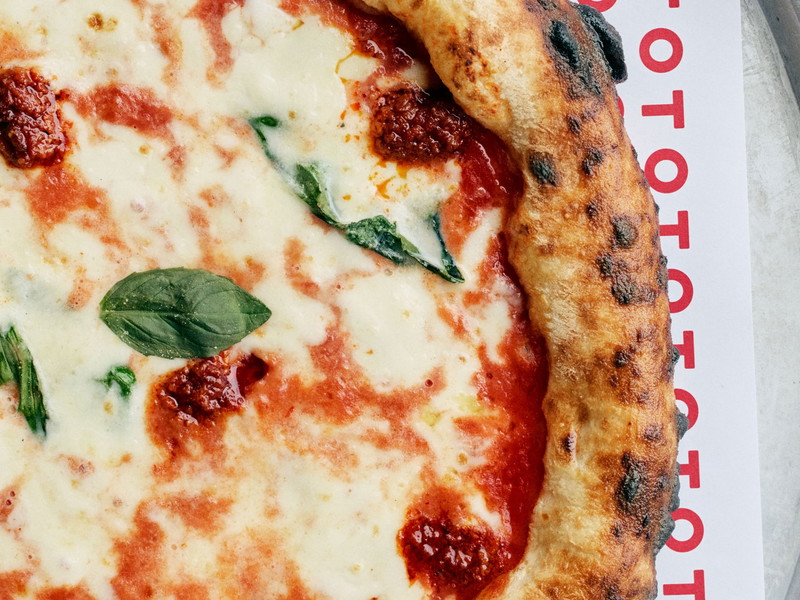
The crust – known as the cornicione – therefore rarely remains on the plate. From an Italian perspective, leaving it behind means missing out on one of the pizza's most distinctive elements. Many Italians deliberately save the crust until the very end. It then serves one final purpose – almost as a grand finale. The cornicione is often used to scoop up the last traces of tomato sauce, olive oil or melted cheese left on the plate.
In this sense, the crust functions as an edible spoon. Nothing goes to waste; what remains on the plate is simply part of the experience. The technique is therefore not only practical, but also surprisingly sustainable.